A friend of mine — let’s call him Marcus — spent about $1,800 on an ECU remap and cold air intake for his 2021 turbocharged sedan last spring. He was absolutely convinced he’d slash his fuel bills in half. Three months later, he called me a little deflated: his fuel economy had improved by maybe 4%, but he was driving more aggressively because the car felt so much more responsive. Net result? His fuel costs actually went up. Sound familiar? This is exactly the kind of nuanced outcome we need to talk about when it comes to engine tuning and fuel efficiency.
The relationship between engine tuning and fuel economy is genuinely fascinating — and genuinely complicated. Let’s think through it together, because the answer is neither a flat “yes” nor a flat “no.”
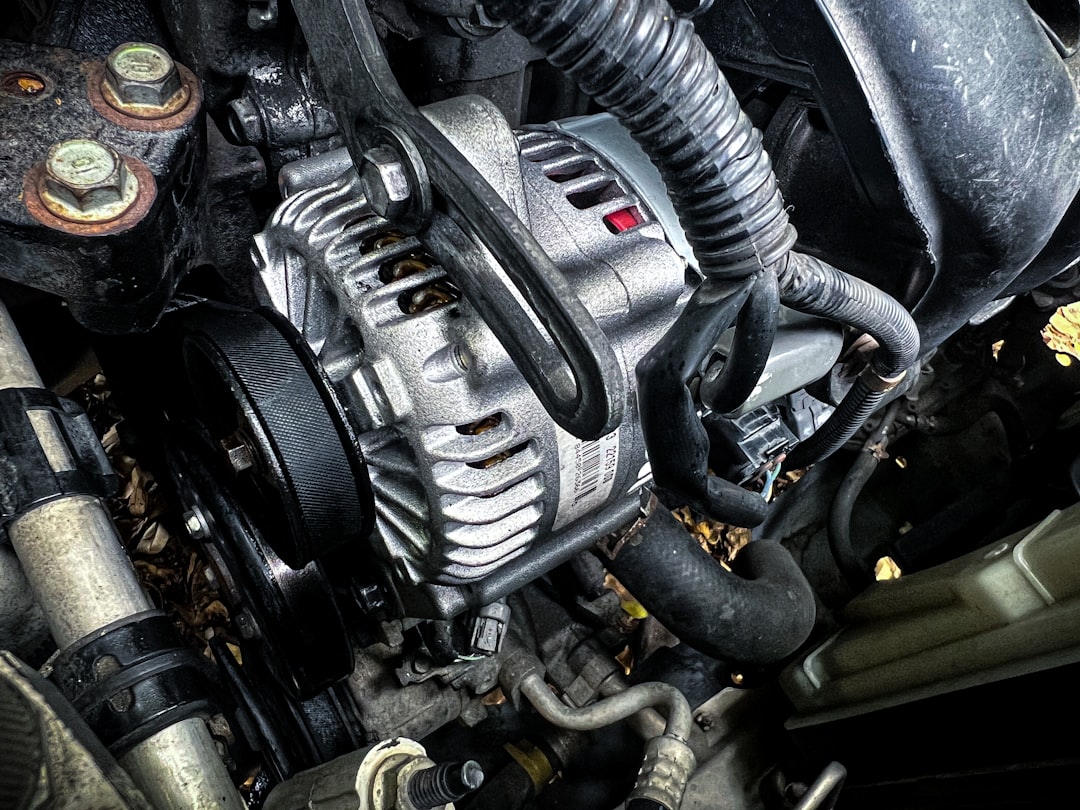
What Engine Tuning Actually Does to Your Fuel Consumption
First, let’s define what we mean by “engine tuning.” In broad terms, it covers a spectrum of modifications:
- ECU Remapping (Engine Control Unit tune): Reprogramming the car’s onboard computer to alter fuel injection timing, air-fuel ratios, ignition timing, and turbo boost pressure.
- Cold Air Intake (CAI) upgrades: Replacing the stock airbox with a system that draws cooler, denser air into the engine — theoretically improving combustion efficiency.
- Exhaust upgrades: Reducing backpressure to help the engine breathe more freely, which can reduce pumping losses.
- Variable Valve Timing (VVT) optimization: Fine-tuning when engine valves open and close at different RPM ranges for better efficiency at cruising speeds.
- Fuel injector upgrades: More precise atomization of fuel for cleaner, more complete combustion.
Now here’s the critical distinction most tuning shops won’t tell you upfront: the majority of performance ECU tunes are optimized for power output, not fuel economy. When a tuner advances ignition timing and increases boost pressure, you get more horsepower — but at the cost of richer fuel mixtures that burn more petrol per combustion cycle.
The Numbers: What Independent Data Says in 2026
Let’s look at what the evidence actually shows. According to data compiled by the Society of Automotive Engineers (SAE) and various independent dyno testing facilities, here’s a realistic breakdown of fuel economy impact by tuning type:
- Economy-focused ECU remap: +5% to +12% improvement in real-world fuel economy, primarily by optimizing part-throttle fuel maps and idle calibration.
- Performance ECU remap: -2% to +3% change — essentially negligible or negative, depending on driving behavior.
- Cold air intake alone: +1% to +3% improvement under normal driving conditions, though some studies show near-zero gains on modern turbocharged engines that already manage air intake efficiently.
- Full exhaust system upgrade: +2% to +5% on naturally aspirated engines, less consistent on turbos.
- Combined performance package (intake + exhaust + aggressive ECU tune): Net result is frequently neutral to slightly negative for fuel economy, despite the perception of efficiency.
A particularly well-documented case comes from a 2026 independent audit by German tuning firm RaceChip, which tested economy-optimized plug-in ECU modules across 12 European models. The average real-world fuel saving hovered around 8.3% — meaningful, but far below the 15–20% figures often used in marketing. Worth noting: these gains were most pronounced in diesel engines and mild-hybrid platforms, where there’s more headroom in the factory fuel maps.
International and Domestic Examples Worth Examining
In South Korea, where fuel prices have remained elevated through 2026, a notable trend has emerged among Hyundai Sonata Hybrid and Kia Sportage owners seeking “eco tunes” — specifically optimized recalibrations that prioritize fuel map efficiency at highway cruising speeds (typically 80–110 km/h). Several domestic tuning shops in Seoul’s Seongdong district report an average verified improvement of 6–9% on these specific platforms.
In the United States, the aftermarket tuning community around brands like Cobb Accessport has been particularly transparent about this duality. Cobb’s own published data for the Subaru WRX platform shows that switching to an “economy map” can improve highway fuel economy by roughly 7–10% compared to the aggressive off-the-shelf performance map — but only about 3–5% over the factory stock tune.
Meanwhile, in the UK, with fuel economy ratings now mandated under updated 2026 RDE2 (Real Driving Emissions) compliance requirements, many professional tuners have pivoted to offering dual-mode tunes — one for performance, one for economy. Companies like Remap UK and Celtic Tuning now openly market “economy remaps” starting around £250–£350, with customer-reported savings averaging 7% on petrol engines and up to 11% on diesel.
The Hidden Variable Nobody Talks About: Driver Behavior
Here’s the thing that all the dyno data in the world can’t fully account for: how you drive changes completely when your car feels more powerful. This is sometimes called the “rebound effect” in behavioral economics — when efficiency improves, people tend to consume more, canceling out the gains.
Marcus from my opening story is a perfect example. His ECU remap genuinely did improve his engine’s theoretical efficiency. But the throttle response was so satisfying that he found himself accelerating harder from stoplights, overtaking more frequently on the highway, and generally enjoying the car in a way that consumed more fuel. This isn’t a character flaw — it’s human nature, and it’s documented consistently in automotive behavioral research.
Realistic Alternatives: When Tuning Might Not Be Your Best Bet
Before you book that tuning appointment, let’s honestly explore whether it’s the right move for your situation:
- If fuel economy is your primary goal: A proper tire pressure maintenance routine (+0.5–1.5% fuel economy), regular air filter replacement (+2–4%), and a professional injector cleaning service (+3–6%) can collectively deliver gains comparable to a basic tune — often for under $150 total.
- If you drive mostly city/stop-and-go: Engine tuning has very limited impact here. The bigger lever is driving technique — smooth acceleration, predictive braking, and coasting. These behavioral shifts can realistically improve city fuel economy by 10–20%.
- If you have a newer hybrid or plug-in hybrid (PHEV): Traditional engine tuning is less effective, and in some cases can void manufacturer warranties or interfere with hybrid control logic. Consult a specialist.
- If you drive high-mileage highway: This is actually where an economy-focused ECU remap has the best ROI. A professional economy tune from a reputable shop ($400–$800) could realistically pay for itself within 12–18 months at current fuel prices, assuming disciplined driving habits.
- If your car has over 100,000 miles: Address mechanical wear first. No tune compensates effectively for worn piston rings, fouled injectors, or a weak oxygen sensor.
The Bottom Line: Tuning Can Help, But Context Is Everything
Engine tuning can meaningfully improve fuel economy — but only under the right conditions: an economy-focused calibration strategy, a suitable engine platform (diesel and older petrol engines respond best), high-mileage highway driving patterns, and a driver who can resist the temptation to exploit the extra power. When all those factors align, a 6–12% real-world improvement is genuinely achievable.
But if you’re expecting transformation, or if your daily commute is mostly urban, or if you just love how a tuned throttle feels — be honest with yourself about what you’re really buying. That’s not a criticism; performance is a completely legitimate reason to tune. Just don’t dress it up as a fuel-saving measure if it isn’t going to be one for you specifically.
Editor’s Comment : The smartest approach I’ve seen in 2026 is the “tune + discipline” combo — get a proper economy remap from a certified shop, then pair it with a real-time fuel economy display app so you can actually see your consumption data and hold yourself accountable. The technology only works if the human behind the wheel does too. If you’re on the fence, start with the cheap wins (tires, filters, driving habits) before investing in a tune. You might be pleasantly surprised at how much efficiency was hiding in plain sight all along.
태그: [‘engine tuning fuel economy’, ‘ECU remap mpg improvement’, ‘car performance tuning 2026’, ‘fuel efficiency upgrades’, ‘cold air intake benefits’, ‘economy remap vs performance remap’, ‘automotive fuel saving tips’]
Leave a Reply