Picture this: you’ve just finished a three-hour road trip with two kids in car seats, a stroller in the back, and a golden retriever who somehow always ends up in the front seat. You pull into a rest stop and realize — the cup holders are awkwardly placed, the third row feels like a punishment, and the ambient lighting you were promised in the brochure flickers like a haunted house prop. Sound familiar? That’s exactly why interior space and convenience features deserve way more attention than they typically get in flashy new car reviews.
In 2026, SUV manufacturers have genuinely leveled up their game — but not all of them equally. Let’s think through this together, because the difference between a thoughtful cabin and a marketing checkbox can mean everything for your daily life.
🚗 How Much Space Is “Enough” Space? The Numbers That Matter
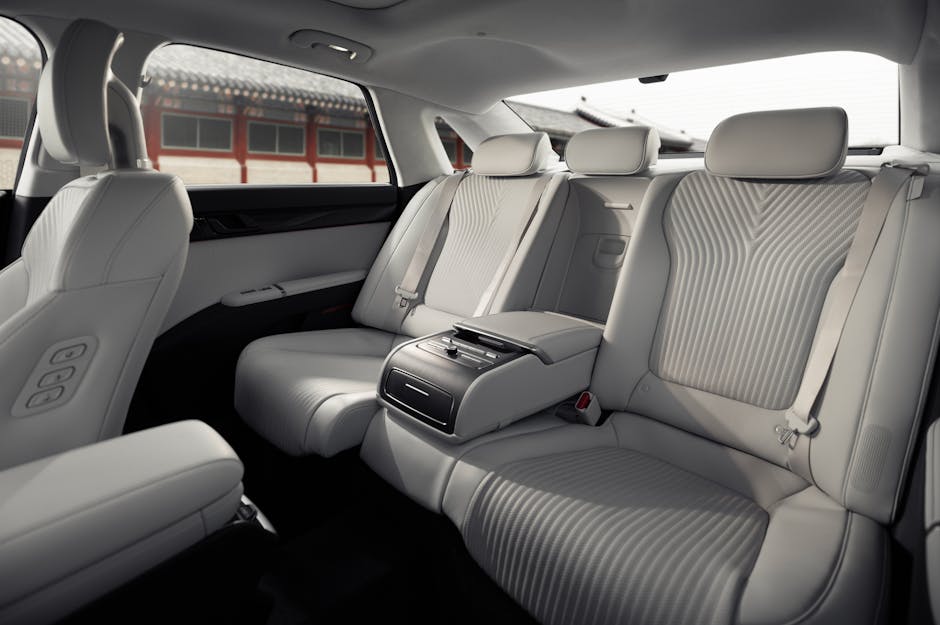
Interior space in SUVs is measured in a few key ways: headroom, legroom, shoulder room, and cargo volume (measured in liters or cubic feet). In 2026, the benchmark for a mid-size SUV has shifted noticeably upward, with leading models offering:
- Second-row legroom: 38–42 inches — anything under 38″ starts to feel cramped for adults
- Cargo space (seats up): 800–1,200 liters — the sweet spot for family utility
- Third-row access: Tumble-and-slide or power-fold mechanisms — manual-only is increasingly rare in 2026 flagships
- Panoramic sunroof opening ratio: 65–80% roof coverage — a real differentiator for passenger mood and light quality
- Flat-floor third row: Found in roughly 60% of 2026 three-row models, up from about 40% in prior generations
Why does the flat floor matter? Because the traditional driveshaft tunnel that used to rob center-seat legroom is gradually disappearing in hybrid and EV-platform SUVs. This is a structural win, not just a talking point.
🔌 Convenience Features That Are Actually Convenient in 2026
Let’s be honest — “convenience features” is one of the most abused phrases in automotive marketing. A rear USB-C port is convenient. A refrigerated center console compartment (now standard in several 2026 luxury SUVs) is a lifestyle upgrade. Here’s what genuinely moved the needle this year:
- Multi-zone wireless charging pads: Up to 3-device simultaneous wireless charging is now available in mid-range trim levels, not just flagship editions
- Ventilated second-row seats: Once exclusive to $70,000+ vehicles, now filtering into the $45,000–$55,000 range
- Smart storage with RFID locking: Hyundai’s 2026 IONIQ 9 and Kia’s EV9 updated trim feature lockable center console compartments with NFC/RFID access — practical for valuables on family trips
- Rear-seat entertainment with personal profiles: Not just screens, but profile-linked content preferences that sync with streaming accounts
- Ambient lighting with health-mode presets: Some 2026 models (notably BMW X5 and Genesis GV80 Coupe) now offer circadian-rhythm-adjusted lighting during long drives
🌍 Global Examples Worth Knowing
Let’s ground this in real models so you can see how the specs translate to actual decisions:
Hyundai IONIQ 9 (2026 model year): Built on the E-GMP platform, this three-row EV SUV delivers a genuinely flat floor across all rows — a rarity. The Lounge seat configuration allows second-row occupants to rotate 180 degrees while charging, which sounds gimmicky but is genuinely useful for family picnic stops or remote work scenarios.
Toyota Grand Highlander (2026 refresh): Toyota quietly upgraded the Grand Highlander’s Max Legroom second-row seat, now offering 41.4 inches — one of the best in its class. The updated Power Rear Door with height-memory function is a small but brilliant touch for households where multiple people of different heights use the same vehicle.
Kia EV9 GT (2026): The GT trim adds adaptive air suspension that automatically lowers the vehicle when a door opens — easing entry/exit significantly, especially for elderly passengers or parents with young children. The 6-seat lounge layout remains a standout interior configuration globally.
Stellantis Jeep Wagoneer S (2026): A surprise contender for interior refinement, the Wagoneer S brings genuine quilted leather options, a 45-inch diagonal panoramic screen cluster, and what Jeep calls “Zone Lighting” — individual LED zones above each seat that passengers can control independently via the rear touchscreen.
⚖️ Trim Level Reality Check: Where the Value Actually Lives
Here’s something most reviews skip over: the best interior features are almost never in the base trim. In 2026, the pattern looks like this across most brands:
- Base trim: Gets you the structural space (legroom, headroom) but misses out on ventilated seats, premium audio, and smart storage
- Mid trim (the sweet spot): Typically unlocks wireless charging, panoramic roof, and power-fold third row — usually $4,000–$8,000 above base
- Top trim: Adds ambient lighting customization, massaging seats, and rear entertainment — often $10,000–$18,000 above base, with diminishing real-world returns for most families
The logical move? Target the second-highest trim. You’ll capture roughly 80% of the interior value at 60–70% of the premium-tier price jump. This is true across Toyota, Hyundai, Ford, and Kia lineups in 2026.
🔄 Realistic Alternatives: What If You Can’t Go New?
Not everyone is in the market for a brand-new 2026 model — and that’s completely reasonable. Here’s how to think about alternatives:
- Certified Pre-Owned 2023–2024 Three-Row SUVs: Models like the Kia Telluride or Hyundai Palisade from 2023–2024 still offer competitive interior dimensions and have seen significant price corrections in 2026. You can often access mid-trim features at base-trim pricing in the CPO market.
- Aftermarket Interior Upgrades: Wireless charging pads, ambient LED strips, and ventilated seat cushion inserts are all available as aftermarket additions — typically $200–$800 total — for older SUVs that lack these features natively.
- Minivan Consideration: Hear us out — the 2026 Toyota Sienna and Chrysler Pacifica PHEV both offer genuinely superior second/third-row legroom compared to most SUVs at similar price points. If space is your primary concern, a minivan may actually be the smarter answer, social stigma aside.
Editor’s Comment : After spending time analyzing 2026 SUV interiors side by side, the honest takeaway is this — space and thoughtful design are finally being treated as features, not afterthoughts. But don’t let spec sheets seduce you. The best way to evaluate an interior is a 30-minute real-world test with your actual cargo, your actual passengers, and your actual lifestyle. A panoramic roof means nothing if the third row makes your in-laws feel like stowaways. Shop with your daily routine in mind, not the brochure fantasy — and you’ll find the 2026 lineup genuinely has something worth getting excited about.
태그: [‘2026 SUV interior review’, ‘SUV interior space comparison 2026’, ‘best SUV convenience features 2026’, ‘three row SUV legroom’, ‘Hyundai IONIQ9 interior’, ‘Kia EV9 cabin review’, ‘SUV buying guide 2026’]
Leave a Reply