A friend of mine spent three weekends test-driving SUVs earlier this year, only to come home each time more confused than when she left. “There are just too many good options,” she told me over coffee. “How do I even begin to narrow it down?” Sound familiar? You’re definitely not alone. The 2026 SUV market has exploded with genuinely impressive new releases — and that’s both exciting and overwhelming. So let’s think through this together, logically and practically.

Why 2026 Is a Pivotal Year for SUVs
The global automotive market is undergoing one of its most significant transitions in decades. By early 2026, electric and hybrid powertrains now account for roughly 54% of all new SUV sales globally, according to the International Energy Agency’s Q1 2026 report. That’s not just a trend — it’s a structural shift. Automakers who were hedging on EV timelines just two years ago are now fully committed, which means the 2026 model year is flush with genuinely mature, well-engineered options across segments.
Fuel economy regulations tightening in the EU, South Korea, and California have also pushed engineers to squeeze performance and efficiency out of the same platform — meaning buyers in 2026 are getting more capability per dollar than ever before.
The Top 2026 SUV Picks by Segment
Best Compact SUV: Hyundai Tucson PHEV 2026
Hyundai’s 2026 Tucson refresh brings a refined plug-in hybrid system that delivers an all-electric range of up to 52 miles — perfect for daily city commutes without touching a gas station. Priced starting around $34,500, it punches well above its weight class in terms of interior quality and infotainment responsiveness. Korean domestic sales figures from January–February 2026 already rank it #1 in its segment.
Best Midsize SUV: Kia EV9 GT 2026
The EV9 GT edition dropped in early 2026 with 576 combined horsepower and a 0–60 mph time of 4.2 seconds. That’s supercar territory for a three-row family hauler. Range sits at 270 miles (EPA estimated), and it supports 800V ultra-fast charging — topping up 10–80% in under 24 minutes. If you’re in the market for something that does school pickup and road trips without compromise, this is a serious contender.
Best Luxury SUV: BMW iX xDrive60 2026
BMW’s 2026 iX refresh addresses the two biggest complaints from earlier models: range anxiety and interior software lag. The new xDrive60 hits 380 miles of range and runs on BMW’s latest OS 9.5 platform, which is genuinely fast and intuitive. At around $97,000, it’s not cheap — but among luxury EVs, it offers one of the most balanced ride-to-range ratios on the market.
Best Budget-Friendly SUV: MG ZS EV 2026
For buyers watching their budgets closely, the MG ZS EV (available in Korea, UK, and Australia) remains a remarkably smart pick. Starting under $28,000 with government EV incentives applied, it offers a 310-mile range and ADAS features previously reserved for premium brands. It’s not glamorous, but it’s deeply sensible.
International Examples Worth Watching
In the US market, the Ford Explorer EV 2026 has been generating significant buzz — particularly its “Blue Oval Intelligence” system that learns your driving patterns and pre-conditions the battery based on your typical routes. Early adopters in the Midwest have reported efficiency gains of up to 11% in real-world winter driving conditions.
In Japan, Toyota’s bZ4X 2026 Special Edition launched with a solar roof panel that adds approximately 45 km of range per week under Tokyo sun exposure. It sounds gimmicky at first, but for low-mileage urban drivers, that could translate to going weeks without plugging in during spring and autumn months.
Meanwhile, in Europe, the Volkswagen ID.4 GTX 2026 is outselling its predecessor by 38% year-over-year (Q1 2026, ACEA data), largely thanks to its expanded fast-charging network compatibility across 47 European countries and a more aggressive price reduction from VW’s cost restructuring program.
What to Actually Look For When Choosing Your 2026 SUV
- Real-world vs. rated range: Always look at third-party real-world range tests (like those from Bjorn Nyland or Consumer Reports 2026 EV testing) — EPA or WLTP numbers can be 15–20% optimistic in cold climates.
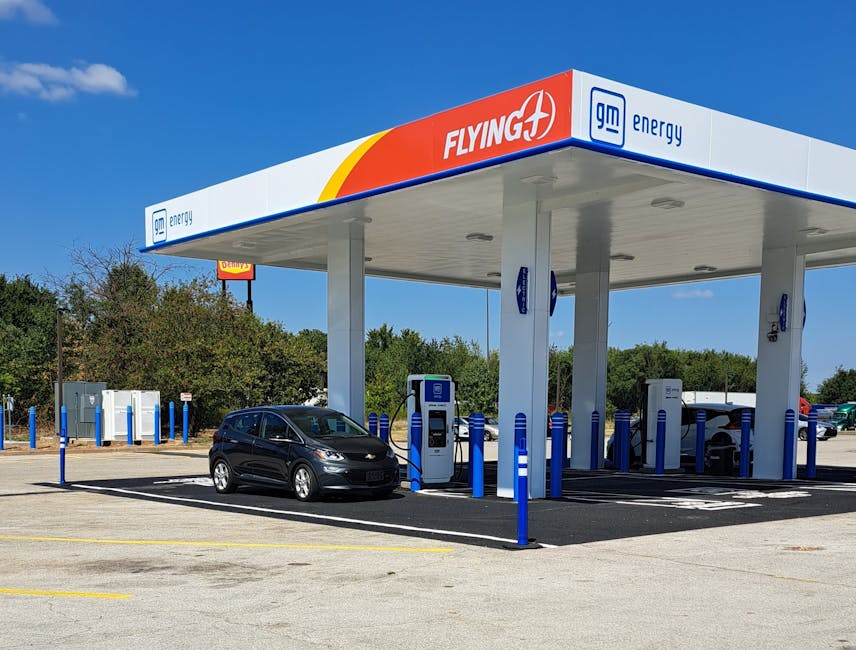
- Charging network compatibility: With the NACS (North American Charging Standard) now widely adopted across brands in the US, verify your shortlisted SUV supports it natively or via adapter.
- Software update policy: Some brands push over-the-air updates that genuinely improve the car post-purchase. Others… don’t. Ask the dealer directly about the OTA update history of the model you’re considering.
- Seating configuration flexibility: If you’re buying a three-row SUV, actually sit in the third row before signing anything. Legroom specs on paper rarely tell the full story.
- Resale value trajectory: With the used EV market maturing, brands like Hyundai, Kia, and Toyota are showing stronger resale retention than several European luxury alternatives — worth factoring into your total cost of ownership calculation.
- Government incentives: Korea’s 2026 EV subsidy structure changed in January — make sure your chosen vehicle qualifies under the updated battery manufacturing origin requirements before assuming you’ll receive the full subsidy.
Realistic Alternatives If the Top Picks Don’t Fit Your Situation
Not every top-ranked SUV will suit your specific life. Here’s how I’d think through it:
If the EV9 GT is too expensive but you love the platform, the standard EV9 Long Range starts nearly $25,000 lower and covers 90% of the same real-world use cases. You’re sacrificing the GT’s performance figures, not livability.
If you’re not ready for a full EV due to apartment living without charging access, the Hyundai Tucson PHEV or Toyota RAV4 Prime 2026 are the most pragmatic bridges — you can run on gas most of the time but get EV benefits for short daily trips.
If your budget is under $25,000, the used certified pre-owned (CPO) 2024–2025 EV market is now deep enough to offer real peace of mind with manufacturer warranty coverage. A CPO 2025 Ioniq 5 with 12,000 miles on it can be found for under $32,000 — that’s a lot of car for the money compared to a brand-new budget entry.
Editor’s Comment : The 2026 SUV market genuinely rewards informed buyers. The gap between the “best on paper” and “best for your life” has never been wider — and that’s actually a good thing, because it means there’s a well-engineered, competitively priced option for almost every situation. Don’t chase rankings blindly. Instead, map the specs against your actual weekly driving patterns, your charging reality at home, and your three-year financial picture. The right SUV in 2026 isn’t the one with the most awards — it’s the one that quietly solves your daily problems without making you regret the purchase two years from now.
📚 관련된 다른 글도 읽어 보세요
- Tire Brand Showdown 2026: Which Brand Actually Wins When It Counts?
- 2026년 자동차 타이어 브랜드별 성능 비교 리뷰 | 미쉐린 vs 한국타이어 vs 브리지스톤, 내 차에 맞는 타이어는?
- 2026 전기차 신모델 성능 리뷰 | 주행거리·충전속도·가성비 완전 분석
태그: [‘2026 SUV recommendations’, ‘best SUV 2026’, ‘electric SUV 2026’, ‘SUV buying guide’, ‘Kia EV9 GT 2026’, ‘Hyundai Tucson PHEV’, ‘new car rankings 2026’]
Leave a Reply