A few months ago, my neighbor knocked on my door looking slightly panicked. He’d just gotten a quote from a dealership — $480 for an oil change, air filter swap, and wiper blade replacement. That’s not a typo. With dealer labor rates climbing past $180/hour in most urban areas in 2026, routine maintenance has quietly become a luxury expense for a lot of people. He asked me, “Can I seriously do this stuff myself?” And honestly? Yes. Absolutely yes — with the right guidance.
So let’s think through this together. DIY car maintenance isn’t about being a mechanic. It’s about understanding which jobs are genuinely beginner-friendly, which ones carry real risk, and how to approach each one with confidence rather than guesswork.
Why 2026 Is Actually a Great Time to Go DIY
Here’s a data point worth sitting with: According to a 2026 consumer automotive survey by J.D. Power, 64% of vehicle owners say they’ve delayed at least one maintenance service in the past 12 months due to cost concerns. That delay — even just skipping an oil change by 3,000 extra miles — can compound into engine wear that costs thousands to repair. The irony is brutal.
Meanwhile, the average DIY savings per maintenance cycle (oil + filters + wipers) runs between $150 and $320, depending on your vehicle. Over a year, that’s potentially $600–$1,200 back in your pocket. Online parts retailers like RockAuto, AutoZone, and Amazon have also made OEM-quality parts more accessible and affordable than ever.
The Core DIY Consumables You Should Know
Let’s break down the most manageable self-service tasks, ranked roughly from easiest to slightly more involved:
- Wiper Blades: This is your entry point. No tools needed. Just lift the arm, press the tab, slide off the old blade, snap on the new one. Takes 5 minutes. Blades typically need replacing every 6–12 months. In 2026, beam-style blades (frameless) are the standard — they handle rain and snow significantly better than traditional frames.
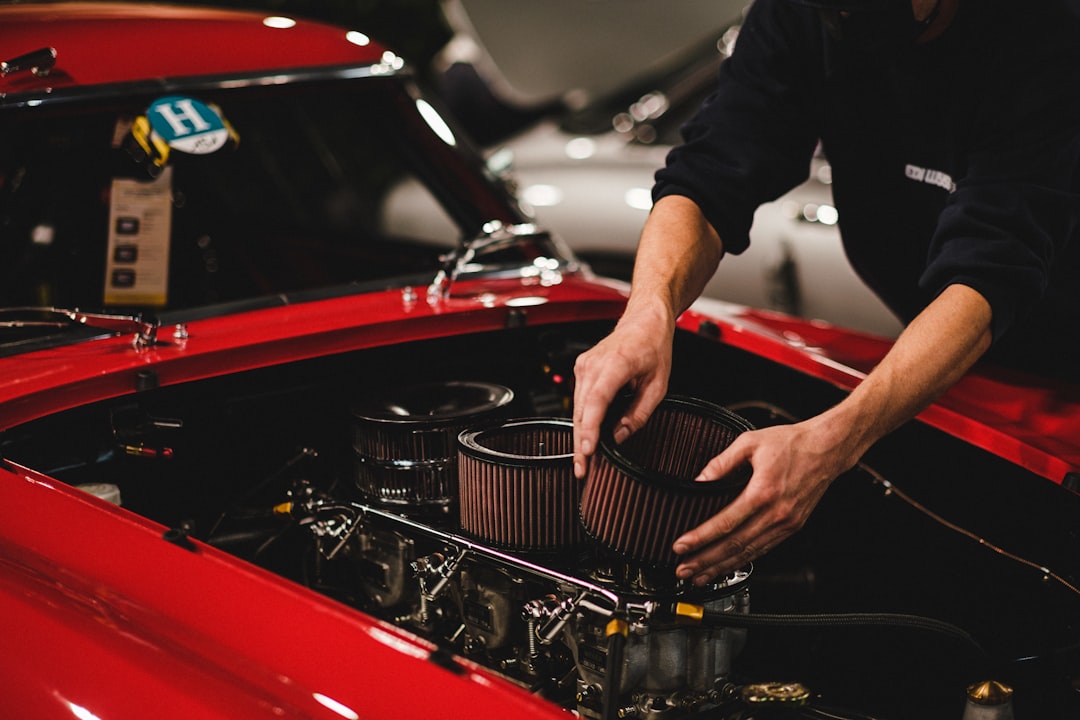
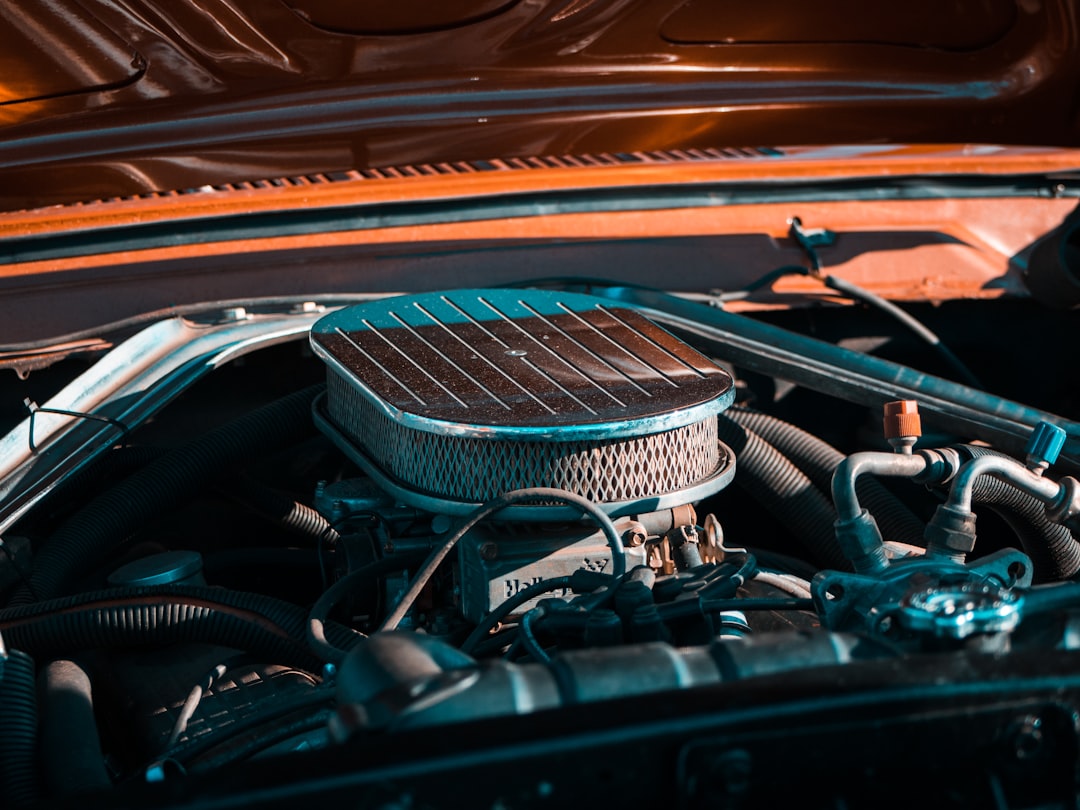
- Engine Air Filter: Pop the hood, locate the airbox (usually a black plastic box connected to a large hose), unclip it, pull out the old filter, insert the new one. No tools required in most modern vehicles. A clogged filter can reduce fuel efficiency by up to 10% — so this one literally pays for itself.
- Cabin Air Filter: Often overlooked, the cabin filter cleans the air you breathe inside the car. It’s usually behind the glove box or under the dashboard. Replacement costs about $15–$25 in parts and takes under 10 minutes. HEPA-style cabin filters are now widely available for allergy sufferers.
- Engine Oil & Oil Filter: This is the big one for beginners and requires a few tools: a drain pan, an oil filter wrench, and the correct oil spec for your vehicle. The process involves draining old oil, swapping the filter, and refilling. Critical tip: always check your owner’s manual for the exact oil viscosity (e.g., 0W-20, 5W-30) — using the wrong grade in a modern engine is a real problem.
- Spark Plugs: On most 4-cylinder engines, this is still very DIY-accessible. Modern iridium plugs last 60,000–100,000 miles, so you may only do this once or twice in a car’s life. You’ll need a spark plug socket and a torque wrench. The torque spec matters — overtightening can crack the cylinder head.
- Battery Replacement: Batteries typically last 3–5 years. Replacement is straightforward — disconnect negative first, then positive, swap, reconnect positive first, then negative. One 2026 caveat: many newer vehicles with advanced electronics require a battery registration procedure via OBD-II scanner after replacement to recalibrate the charging system. Worth researching your specific model.
Real-World Examples: How People Are Doing It
In South Korea, a growing “car self-care” (자동차 셀프 관리) movement has gained serious traction, with dedicated self-service bays at major car wash chains like Kixx and SK Lubricants stations offering lift access and oil disposal bins for DIYers. It’s a smart infrastructure model that removes one of the biggest barriers: what do you do with old oil?
In the United States, AutoZone’s “Loan-A-Tool” program — now expanded in 2026 to include torque wrenches, oil filter pliers, and even OBD-II scanners — lets customers borrow professional tools for free with a refundable deposit. This essentially eliminates the upfront tool investment that scares many beginners away.
In Germany, where TÜV inspections keep vehicle standards high, a 2025–2026 trend shows increasing numbers of younger drivers using YouTube tutorial channels combined with vehicle-specific apps (like CARLY or OBD Fusion) to handle basic maintenance themselves — while leaving emissions-related or sensor-heavy work to certified shops. That balance is smart.
The Honest Risk Assessment: What NOT to DIY (Usually)
Look, I want to be realistic with you here. Some jobs sit outside the beginner zone — and pushing into them without proper knowledge creates safety risks, not just mechanical ones.
- Brake pad replacement: Doable by intermediate DIYers, but brake systems are safety-critical. If you haven’t done it before, at minimum watch multiple tutorials specific to your exact vehicle model before attempting.
- Timing belt/chain service: This requires engine disassembly knowledge and precise alignment. A mistake here can destroy an engine. Unless you have solid mechanical experience, leave this one to a professional.
- Airbag or SRS system work: Never. The capacitors in airbag systems can discharge even with the battery disconnected. This is strictly professional territory.
- Transmission fluid (some vehicles): On older vehicles, fairly straightforward. On many modern CVTs and dual-clutch transmissions, the fluid spec, procedure, and fill level are extremely precise. Get this wrong and you can damage a $4,000+ transmission.
Getting Started: Your Practical First Step
If you’ve never done DIY car maintenance before, here’s the honest, low-pressure path in: start with your wiper blades or cabin air filter this weekend. They cost almost nothing, require zero tools, carry zero mechanical risk, and give you the confidence to move forward. Pull up a YouTube video specific to your car’s make, model, and year — the specificity matters enormously because procedures vary widely.
From there, work your way up to an air filter, then consider tackling an oil change once you’ve watched 2–3 complete walkthroughs and understand exactly what tools and oil spec your car needs. The knowledge compounds quickly.
Realistic Alternatives for Those Who Don’t Want Full DIY
Not everyone wants to get their hands dirty — and that’s completely valid. If full DIY isn’t your thing but you still want to reduce costs, consider these middle-ground options:
- Independent shops over dealerships: For most routine maintenance in 2026, a reputable independent shop charges 30–50% less than a dealership with comparable quality.
- Warehouse club service centers: Costco’s tire and battery centers, for example, offer highly competitive pricing with strong warranties.
- Membership-based maintenance services: Subscription models (like Jiffy Lube’s loyalty programs) can make sense if you’re driving high mileage and need frequent oil changes.
- Semi-DIY: Buy the parts yourself online (significantly cheaper than shop markups) and pay a local mechanic only for the labor. Many independent mechanics are open to this arrangement.
Editor’s Comment : The real value of learning DIY car maintenance in 2026 isn’t just the money you save — it’s the relationship you build with your vehicle. When you understand what’s under the hood, you stop being surprised by repair bills and start catching small problems before they become expensive ones. That peace of mind? Genuinely priceless. Start small, stay curious, and don’t be afraid to look things up — that’s not a shortcut, that’s just how good mechanics work too.
📚 관련된 다른 글도 읽어 보세요
- 자동차 타이어 수명 연장하는 핵심 관리 방법 총정리 (2026년 최신)
- 2026년 자동차 타이어 브랜드별 성능 비교 리뷰 | 미쉐린 vs 한국타이어 vs 브리지스톤, 내 차에 맞는 타이어는?
- Car ECU Tuning in 2026: The Complete Breakdown of Pros, Cons, and Whether It’s Worth It
태그: [‘DIY car maintenance’, ‘self car care tips 2026’, ‘how to replace car consumables’, ‘oil change at home’, ‘engine air filter replacement’, ‘car maintenance cost savings’, ‘beginner car repair guide’]
Leave a Reply