Last spring, a friend of mine replaced all four tires on his SUV — barely two years after buying them. When I asked what happened, he shrugged and said, “They just wore out, I guess.” But here’s the thing: his driving habits, his neglected tire pressure checks, and one bad pothole incident were the real culprits. His tires didn’t just “wear out” — they were quietly being destroyed over months of overlooked maintenance. Sound familiar?
Tires are one of the most expensive recurring costs of car ownership, and yet they’re one of the most neglected components. In 2026, with average mid-range tire sets running between $600–$1,000 for a full replacement, knowing how to extend their lifespan isn’t just smart — it’s genuinely budget-saving. Let’s think through this together, step by step.
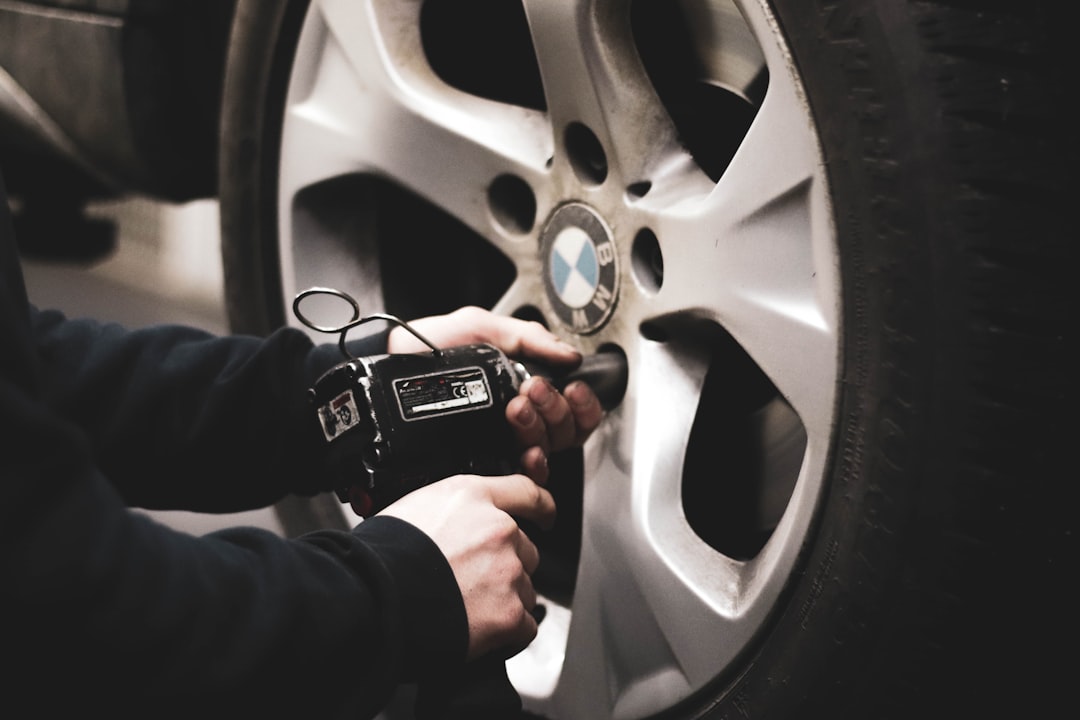
📊 How Long Should Tires Actually Last? (The Data Behind the Lifespan)
The average tire is engineered to last between 40,000 to 75,000 miles, depending on tire type, vehicle class, and driving conditions. According to data from the U.S. Tire Manufacturers Association (USTMA) and comparable studies from Korea’s Korea Transportation Safety Authority (TS), real-world averages tend to fall closer to 45,000–55,000 miles for most passenger vehicles — largely because of improper maintenance habits.
Here’s the breakdown of the top causes of premature tire wear, based on industry research:
- Under-inflation or over-inflation: Responsible for roughly 25–30% of premature tire wear. Even 5–6 PSI off from the recommended level accelerates edge or center wear dramatically.
- Misalignment: Causes uneven tread wear and can reduce tire life by up to 15,000 miles if left unchecked for extended periods.
- Skipping tire rotations: Front tires on FWD vehicles wear up to 2–3x faster than rears without regular rotation.
- Aggressive driving habits: Hard braking, fast cornering, and rapid acceleration can cut tire life by 20–40%.
- UV and ozone exposure: Tires parked in direct sunlight for extended periods degrade chemically, cracking sidewalls even before tread is exhausted.
🔧 The 7 Core Tire Life Extension Strategies (With Real Logic Behind Each)
1. Check Tire Pressure Monthly — And at the Right Time
Most people check tire pressure at the gas station after driving. That’s actually not ideal. Tires heat up during driving, expanding air pressure by 4–6 PSI — giving you a falsely “healthy” reading. Check pressure when tires are cold (after sitting for at least 3 hours). Your recommended PSI is on the door jamb sticker, not the tire sidewall (that’s the maximum, not the target).
2. Rotate Tires Every 5,000–7,500 Miles
Think of this as redistributing the workload. On a front-wheel-drive car, your front tires handle acceleration, steering, and a big chunk of braking — they’ll wear significantly faster. Rotating tires ensures all four wear at a similar pace, stretching your overall tire investment. Many shops include free rotations with tire purchases, so check your paperwork.
3. Get Wheel Alignment Checked Annually (Or After Any Major Impact)
Hit a deep pothole or a curb? Don’t just drive on. Alignment can shift in a single impact. In South Korea, automotive service centers like Bosch Car Service and Kumho Tire’s own service network report that alignment-related premature wear is one of the top three reasons customers return for early replacements — often just 12–18 months after a new set.
4. Inspect Tread Depth Regularly Using the Coin Test
Insert a penny into the tread groove with Lincoln’s head pointing down. If you can see all of Lincoln’s head, your tread is below 2/32″ — legally worn out in most U.S. states and dangerously thin in wet conditions. A quarter gives you an earlier warning at 4/32″. Don’t wait for the wear indicators to flush.
5. Balance Tires When You Feel Vibration
Vibration at highway speeds (typically 60–70 mph) is a classic sign of imbalance. Unbalanced tires create localized wear spots (called “cupping” or “scalloping”) that are irreversible and drastically shorten tire life. Balancing costs roughly $15–$25 per tire and can save you hundreds in early replacement costs.
6. Avoid Overloading Your Vehicle
Every tire has a load rating stamped on its sidewall (e.g., “91” = 1,356 lbs per tire). Consistently exceeding this causes heat buildup inside the tire structure — a leading cause of sidewall failure and internal delamination. If you’re regularly hauling heavy loads, consider tires with a higher load index rating appropriate for your vehicle class.
7. Store Spare and Seasonal Tires Properly
In regions with seasonal tire changes (like Canada, Northern Europe, or South Korea’s mountainous areas where winter tires are common), off-season storage matters enormously. Store tires in a cool, dry place away from direct sunlight and ozone-producing equipment (like electric motors or generators). Vertical stacking or proper tire bags prevent deformation. The German ADAC (Europe’s largest motoring club) recommends storing tires at temperatures between 32°F–68°F (0°C–20°C) for maximum compound longevity.
🌍 Real-World Examples: How Drivers Around the World Extend Tire Life
In Japan, where vehicle inspection standards (known as “Shaken”) are rigorous, drivers typically maintain tires far longer than the global average — often reaching 60,000+ miles — because alignment, pressure, and rotation checks are built into mandatory biennial inspections. The system essentially forces good habits.
In contrast, a 2025 consumer survey by Continental Tires in the U.S. found that only 19% of American drivers check their tire pressure monthly, and fewer than 30% know their vehicle’s recommended PSI without looking it up. The result? Average real-world tire lifespan in the U.S. is consistently 10,000–15,000 miles below manufacturer projections.
Meanwhile, fleet operators in South Korea’s logistics industry — companies managing hundreds of delivery vans — have adopted TPMS (Tire Pressure Monitoring System) dashboards integrated with fleet management software. Their data consistently shows a 20–25% reduction in tire replacement frequency compared to fleets without active monitoring. The lesson for personal drivers? Even basic TPMS awareness (don’t ignore that warning light!) replicates some of these benefits.
💡 Realistic Alternatives: When Full Maintenance Isn’t Feasible
Let’s be honest — not everyone has the time or budget for every maintenance step on the ideal schedule. Here’s how to prioritize if you need to triage:
- If you can only do one thing: Keep tire pressure correct. It’s free, takes 5 minutes, and has the single biggest impact on both wear and fuel economy.
- If you drive mostly highway miles: Rotation matters less urgently (wear is more even), but alignment checks after long road trips are especially worthwhile.
- If you have an older vehicle without TPMS: Invest in an inexpensive handheld digital tire gauge ($10–$15) and check monthly — analog gauges at gas stations can be inaccurate.
- If budget is tight: Look for tire shops offering free rotation with purchase, and combine alignment checks with oil change visits to save on labor time.
- If you’re buying new tires soon: Choose tires with higher treadwear ratings (UTQG treadwear 500+ vs. 300) — the upfront cost is often offset by significantly longer lifespan.
The bottom line is that tire longevity isn’t a mystery — it’s a direct reflection of how consistently you apply a handful of low-effort habits. Your tires are the only four contact points between your car and the road. Treating them with a little regular attention isn’t just about saving money; it’s genuinely about safety.
Editor’s Comment : I’ve seen so many people spend $800+ on premium tires and then essentially throw half that money away by never rotating or checking pressure. The most expensive tire isn’t necessarily the one with the highest price tag — it’s the one you have to replace too soon. Start with just the pressure check this week. Seriously, just that one habit can make a measurable difference by the end of the year.
📚 관련된 다른 글도 읽어 보세요
- 2026년 전기차 vs 내연기관 유지비 비교 분석 — 진짜 아끼는 차는 어떤 차일까?
- When & How to Change Your Car’s Coolant (Antifreeze): The 2026 DIY Guide You Actually Need
- 2026 SUV New Car Rankings: The Best Models You Should Actually Consider Buying Right Now
태그: [‘tire maintenance tips’, ‘how to extend tire life’, ‘tire pressure guide’, ‘wheel alignment and tire wear’, ‘tire rotation schedule’, ‘car tire care 2026’, ‘save money on tires’]
Leave a Reply