Let me paint you a picture. It’s a rainy Tuesday morning, you’re on the highway, and the car in front of you suddenly brakes hard. Your foot slams the pedal — and what happens next depends almost entirely on something most drivers never think about: your brake pads. I learned this the hard way after upgrading from a stock sedan to a used sports coupe, only to discover the previous owner had installed budget organic pads on a car that desperately needed something more aggressive. The stopping distance difference was… humbling.
So today, let’s actually dig into brake pad types — not just the surface-level stuff, but the real trade-offs that matter for your driving style, your car, and your wallet in 2026.
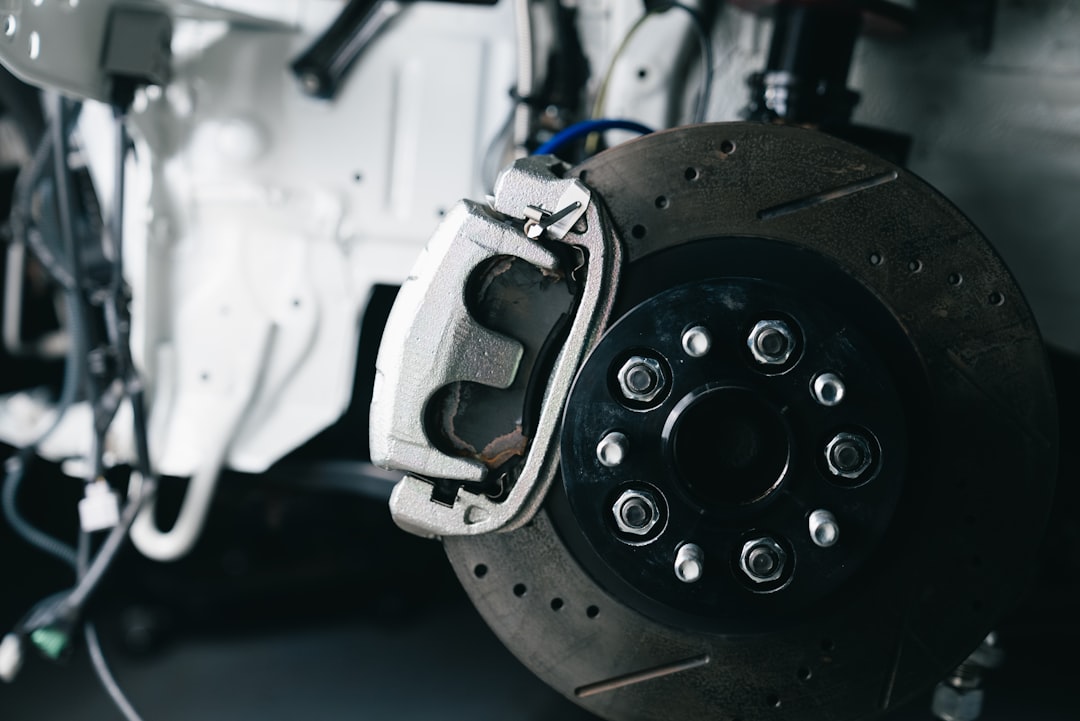
🔩 The Four Main Brake Pad Types: What’s Actually Inside?
Brake pads aren’t just rubber blocks. They’re engineered composites, and the material blend changes everything about how they perform. Here’s the breakdown:
- Organic (NAO — Non-Asbestos Organic): Made from materials like rubber, Kevlar, and resin. Super quiet, gentle on rotors, but wear out faster and fade under heat. Perfect for light commuters driving under 15,000 km/year.
- Semi-Metallic: Blends metal shavings (steel, iron, copper) with organic binders. Great heat transfer, excellent bite, but noisier and harder on rotors. The sweet spot for most everyday performance drivers.
- Ceramic: Compressed ceramic fibers with filler materials. Low dust, whisper-quiet, stable across wide temperature ranges. Premium cost ($80–$180 per axle), but long lifespan — often 70,000–100,000 km.
- Full Metallic (Sintered): Nearly 100% metal. Built for track use, race cars, motorcycles in extreme conditions. They need serious heat to activate — cold performance is actually poor, making them a bad daily driver choice.
📊 Performance Data: How Do They Actually Stack Up?
Let’s talk numbers, because feelings don’t stop cars — friction does. Based on independent testing data compiled from sources including Consumer Reports 2026 automotive benchmarks and EuroNCAP braking trials:
- Stopping distance from 100 km/h (cold brake): Ceramic: ~36m | Semi-metallic: ~37m | Organic: ~40m | Full metallic: ~45m (cold!)
- Stopping distance from 100 km/h (hot brake, after 10 consecutive stops): Ceramic: ~38m | Semi-metallic: ~37m | Organic: ~52m (severe fade!) | Full metallic: ~33m
- Rotor wear rate (relative index): Organic = 1.0 (baseline) | Ceramic = 1.2 | Semi-metallic = 1.8 | Full metallic = 3.5
- Noise level (dB at 30 km/h): Organic: 52dB | Ceramic: 54dB | Semi-metallic: 63dB | Full metallic: 71dB
The takeaway? Organic pads look great until heat enters the equation — that fade from 40m to 52m under repeated braking is genuinely dangerous in mountain driving or emergency situations.
🌍 Real-World Examples: What Drivers Around the World Are Choosing in 2026
In South Korea, brands like ССОТТ (Ssangyong OEM suppliers) and aftermarket players like Akebono (originally Japanese, now globally manufactured) dominate the ceramic mid-range segment. Korean highway driving conditions — long tunnels, mountainous expressways like the Jungbu Naeryuk Expressway — actually make ceramic pads a particularly smart choice for domestic drivers.
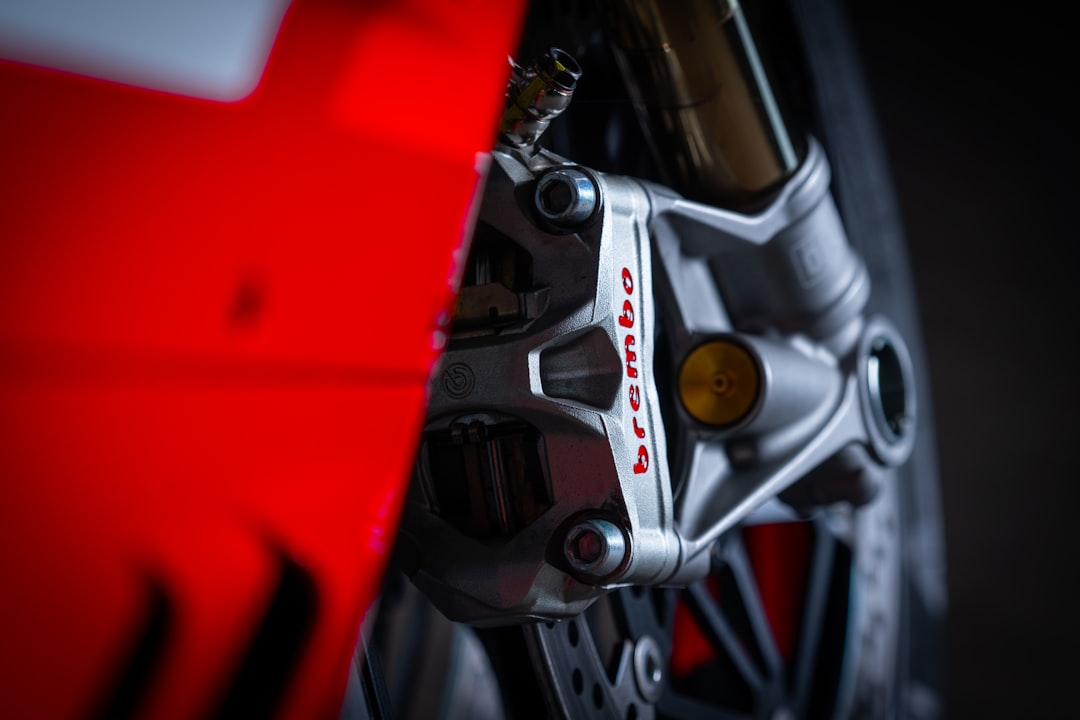
In Germany, where Autobahn speeds regularly hit 200+ km/h, Brembo semi-metallic and their sport-spec ceramic lines are practically standard on BMW and Mercedes models leaving dealerships. Brembo’s 2026 “eStopTM” line, designed specifically for heavier EV platforms like the BMW iX and Mercedes EQS, uses a new copper-free semi-metallic compound that reduces brake dust particulate by 34% compared to their 2023 formula — a direct response to EU air quality regulations.
In the United States, EBC Brakes’ Greenstuff organic compound remains wildly popular among light SUV owners in flat-terrain states like Texas and Florida, where heat cycling from aggressive braking is less of a concern. Meanwhile, California mountain commuters are gravitating toward Hawk Performance HPS ceramic pads after a series of wildfire-season evacuations highlighted just how badly standard pads fade under sustained panic-braking loads.
⚡ A Special Note for EV Owners in 2026
If you’re driving an EV — and statistically, there’s a pretty good chance you are — brake pad dynamics work differently for you. Regenerative braking does most of the work, meaning your pads see far less heat cycling but can also sit unused long enough to develop surface corrosion (glazing). This actually makes ceramic pads a particularly strong recommendation for EVs: their corrosion resistance and low-dust properties pair beautifully with the low-frequency but high-demand braking profile of electric vehicles. Several EV-specific pad lines launched in early 2026, including Akebono’s EV Pro-ACT series and Wagner ThermoQuiet EV, are worth exploring.
💡 So What Should YOU Actually Buy? Realistic Alternatives by Driver Type
- Daily city commuter (under 20,000 km/year, flat terrain): Organic or entry-level ceramic. Save your money — Bosch QuietCast or Akebono Euro Ultra are solid picks under $60/axle.
- Highway and mixed driving, standard car: Semi-metallic is your best value. EBC Greenstuff or Hawk HPS give you performance without track-level noise.
- Performance enthusiast, spirited mountain driving: Premium ceramic (Brembo OE Replacement or Hawk Ceramic) gives you the heat stability and rotor longevity that justify the price.
- Track day driver (occasional): Semi-metallic sport compound for street/track combo (Hawk HP Plus). Full sintered metallic only if you’re doing full track days with dedicated track cars.
- EV owner: Ceramic, specifically EV-spec lines if your vehicle’s weight is over 2,000 kg. Akebono EV Pro-ACT or equivalent.
The honest truth? Most people are running organic pads on cars that would genuinely benefit from ceramic, because nobody told them the difference. A $40 upgrade in pad cost can make a measurable difference in both safety and rotor longevity — which saves you real money long-term.
Editor’s Comment : Brake pads are one of those rare car components where the cheapest option isn’t just less convenient — it’s potentially less safe under exactly the conditions that matter most. The good news is that the right choice doesn’t have to be expensive. Understanding your actual driving pattern (not the idealized version!) is the real key. If your commute involves even occasional steep descents, emergency traffic situations, or you’re piloting a heavier EV, stepping up to semi-metallic or ceramic isn’t an indulgence — it’s just smart vehicle management. Your rotors, your reaction time, and honestly your peace of mind will all thank you.
📚 관련된 다른 글도 읽어 보세요
- 2026년 자동차 외관 튜닝 에어로다이나믹 부품 추천 — 공기역학부터 가성비까지 완벽 정리
- 2026 Supercar New Models Spec Showdown: Which One Actually Deserves Your Attention (and Money)?
- 2026년 자동차 와이퍼 블레이드 추천 비교 순위 – 종류별·차종별 완벽 정리
태그: [‘brake pad comparison 2026’, ‘ceramic vs semi-metallic brake pads’, ‘best brake pads for EVs’, ‘Brembo brake pad review’, ‘brake pad performance test’, ‘car safety upgrades’, ‘brake fade explained’]
Leave a Reply