A buddy of mine — let’s call him Jake — bought his first car about eight months ago. Nothing fancy, just a used 2022 Honda Civic. Within three weeks, he’d already fallen down the rabbit hole of YouTube tutorials, Reddit threads, and online parts stores. He called me at 11 PM on a Tuesday, completely overwhelmed: “I want to tune my car but I don’t even know what ‘tuning’ actually means. Where do I start without blowing my engine or my wallet?”
That call inspired me to finally write this guide. Because Jake isn’t alone — in 2026, car tuning is more accessible than ever, yet somehow more confusing than ever at the same time. The global aftermarket automotive industry hit a valuation of $521 billion USD in 2025 and is projected to climb past $600 billion by 2028 (Grand View Research, 2026 update). More people are modifying their cars than at any point in automotive history. So let’s break this down together, step by step, without the gatekeeping.
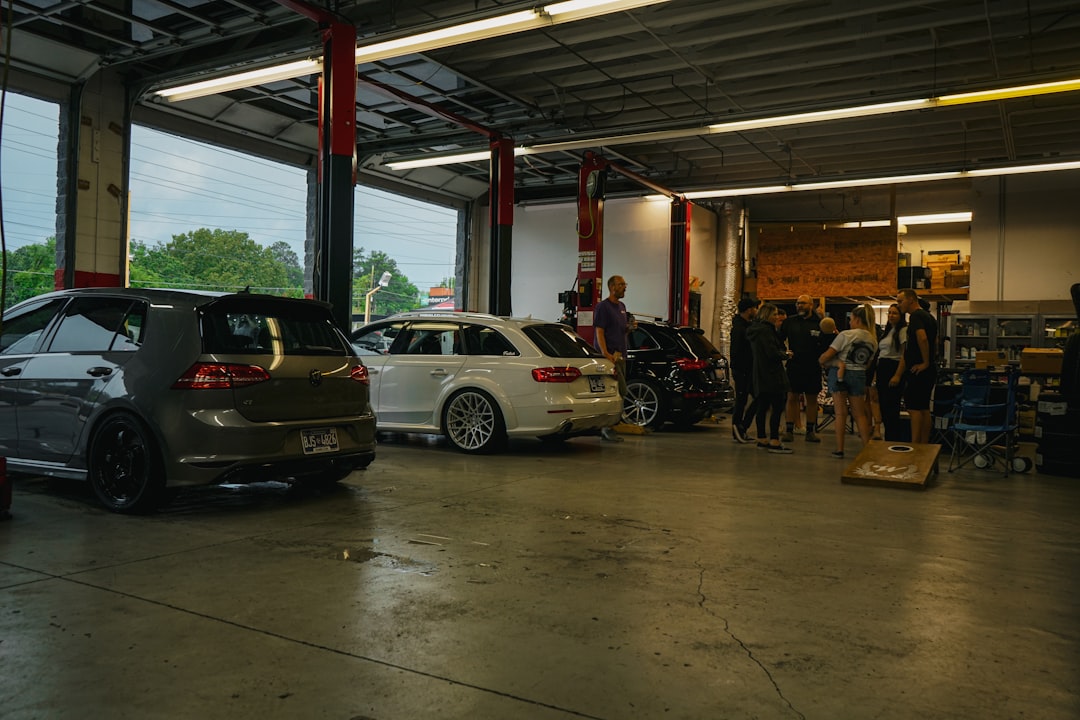
What Does “Tuning” Actually Mean? Let’s Clear the Air
Here’s the thing — “tuning” is an umbrella term that gets thrown around loosely. In the broadest sense, tuning means modifying your car from its factory (OEM) configuration to improve performance, aesthetics, handling, or all three. There are roughly four main categories every beginner should understand:
- Performance Tuning: Increasing engine output, improving throttle response, upgrading intake/exhaust systems. Think ECU remapping, cold air intakes, turbo upgrades.
- Suspension & Handling Tuning: Lowering springs, coilovers, anti-roll bars, wheel alignment adjustments. This is about how the car feels through corners.
- Aesthetic / Visual Tuning: Body kits, spoilers, custom wheels, window tinting, vinyl wraps. Often the entry point for newcomers.
- Audio & Interior Tuning: Upgraded head units, subwoofers, custom seats, steering wheel swaps. Comfort and sensory experience.
Most beginners start with aesthetics and audio — that’s completely fine. The key is knowing that each category has its own learning curve, legal considerations, and cost structure.
Setting a Budget: The Real Numbers Beginners Need to Know
Let’s get brutally honest about money, because this is where most new tuners get blindsided. Here’s a rough 2026 cost breakdown by modification tier:
- Beginner Tier ($200–$800): Aftermarket air filter (K&N, AEM), wheel spacers, basic coilover springs, interior LED lighting, window tint, short shifter kits.
- Intermediate Tier ($800–$3,500): Cat-back exhaust systems (MagnaFlow, Borla, HKS), full coilover kits (BC Racing, KW Suspension), upgraded brake pads and rotors, piggyback ECU tuners.
- Advanced Tier ($3,500–$15,000+): Full ECU remapping, turbo kit installation, forged internals, wide-body kits, custom suspension geometry setups.
A 2026 survey by SEMA Market Research (Specialty Equipment Market Association) found that the average first-year tuner in North America spends approximately $1,200–$1,800 on modifications. In South Korea’s thriving import tuning scene (which we’ll get to shortly), the average starter build budget sits around ₩1.5–2.5 million KRW, or roughly $1,100–$1,850 USD.
The Three Golden Rules of Beginner Tuning
After over a decade watching builds go right and catastrophically wrong, I’ve distilled the wisdom into three rules I wish someone had told me on day one:
- Rule #1 — Chassis First, Power Second: It’s tempting to chase horsepower immediately. Resist the urge. Before adding power, make sure your brakes, suspension, and tires can actually handle it. A car that stops well and corners confidently is faster in real-world driving than one that’s just fast in a straight line.
- Rule #2 — Research Your Platform Specifically: Modifications that work beautifully on a Subaru WRX may be completely incompatible with a Toyota GR86. Join model-specific forums (R32OC.com for Nissan Skylines, ClubWRX.net for Subarus, etc.) before purchasing anything.
- Rule #3 — Know Your Local Laws: In 2026, emissions and safety regulations have gotten stricter in many regions. California’s CARB (California Air Resources Board) regulations, for instance, require CARB Executive Order (EO) numbers on performance parts for street-legal use. In the EU, the Euro 7 standards introduced in 2025 affect what exhaust modifications are permissible. Always verify legality before buying.
Global Case Studies: How Tuners Around the World Get Started
One of the coolest things about the tuning world in 2026 is how globally connected it is. Let’s look at how beginners approach this in different markets:
Japan (JDM Scene): Japanese tuning culture remains the gold standard. Beginner tuners in Japan typically start with kei cars (Honda N-Box, Daihatsu Copen) due to affordability, then graduate to platforms like the Toyota GR86 or Honda Civic Type R. The legendary Tokyo Auto Salon 2026 (held in January at Makuhari Messe) showcased over 400 exhibitors, with a dedicated “First Build” section for rookie builders — a massive cultural acknowledgment that beginner tuning deserves respect, not ridicule.
South Korea: Korea’s tuning scene has exploded since 2023. Companies like Kaizen Motorworks and GP Speed in Seoul cater specifically to Hyundai Elantra N and Kia Stinger owners. Korean tuning regulations were relaxed slightly under the 2024 Motor Vehicle Management Act amendments, making suspension and wheel modifications easier to register legally.
United States: The SEMA Show (Las Vegas, November 2025) reported record attendance and exhibitor numbers. American beginner tuners tend to gravitate toward the Ford Mustang, Chevrolet Camaro, or Dodge Challenger platforms — partly due to massive aftermarket support. Websites like ModifYMyRide.com and the long-running Grassroots Motorsports magazine remain trusted community resources.
Europe: German tuning houses like ABT Sportsline and Brabus set the premium end, but the real beginner culture thrives in the VAG (Volkswagen Audi Group) community. Platforms like the Golf GTI and Audi A3 have enormous aftermarket ecosystems. The Worthersee Tour in Austria — the world’s largest VW gathering — attracts 100,000+ enthusiasts annually and is a goldmine of inspiration for newcomers.
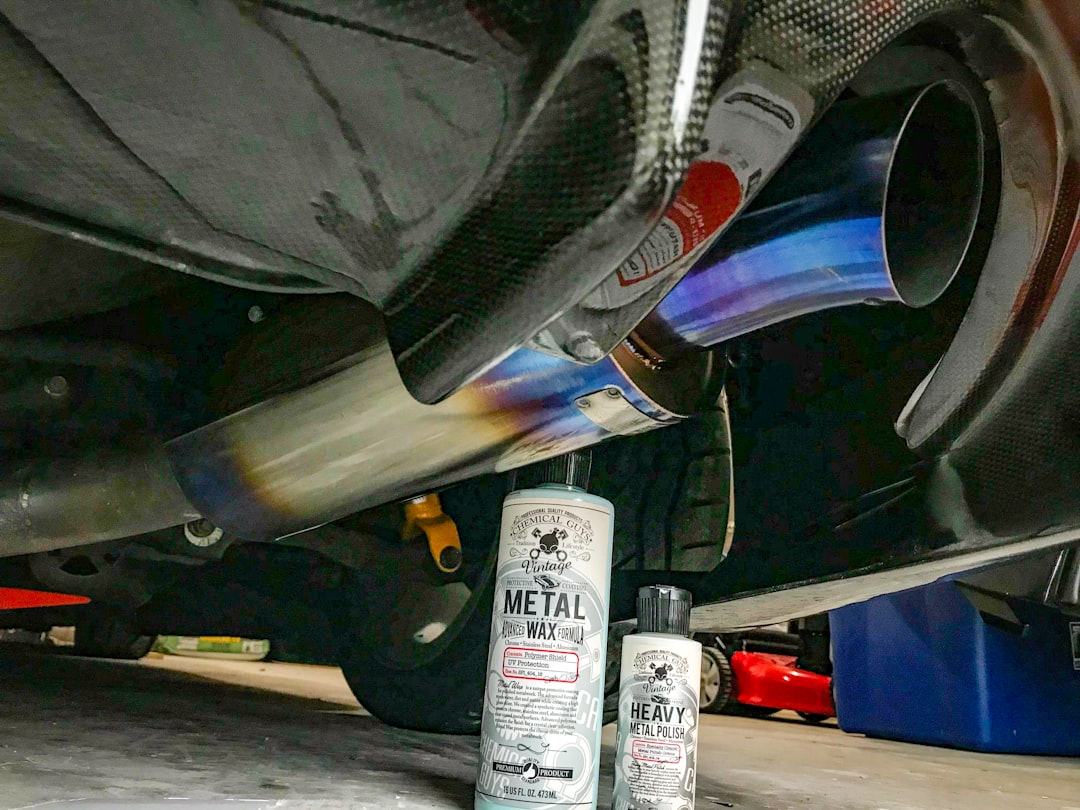
Your First Modification: What Should It Be?
If you’re asking me to pick one first modification for a complete beginner, I’d say: a quality set of wheels and tires. Here’s why — tires are the single biggest impact-per-dollar modification you can make. Upgrading from stock all-season tires to a performance summer tire (Michelin Pilot Sport 5, Continental SportContact 7) will transform how your car drives more dramatically than almost any other change at the same price point.
After tires, I’d suggest a cold air intake or drop-in performance air filter as your next step. Brands like K&N, AEM, and Injen offer well-researched options for most popular platforms. You’ll gain 5–15 horsepower depending on your engine, improve throttle response noticeably, and most importantly — learn how to install something yourself, which builds confidence and mechanical intuition.
Tools You’ll Actually Need (Minimal Starter Kit)
- Quality socket set (3/8″ and 1/2″ drive, metric and SAE)
- Torque wrench — non-negotiable. Over-torquing bolts is the #1 beginner mistake.
- OBD-II scanner (Bluetooth models like the FIXD or BlueDriver work great in 2026)
- Jack stands (never work under a car supported only by a floor jack)
- Penetrating oil (PB Blaster or WD-40 Specialist for stubborn bolts)
- A smartphone mount and your YouTube account — because tutorial videos are genuinely life-saving
Common Beginner Mistakes (And How to Dodge Them)
- Buying cheap, unbranded parts: eBay specials on suspension components can be genuinely dangerous. Stick to reputable brands with warranty support.
- Skipping alignment after suspension changes: Every time you touch your suspension, get a four-wheel alignment. Period.
- Ignoring your check engine light: Don’t mask it with a tune. Diagnose it first.
- Modifying before understanding your stock setup: Drive your car completely stock for at least 6 months. Know its baseline before you start changing it.
- Not accounting for insurance implications: In 2026, many insurance providers actively ask about aftermarket modifications. Undisclosed mods can void claims.
Resources Worth Bookmarking Right Now
- SEMA.org — industry news, legal updates, and trade resources
- Grassrootsmotorsports.com — practical, budget-conscious build advice
- Nasioc.com — legendary Subaru community with decades of archived knowledge
- R3vlimited.com — for BMW E30/E36 fans, incredible depth of knowledge
- YouTube channels: Gears and Gasoline, Engineering Explained, Mighty Car Mods (Australian, brilliant for beginners)
The tuning world can feel intimidating — there’s always someone with a more built car, more experience, or a bigger budget. But every single one of them started exactly where you are right now: curious, a little overwhelmed, and excited about what their car could become. The community, at its best, is genuinely welcoming to people who show up with enthusiasm and a willingness to learn.
Start small. Be intentional. Document your build (even just with your phone camera). And remember — the goal isn’t to have the fastest car in the parking lot. It’s to build a car that genuinely reflects you, and to understand every nut and bolt along the way.
Editor’s Comment : If budget is tight in 2026 and full modifications feel out of reach, don’t overlook cosmetic and functional micro-upgrades — a quality wheel and tire combo, a short shifter, or even a proper detailing and ceramic coating job can transform how connected you feel to your car without touching the drivetrain. Sometimes the best “tune” is simply making your existing car feel intentional and cared for. Build your knowledge base now; the mechanical confidence will follow naturally. And when Jake finally installs his first K&N intake next month, I’ll be right there in his driveway with a torque wrench. That’s what this community is really about.
📚 관련된 다른 글도 읽어 보세요
- 2026 Compact vs. Mid-Size Car: A Brutally Honest Annual Ownership Cost Breakdown
- Car Air Filter Replacement: The DIY Guide That Could Save You $200+ in 2026
- 2026 하이브리드 신차 연비 성능 실측 테스트 | 카탈로그 수치 vs 실제 도로 결과 비교
태그: car tuning for beginners, aftermarket modifications 2026, automotive tuning guide, beginner car mods, performance parts, JDM tuning culture, SEMA aftermarket
Leave a Reply