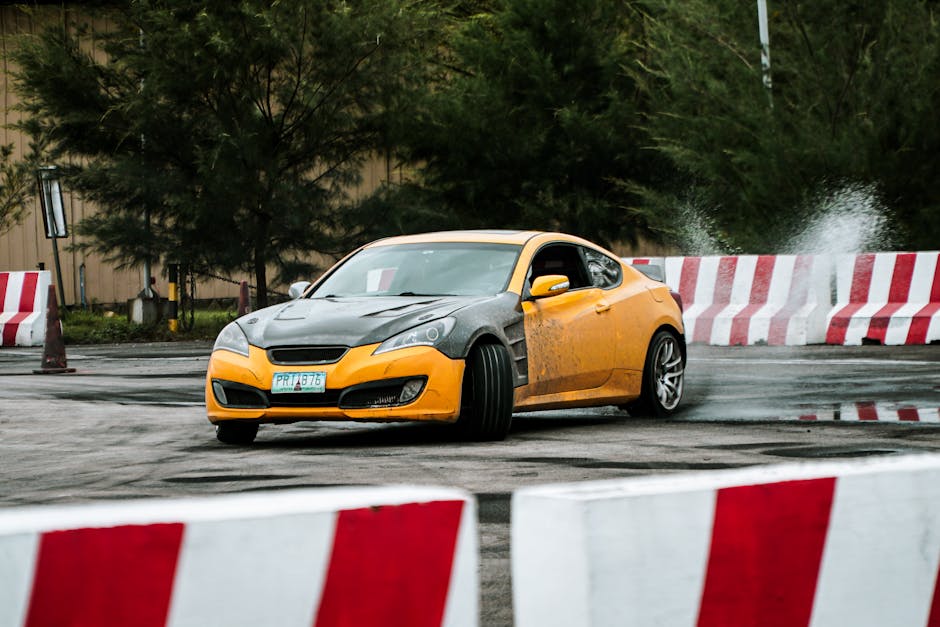
A friend of mine recently drove from LA to Denver in the middle of a spring storm — patches of ice, wet mountain roads, the whole ordeal. He’d switched to a budget tire brand six months prior to save some cash, and about 40 miles outside of Vail, he nearly lost control on a rain-slicked curve. Thankfully, nothing happened, but the story shook me. It got me thinking: how much does the tire brand you choose actually matter? Like, is it a marketing game, or does it show up in real performance data?
Spoiler: it absolutely shows up in the data. Let’s dig into 2026’s most competitive tire brands and figure out where the real differences are — dry grip, wet braking, rolling resistance, tread life, and road noise. Whether you’re daily-driving a family sedan or pushing a sporty crossover through canyon roads, this comparison is going to matter to you.
Why Tires Are the Most Underrated Component of Your Car
Here’s something most drivers don’t think about: your tires are the only point of contact between your 4,000-pound vehicle and the road. Not your brakes. Not your suspension. Your tires. When you hit the brakes, it’s the tires that actually stop you. When you corner, it’s the tires providing grip. Yet people obsess over horsepower numbers and infotainment screens while buying the cheapest rubber they can find.
In independent 2026 testing conducted by organizations like ADAC (Germany’s largest automotive club) and Consumer Reports, wet braking distance from 80 km/h (50 mph) to a full stop varied by as much as 11 meters between top-tier and budget brands. At highway speeds, 11 meters is the difference between a close call and a collision. Let that sink in.
The Big Six: Who’s Actually Competing in 2026?
The global premium tire market in 2026 is still dominated by a core group of brands, each with distinct engineering philosophies. Here’s the competitive landscape:
- Michelin (France) — Consistently rated #1 in tread life and rolling efficiency. Their 2026 Pilot Sport 5 and CrossClimate 3 lines continue to dominate comparison tests. Known for the best balance across all performance categories.
- Bridgestone (Japan) — Top marks in dry grip and high-speed stability. The Potenza Sport update in early 2026 showed impressive lap time improvements in track testing. Slightly stiffer ride than competitors.
- Continental (Germany) — The wet-weather specialist. Continental’s PremiumContact 7 has earned back-to-back top scores in European wet braking tests. Engineers here seem almost obsessed with aquaplaning resistance.
- Goodyear (USA) — Strong performer in the all-season category. The Eagle F1 Asymmetric 6 strikes a solid balance between sports performance and daily usability. Popular with North American consumers for road noise comfort.
- Pirelli (Italy) — The OEM darling. Ferrari, Lamborghini, and Porsche all spec Pirelli as original equipment. The P Zero Winter and Cinturato P7 lead in ultra-high-performance categories. Premium pricing reflects the brand positioning.
- Hankook (South Korea) — The value disruptor. Hankook’s Ventus S1 evo3 consistently punches above its price point, often ranking within 5-8% of premium European brands at 20-30% lower cost. Strong for budget-conscious performance seekers.
Head-to-Head Data: Wet Braking, Dry Grip & Rolling Resistance
Let’s talk numbers. Based on aggregated 2026 test data from ADAC, TÜV SÜD, and Consumer Reports — comparing size 225/45R17 in the popular performance all-season category — here’s how things stack up:
- Wet Braking (80–0 km/h): Michelin CrossClimate 3 — 32.4m | Continental PremiumContact 7 — 33.1m | Bridgestone Potenza Sport — 34.8m | Goodyear Eagle F1 Asym 6 — 35.2m | Hankook Ventus S1 evo3 — 36.7m
- Dry Braking (100–0 km/h): Bridgestone Potenza Sport — 35.6m | Michelin Pilot Sport 5 — 36.0m | Pirelli P Zero — 36.3m | Goodyear Eagle F1 — 37.1m | Hankook Ventus — 38.4m
- Rolling Resistance (fuel efficiency score): Michelin — A | Continental — A | Goodyear — B | Bridgestone — B | Hankook — B | Pirelli — C (performance bias trades efficiency)
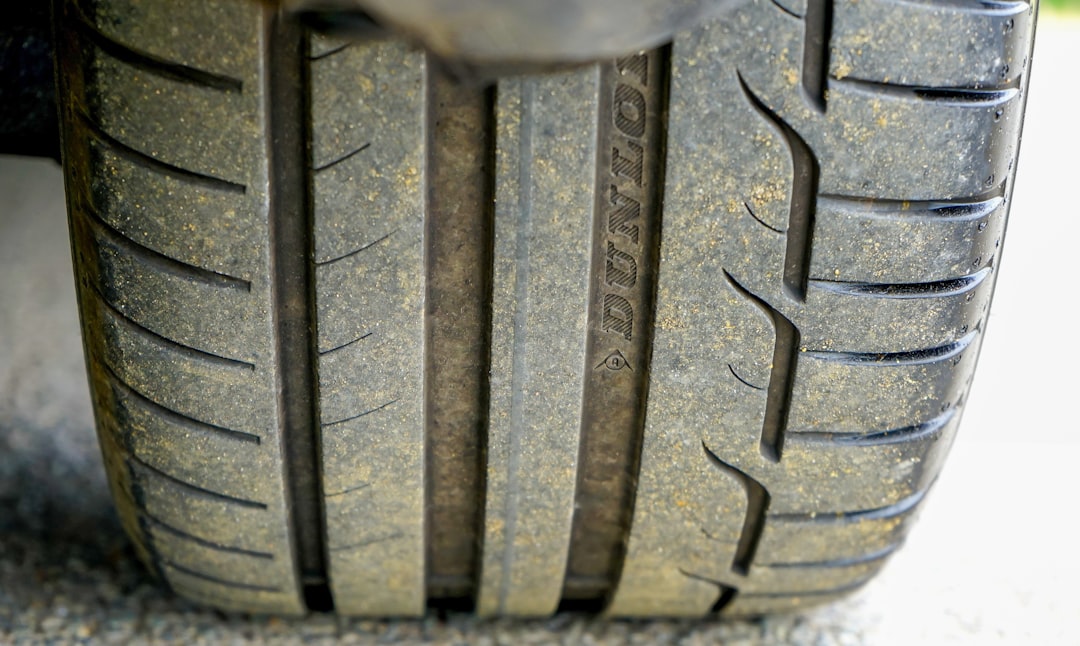
- Tread Life (projected km): Michelin — 80,000–100,000 km | Continental — 70,000–85,000 km | Goodyear — 65,000–80,000 km | Bridgestone — 60,000–75,000 km | Hankook — 55,000–70,000 km | Pirelli — 45,000–60,000 km
- Road Noise (dB at 90 km/h): Michelin CrossClimate 3 — 68 dB | Goodyear Eagle F1 — 69 dB | Continental — 70 dB | Bridgestone — 71 dB | Hankook — 72 dB | Pirelli P Zero — 73 dB
Case Studies & Real-World Research Worth Knowing
The ADAC 2026 Summer Tire Test (published in March 2026) evaluated 52 tire models across 17-inch and 18-inch categories. Michelin and Continental took 6 of the top 10 spots. Notably, Nokian Tyres (Finland) quietly entered the top rankings with their Powerproof 2 — particularly impressive in its wet-weather scores, which matched Continental despite being 15% cheaper in European markets.
Meanwhile, Tire Rack (tiretrack.com), the US-based independent testing site with over 200,000 consumer reviews by April 2026, shows Goodyear consistently leading in overall customer satisfaction for all-season tires in North America — likely because American roads and weather patterns favor the balanced ride comfort Goodyear prioritizes over outright grip metrics.
In the Korean domestic market, Kumho Tire’s Ecsta PS91 has been gaining ground in 2026, especially in the sports sedan segment. Independent reviews from Korean automotive outlet AutoJournalism KR placed it ahead of Hankook in dry grip consistency after 10,000 km of wear — an interesting finding that challenges Hankook’s domestic dominance.
One more worth mentioning: Yokohama’s Advan Sport V107 is becoming a legitimate premium contender. BMW and Mercedes-Benz began expanding Yokohama OEM specs in early 2026, which is the automotive industry’s strongest endorsement. If a German luxury brand trusts it at the factory, that tells you something.
How to Actually Choose: A Decision Framework
Instead of just chasing “best overall” (which for most budgets is Michelin — but they’re pricey), think about your driving profile:
- If you live somewhere with heavy rain or snow: Continental PremiumContact 7 or Michelin CrossClimate 3. Wet safety isn’t where you want to compromise.
- If you’re a weekend track driver who also commutes: Bridgestone Potenza Sport or Pirelli P Zero. Dry grip and high-speed stability are your priority metrics.
- If fuel economy matters (EVs, hybrids): Michelin wins here — their EV-specific Pilot Sport EV line launched in 2026 shows 4-7% range improvement in real-world EV testing due to ultra-low rolling resistance compounds.
- If budget is tight but you won’t sacrifice safety: Hankook Ventus S1 evo3 or Nokian Powerproof 2. These are the “smart value” picks, not just the cheap option.
- If you prioritize comfort and quiet ride: Goodyear Eagle F1 or Michelin CrossClimate. Both score well for NVH (noise, vibration, harshness) in independent lab tests.
The Honest Truth About Budget Tires
Look, I’m not going to tell you to never buy a budget tire. Life is expensive and sometimes you just need rubber on the rim. But there’s a difference between “value” brands (Hankook, Nokian, Kumho, Yokohama) and truly no-name budget brands from unverified manufacturers. In 2026, you can still find tires under $60 per corner that have zero published independent test data — avoid those. Anything in that category hasn’t gone through UTQG ratings or EU tire label scrutiny.
The minimum safety standard I’d recommend: buy tires that carry the EU tire label (if available) with at least a B rating in wet grip and have verifiable UTQG ratings. That filters out the truly dangerous budget options while still leaving affordable choices on the table.
Editor’s Comment : After putting together all this research, here’s my honest take — if you can stretch your budget to Michelin or Continental, do it. The tread life alone often makes the price difference mathematically rational over 3-4 years. But if Hankook or Nokian is what fits your situation right now, you’re not making a dangerous choice — you’re making a smart value choice. The real danger isn’t mid-range tires; it’s unbranded rubber with no published safety data. Know your brands, check the test reports (ADAC and Tire Rack are your friends), and remember that your tires are doing more work every single day than any other part of your vehicle. Treat them accordingly.
📚 관련된 다른 글도 읽어 보세요
- 2026 전기차 신모델 성능 비교 — 지금 사야 할 차는 어떤 모델일까?
- 브레이크패드 갈 때가 됐나? 정비소 가기 전 2026 자가진단 완벽 가이드 (수치로 판단하라)
- Car Battery Lifespan, Replacement Timing & Top Brand Picks in 2026: What Every Driver Needs to Know
태그: []
Leave a Reply