A friend of mine — let’s call him Dave — recently complained that his 2021 sedan was costing him nearly $6,800 a year just to keep running. Insurance, fuel, tires, oil changes, the occasional mystery warning light… it all adds up faster than you’d expect. The funny thing? When we sat down and actually mapped out his spending, we found he was hemorrhaging money on things that were completely preventable. A few smarter maintenance habits and he trimmed that number down to around $4,100 within twelve months. That’s over $2,600 back in his pocket — basically a vacation fund.
So that’s exactly why we’re here today. Whether you’re driving a daily commuter compact or a family SUV, the principles of annual car cost reduction are the same. Let’s dig into the data, the real-world strategies, and the specific consumable management habits that make the biggest difference in 2026.
Where Does Your Money Actually Go? Breaking Down Annual Vehicle Costs
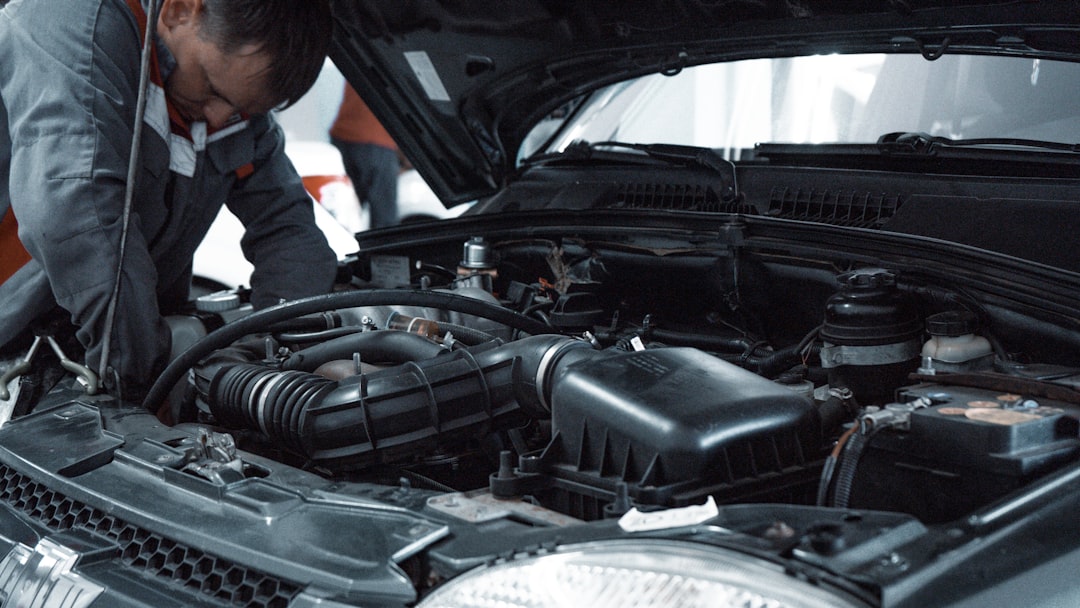
Before we can cut costs, we need to understand where they’re coming from. According to AAA’s 2026 Your Driving Costs study, the average American spends approximately $12,297 per year to own and operate a new medium sedan — but that number includes depreciation and financing. If we strip those out and focus purely on operational and maintenance costs, the breakdown looks roughly like this:
- Fuel / Charging (EV): 28–35% of annual operating costs
- Tires: 12–15% — the most underestimated consumable category
- Engine oil & filter changes: 8–10%
- Brake pads, rotors, and fluid: 9–12%
- Air filters (engine & cabin): 3–5%
- Coolant, transmission fluid, other fluids: 4–6%
- Wiper blades & small accessories: 2–3%
- Unexpected repairs: 15–22% — largely preventable
Notice something? The “unexpected repairs” bucket is enormous — and it’s almost entirely driven by neglected consumables. When you skip an oil change or ignore worn brake pads, you’re not saving $50; you’re setting up a $900 repair six months down the line. This is the core logic behind proactive consumables management.
The Oil Change Myth — And What the Data Actually Says
For decades, the automotive industry standard was a 3,000-mile oil change interval. This figure is now almost entirely obsolete, yet many quick-lube shops still push it aggressively because it’s profitable for them. In 2026, virtually every modern vehicle manufacturer specifies intervals of 7,500 to 10,000 miles for conventional oil and 10,000 to 15,000 miles for full synthetic.
If you drive 15,000 miles per year and follow the old 3,000-mile rule, you’re doing 5 oil changes annually at roughly $60–$80 each — that’s up to $400/year. Switch to a quality full synthetic like Mobil 1 Extended Performance or Castrol EDGE with the correct OEM-specified interval (say, 10,000 miles), and you’re down to 1–2 changes per year at maybe $80–$100 each. That’s $200/year or less. Same engine protection, half the cost.
Pro tip: Always check your owner’s manual for the OEM-specified oil weight and interval. For most modern turbocharged engines (very common in 2026’s market), that’s typically 0W-20 or 5W-30 full synthetic with a 7,500-mile interval minimum.
Tire Management: The $600 Mistake Most Drivers Make
Tires are where I see the most money wasted, full stop. Here are the three biggest culprits:
1. Ignoring tire pressure. Under-inflated tires increase rolling resistance. Studies from the U.S. Department of Energy consistently show that tires under-inflated by just 8 PSI reduce fuel economy by 3–4%. On a $3,000/year fuel budget, that’s $90–$120 walking out the door annually — for nothing. Check pressure monthly. It takes four minutes.
2. Skipping rotation. Front tires wear 30–40% faster than rear tires on front-wheel-drive vehicles due to steering and braking loads. Without rotation every 5,000–7,500 miles, you’ll replace the fronts prematurely while the rears still have life. Rotations cost $20–$30 — a new set of four tires costs $400–$1,200.
3. Buying the wrong tires. In 2026, the all-season performance tire segment has matured enormously. Brands like Michelin CrossClimate 2, Continental AllSeasonContact 2, and Bridgestone Turanza All Season 6 offer 70,000-mile treadwear ratings with competitive wet/dry performance. Compare this to cheaper budget tires rated at 40,000 miles — the cost-per-mile math almost always favors the premium option.
Air Filters: The Easiest DIY Save of the Year
Engine air filters and cabin air filters are among the most over-charged service items at dealerships. A dealership might charge $60–$90 for a cabin air filter replacement that takes four minutes and uses a part you can buy for $12–$18 on Amazon or RockAuto. Engine air filters are similarly straightforward — most involve removing 4–6 clips or screws with no special tools required.
Replacing these yourself once a year (or every 15,000–20,000 miles) keeps your HVAC system running efficiently, maintains proper air-fuel mixture for combustion, and protects your engine from dust ingestion. If you’re not comfortable doing it yourself, at least bring your own filter to an independent shop and pay labor only — usually $10–$15.
Case Studies: Real Savings from Smarter Consumables Management
The UK-based RAC Foundation published a 2025 fleet maintenance report analyzing 12,000 private vehicles over three years. Vehicles that followed proactive consumables schedules (oil, tires, filters, brakes) showed 34% lower unplanned repair costs and 18% better resale values compared to reactive-maintenance counterparts. The savings compounded over time — the longer owners stuck to the schedule, the wider the gap grew.
In South Korea, Hyundai’s aftermarket division released a 2025 customer data study showing that owners who used their “Blue Link” connected car system for maintenance reminders averaged ₩890,000 (~$650 USD) less per year in total maintenance costs compared to owners who did not. The system tracks oil life, tire pressure via TPMS, and filter replacement cycles in real time.
For U.S. drivers, apps like Drivvo, AUT OD (formerly Car Minder), or simply a shared Google Sheet can replicate this effect at zero cost. The technology isn’t magic — it’s just consistent tracking.
Coolant, Brake Fluid, and Transmission Fluid: The Forgotten Consumables
These three are chronically ignored because they don’t have a regular-interval reminder the way oil does. But they matter enormously:
- Coolant (antifreeze): Should be tested every 2 years or 30,000 miles with a simple strip test available at any auto parts store for $5. Degraded coolant causes corrosion inside your cooling system — a new radiator runs $400–$900.
- Brake fluid: Hygroscopic — it absorbs moisture from the air over time, which lowers its boiling point and can cause brake fade. DOT 4 fluid should be flushed every 2–3 years. DIY cost: about $15. Shop cost: $50–$80. Letting it degrade: potentially a seized caliper at $300+.
- Transmission fluid (automatic): Many modern transmissions are marketed as “lifetime fill” — but “lifetime” often means 80,000–100,000 miles in manufacturer language, not the life of the car. A transmission service at 80k miles costs $150–$250. A transmission replacement costs $2,500–$5,000. The math is not subtle.
Building Your Annual Maintenance Budget: A Realistic 2026 Framework
Here’s a practical annual budget framework for a typical gasoline-powered vehicle driving 12,000–15,000 miles per year:
- Full synthetic oil change x2: $160–$200
- Tire rotation x2 + annual pressure monitoring: $40–$60 (or free if bundled with oil change)
- Engine & cabin air filter (DIY): $25–$45
- Wiper blade replacement (annual): $20–$35
- Coolant test + top-off: $5–$15
- Brake fluid check (biennial): $0 (DIY test strip) to $80 (full flush at shop)
- Contingency buffer for brake pads/small items: $100–$200
- Annual total estimate: $350–$635
Compare that to the average American spending $1,500–$2,200 annually on maintenance alone (AAA 2026 data), and the savings potential becomes very clear. The difference is almost entirely planning vs. reacting.
Quick Wins You Can Do This Week
- Download a free car maintenance tracker app (Drivvo, Car Minder, or similar) and log your last service dates today
- Check all four tire pressures — the correct PSI is on the sticker inside your driver’s door, not on the sidewall of the tire
- Pull out your owner’s manual and confirm your actual oil change interval — it’s probably longer than you think
- Look up your cabin air filter on YouTube with your car model — there’s an 80% chance you can do it yourself in under 10 minutes
- If your brake fluid hasn’t been changed in 3+ years, buy a test strip kit ($5 at AutoZone) this weekend
None of these require mechanical expertise. They require about 30 minutes of attention and a willingness to break the “I’ll deal with it when something goes wrong” mindset that costs the average driver thousands of dollars over a vehicle’s lifetime.
The cars that cost the least to maintain are almost never the cheapest cars to buy — they’re the cars owned by people who pay attention. And in 2026, with connected car tech, affordable OBD-II scanners, and a wealth of model-specific repair content online (Scotty Kilmer, ChrisFix, and forums like Reddit’s r/MechanicAdvice), there’s genuinely no excuse for being caught off guard by a maintenance bill.
Editor’s Comment : I know it can feel overwhelming to suddenly “become” a car maintenance person when you’ve never been one. But here’s the honest truth: you don’t need to learn how to rebuild an engine. You just need to know when to check a few things and when to book an appointment before a small issue becomes a big one. Start with tire pressure and your oil change interval — just those two habits alone could save the average driver $300–$500 this year. Build from there. Your future bank account will quietly thank you.
📚 관련된 다른 글도 읽어 보세요
- ECU Tuning on Your Car: Real-World Effects, Side Effects & Honest Owner Reviews (2026)
- 전기차 vs 내연기관 유지 보수 비용 비교 (2026년 실제 데이터 기반 분석)
- 정비소에서 20만원 쓰기 전에 읽어라: 브레이크패드 자가교체 vs 정비소 비용 비교 2026 완전판
태그: car maintenance tips 2026, annual vehicle running costs, consumables management guide, how to save on car expenses, tire maintenance savings, oil change interval guide, DIY car maintenance
Leave a Reply