A friend of mine — sharp guy, works in finance — told me last spring that he’d lost nearly 40% of his crypto portfolio in under three months. Not because of some rug pull or obscure altcoin. He was holding Bitcoin and Ethereum. “I did everything right,” he said, “and it still crushed me.” That conversation stuck with me, and it’s honestly why I started digging deeper into what separates people who survive crypto markets from those who don’t.
So let’s think through this together — not as a get-rich pitch, not as a doom warning, but as a real look at how cryptocurrency actually works in 2025 for someone trying to make informed decisions.
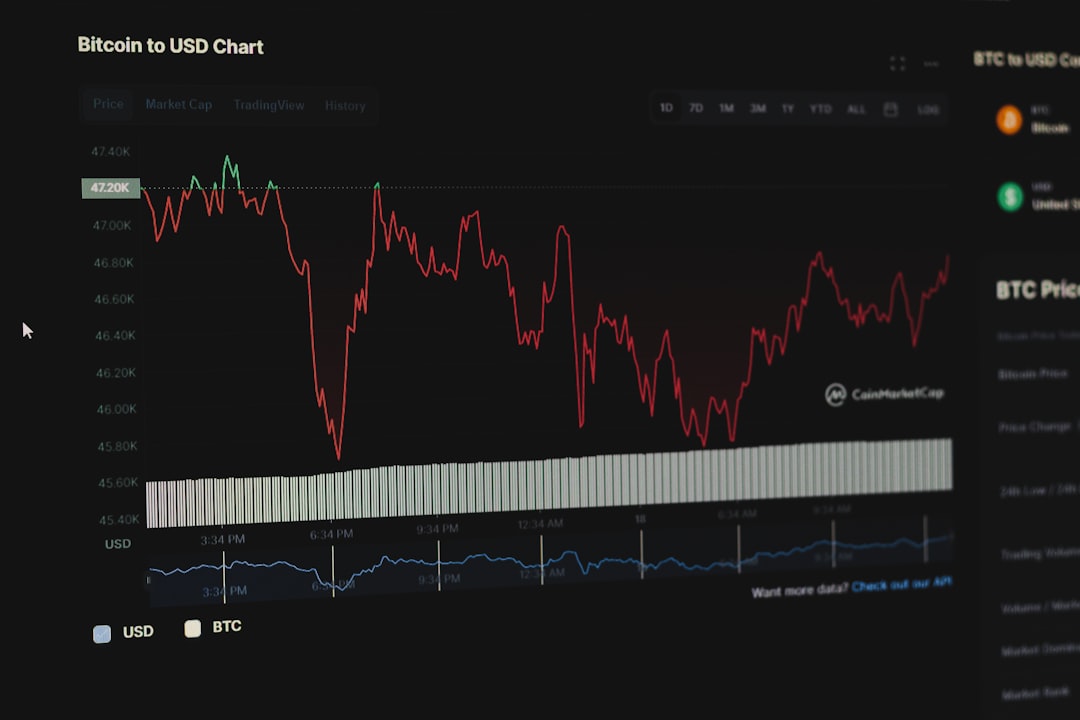
The Volatility Isn’t a Bug — But It Can Still Destroy You
Here’s the cold truth that most crypto content skips over: Bitcoin (BTC) has historically delivered annualized returns above 100% in bull years — but it also dropped 65% from its November 2021 peak to November 2022. Ethereum (ETH) dropped over 70% in the same window. If you entered at the wrong time without a risk plan, “holding a top asset” still meant catastrophic loss.
In 2025, the landscape has shifted somewhat. Bitcoin’s fourth halving occurred in April 2024, cutting block rewards from 6.25 BTC to 3.125 BTC. Historically, halvings have preceded major bull runs by 12–18 months — which puts the theoretical peak window squarely in 2025. But “historical pattern” is not a guarantee, and here’s the specific condition under which that thesis falls apart: if macroeconomic tightening returns (say, the Fed reverses course and raises rates again), risk assets including crypto tend to reprice downward regardless of supply mechanics.
- BTC Ticker: Bitcoin — the reserve asset of crypto, most institutional adoption, highest liquidity
- ETH Ticker: Ethereum — dominant smart contract platform, staking yield currently ~3.5–4.5% APY post-Merge
- SOL Ticker: Solana — high-throughput competitor to ETH, but experienced 3 major network outages in 2022–2023; performance has stabilized in 2024–2025
- BNB Ticker: Binance Coin — utility token tied directly to Binance exchange health, regulatory risk is real and concentrated
- USDC / USDT: Stablecoins — not investments, but critical tools for parking capital during volatility without exiting to fiat
Where People Actually Lose Money (Specific Scenarios)
Let me be concrete here, because vague warnings don’t help anyone. These are the failure modes I’ve seen play out repeatedly:
Scenario 1 — Leverage liquidation: You open a 10x leveraged BTC long on Binance Futures at $60,000. A 10% price drop to $54,000 triggers liquidation and you lose your entire margin. This isn’t exotic — it happens daily. In Q1 2024, over $800 million in leveraged positions were liquidated in a single 24-hour period during a flash correction.
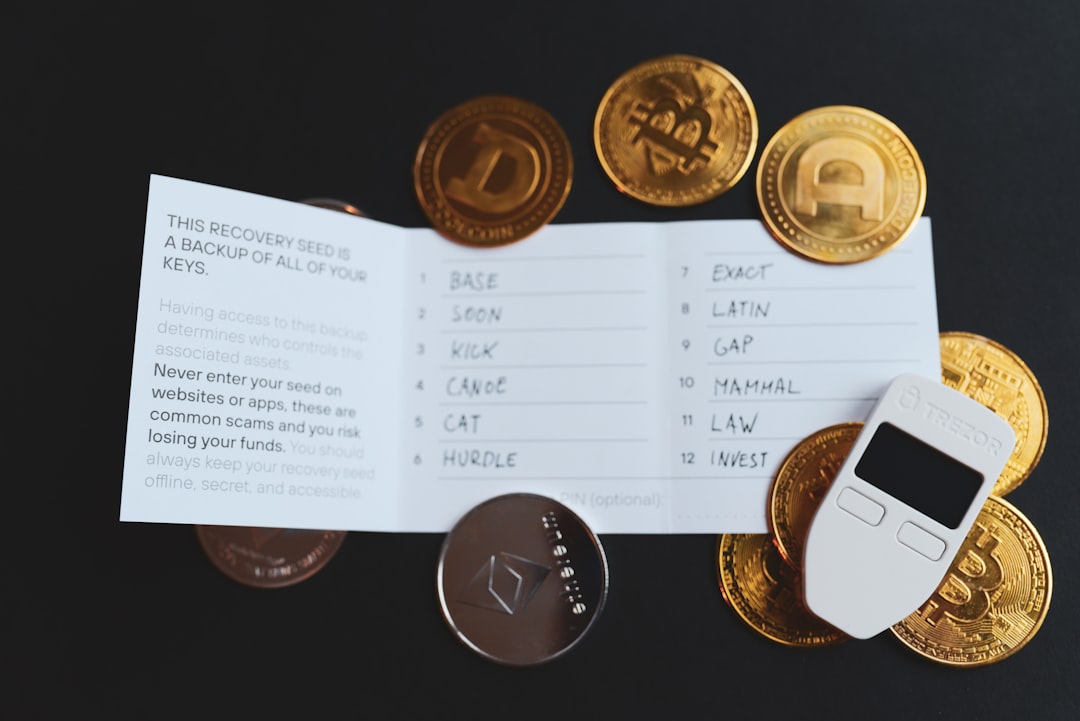
Scenario 2 — Exchange collapse: FTX held $8–10 billion in customer funds and collapsed in November 2022. If your crypto is on a centralized exchange, you do not control it. The fix is simple but requires action: move to self-custody using a hardware wallet (Ledger or Trezor). The rule in crypto circles is “not your keys, not your coins.”
Scenario 3 — Altcoin narrative traps: In every cycle, a wave of altcoins captures retail attention at or near peak prices. LUNA/UST erased $40+ billion in value in May 2022 in roughly 72 hours. The bullish scenario for altcoins is real — but so is the condition for total loss: projects with weak fundamentals, anonymous teams, or algorithmic stablecoin mechanics are extraordinarily high risk.
What the Data Says About Entry Strategy in 2025
Dollar-cost averaging (DCA) isn’t glamorous, but the evidence for it is hard to argue with. A Coin Metrics study found that any 4-year DCA period in Bitcoin’s history has been profitable — including entries made at the 2017 and 2021 peaks. The mechanism is simple: you buy a fixed dollar amount weekly or monthly regardless of price, which naturally averages down during corrections and removes the emotional burden of timing.
For someone starting in 2025, a reasonable framework used by institutional players like MicroStrategy (who holds 214,000+ BTC as of early 2025) and ARK Invest involves:
- Allocating only what you can afford to have locked up for 3–5 years
- Keeping 50–70% of any crypto allocation in BTC/ETH as base positions
- Using stablecoins (USDC is preferred over USDT due to Coinbase/Circle’s audited reserves) to buy dips systematically
- Never using borrowed money or leverage unless you genuinely understand liquidation mechanics
- Hardware wallet storage for anything above $1,000 in holdings
Regulatory Context: What’s Actually Changed in 2025
The U.S. regulatory environment has shifted meaningfully. The SEC’s approval of spot Bitcoin ETFs in January 2024 (BlackRock’s IBIT, Fidelity’s FBTC, and others) brought institutional capital channels that didn’t exist before. By Q1 2025, Bitcoin ETF products had accumulated over $50 billion in AUM combined. This matters because it changes the liquidity profile and introduces a class of investor that doesn’t panic-sell the same way retail does.
In Europe, MiCA (Markets in Crypto-Assets regulation) came into full effect in 2024, creating clearer compliance frameworks for exchanges and token issuers. This reduces — but doesn’t eliminate — regulatory surprise risk for major assets like BTC and ETH. Smaller tokens, especially those structured as securities, remain in a grey zone.
Realistic Alternatives If Pure Crypto Feels Too Risky
If someone tells you “crypto is too volatile for me,” the answer isn’t necessarily “then avoid it entirely.” Consider these stepped approaches:
- Bitcoin ETFs (IBIT, FBTC): Exposure to BTC price without self-custody risk, tradeable in a regular brokerage account
- Crypto equity proxies: Coinbase (COIN), MicroStrategy (MSTR), or mining stocks like Riot Platforms (RIOT) give indirect exposure with traditional stock market protections
- Stablecoin yield: Platforms like Coinbase offer 4–5% APY on USDC, which is closer to a high-yield savings account than a speculation play — though smart contract and platform risk still applies
- ETH staking: Liquid staking via Lido (stETH) or directly through Coinbase generates ~3.5–4.5% yield on ETH holdings, rewarding long-term conviction without active trading
If your situation is: “I believe in the long-term thesis but can’t stomach 60% drawdowns” — then Bitcoin ETFs + small DCA into spot BTC/ETH is your path. If your situation is: “I want yield without heavy speculation” — stablecoin yield or ETH staking is more aligned. If your situation is: “I want to actively trade” — please paper trade for at least 3 months before using real capital, and set a hard rule that you never risk more than 2% of portfolio on a single leveraged trade.
📌 One last thought: My friend who lost 40%? He’s still in crypto. He restructured around DCA, moved to self-custody, and stopped checking prices daily. He’s not euphoric about it — but he’s not bleeding either. That mindset shift, from “how do I get rich fast” to “how do I not get wiped out while staying exposed to upside” — that’s the actual edge most people never develop. And honestly, it applies to every asset class, not just crypto.
📚 관련된 다른 글도 읽어 보세요
- 포르쉐 타이칸 6개월 타고 팔아버린 이유 — 사기 전에 제발 생각해보세요.
- Why I Almost Gave Up on Sourdough — The Real Starter Guide for 2025
- 아직도 그냥 사? 2026년 기준 전기차 보조금 싹 다 받는 법 — 모르면 수백만 원 손해
태그: []
Leave a Reply