A friend of mine — someone who meal-preps religiously and reads nutrition labels like they’re stock prospectuses — called me last spring completely defeated. She’d been trying to “get into fermented foods” for about four months. She’d bought the jars, the weights, the airlocks. She’d watched the YouTube videos. And yet, every single batch either turned mushy, grew the wrong kind of fuzz, or tasted so aggressively sour that she had to chase it with a full glass of water. “I think my microbiome just doesn’t want to be improved,” she said.
I laughed because I’d been there. The fermented foods world has this cult-like positivity around it — all smiling faces and perfect SCOBY hotels — but nobody talks about the three batches of kimchi you quietly throw out before one actually works. So let’s talk about the real experience, backed by what we actually know about the science, and figure out how to make fermented foods genuinely sustainable in your kitchen in 2025.
What “Fermented Foods” Actually Covers (It’s a Bigger Tent Than You Think)
Before diving into troubleshooting, it helps to understand that “fermented foods” isn’t one process — it’s at least four distinct microbial mechanisms, and confusing them is where most beginners go wrong:
- Lacto-fermentation (sauerkraut, kimchi, pickles, kvass): Beneficial lactobacillus bacteria convert sugars into lactic acid. Salt concentration of 2–3% by weight is critical — below 1.5% you risk harmful bacteria; above 3.5% you can inhibit the ferment entirely.
- Acetic acid fermentation (kombucha, water kefir, vinegar): A SCOBY or symbiotic culture converts sugars into acids and CO₂. Temperature stability matters most here — fluctuations above 5°C in a single day can stress the culture.
- Mold-based fermentation (miso, tempeh, koji): Controlled mold (Aspergillus oryzae for koji/miso, Rhizopus oligosporus for tempeh) breaks down proteins and starches. This requires precise humidity (70–85% RH) and temperature (28–32°C for tempeh).
- Yeast fermentation (sourdough, beer, wine): Wild or commercial yeasts metabolize sugars into alcohol and CO₂. Hydration ratios and ambient temperature (24–28°C optimal for most sourdoughs) are the key variables.
Most “beginner fermentation” guides lump all of these together, which creates confusion. My friend was applying kombucha logic (warm, covered, don’t touch it) to lacto-fermented vegetables, which need regular burping and cooler temps as they mature.
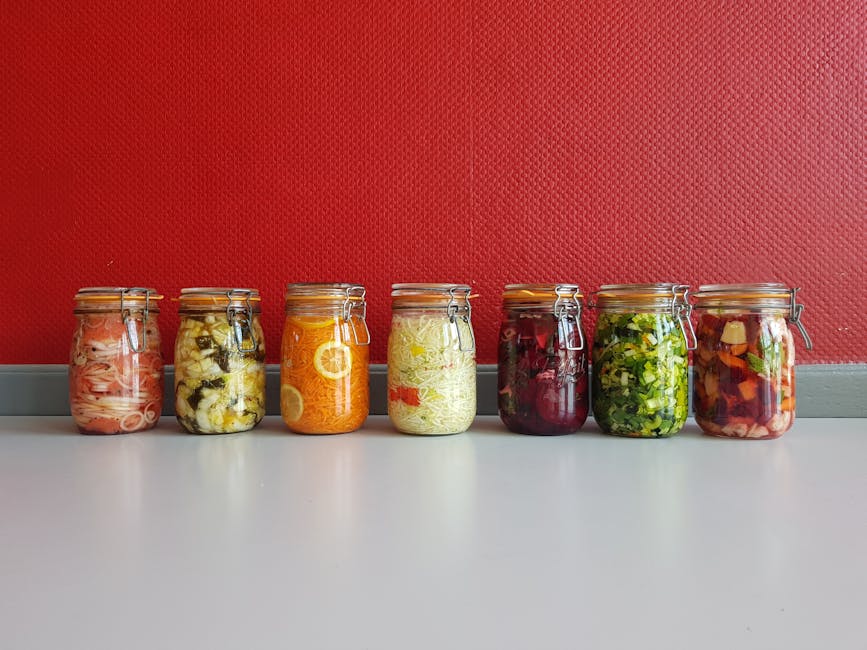
The Data Behind Why Fermented Foods Are Worth the Learning Curve
Let me put some numbers on the table, because the health claims can feel slippery. A 2021 Stanford study published in Cell (Wastyk et al.) tracked 36 adults over 17 weeks — one group ate a high-fiber diet, the other ate a high-fermented-food diet. The fermented food group showed a measurable increase in microbiome diversity (19 microbial species increased on average) and a decrease in 19 inflammatory proteins, including interleukin-17A, which is linked to conditions like rheumatoid arthritis. The fiber group showed more mixed results depending on baseline microbiome composition.
A 2023 meta-analysis in Nutrients covering 28 studies found that regular fermented dairy consumption (yogurt, kefir) was associated with a 15–20% reduction in type 2 diabetes risk markers over 12-week intervention periods. That’s not magic — it’s consistent, measurable signal.
On the practical side, the economics work too. A head of cabbage for sauerkraut costs roughly $1.50–$2.00 USD. That same cabbage, fermented over 3–4 weeks, produces a product retailing for $8–$12 at grocery stores. The capital cost for lacto-fermentation is essentially a mason jar and some non-iodized salt. The entry barrier is knowledge, not equipment.
The Four Most Common Failure Modes (And How to Avoid Them)
Based on trial, error, and cross-referencing with the fermentation community at sites like Cultures for Health and Sandor Katz’s wildfermentation.com, here’s where things typically break down:
- Wrong salt type or ratio: Iodized table salt inhibits lacto-fermentation because iodine is antimicrobial. Use kosher salt, sea salt, or pickling salt. Target 2% salt by weight (20g per 1kg of vegetables), not volume.
- Inconsistent temperature: Lacto-ferments like 65–75°F (18–24°C). Too warm (above 80°F/27°C) and fermentation races ahead and turns mushy. Too cold and it stalls. Don’t put it next to your oven or heating vent.
- Oxygen exposure after the first day: Keep vegetables submerged below the brine. A zip-lock bag filled with brine (not water — if it breaks, you don’t dilute your ferment) works perfectly as a weight.
- Tasting too early: At day 3, lacto-ferments taste like salty vegetables. The good stuff happens between day 7 and day 21. Most people quit at day 5.
- Misidentifying kahm yeast as mold: Kahm is a flat, white, sometimes slightly wrinkled film on top of brine. It’s harmless and common. It’s not fuzzy. Fuzzy growth that’s green, black, or pink is actual mold — discard that batch. Kahm just needs to be skimmed off.
What’s Actually Trending in 2025: The Fermented Foods Landscape Right Now
The fermentation space has matured significantly. In 2025, a few notable shifts are worth knowing about:
Functional fermented beverages have exploded beyond kombucha. Water kefir — fermented with a different SCOBY that produces a lighter, less acidic drink — has become a mainstream alternative for people who find kombucha too sharp. Brands like Kevita and Remedy have expanded their US and EU distribution, but the DIY water kefir community (active on forums like Reddit’s r/fermentation, which hit 500K+ members in late 2024) has pushed starter grain availability to a point where you can get quality grains shipped within days.
Koji fermentation moved from restaurant kitchens to home labs in a meaningful way. René Redzepi and David Zilber’s Noma Guide to Fermentation catalyzed a wave, but in 2025 the accessible entry point is shiokoji (salt-koji paste), which requires minimal equipment and produces a versatile seasoning ingredient. Hiroyo Kato’s work at Tokyo’s Hakko Shokudo research kitchen has been widely cited in food science circles for documenting umami compound generation in home-scale koji projects.
Probiotic synergies are getting more specific research attention. Rather than generic “gut health” claims, researchers are now mapping which strains from which fermented foods survive stomach acid (Lactobacillus plantarum from sauerkraut, for instance, shows reasonable viability versus the less stable strains in many commercial supplements). This is meaningful because it suggests that whole-food fermentation may deliver colonization rates that isolated supplement strains don’t replicate.
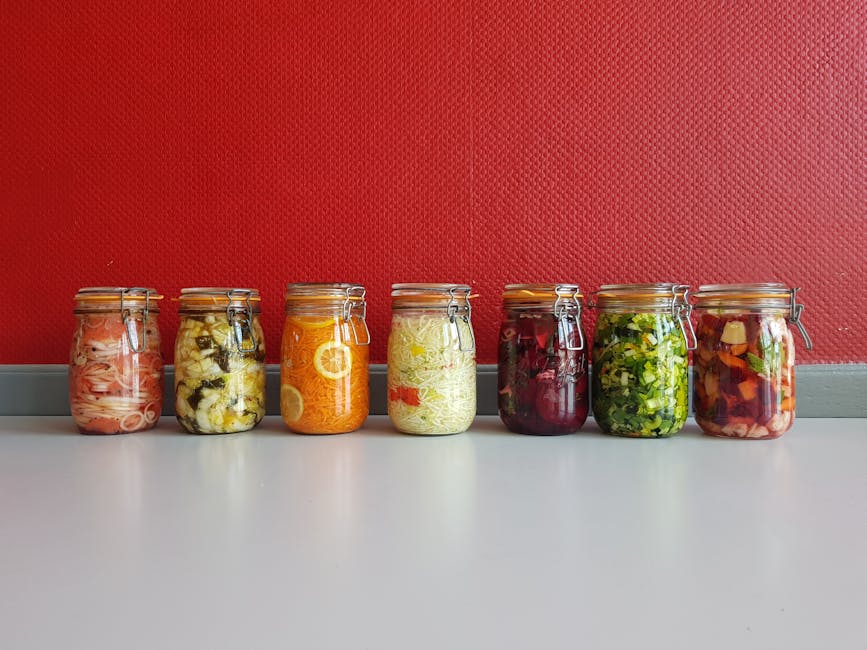
A Practical Starting Path for 2025
If you’re starting from zero, or restarting after previous failures, here’s a sequenced path that respects the learning curve:
- Week 1–2: Make a small batch of sauerkraut (500g cabbage, 10g kosher salt, one mason jar). This is the single best teacher because the variables are minimal and failure feedback is clear.
- Week 3–4: Once you understand what active fermentation looks and smells like, try a simple brine pickle (cucumbers, garlic, dill, 3% brine by weight). This introduces the concept of brine-to-solid ratio.
- Month 2: Introduce kombucha or water kefir. Buy a starter culture from a reputable source (Cultures for Health, GetKombucha, or a local fermentation shop) rather than trying to grow one from scratch initially.
- Month 3+: Kimchi, miso (long-fermented, 3–12 months), or sourdough depending on your culinary interests.
The key insight is that each ferment teaches you something that transfers to the next. The salt ratio intuition from sauerkraut helps with kimchi. The temperature sensitivity from kombucha applies to sourdough. It’s a compounding skill, not a collection of unrelated projects.
When to Skip DIY (Honest Assessment)
Not every situation calls for homemade ferments. If you have a compromised immune system, are pregnant, or are managing a condition where pathogen risk is elevated, commercial fermented foods with validated CFU counts and pasteurization protocols may be the safer path — even if they sacrifice some of the live-culture benefit. The FDA’s HACCP framework applies to commercial producers in ways that home kitchens simply can’t replicate.
Also, if your goal is specifically targeted probiotic dosing (say, for post-antibiotic microbiome recovery), clinical-grade probiotic supplements with documented strain CFU counts (look for products tested by third parties like NSF International or USP) may be more reliable than home ferments, where strain composition is variable by nature.
For general health, culinary exploration, and long-term microbiome diversity — the home fermentation approach has genuinely solid evidence behind it, and the economics are hard to argue with.
Bottom line from the kitchen: Fermented foods aren’t a trend to chase or a system to hack — they’re a practice that rewards patience and specific technical knowledge in roughly equal measure. Start with sauerkraut, get one clean batch under your belt, and the rest of the fermented foods world starts to make much more sense. Your microbiome, your grocery budget, and eventually your palate will all have something to say thank you for.
📚 관련된 다른 글도 읽어 보세요
- Why I Almost Gave Up on Budgeting — And What Actually Worked in 2025
- Why I Almost Gave Up on Python Virtual Environments — Real 2025 Setup Guide
- 아직도 그냥 사세요? 2026년 기준 전기차 보조금 제대로 받는 법 — 이것 모르면 수백만 원 날립니다
태그: fermented foods, gut health, lacto-fermentation, kombucha, probiotic foods, home fermentation, microbiome diet
Leave a Reply