Picture this: you’re cruising down the highway, music playing, when suddenly traffic grinds to a halt. You press the brake pedal — and the car stops smoothly, confidently, without drama. Now imagine the opposite. That moment of doubt is exactly why brake pads deserve far more attention than most drivers give them. I’ve spent years driving everything from daily commuters to weekend track cars, and honestly, choosing the wrong brake pad is one of the most common — and most overlooked — mistakes car owners make.
So let’s think through this together. What are the real differences between brake pad types, and which one actually makes sense for your driving life in 2026?
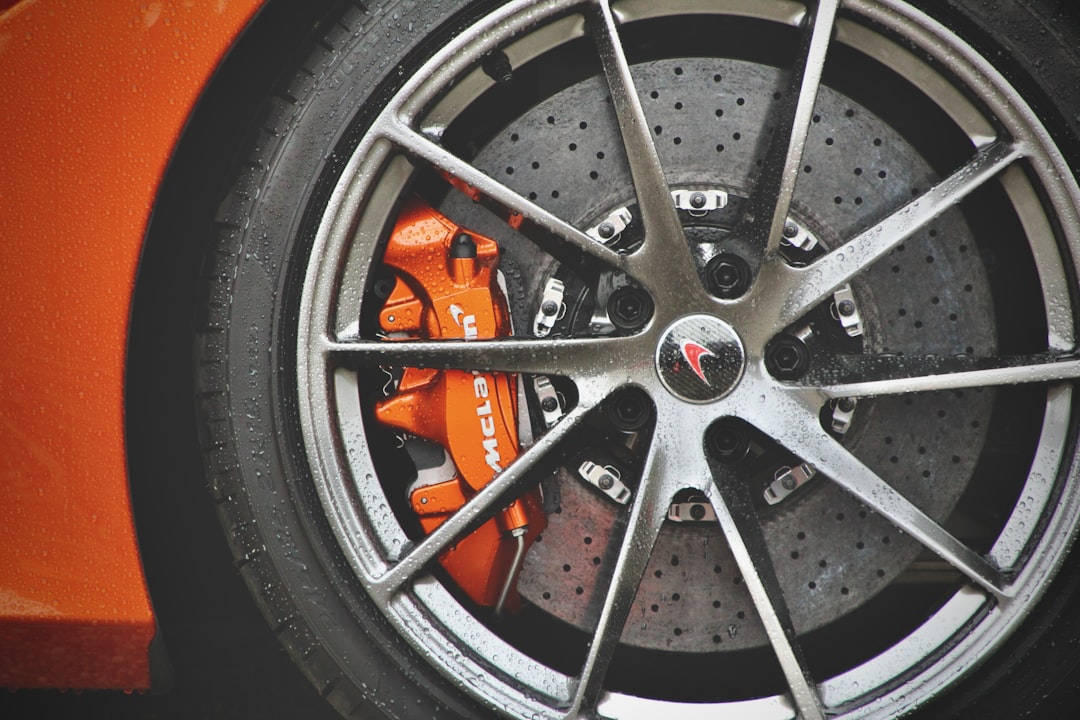
🔩 The Four Main Types of Brake Pads — A Data-Driven Breakdown
Brake pads fall into four primary categories, each with distinct material compositions that directly affect performance, longevity, noise levels, and price. Here’s how they actually stack up:
1. Organic (Non-Asbestos Organic / NAO) Brake Pads
Made from a mixture of fibers like rubber, glass, carbon, and Kevlar bound together with resin, organic pads are the most common OEM (original equipment manufacturer) choice worldwide.
- Pros: Quiet operation, gentle on rotors, low dust, affordable (typically $20–$60 per axle set in 2026)
- Cons: Fade under high heat, wear out faster (typically 25,000–35,000 miles), not ideal for aggressive driving
- Best for: Light city driving, economy vehicles, drivers who prioritize comfort over performance
2. Semi-Metallic Brake Pads
Containing 30–65% metal content (steel wool, iron powder, copper), semi-metallic pads dominate the performance aftermarket. Brands like Akebono (Japanese) and EBC Brakes (UK) have made semi-metallic formulas their bread and butter for decades.
- Pros: Excellent heat dissipation, strong bite at a wide temperature range, longer lifespan (35,000–50,000 miles)
- Cons: Noisier, produces more brake dust, slightly harder on rotors, less effective when cold (first few stops of the day)
- Best for: Drivers who haul loads, tow trailers, or enjoy spirited highway driving
3. Ceramic Brake Pads
Introduced in the 1980s and refined dramatically by 2026, ceramic pads use dense ceramic fibers and bonding agents. The 2026 generation ceramics from brands like Wagner ThermoQuiet and Brembo’s street-ceramic line now offer significantly improved cold-bite performance compared to older iterations.
- Pros: Ultra-quiet, minimal dust, consistent performance across temperature ranges, rotor-friendly
- Cons: Higher cost ($80–$150 per axle), not suitable for track use, less aggressive initial bite compared to semi-metallic
- Best for: Premium daily drivers, SUV owners, anyone who hates cleaning dusty wheels
4. Low-Metallic NAO Pads
A hybrid of organic and metallic, containing 10–30% metal, these pads bridge the gap between comfort and performance. They’re commonly found as OEM replacements on European vehicles like BMW and Mercedes-Benz.
- Pros: Better heat transfer than pure organic, decent stopping power
- Cons: More dust and noise than full ceramics, moderate rotor wear
- Best for: European car owners replacing OEM pads like-for-like
🌍 Real-World Examples From Around the Globe
In South Korea, Hyundai’s official service centers have shifted toward recommending ceramic pads for their Ioniq 6 and Kona Electric models in 2026 — largely because regenerative braking means friction brakes are used less frequently, making thermal performance less critical but noise and dust far more noticeable to owners. Meanwhile in Germany, Volkswagen’s dealer network continues defaulting to low-metallic NAO pads across its Golf and Tiguan lineups, favoring the robust rotor compatibility with European-spec rotors.
On the performance side, American tuning communities — particularly around the Mustang GT and Corvette C8 scene — have overwhelmingly moved toward semi-metallic or dedicated track compounds like Hawk HPS 5.0 or Stoptech Sport pads, where the added noise is considered completely acceptable in exchange for consistent fade resistance during canyon runs or autocross events.
📊 Quick Comparison at a Glance
- Organic: Quiet ✅ | Cheap ✅ | Long-lasting ❌ | High heat ❌
- Semi-Metallic: Quiet ❌ | Cheap ✅ | Long-lasting ✅ | High heat ✅
- Ceramic: Quiet ✅ | Cheap ❌ | Long-lasting ✅ | High heat ⚠️ (street only)
- Low-Metallic NAO: Quiet ⚠️ | Cheap ⚠️ | Long-lasting ⚠️ | High heat ⚠️
💡 Realistic Alternatives Based on Your Situation
Here’s where I want to get practical with you, because not every driver fits neatly into one category:
- If you drive an EV or hybrid: Go ceramic. Your brake pads will see irregular use due to regenerative braking, and the last thing you want is squealing pads every time you touch them lightly.
- If you tow or drive a truck/SUV: Semi-metallic is your friend. The heat management under load is genuinely superior, and rotor wear is manageable with proper maintenance intervals.
- If you’re on a tight budget but still want reliability: A quality organic pad from a reputable brand (Bosch QuietCast, for example) at $30–$45 will serve a gentle city commuter well. Don’t let premium marketing pressure you into spending more than you need to.
- If you do any track days or aggressive mountain driving: Skip the ceramics entirely and invest in a dedicated performance semi-metallic or a purpose-built track compound. Ceramics can glaze and lose bite under sustained high-heat conditions.
The bottom line? There is no universally “best” brake pad — only the best one for how and where you actually drive. Think about your typical week behind the wheel, your vehicle type, and your tolerance for noise and maintenance costs. That mental exercise will get you to the right answer faster than any spec sheet.
Editor’s Comment : After testing pads across multiple vehicles and climate zones, the one thing I keep coming back to is this — the gap between cheap and quality within the same category is far more important than the gap between categories. A premium organic pad will outperform a discount semi-metallic every single time. Don’t just pick the type; pick a reputable brand within that type, and you’ll genuinely feel the difference the first time you need to stop in a hurry.
태그: [‘brake pad types 2026’, ‘ceramic vs semi-metallic brake pads’, ‘best brake pads for daily driving’, ‘car brake pad comparison’, ‘automotive braking performance’, ‘EV brake pad recommendation’, ‘brake pad buying guide’]
Leave a Reply