Picture this: you’re at a weekend track day event, watching two nearly identical sedans lap the circuit. One screams past with a roaring engine note, pushing serious horsepower numbers — but it’s visibly fighting itself through every corner, the body rolling and the tires scrabbling for grip. The other car is quieter, almost humble, yet it flows through the bends with surgical precision, carrying more speed where it actually matters. That second car? It has a serious suspension tune. This moment is exactly what sparked my deep dive into one of the most debated questions in car culture today: engine tuning vs. suspension tuning — which one truly changes how your car feels and performs?
Whether you’re a weekend enthusiast, a daily driver looking for a sharper experience, or someone budgeting for their first real modification in 2026, this breakdown will help you think through the decision logically — not just emotionally.
🔧 What Is Engine Tuning, Exactly?
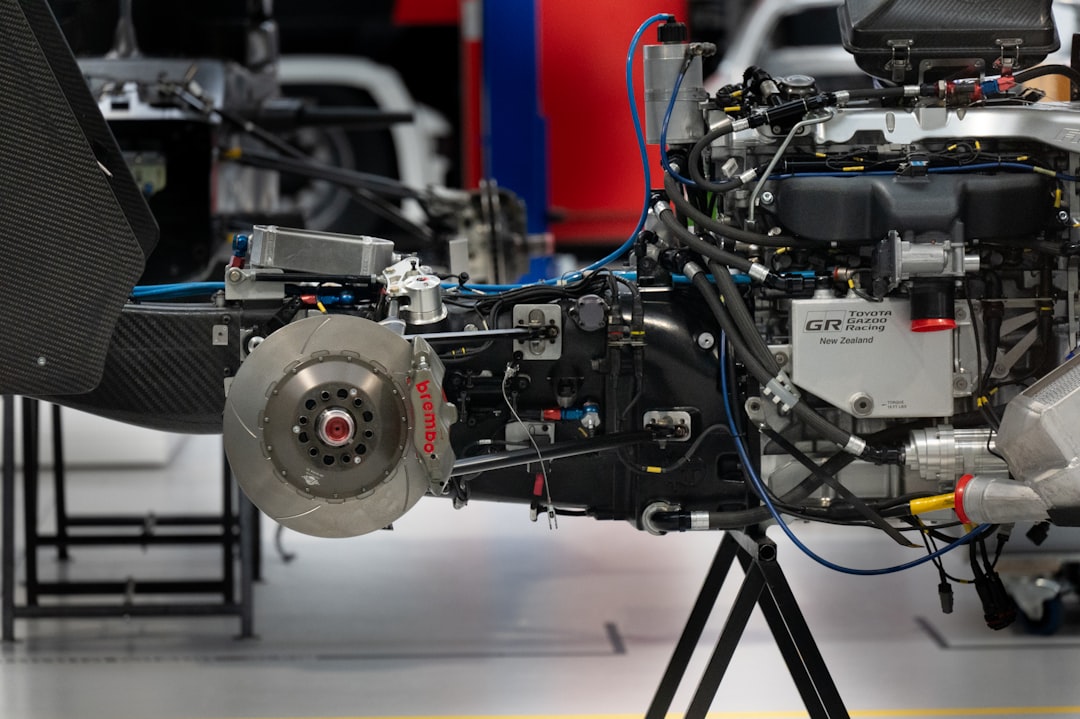
Engine tuning refers to modifications made to increase (or optimize) the power output and efficiency of your vehicle’s powertrain. This can range from a simple ECU remap to full bolt-on upgrades like cold air intakes, exhaust systems, intercoolers, and turbocharger upgrades.
In 2026, with the rise of hybrid powertrains and turbocharged small-displacement engines dominating the market, engine tuning has evolved significantly. A professional ECU tune on a modern turbocharged 2.0L engine, for example, can push gains of 40–80 horsepower with relatively conservative modifications — sometimes without touching a single physical component.
- ECU Remapping / Flash Tune: Software-based, typically costs $400–$900. Adjusts fuel maps, boost pressure, ignition timing. Gains: 15–30% power increase on turbocharged engines.
- Intake + Exhaust Combo: Physical bolt-ons. Cost range: $800–$2,500. Gains: 10–25 hp on naturally aspirated engines, more on forced induction.
- Turbocharger Upgrade: For dedicated builds. Cost: $2,000–$8,000+. Can double stock power figures but requires supporting modifications (fueling, cooling, internals).
- Hybrid Battery Tuning (2026 Trend): On modern hybrids, tuning the EV assist mapping for better throttle response is now a growing niche, especially in Asian and European markets.
🏎️ What Is Suspension Tuning?
Suspension tuning is about controlling how your car’s body moves relative to its wheels — managing weight transfer, body roll, ride height, and tire contact patch. It’s fundamentally about communication: how information from the road gets translated through the steering wheel and seat into your hands and back.
The components involved include coilovers (combined spring and shock absorber units), sway bars, bushings, alignment settings (camber, caster, toe), and in advanced setups, adjustable dampers with compression and rebound tuning. A quality coilover kit in 2026 from brands like KW Suspension, Bilstein, or Öhlins typically costs between $1,200 and $4,500, with budget-friendly options from brands like Tein or BC Racing starting around $600–$900.
- Coilover Kit: The most impactful single suspension upgrade. Adjustable ride height + spring rate. Cost: $600–$4,500 depending on brand and adjustability.
- Sway Bar Upgrade: Reduces body roll without significantly stiffening the ride. Cost: $200–$600. Great value for the performance gained.
- Alignment Tune (Corner Balance): Often overlooked but critical. A proper 4-wheel alignment after suspension work costs $100–$300, yet transforms how modifications actually perform.
- Polyurethane Bushing Replacement: Reduces flex in suspension geometry. Cost: $200–$800 in parts. Improves steering precision and reduces understeer.
- Damper Tuning (Adjustable Coilovers): For track-focused drivers, adjustable compression and rebound lets you dial in behavior for different conditions.
📊 The Real-World Performance Difference: Data Tells the Story
Here’s where it gets genuinely interesting — and counterintuitive for many first-time modifiers. Let’s look at a real-world scenario that mirrors what independent automotive testers have consistently documented:
Take a stock Honda Civic Type R (2025 model, still widely driven in 2026). On a 2-mile circuit, a car with a modest ECU tune adding 40 hp ran a lap time roughly 1.8 seconds faster than stock. The same car, returned to stock power but fitted with a quality coilover setup and proper alignment? It cut 2.4 seconds off the lap time. More speed. Less power.
Why? Because lap time — and real-world driving enjoyment — is governed by your ability to use the power you have. Suspension tuning increases the window in which you can apply throttle, maintain traction, and carry corner speed. More power without chassis control often just means more wheelspin, more understeer, and more frustration.
On the flip side, for drag racing or highway acceleration, engine tuning is unambiguously king. A suspension tune does almost nothing for your 0–100 km/h time if your launch is clean. This is the key distinction most car enthusiasts skip over.
🌍 Domestic & International Examples Worth Knowing
In South Korea’s growing track day culture (particularly at Inje Speedium and Everland Speedway events), the community trend in 2026 clearly favors suspension-first builds among experienced drivers. Shops like Motec Korea and Speedzone Tuning consistently report that customers who start with coilovers report dramatically higher satisfaction rates than those who begin with engine work — primarily because the improvement is felt immediately in everyday driving, not just at peak RPM.
In Japan, the long-standing tradition of the “jidosha buhin” (car parts) culture reflects this wisdom well. The legendary tuning shops of Osaka’s Namba Auto district — many of which have been operating since the 1990s — advise newcomers to follow the hierarchy: suspension → brakes → engine. The logic is simple: build a platform that can handle power before adding it.
In the United States, the SCCA (Sports Car Club of America) and track day communities echo the same philosophy. The popular online forum advice from experienced autocross competitors consistently states: “If you’re within your car’s limits, the problem is the driver. If your car is fighting you, the problem is the chassis. Fix the chassis first.”
Meanwhile, in Germany — home to some of the world’s most refined factory performance cars — the aftermarket trend for 2026 leans toward adaptive damper calibration for daily drivers (combining ride comfort with sharper dynamics) over outright power gains, reflecting a mature market that values precision over raw numbers.
💡 So Which Should YOU Choose? A Logical Framework
Rather than giving you a one-size-fits-all answer, let’s think through this together based on your actual situation:
- If you daily drive and want a noticeably better experience every single day: Suspension wins. Stiffer, more precise handling improves every corner, every lane change, every highway on-ramp — not just when you’re pushing limits.
- If you’re primarily a highway commuter with long straight stretches: Engine tuning makes more sense. The extra torque from a remap makes merging and overtaking genuinely more confident and enjoyable.
- If you’re prepping for track days or autocross: Suspension first, always. Then brakes. Then, only once the platform is sorted, consider engine modifications.
- If budget is tight (under $1,000): A professional ECU tune on a turbocharged car often delivers the most dramatic bang-for-buck in terms of sheer numbers. But a sway bar upgrade plus alignment is a close competitor for real-world feel.
- If you have a naturally aspirated engine: Engine gains are expensive and modest. Suspension tuning will transform the car far more cost-effectively.
- If you drive in a region with poor road quality (potholes, uneven surfaces): Be cautious with aggressive suspension stiffening — it can increase driver fatigue and reduce traction on broken surfaces.
⚖️ The Honest Trade-Offs You Should Know
Engine tuning trade-offs: On modern cars with strict emissions regulations tightened in 2026 (particularly in EU Euro 7 compliant vehicles), aggressive ECU tunes can trigger emissions warnings or even void regulatory compliance. Warranty implications are also significant — most manufacturers will flag ECU modifications. Additionally, supporting the extra power often requires upgraded fuel systems, transmission cooling, and brakes, which cascades the cost quickly.
Suspension tuning trade-offs: A stiffer suspension setup — especially aggressive coilovers — can genuinely reduce comfort on daily roads. There’s a real skill curve in finding the sweet spot between sporty and livable. Also, lowering your car without proper alignment work can accelerate tire wear significantly, turning a performance upgrade into an expensive maintenance problem.
The realistic alternative many savvy enthusiasts are choosing in 2026? A mid-tier coilover kit + professional alignment + ECU tune as a combined package. Many tuning shops now offer bundled pricing for exactly this combination, recognizing that the two work best together — chassis control and power delivery optimized simultaneously.
Editor’s Comment : After years of watching enthusiasts agonize over this choice, my honest take is this — suspension tuning is the gift that keeps giving every single day you drive, while engine tuning tends to be something you notice in specific moments. If I had $2,000 to spend in 2026, I’d put $1,400 into a quality coilover kit with a proper alignment session, and $600 into an ECU flash tune. That combination will transform how your car feels from the first mile, and you’ll still have the satisfaction of knowing your numbers improved on paper. Drive the car, not the spec sheet.
태그: [‘engine tuning vs suspension tuning’, ‘car modification guide 2026’, ‘suspension upgrade tips’, ‘ECU tuning benefits’, ‘coilover setup guide’, ‘track day car preparation’, ‘performance car upgrades’]
Leave a Reply