Picture this: you’re at a weekend car meet in Los Angeles, and every third car rolling in looks like it just escaped a motorsport concept lab. Wide-body fenders, aggressive splitters, and color-matched forged wheels — it’s not a movie set. It’s just 2026, and the exterior tuning scene has never been more accessible or more creative. I’ve been following this space for years, and honestly? The democratization of aero and wheel customization is something worth unpacking together.
Whether you’re a weekend enthusiast or someone who’s been circling the idea of giving your daily driver some personality, let’s walk through what’s actually trending, what’s worth your money, and what you can realistically pull off depending on your budget and lifestyle.
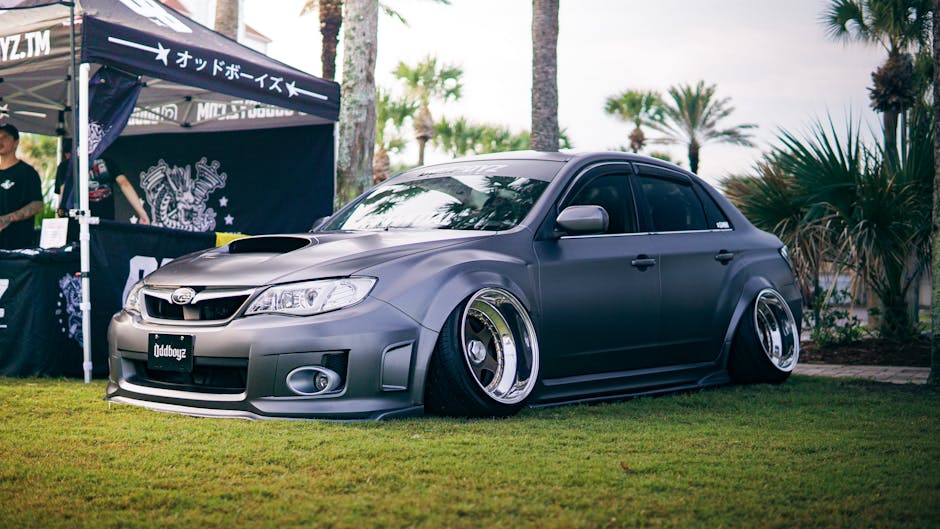
Why Exterior Tuning Is Exploding in 2026
The numbers don’t lie. According to the Global Automotive Aftermarket report published in early 2026, the exterior customization segment — covering aero kits, body kits, and wheel upgrades — is projected to hit $52 billion globally by year’s end, up roughly 14% from two years ago. A big driver? The explosion of EV platforms. Cars like the Hyundai IONIQ 6, Tesla Model 3, and BYD Seal have flat, aerodynamically smooth bodies that actually respond beautifully to aero additions — manufacturers didn’t expect the aftermarket to go this hard on EVs, but here we are.
Social platforms, especially short-form video, have compressed the trend cycle dramatically. A custom wrap or aero kit that would have taken 18 months to trickle from JDM culture to mainstream buyers in the mid-2010s now goes viral in three weeks. That speed means tuners and parts manufacturers are iterating faster, prices are more competitive, and the quality floor has risen significantly.
Aero Kits: From Race Necessity to Street Statement
Let’s get one thing straight — most street aero kits are primarily aesthetic. That’s not a criticism; it’s just context. A front splitter on your Honda Civic at street speeds might contribute marginally to downforce, but its bigger job is visual transformation and personal expression. However, as engineering standards rise, more kits in 2026 actually do provide measurable aerodynamic benefit, especially at highway speeds above 70 mph.
Here’s what’s dominating aero kit trends right now:
- Full wide-body kits (overfender style): Inspired by GT racing, these add aggressive fender flares to accommodate wider wheel fitment. Japanese brands like Rocket Bunny and Liberty Walk remain iconic, but Korean manufacturer Artisan Spirits has been gaining serious international traction in 2026 with cleaner, more subtle flare designs.
- Modular front splitters with canards: Canards — those small vertical fins on the front bumper corners — have moved from track-only to a mainstream street look. Carbon fiber options from brands like Seibon and APR Performance are popular, ranging from $300–$1,200 depending on material and fitment.
- Rear diffusers and valances: These tuck under the rear bumper and give cars a planted, finished look. They’re one of the most affordable aero upgrades ($150–$600) and work on virtually any platform.
- Duck-tail and GT spoilers: The subtle trunk lid spoiler — sometimes called a duck-tail — is having a major moment in 2026, especially on sedans and coupes. Less aggressive than traditional wings, but enormously effective as a visual anchor for the rear end.
- Full lip kits (front, side skirts, rear): Entry-level and highly accessible. Polyurethane lip kits from manufacturers like Maxton Design retail between $200–$800 for a full set and genuinely transform a car’s stance.
Wheel Customization: The Fastest Visual ROI in Car Tuning
If there’s one upgrade that delivers the most visual impact per dollar, it’s wheels — full stop. And in 2026, the wheel game has stratified beautifully into tiers that suit every budget.
At the premium end, forged monoblock and 3-piece wheels from brands like HRE, Vossen, and BBS remain the gold standard. A set of HRE FlowForm wheels will run you $3,000–$8,000+, but the weight savings (sometimes 6–10 lbs per wheel vs. cast alternatives) genuinely affect driving dynamics. For performance-oriented builds, that’s real money well spent.
Mid-tier cast flow-formed wheels from brands like Enkei, Rays Volk Racing (their TE37 remains a legend), and Work Wheels hit the sweet spot of quality, aesthetics, and affordability — typically $1,200–$3,500 for a set.
The 2026 trend in wheel aesthetics is clearly moving toward:
- Stepped-lip designs that create a deep dish look even on relatively shallow barrels
- Matte and satin finishes — gloss is receding; Midnight Bronze, Satin Titanium, and Matte Graphite are the dominant colorways this year
- Flush and aggressive fitment — the “poke” (wheel extending past fender) look has faded; tucked or perfectly flush fitment is considered more refined and intentional in 2026
- Larger diameters on EVs — 20″ to 22″ is now commonplace on performance EV builds, since the lack of exhaust packaging gives designers and tuners more suspension clearance to work with
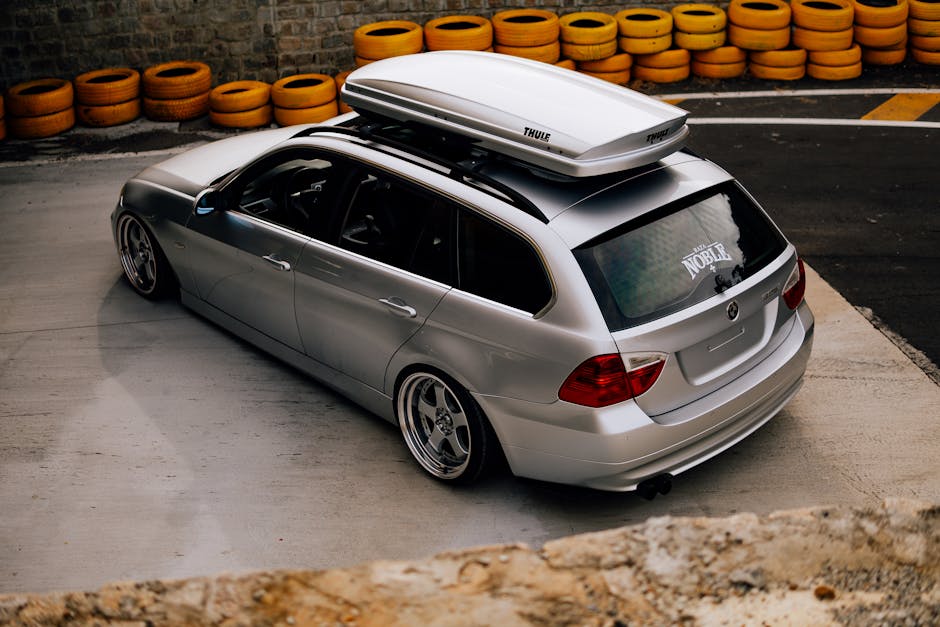
Real-World Examples: Domestic & International Scenes
In South Korea, the tuning scene centered around platforms like Hyundai’s N-lineup and Kia’s EV6 GT has matured remarkably. Tuning shops in Busan and Seoul are producing full aero + wheel builds on the IONIQ 5 N that honestly rival anything coming out of SEMA builds. The emphasis is on precision fitment and understated aggression — less “look at me” and more “I know exactly what I’m doing.”
In Japan, the traditional JDM culture remains influential but has evolved. The Osaka Auto Messe 2026 in February showcased a notable shift toward cleaner, functional aero rather than maximum visual drama — wide bodies that serve actual track purposes rather than just stance points.
In the US, the SEMA 2025 legacy builds are still circulating in the custom scene, but 2026 is seeing more restomod crossover — classic American muscle platforms (Mustang, Camaro legacy builds) getting modern aero treatments that blend retro aesthetics with current aerodynamic thinking.
In Europe, particularly Germany and the UK, wrapping combined with aero is dominant. Full matte or satin vinyl wraps paired with carbon fiber aero add-ons are incredibly popular — it’s an aesthetic that photographs beautifully and maintains some resale flexibility since wraps are reversible.
Realistic Alternatives: What You Can Actually Do Based on Your Budget
Here’s where I want to be genuinely useful rather than just inspirational. Not everyone can drop $15,000 on a full wide-body build, and that’s completely fine. Let’s tier this realistically:
- Under $500: A quality polyurethane front lip, rear diffuser, and a set of budget-friendly alloy wheels (second-hand Enkei or similar) can transform your car’s presence without breaking the bank. Focus on fitment quality over flashiness.
- $500–$2,000: Add side skirts, a subtle trunk spoiler, and consider a mid-tier wheel set. This is also where a quality vinyl wrap on specific elements (roof, mirror caps, spoiler) can add contrast and sophistication.
- $2,000–$6,000: A full lip kit with carbon fiber accents, quality flow-formed wheels with proper tire sizing, and perhaps professional installation of a canard or splitter setup. At this level, you’re entering builds that photograph and perform genuinely well.
- $6,000+: Now you’re talking full wide-body potential, forged wheels, proper alignment and suspension work to complement the visual changes, and potentially a full or partial wrap. This is where builds become statements.
One thing I always tell people: suspension and fitment are more important than the parts themselves. A modest set of wheels on a car with well-dialed coilovers and proper alignment will always look better than expensive wheels on a car sitting at stock ride height with poor fitment. Spend 20% of your budget on getting the foundation right.
Also worth considering — if you’re driving a leased vehicle or one you plan to sell soon, prioritize reversible modifications. Vinyl wraps, bolt-on aero (not cut-and-glue), and wheel swaps are your friends. Structural wide-body conversions that require cutting fenders are for keeper cars.
The 2026 exterior tuning scene is genuinely exciting because the quality ceiling has risen while the entry floor has stayed accessible. Whether you’re doing a $400 lip kit in your driveway or commissioning a full bespoke build, the culture has room for all of it — and the craftsmanship on display right now is arguably at an all-time high.
Editor’s Comment : The most underrated advice in car tuning is to build with intention, not just inspiration. Before spending a single dollar, drive your car for a week and note exactly what bothers you visually. Then build a prioritized list — not a wishlist. The builds that always stand out aren’t the ones with the most parts; they’re the ones where every element feels considered and cohesive. Start small, do it well, and let the car tell you what it wants next.
태그: [‘car exterior tuning 2026’, ‘aero kit trends’, ‘wheel customization’, ‘wide body kit’, ‘JDM tuning’, ‘automotive aftermarket’, ‘custom wheels’]
Leave a Reply