A few years back, a friend of mine bought a used sports sedan and immediately complained that every speed bump felt like a kidney punch. He’d heard that “suspension tuning” was the fix, so he went to a shop, dropped a significant amount of money on lowering springs, and came back with a ride that was somehow worse. Sound familiar? This kind of well-intentioned but poorly planned modification is shockingly common — and it’s exactly why we need to talk about how suspension tuning actually works before you touch a single bolt.
Whether you’re daily-driving a compact on rough city roads or cruising highways in an SUV, understanding the relationship between your suspension components and ride quality can save you money, discomfort, and a lot of frustration. Let’s think through this together.
What Does “Suspension Tuning” Actually Mean?
Suspension tuning is the process of modifying or upgrading the components that connect your vehicle’s frame to its wheels — primarily springs, shock absorbers (dampers), anti-roll bars, and bushings. The goal is to optimize the balance between handling performance and ride comfort. These two goals are fundamentally in tension: a stiffer setup gives sharper cornering but harsher feedback, while a softer setup absorbs bumps better but may feel floaty at speed.
Here’s the key data point most people miss: factory suspension setups are engineered as a system. The spring rate (measured in N/mm or lb/in), the damping coefficient of the shock absorber, and the geometry of the suspension linkage are all calibrated together. Change one element without accounting for the others, and you can destabilize the entire system.
The Numbers Behind Ride Comfort: Spring Rate & Damping Ratio
Let’s get a little technical — but don’t worry, I’ll keep it grounded. Most passenger vehicles use spring rates between 15–30 N/mm for a comfortable daily ride. Performance-oriented cars may run 40–80 N/mm or higher. When you install lowering springs (which are typically stiffer to compensate for the reduced ride height), you’re often jumping from, say, 20 N/mm to 35–50 N/mm without upgrading your shocks — and that’s where the harsh ride comes from. The shock absorber is no longer capable of properly damping the faster oscillations of the stiffer spring.
The ideal damping ratio for comfort hovers around 0.25–0.40 (underdamped, allowing some body movement). Performance setups push toward 0.7–1.0. Mismatching spring and damper ratings is one of the single most common — and expensive — mistakes in DIY suspension tuning.
Real-World Examples: What Enthusiasts and OEMs Are Doing in 2026
Globally, the trend in 2026 is leaning heavily toward adaptive or electronically controlled dampers. Here’s how different players are approaching the challenge:
- Hyundai/Kia (South Korea): Their latest Genesis GV80 and the Kia EV9 both feature continuous damping control (CDC) systems that adjust damper stiffness in real-time — up to 500 times per second — based on road surface data and driver input. Owners report dramatically improved ride quality without sacrificing handling, especially on Korea’s mix of urban potholes and expressways.
- BMW (Germany): The 2026 5 Series now ships standard with their updated Adaptive M Suspension, which uses predictive road scanning (via front-facing cameras) to pre-adjust dampers before the wheel even hits a bump. Early road tests show a 20–30% reduction in cabin vibration on rough surfaces compared to the previous generation.
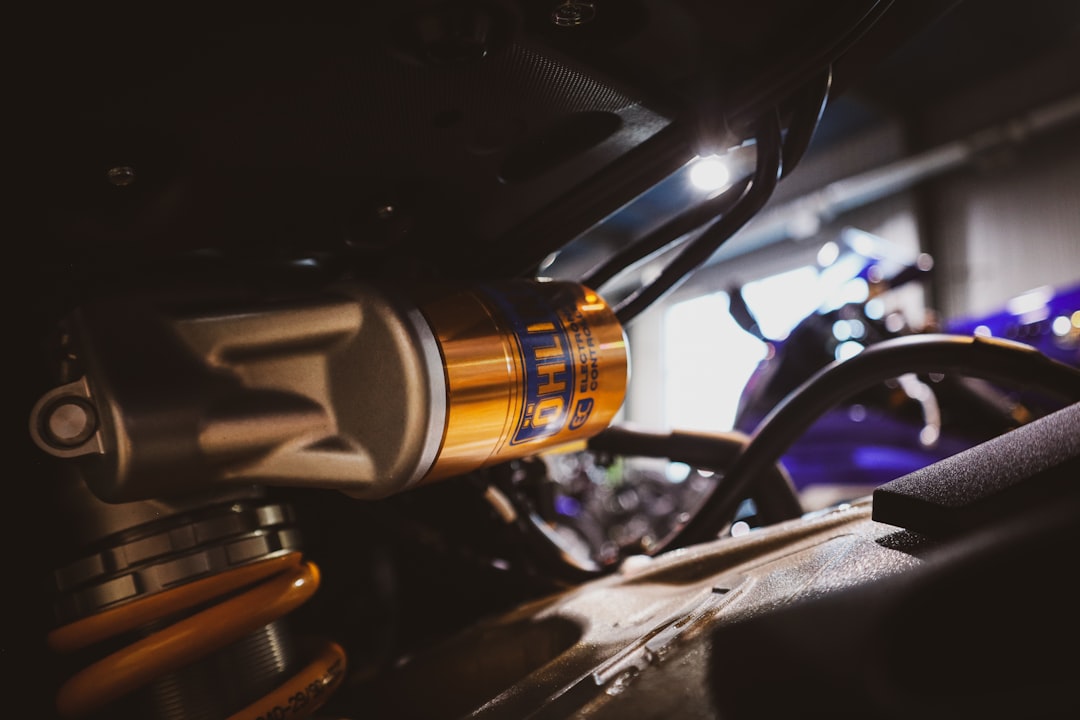
- Bilstein & KW Suspensions (Aftermarket, Europe/US): For those not buying new, companies like Bilstein with their B8 series and KW Variant 3 coilovers have become benchmarks in the aftermarket space. These systems allow independent adjustment of compression and rebound damping, letting you fine-tune the ride without compromising safety margins. A proper KW V3 install on a Volkswagen Golf, for example, can actually improve daily ride comfort over worn factory shocks while providing better control.
- Toyota (Japan/Global): The 2026 Land Cruiser 300 series uses a kinetic dynamic suspension system (KDSS) that hydraulically disconnects the anti-roll bars during off-road use, allowing greater wheel articulation — then re-engages them on pavement for stability. It’s a brilliant example of a suspension that serves dual purposes without compromise.
Step-by-Step: How to Actually Improve Your Ride Quality Through Tuning
Before spending anything, run through this logical checklist:
- Step 1 — Inspect first. Worn shock absorbers (typically beyond 80,000–100,000 km) are the #1 cause of poor ride quality. Replacing worn OEM shocks with quality equivalents (Monroe Reflex, KYB Excel-G) often restores the original ride feel completely — at a fraction of the cost of a full upgrade.
- Step 2 — Check your bushings. Deteriorated rubber bushings introduce noise, vibration, and harshness (NVH). Polyurethane bushings are firmer and more durable, but for daily comfort, quality OEM-spec rubber replacements are often the better call.
- Step 3 — Tire pressure and tire type. This is criminally underrated. A tire inflated 10 PSI over spec transmits significantly more road imperfections. Additionally, a tire with a taller sidewall profile (e.g., 205/60R16 vs. 205/40R18) acts as an additional cushion — this is why low-profile performance tires on city roads feel brutal.
- Step 4 — If upgrading, match your components. If you want lower ride height AND better comfort, invest in a proper coilover kit with adjustable damping. Budget around $800–$2,500 USD for quality units. Do NOT pair performance lowering springs with stock shocks.
- Step 5 — Get a four-wheel alignment after any suspension work. Even replacing shocks can slightly shift geometry. A misaligned suspension will fight itself on every road imperfection.
Realistic Alternatives: Not Everyone Needs a Full Suspension Overhaul
Here’s where I want to be really honest with you — full suspension tuning isn’t always the right answer. Let’s match the solution to the actual situation:
- If your car is under 5 years old and under 60,000 km: Your suspension is likely fine. The discomfort may be coming from tire choice, wheel size, or alignment. Start there.
- If you just want less road noise: Acoustic undercoating and deadening materials (like Dynamat or similar foam-based products) target NVH at the source without touching suspension geometry.
- If you drive an older vehicle on a tight budget: A quality OEM-equivalent shock replacement (all four corners) plus new bushings will deliver 80% of the benefit of a full aftermarket upgrade at roughly 20–30% of the cost.
- If you’re considering lowering springs for looks: Be very deliberate. A drop of more than 25–30mm on a daily driver almost always compromises comfort on real-world roads. Consider a modest 15–20mm drop paired with matched dampers as a sweet spot.
- If you have an EV or hybrid: These vehicles are heavier and have different weight distribution. Make sure any aftermarket suspension is rated for your vehicle’s actual curb weight — many off-the-shelf kits are designed for ICE variants and may be mismatched.
The bottom line? Suspension tuning for ride quality improvement is a wonderfully nuanced topic — and the best outcome almost always comes from understanding your specific problem first, then working backwards to the solution. A methodical approach beats throwing parts at the car every single time.
Editor’s Comment : After years of testing and writing about cars, the most satisfying suspension stories I hear are never about the most expensive kits — they’re about the person who replaced four worn shocks, got a proper alignment, and felt like they had a brand new car. Start simple. Be systematic. And if you do go the full coilover route, partner with a shop that has a proper alignment rack and experience with your specific platform. Your spine will thank you.
태그: [‘suspension tuning’, ‘ride quality improvement’, ‘coilover upgrade’, ‘shock absorber replacement’, ‘car handling’, ‘automotive suspension tips’, ‘NVH reduction’]
Leave a Reply