A friend of mine drove a 2021 sedan for nearly four years without a single battery replacement — and no, she wasn’t just lucky. She was deliberate. Every time I’d complain about my car dying in a parking lot (embarrassingly twice in one winter), she’d calmly walk me through habits she’d picked up from her father, a retired auto technician. Fast forward to 2026, and with EV adoption rising but internal combustion engine (ICE) vehicles still dominating driveways worldwide, knowing how to genuinely extend your 12V lead-acid or AGM battery’s life is still one of the most practical automotive skills you can have.
Why Car Batteries Fail Faster Than They Should
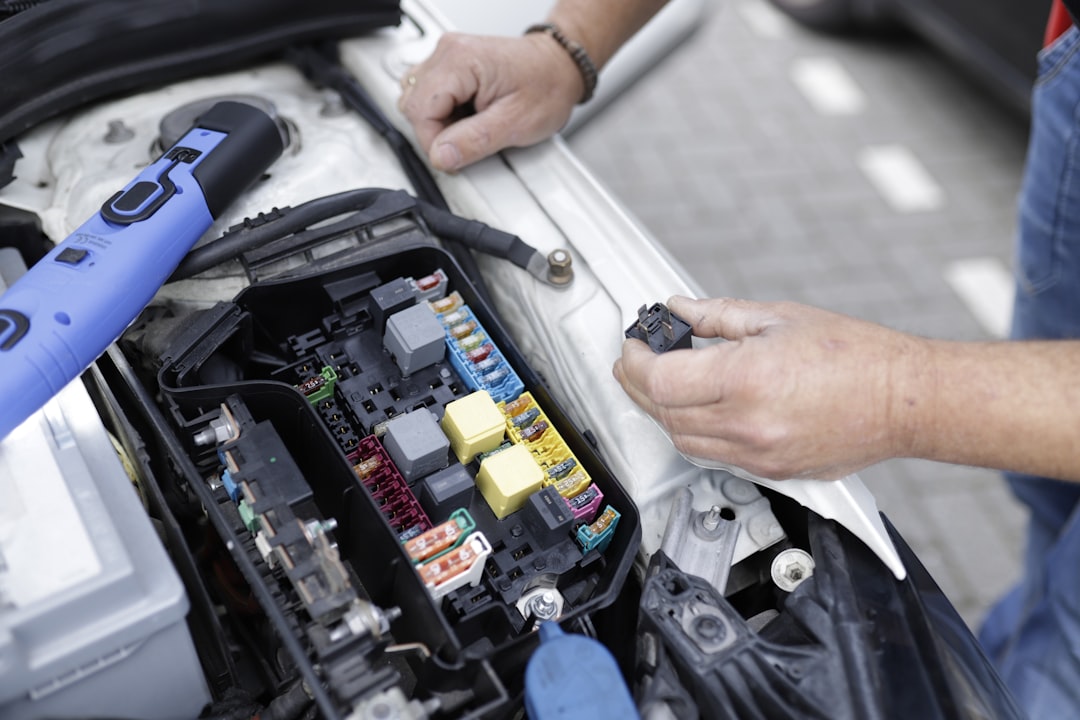
Here’s a sobering stat: the average car battery is rated for 3–5 years, yet AAA data and industry surveys from early 2026 show that a significant portion of battery failures happen before the 3-year mark — largely due to preventable user habits. The culprits? Frequent short trips, extreme temperature swings, and parasitic drain from always-on electronics. Modern vehicles in 2026 are loaded with features — ambient sensors, connected dashboards, OTA update receivers — all quietly sipping power even when parked.
Understanding battery chemistry helps here. Most non-EV cars still use lead-acid or absorbed glass mat (AGM) batteries. AGM batteries, now standard in most 2023–2026 model vehicles with start-stop systems, are more resilient but equally sensitive to deep discharge cycles. Each time your battery drops below 50% charge, it ages measurably faster. This is called sulfation — lead sulfate crystals build up on the plates and reduce capacity over time.
The Real Data Behind Temperature & Battery Degradation
Temperature is arguably the single biggest external enemy of battery longevity. According to Battery Council International (BCI) guidelines updated in 2025, battery capacity can drop by as much as 35% in freezing temperatures (below 0°C / 32°F), and sustained heat above 35°C (95°F) accelerates internal corrosion and water loss in flooded batteries. If you’re in Seoul, Chicago, or Dubai — three cities with wildly different but equally battery-hostile climates — this matters enormously to your maintenance strategy.
Proven Tips to Extend Your Car Battery Life in 2026
- Take longer drives regularly: Short trips under 15 minutes don’t give your alternator enough time to fully recharge the battery after startup. Aim for at least one 30-minute highway drive per week if you mostly do city errands.
- Use a smart trickle charger if parked long-term: CTEK and NOCO are two well-regarded brands in 2026 offering smart chargers that automatically stop when the battery is full — no overcharging risk.
- Turn off all electronics before shutting down: Headlights, seat warmers, and infotainment systems left on even briefly after engine off can initiate slow drain cycles that compound over weeks.
- Clean terminals every 6 months: White or blue-green corrosion on battery terminals increases resistance and forces harder charging cycles. A simple baking soda-water solution and a wire brush fix this in 10 minutes.
- Park in shaded or covered areas in summer: Engine bay temperatures in direct sunlight can exceed 60°C (140°F) in July and August — brutal for any battery chemistry.
- Test your battery twice a year: Most auto parts stores (AutoZone, O’Reilly, Halfords in the UK) offer free battery load tests. Testing in early spring and early fall catches degradation before it strands you.
- Minimize parasitic drain from aftermarket accessories: Dash cams, phone chargers left plugged in, and aftermarket alarms are common culprits. Use a multimeter or a smart OBD-II dongle to identify abnormal drain.
Real-World Examples: How Drivers in Different Climates Handle This
In South Korea, where winters in cities like Incheon can drop to -15°C, many drivers have adopted the habit of using battery blankets — insulated wraps that maintain thermal stability overnight. Local auto shops report that customers who use these see battery replacements pushed back by an average of 12–18 months. It’s a small investment (roughly ₩15,000–₩30,000 / ~$11–$22 USD in 2026) with a disproportionate return.
In Australia, where summer temperatures regularly exceed 40°C in cities like Adelaide and Perth, the NRMA (National Roads and Motorists’ Association) has consistently recommended AGM over standard flooded batteries for their heat resilience. Australian workshops in 2026 have largely shifted their default replacement recommendation to AGM for this reason. The upfront cost is 20–40% higher, but the extended service life under heat stress makes it cost-effective over a 5-year vehicle ownership window.
In the United States, where the start-stop vehicle segment has grown to represent over 45% of new car sales by 2026, fleet management companies are integrating battery health monitoring into their telematics systems. Companies like Geotab and Samsara now offer real-time battery voltage tracking as part of their standard dashboards — alerting fleet managers before a failure disrupts operations. Individual car owners can mimic this with affordable OBD-II Bluetooth adapters paired with apps like Car Scanner or Torque Pro.
When Extension Isn’t Enough: Realistic Alternatives
Let’s be honest — no maintenance routine makes a battery immortal. If your battery is already 4+ years old, showing voltage below 12.4V at rest, or failing a load test, the smart move is proactive replacement rather than chasing another 6 months. The cost of a tow, a missed meeting, or a car that won’t start in a remote area far outweighs a $150–$250 battery replacement.
For those considering the switch to an EV or hybrid in 2026, it’s worth noting that while high-voltage traction batteries have their own longevity considerations, the 12V auxiliary battery in EVs (yes, they still have one) follows the same rules outlined above. So these habits remain relevant regardless of your powertrain.
If you’re budget-constrained and your battery is borderline, a quality smart charger ($40–$80) combined with disciplined driving habits can realistically squeeze 6–12 more months out of a marginal battery — buying you time to budget for a proper replacement without the panic of an unexpected failure.
Editor’s Comment : The most underrated car maintenance habit in 2026 is also one of the simplest — just pay attention. A battery that’s failing gives you signals weeks in advance: sluggish starts, dimming lights at idle, electronics behaving oddly. The drivers who never get stranded aren’t the ones with magic products; they’re the ones who test early, clean regularly, and replace before crisis mode. Treat your battery like a subscription you proactively manage, not a component you replace reactively, and it’ll reward you with years of reliable service.
태그: [‘car battery tips 2026’, ‘extend car battery life’, ‘AGM battery maintenance’, ‘auto battery care guide’, ‘prevent battery failure’, ‘car maintenance 2026’, ‘battery longevity hacks’]
Leave a Reply