Picture this: you’ve just bolted on a brand-new cat-back exhaust system, and the rumble is absolutely intoxicating. You pull out of your driveway, give it a little throttle blip, and — your neighbor’s curtains twitch. Three days later, there’s a notice on your windshield from local code enforcement. Sound familiar? It’s one of the most common stories I hear from exhaust enthusiasts, and honestly, it’s 100% avoidable if you know the rules going in.
In 2026, exhaust tuning regulations have gotten noticeably stricter in several countries, especially with the rise of EV-dominant urban planning and noise pollution awareness campaigns. But here’s the thing — that doesn’t mean the hobby is dead. It just means we need to be smarter about it. Let’s think through this together.
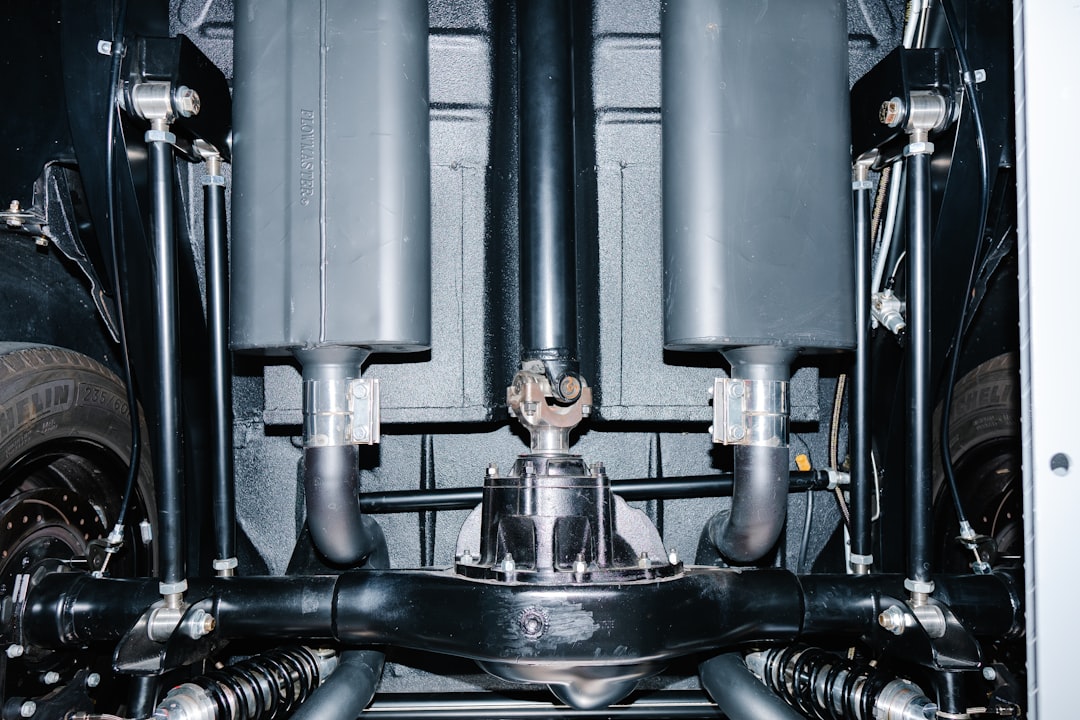
🔊 Understanding Noise Limits: The Numbers That Actually Matter
Let’s start with the hard data, because this is where most enthusiasts get tripped up. Noise is measured in decibels (dB(A)) — the “A” weighting refers to how the human ear perceives sound. Here’s a quick snapshot of 2026 noise limits across key regions:
- United States (EPA & State Level): Federal guidelines cap passenger vehicles at 80 dB(A) at highway speeds, but states like California (under CARB 2026 revisions) now enforce a stricter 76 dB(A) drive-by standard. Some municipalities go even lower — 72 dB(A) in certain LA and Bay Area zones.
- European Union (EU Regulation 540/2014 + 2026 Updates): New type-approval vehicles must stay under 72 dB(A) for passenger cars. Aftermarket systems must carry an EU-compliant certificate showing they don’t exceed OEM levels by more than 3 dB(A).
- South Korea (Ministry of Environment 2026 Standard): Passenger vehicles are limited to 74 dB(A), with strict enforcement at vehicle inspection stations (정기검사). Modifications that exceed OEM exhaust noise output can result in fines up to ₩1,000,000 and mandatory re-inspection.
- Japan (JASMA Standards): Japan’s exhaust industry self-regulates through the Japan Automotive Sports Muffler Association (JASMA), which certifies products at 96 dB(A) near-field (a different measurement method). JASMA-certified exhausts are generally street-legal in Japan but may still trigger issues during shaken (vehicle inspection).
- Australia (ADR 83/00): Drive-by noise limit sits at 74–77 dB(A) depending on vehicle class. Modified exhausts must comply with state-specific modification plates in Queensland, NSW, and Victoria.
Here’s the nuance that most blogs skip: dB is a logarithmic scale. A jump from 72 dB to 75 dB isn’t a small 4% increase — it actually represents roughly twice the perceived loudness. This is why even a small muffler swap can push you over the legal threshold faster than you’d expect.
🌍 How Countries Are Enforcing These Rules in 2026
Enforcement has evolved significantly. Let’s look at a few real-world examples that illustrate where this is heading.
Germany — Acoustic Speed Cameras: Several German cities, including Berlin and Munich, piloted acoustic speed cameras (Lärm-Blitzer) in 2024, and by 2026, over 200 units are deployed nationwide. These roadside devices automatically detect vehicles exceeding noise thresholds and cross-reference license plates for fines — no officer required. The fine starts at €100 but can escalate to €270+ for repeat offenders.
South Korea — Inspection Crackdown: Korea’s 2026 정기검사 (regular vehicle inspection) cycle now includes a mandatory roadside noise test for any vehicle flagged as modified. The National Police Agency also runs periodic 소음단속 (noise enforcement) campaigns, especially during spring and autumn — peak car meet seasons.
California, USA — OBD III Compatibility: Under California’s expanding emissions and compliance framework, some newer inspection systems now cross-check whether aftermarket exhaust components carry valid CARB EO (Executive Order) numbers. An exhaust without a CARB EO number on a post-2020 vehicle is automatically non-compliant — regardless of actual sound output.
United Kingdom — Post-Brexit Standards: The UK now operates under its own UKCA marking framework for automotive aftermarket parts. Products previously EU-certified need separate UKCA documentation to be considered street-legal in England, Scotland, and Wales — something many online retailers still haven’t caught up with.
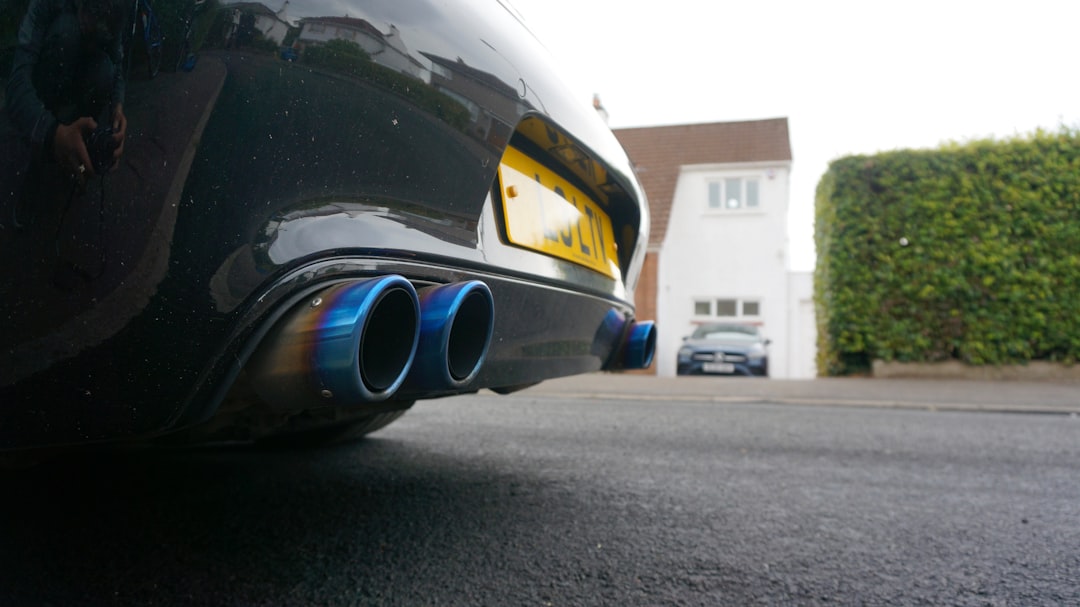
🛠️ Recommended Exhaust Products That Balance Performance and Legality (2026)
Now, the fun part. Here are some products that enthusiasts and professionals are genuinely excited about in 2026, with compliance in mind:
- Akrapovič Slip-On Line (Universal & Model-Specific): The Slovenian brand continues to set the gold standard. Their slip-on systems for popular platforms like the BMW M2, Honda Civic Type R, and Porsche 911 come with sound levels typically in the 74–78 dB(A) range. Many carry EU type-approval certificates. Premium pricing (USD $1,200–$3,500), but the build quality and drone-free highway tone are hard to beat.
- Borla ATAK & S-Type Series: For the American market, Borla remains a go-to. The ATAK is their loudest street-legal option; the S-Type is more subdued and often clears California’s 76 dB limit. Both are made from T-304 stainless steel and carry a million-mile warranty. Price range: USD $600–$1,800.
- HKS Hi-Power Spec-L (JASMA Certified): For Japan-market and JDM-oriented builds, HKS’s Spec-L line is JASMA certified and hits that satisfying mid-range bark without crossing into ear-splitting territory. It’s a solid pick if you’re targeting a balance of sound character and pass-the-shaken reliability. Price: ¥85,000–¥150,000 depending on fitment.
- Remus Exhaust (EU-Compliant Focus): Austrian brand Remus offers a wide catalog of EU type-approved exhausts across European makes. Their Sport Exhaust with integrated valve is particularly clever — an actuated valve lets you switch between a quieter “comfort” mode and a sportier tone, which is perfect for navigating urban noise zones. Price: €800–€2,200.
- MagnaFlow Street Series: A budget-conscious choice that doesn’t feel cheap. MagnaFlow’s Street Series is designed specifically to stay within US noise limits while delivering a noticeably deeper tone than OEM. Great entry point for beginners. Price: USD $250–$700.
- Kakimoto Racing Hyper Full Mega (Korea/Japan Market): Popular among Korean enthusiasts for its aggressive but manageable sound profile. Check compatibility with Korean inspection standards before purchasing — some fitments are borderline and may require documentation.
💡 Smart Alternatives If You’re Stuck in a Strict Zone
Here’s where I want to be realistic with you, because not everyone can just drop $2,000 on an exhaust and call it a day — especially if you’re in a city or region with zero tolerance for noise modifications.
- Resonator Delete: Instead of replacing the entire exhaust, removing or replacing just the resonator (a sound-dampening canister in the mid-pipe) can add subtle tone enhancement without dramatically raising dB levels. Cost: $50–$200 for parts + labor.
- High-Flow Catalytic Converters: A legal upgrade in most jurisdictions (check local emissions laws), a high-flow cat improves exhaust flow and adds a slight performance bump without changing sound significantly. Brands like Random Technology and Catalytic Solutions are worth exploring.
- Active Sound Design (ASD) for EVs and Modern ICE Cars: If you drive a newer vehicle with an infotainment system, some brands like BMW and Mercedes now offer software-based ASD tuning through their connected apps. It enhances interior sound without any external dB output — totally regulation-proof.
- Track Day Exhaust Strategy: Buy a dedicated (louder) track exhaust and swap back to your stock or street-legal unit for daily driving. Many serious enthusiasts do this and keep both systems on hand. Labor cost to swap is typically 1–2 hours at a shop.
🔧 Before You Buy: A Quick Compliance Checklist
- ✅ Know your local dB(A) limit (city/state/national — all three can differ)
- ✅ Confirm the product has the appropriate certification for your region (CARB EO, EU type-approval, JASMA, etc.)
- ✅ Check if your vehicle is subject to periodic inspections that include noise testing
- ✅ Ask the seller for documented sound test results — not just marketing claims
- ✅ Consider whether your neighborhood/parking situation makes a louder exhaust a social liability
The bottom line? Exhaust tuning in 2026 is absolutely still worth pursuing — it’s just evolved into a more calculated decision. The good news is that manufacturers have responded to tighter regulations with genuinely impressive engineering, and the sweet spot between legal and satisfying has never been wider.
Editor’s Comment : I’ve seen too many enthusiasts buy the loudest exhaust they can find, only to spend months stressing about inspections or neighbor complaints. My honest take: the most satisfying builds I’ve seen in 2026 are the ones where the owner spent two hours researching legality before spending a single dollar on parts. Sound is personal — but a fine or a failed inspection isn’t. Start smart, tune smart, and enjoy every single drive.
태그: [‘exhaust tuning’, ‘car noise regulations 2026’, ‘aftermarket exhaust’, ‘performance exhaust systems’, ‘CARB exhaust compliance’, ‘muffler recommendations’, ‘automotive sound laws’]
Leave a Reply