A friend of mine — let’s call her Sarah — bought her first electric vehicle back in early 2025. About a year in, she called me almost giddy: “I just realized I haven’t been to a mechanic once.” No oil changes, no transmission fluid, no spark plug replacements. Just tires and a car wash. Meanwhile, her neighbor with a comparable gas-powered sedan had already spent close to $900 on routine maintenance in the same period. That little contrast got me thinking: just how wide is this cost gap, really? Let’s dig into the numbers together — because the answer is more nuanced than most people expect.
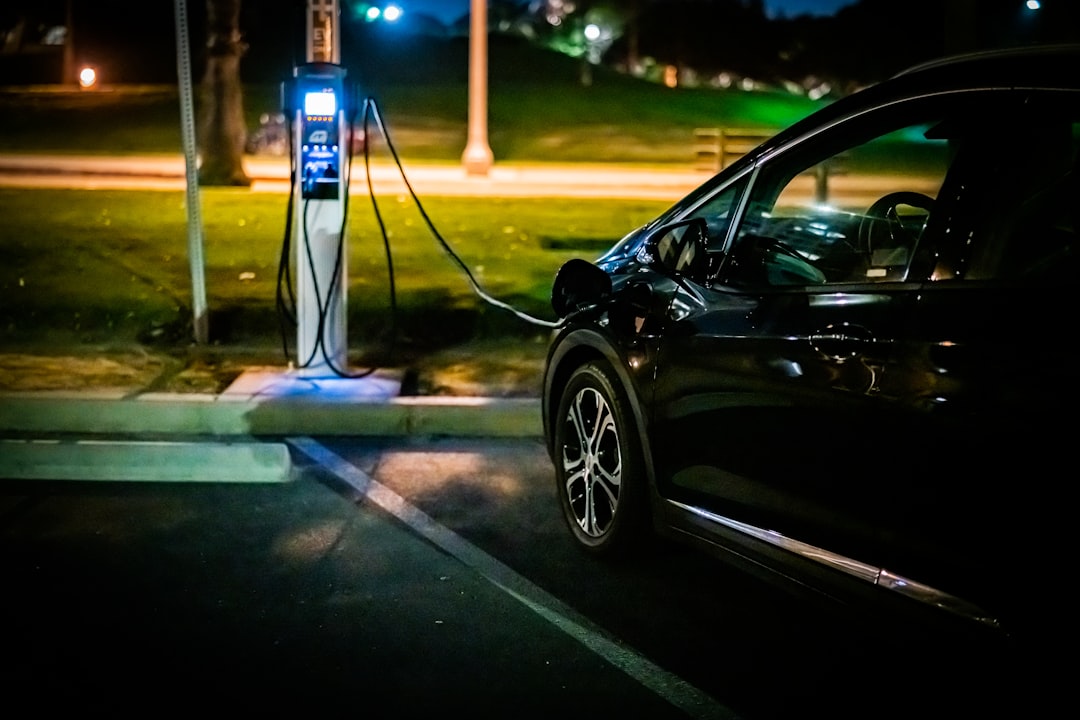
🔧 The Anatomy of Maintenance Costs: What You’re Actually Paying For
To compare fairly, we need to break maintenance into its core categories. Internal combustion engine (ICE) vehicles — the traditional gas-powered kind — have dramatically more moving parts than electric vehicles (EVs). We’re talking roughly 2,000+ mechanical components in a typical ICE drivetrain versus around 20 moving parts in a standard EV motor. Fewer parts = fewer things to break. Simple math, genuinely powerful savings.
Here’s a rough annual maintenance cost breakdown based on 2026 averages across the U.S. and major global markets:
- Oil changes (ICE only): $120–$250/year (assuming 3–4 changes for conventional oil, or 1–2 for synthetic)
- Transmission service (ICE only): $150–$300 every 30,000–60,000 miles
- Spark plugs & ignition (ICE only): $100–$300 every 30,000–100,000 miles depending on engine type
- Exhaust system repairs (ICE only): $200–$600 over the vehicle’s lifetime
- Brake pads & rotors (Both, but EVs less frequently): EVs use regenerative braking, reducing brake wear by up to 70%. ICE: ~$300–$500 every 30,000 miles. EVs: often $200–$300 every 60,000–80,000 miles.
- Tire rotation & replacement (Both equally): ~$80–$120/year for rotation; $600–$1,200 for full replacement every 40,000–60,000 miles
- Battery coolant & thermal management (EVs): Minimal — roughly $50–$100 every 5 years
- 12V auxiliary battery (Both): $100–$200 replacement every 4–6 years
When you add it all up, studies from 2026 — including data from AAA and Consumer Reports — consistently show that EV owners spend roughly 30–40% less per year on maintenance than their ICE counterparts. For the average American driver, that translates to saving $800–$1,200 annually.
📊 Real-World Examples: What Drivers Are Actually Experiencing in 2026
Let’s move beyond spreadsheets and into real stories. Numbers feel very different when they’re attached to real people and real markets.
United States — Tesla Model 3 vs. Toyota Camry: A 2026 analysis by the Rocky Mountain Institute tracked 500 drivers in each category over three years. Tesla Model 3 owners averaged $412/year in maintenance. Toyota Camry (2.5L, non-hybrid) owners averaged $1,087/year. That’s not pocket change — that’s a weekend getaway every single year.
South Korea — Hyundai IONIQ 6 vs. Hyundai Sonata: This is a fascinating apples-to-apples comparison from the same manufacturer. Korean automotive consumer groups reported in early 2026 that IONIQ 6 owners paid an average of ₩480,000/year (~$360 USD) in maintenance, versus ₩1,150,000/year (~$860 USD) for Sonata owners — a 58% cost reduction. The gap is even wider there partly because labor rates at Korean dealerships for ICE service remain high relative to the savings EVs offer.
Germany — Volkswagen ID.7 vs. VW Passat: Germany’s ADAC (their equivalent of AAA) published 2026 data showing ID.7 drivers saving an average of €750/year in service costs versus Passat TDI drivers. Interestingly, the diesel Passat’s maintenance gap was smaller than gasoline equivalents — but the EV still won decisively.
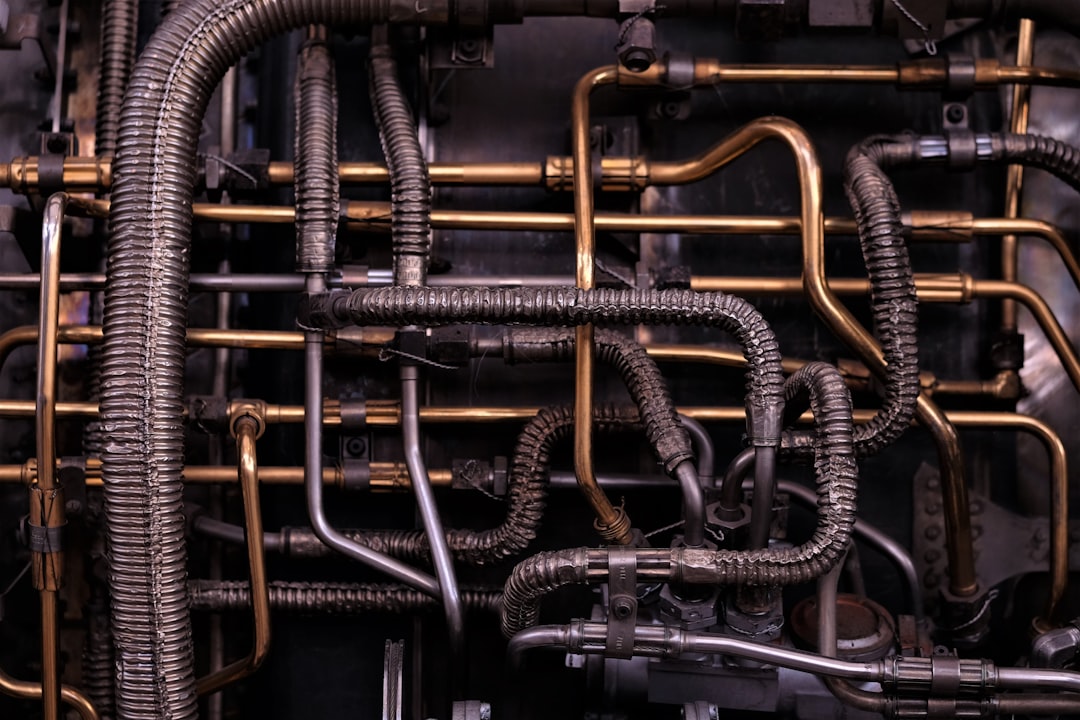
⚠️ The Hidden Wildcard: Battery Replacement Costs
Here’s where honesty matters. The conversation about EV maintenance would be incomplete — even misleading — without discussing battery degradation. EV batteries don’t last forever. Most modern EV batteries are warrantied for 8 years or 100,000 miles (in the U.S., per federal mandate), but after that, replacement costs can be significant.
In 2026, battery pack replacement prices have fallen substantially — we’re now looking at roughly $6,000–$10,000 for most mid-range EVs, down from $15,000+ just five years ago. Solid-state battery technology is beginning to enter the market, promising longer cycle life, which should push these costs down further by 2028. Still, if you’re planning to keep your EV beyond 150,000 miles, this is a real financial variable worth modeling into your decision.
Here’s a practical way to think about it: if you save $900/year in maintenance over 10 years, that’s $9,000 saved — enough to offset or partially offset a battery replacement. The math, for most drivers, still tilts EV-positive.
🚗 Who Should Actually Consider Sticking With an ICE Vehicle?
Let’s be realistic — EVs aren’t the universal right answer for everyone in 2026. Consider these scenarios where an ICE vehicle might still make more financial sense:
- Rural drivers with no home charging: Public charging infrastructure in remote areas, while improving, still creates range anxiety and inconvenience that adds real time cost.
- Low annual mileage drivers (under 7,000 miles/year): The maintenance savings accrue slowly; the higher upfront cost of EVs may not break even within a reasonable ownership window.
- Drivers in extreme cold climates: Battery efficiency drops 20–40% in temperatures below -10°C (14°F), which can effectively increase your “fuel” cost per mile significantly.
- Used car buyers on tight budgets: A reliable 2019–2021 ICE vehicle at $12,000 still offers lower total cost of ownership than a used EV with an aging battery at $18,000–$22,000, in many cases.
💡 Realistic Alternatives & Smart Middle-Ground Options
If you’re not quite ready to go fully electric but want to escape some of the ICE maintenance burden, hybrid vehicles — particularly plug-in hybrids (PHEVs) — offer a compelling middle path in 2026. They reduce but don’t eliminate oil changes, they feature regenerative braking for brake savings, and their batteries are smaller (thus cheaper to replace). Toyota, Hyundai, and Ford all have strong PHEV lineups this year that deserve serious consideration.
Another smart move? If you’re buying an EV, prioritize models with active thermal management systems (liquid-cooled batteries) over passive cooling — they degrade significantly more slowly, protecting your long-term investment.
Editor’s Comment : After spending weeks buried in maintenance cost data, the conclusion that surprises me most isn’t that EVs are cheaper to maintain — that part’s fairly settled science at this point. What surprises me is how context-dependent the actual savings are. Your climate, your driving habits, your access to charging, and your ownership timeline all change the equation dramatically. The smartest thing any car buyer can do in 2026 isn’t to follow the trend — it’s to honestly map their own driving life and then let the numbers speak. Do that, and you’ll make a decision you won’t regret two years from now.
태그: [‘electric vehicle maintenance cost 2026’, ‘EV vs ICE cost comparison’, ‘electric car vs gas car expenses’, ‘EV battery replacement cost’, ‘car ownership costs 2026’, ‘plug-in hybrid vs electric car’, ‘automotive maintenance savings’]
Leave a Reply