A friend of mine recently bought a sleek imported German sedan — gorgeous machine, heads turn everywhere he goes. But when he started talking about upgrading the suspension and adding a cold air intake, his mechanic handed him a quote that made his jaw drop. Meanwhile, another buddy with a Korean-made sport compact had nearly the same mods done for less than half the price. That conversation stuck with me, and honestly, it’s something every car enthusiast should think hard about before they swipe their card at the dealership.
So let’s dig into the real numbers and logic behind tuning a domestic (Korean-made) car versus an imported vehicle in 2026 — because the sticker price of the car is really just the beginning of the story.
Why Tuning Costs Differ So Dramatically
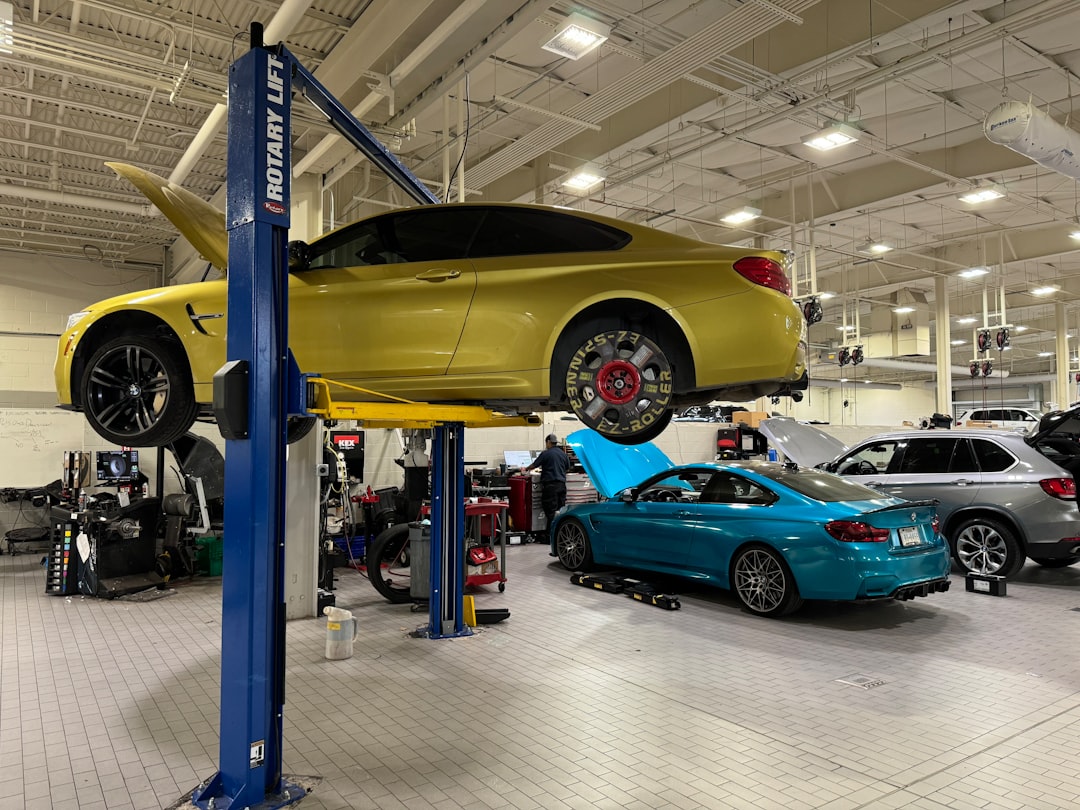
Before we get into the numbers, it helps to understand why there’s such a gap. The core factors driving tuning cost differences come down to three things: parts availability, labor complexity, and ECU (Engine Control Unit) compatibility. Imported vehicles often use proprietary software, require specialized diagnostic tools, and rely on parts that either need to be ordered internationally or sourced through certified dealers at a premium.
Domestic cars — think Hyundai, Kia, and Genesis — benefit from a much more robust local aftermarket ecosystem in Korea and increasingly so in global markets. Tuning shops are more familiar with these platforms, and the community-driven modding culture means more affordable, well-tested options exist.
Breaking Down the Numbers: Entry-Level Mods
Let’s compare some of the most common entry-level modifications across both categories. These figures are based on average market rates in 2026 across South Korea and major international tuning hubs.
- Cold Air Intake: Domestic (e.g., Hyundai Elantra N) — approx. $150–$300 | Import (e.g., BMW 3 Series) — approx. $350–$700
- Cat-Back Exhaust System: Domestic — $400–$900 | Import — $800–$2,000+
- Suspension Lowering Springs: Domestic — $200–$500 installed | Import — $500–$1,200 installed
- ECU Tune / Remap: Domestic — $300–$600 | Import — $700–$1,800 (often requires proprietary software license)
- Brake Upgrade Kit: Domestic — $600–$1,000 | Import — $1,200–$3,500
As you can see, the gap compounds quickly. A modest “Stage 1” build on a domestic sport car might run you $1,500–$2,500 all-in. The equivalent build on a European import? You’re realistically looking at $3,500–$6,000 or more.
Real-World Examples: Kia Stinger vs. BMW 5 Series
Let’s take two comparable sport sedans from 2026 — the Kia Stinger GT and a used BMW 540i — and walk through a mid-level tuning build scenario.
The Kia Stinger GT has become something of a cult classic in the tuning world. With its twin-turbo 3.3L V6, there’s a thriving aftermarket. A typical mid-level build including a downpipe, ECU tune, intake, and suspension coilovers lands around $3,500–$5,000 with labor. Parts ship quickly, and dozens of specialized shops know the platform cold.
The BMW 540i, meanwhile, carries the prestige but also the price tag. Many of the same modifications require BMW-specific VANOS-compatible components, a dealer-certified or specialist ECU tool (like MHD or BM3 licenses), and labor from shops that have invested heavily in German diagnostics. The same scope of work? Easily $7,000–$12,000, and that’s without touching the transmission or cooling system.
Hidden Costs That Almost Nobody Talks About
The parts and labor are just the visible iceberg tip. Here are some costs that sneak up on import car tuners:
- Import duties on parts: Specialty European OEM or performance parts can carry 8–15% import tariffs depending on origin and classification.
- Extended lead times: Waiting 4–8 weeks for a part isn’t unusual with imports, especially for niche European makes. Time = money if you’re renting a car in the meantime.
- Warranty complications: Imported luxury vehicles often come with more restrictive warranty terms, and unauthorized ECU modifications can void coverage entirely — a risk worth quantifying.
- Specialized labor rates: Shops certified or experienced with European platforms typically charge 20–40% more per labor hour than general tuning shops.
- Recalls and software updates: Some import manufacturers push OTA (over-the-air) software updates that can revert or conflict with aftermarket ECU tunes — an increasingly common headache in 2026.
When Importing Makes Sense Anyway
Now, I’m not here to tell you imports are a bad idea for tuning — that would be too simple. There are genuinely compelling reasons to go the import route:
- If you’re building for a specific motorsport class that mandates certain platforms (e.g., European Touring Car spec events), the import is non-negotiable.
- German and Japanese platforms like the BMW M2 or Toyota GR86 (imported variant) have exceptionally deep global tuning communities, meaning long-term support is excellent.
- Some European cars have stronger resale value even after modification, partially offsetting the higher build cost.
- If you’re in Europe or near major tuning hubs, the cost gap shrinks considerably due to parts availability.
Realistic Alternatives for Budget-Conscious Enthusiasts in 2026
If you love the idea of a tuned performance car but don’t want to drain your savings, here’s how to think strategically:
- Go domestic first, go deep: A fully built Hyundai i30 N or Kia EV6 GT is genuinely exciting and comparatively affordable to modify. Master one platform rather than spreading thin.
- Consider a used import with a known tune: Buying a lightly used import that’s already been sensibly modified by a reputable shop can save you the initial labor and parts premium.
- Stage your build: Don’t try to do everything at once. A phased build — intake and tune first, then suspension, then exhaust — lets you spread cost and learn how each change affects the car.
- Join the community early: Tuning forums and owner clubs often have group buy discounts on parts. The Stinger community, for example, regularly runs group buys that cut part costs by 15–25%.
The bottom line? Domestic cars in 2026 offer a genuinely compelling tuning value proposition that was barely on the radar a decade ago. The engineering has caught up, the aftermarket has matured, and the savings are real. That doesn’t mean imports are wrong — it means you should go in with your eyes wide open and a spreadsheet handy.
Editor’s Comment : I’ve seen too many enthusiasts fall in love with an imported car’s badge, buy it on passion, and then quietly sell it two years later because the tuning costs bled them dry. The smarter move in 2026 is to define your build goals first, then reverse-engineer which platform gets you there most efficiently. Sometimes that’s a Kia. Sometimes it’s a BMW. But let the math — not the badge — make that call for you.
태그: [‘car tuning cost 2026’, ‘domestic vs imported car modification’, ‘Hyundai Kia tuning’, ‘BMW tuning cost comparison’, ‘aftermarket car parts budget’, ‘ECU tune price comparison’, ‘performance car modification guide’]
Leave a Reply