A friend of mine recently walked into a dealership ready to buy last year’s model at a discount — only to walk out empty-handed after the salesperson casually mentioned that a completely redesigned version was dropping in just a few months. Sound familiar? That moment of “wait, should I hold off?” is something millions of car buyers are experiencing right now in 2026, and honestly, the lineup this year makes that hesitation completely justified.
The 2026 automotive market is one of the most dynamic we’ve seen in a decade. Between aggressive EV expansions, hybrid crossovers hitting sweet-spot price ranges, and legacy automakers finally catching up on software-defined vehicle features, there’s a lot to unpack. Let’s think through this together — because choosing the right car in 2026 isn’t just about horsepower specs anymore.
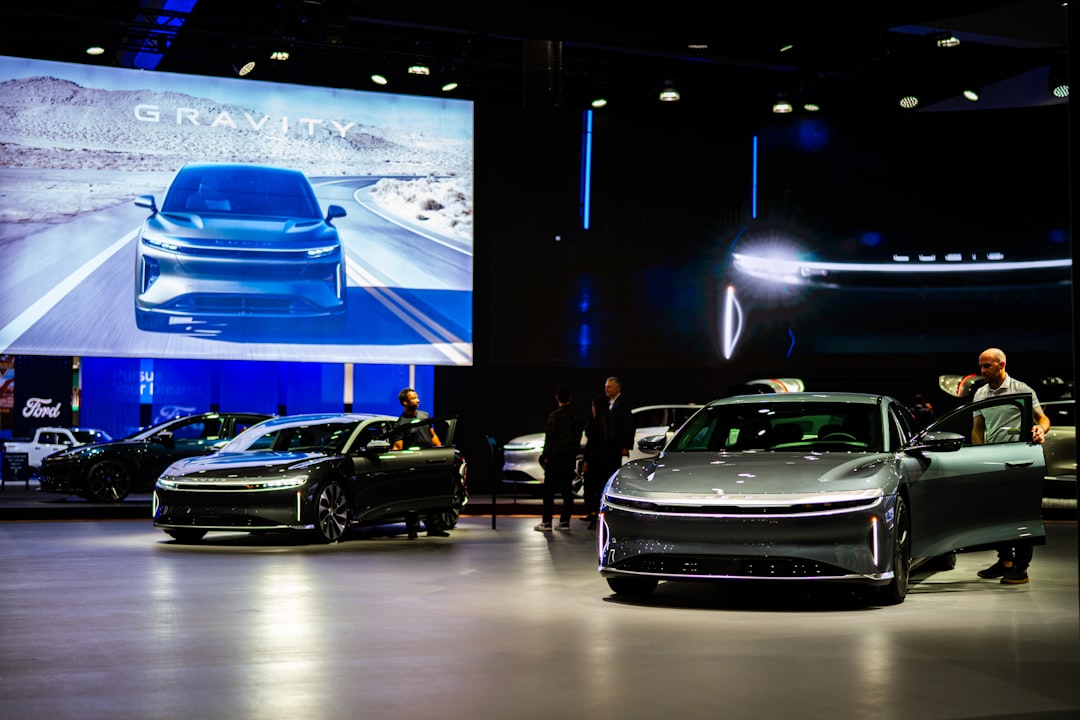
🚘 The Big 2026 Launches You Should Know About
Here’s a breakdown of the most talked-about new vehicles hitting showrooms in 2026, along with realistic price expectations:
- Toyota RAV4 PHEV Gen 3 (2026) — Starting around $38,500. Toyota redesigned the plug-in hybrid system, pushing all-electric range to an estimated 54 miles. A strong choice for suburban drivers who want flexibility without full EV commitment.
- Ford Explorer Electric (2026 refresh) — Starting near $48,000. Ford addressed the range anxiety issue from its earlier EV models, bumping estimated range to 310 miles. The interior tech stack is genuinely impressive now.
- Hyundai Ioniq 9 — Starting around $54,000. This 3-row electric SUV is Hyundai’s family flagship, and it’s generating serious buzz for its 350-mile range and ultra-fast 800V charging architecture.
- Honda Prologue Sport (2026) — Priced from $42,000. Honda’s second-gen EV collaboration with GM’s Ultium platform brings better range (295 miles) and a more Honda-like driving feel.
- Kia EV4 (2026 global debut) — Expected starting price around $32,000. This compact EV is arguably the most exciting affordable entry of the year — targeting the mass market with a sub-$35K price point and 270-mile range.
- BMW X3 Electric (2026 redesign) — Starting at approximately $62,000. BMW completely overhauled the X3 platform for this generation, and the electric variant is now the recommended trim over the combustion models in most markets.
- Chevrolet Equinox EV LT (2026 expanded availability) — Holding strong at around $34,995. After strong 2025 sales, Chevy expanded production and added new color/trim options for 2026.
📊 Price Tier Analysis: Where Does the Value Actually Live?
Let’s be real — the EV market in 2026 has stratified into three pretty distinct tiers, and knowing which one fits your life situation matters more than chasing specs.
Budget Tier ($28,000–$38,000): This is where the Kia EV4, Chevy Equinox EV, and Nissan Leaf Plus (discontinued but still available as leftover stock) compete. If you have home charging and drive under 200 miles daily, this tier is genuinely excellent value. The compromise is usually interior material quality and brand-name software ecosystems.
Mid-Range Sweet Spot ($38,000–$55,000): The Toyota RAV4 PHEV, Hyundai Ioniq 9, Honda Prologue Sport, and Ford Explorer Electric all live here. This is where most family buyers will find the best balance of range, features, and build quality. Interestingly, PHEVs in this range are outperforming pure EVs in resale value projections for 2026 — something worth factoring in if you plan to sell within 4 years.
Premium Tier ($55,000+): BMW, Mercedes EQE, Audi Q6 e-tron, and Tesla Model X refresh populate this space. Unless you specifically need the brand experience or advanced driver assistance tech (like BMW’s Level 2+ highway automation), the value math gets harder to justify for practical buyers.
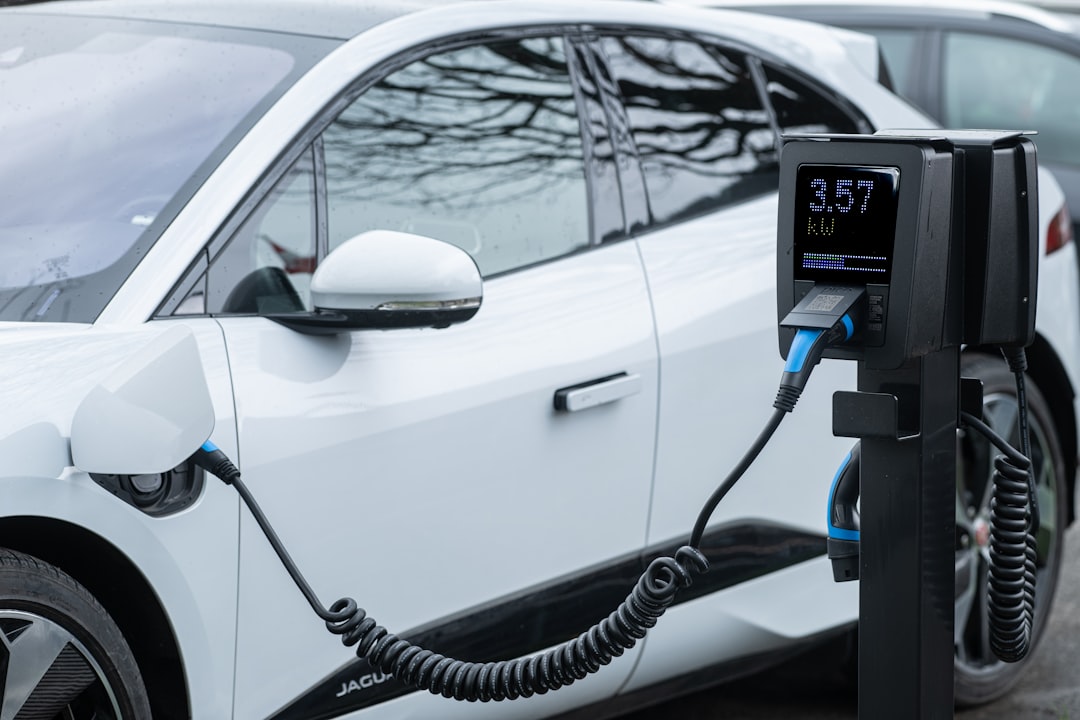
🌍 How Global Markets Are Shaping 2026 Pricing
Here’s something that doesn’t get enough attention: the 2026 car pricing environment in the US is being directly influenced by trade policy shifts and battery supply chain realignments. Several Korean and Japanese automakers have moved final assembly operations closer to North America to maintain eligibility for the updated federal EV tax credit (currently up to $7,500 for qualifying vehicles under $55,000 MSRP for SUVs).
In contrast, the European market is seeing slightly higher baseline prices on EVs due to new EU battery passport regulations that went into effect in early 2026 — requiring manufacturers to document the entire carbon footprint and material sourcing of battery packs. It’s a consumer-friendly policy long-term, but it adds roughly €1,200–€2,500 to production costs in the short run.
South Korea, interestingly, is offering some of the best domestic EV deals in the world right now — Hyundai and Kia are heavily subsidizing home-market prices to maintain volume while they expand internationally. Buyers there can get the Ioniq 6 for the equivalent of about $27,000 after national incentives.
🤔 Should You Buy Now or Wait?
This is the real question, right? Here’s my honest take after looking at the release calendar:
If you’re eyeing anything in the budget-to-mid tier, Q1 and Q2 2026 are actually good buying windows. Inventory on 2025 leftovers is still moving, and dealers are motivated to clear space for 2026 refreshes. You can often negotiate 8–12% below MSRP on 2025 models right now.
If you specifically want one of the new 2026 models listed above (especially the Kia EV4 or Ioniq 9), expect to wait until summer availability stabilizes — launch-quarter pricing tends to be firm, and early buyer reviews will help you spot any first-batch quality issues before committing.
🔄 Realistic Alternatives Worth Considering
Not everyone needs or wants a new car in 2026 — and that’s a completely valid position. Here are some alternatives worth thinking through:
- Certified Pre-Owned 2024 EVs: With 2026 models raising the bar, 2024 Ioniq 6, Model 3 RWD, and Chevy Bolt EUV are showing up at CPO lots with significant discounts — sometimes 20–25% below original MSRP. For drivers who don’t need cutting-edge range numbers, this is outstanding value.
- Long-term lease on a 2026 PHEV: If you’re uncertain about EV infrastructure in your area, a 36-month lease on a PHEV like the RAV4 or Hyundai Tucson PHEV lets you benefit from current incentives without locking into EV technology that will likely advance significantly by 2029.
- Wait for the 2026 software-defined vehicle wave (mid-year): Several brands — including GM and Volkswagen — are mid-cycle pushing over-the-air updates to existing 2025/2026 vehicles that add notable autonomous driving features. If you already own a recent-model EV, checking your update eligibility before trading in might save you $30,000+.
Editor’s Comment : The 2026 car market feels like that moment right before a concert when everything is buzzing but nothing has quite started yet. The technology is genuinely exciting — especially for EV skeptics who’ve been waiting for range and price to hit practical thresholds — but the smart move is still to resist the hype cycle, match the vehicle to your actual driving life, and let early adopters shake out the first-batch quirks. If I were buying today? The Kia EV4 for city life, the RAV4 PHEV Gen 3 for anything involving a family road trip, and a CPO Ioniq 6 for anyone who just wants an excellent, proven EV at a honest price. The best car isn’t always the newest one — it’s the one that fits your real world, not the spec sheet.
태그: [‘2026 new cars’, ‘2026 EV price comparison’, ‘best cars to buy 2026’, ‘electric vehicle 2026’, ‘new car releases 2026’, ‘EV buying guide’, ‘2026 car market trends’]
Leave a Reply