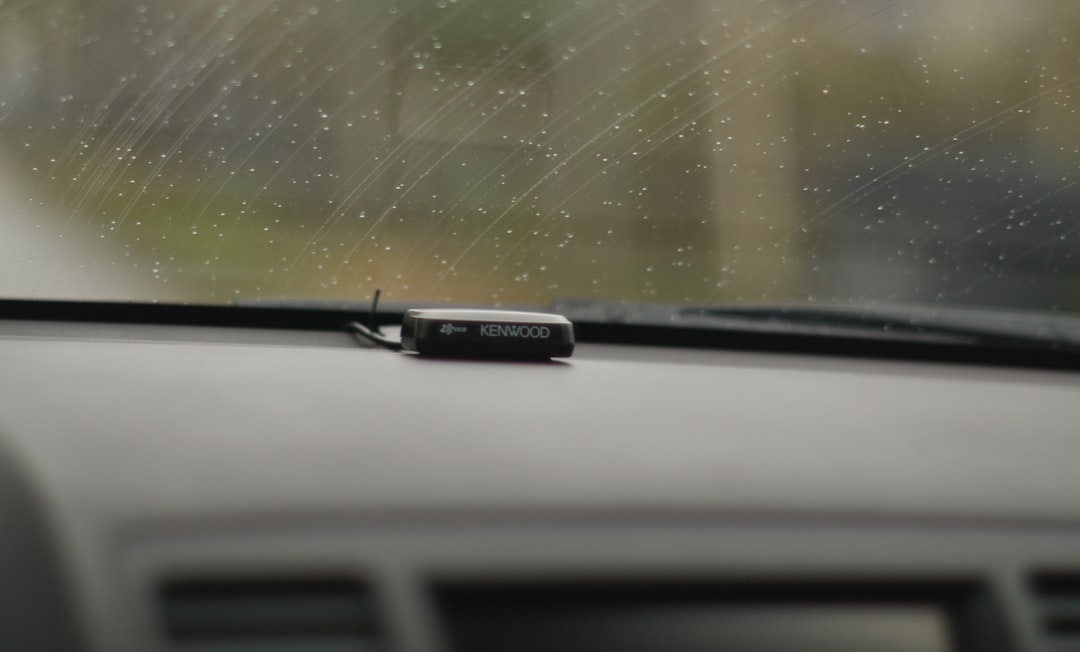
Last winter, a friend of mine was driving home during a heavy rainstorm when she realized her wipers were smearing more than clearing. She could barely see the road. Pulled over, hands shaking, she called me asking what to do. The answer? Her wiper blades were over two years old and completely worn out. It’s one of those maintenance tasks that’s so easy to overlook — until the moment it becomes a genuine safety crisis.
So let’s talk about wiper blades: what to look for, which ones are worth your money in 2026, how to swap them out yourself, and what you can realistically expect to spend.
🔍 Why Wiper Blades Matter More Than You Think
Wiper blades are arguably one of the most safety-critical yet most neglected parts of a vehicle. According to AAA’s 2025 vehicle maintenance survey, nearly 40% of drivers hadn’t replaced their wipers in over 18 months — despite the recommended replacement interval being every 6–12 months depending on climate and usage.
In regions with heavy UV exposure (think Arizona or Southern California), rubber degrades significantly faster. In cold climates like the Midwest or Canada, ice and snow accelerate wear. The bottom line: geography matters when deciding how often to replace.
📊 Types of Wiper Blades: A Practical Breakdown
Not all wiper blades are built the same. Here’s the core distinction you need to understand:
- Traditional/Conventional Blades: The classic metal frame with a rubber edge. Budget-friendly ($8–$15 per blade), widely available, but more prone to snow/ice clogging. Brands like Trico and Rain-X offer solid options here.
- Beam/Bracketless Blades: A single curved piece of rubber with no external frame. They contour better to the windshield, perform excellently in all weather, and last longer. Expect to pay $20–$40 per blade. Bosch ICON and PIAA Super Silicone are top picks in 2026.
- Hybrid Blades: A shell-covered conventional frame. They combine the affordability of traditional blades with improved weather resistance. Mid-range at $15–$25 per blade. Valeo Hybrid and Trico Force are popular choices.
- Winter/Snow Blades: Enclosed rubber boots prevent ice buildup. Essential if you live in heavy snow zones. Typically $15–$30 per blade.
🏆 Top Wiper Blade Picks for 2026
Based on long-term durability testing, consumer reviews, and real-world performance data, here’s what’s leading the market this year:
- Bosch ICON (Beam): Consistently rated #1 in the US market. Excellent all-season performance, roughly $25–$35 per blade. Available for most makes and models.
- Rain-X Latitude (Beam): Great value beam blade. Hydrophobic coating repels water even when the wiper isn’t running. Around $20–$30 per blade.
- PIAA Super Silicone: Popular in Japan and gaining US traction. Silicone compound lasts longer than rubber and deposits a light hydrophobic film on glass. $25–$40 per blade.
- Trico Exact Fit (Conventional): Best budget pick. Clean, reliable wipe for drivers in mild climates who replace frequently. $8–$14 per blade.
- Valeo 600 Series (Hybrid): Strong mid-range option with good ice resistance. $16–$22 per blade.
🌏 What’s Happening Globally: Korea, Japan & Europe
Interestingly, wiper blade culture varies by region. In South Korea, silicone-based blades (especially from brands like Kem and Mando) dominate the aftermarket — largely because Korean drivers tend to be very detail-oriented about car maintenance and appreciate the longer lifespan silicone offers. Korean auto parts retailers like AutoQ and CarPro routinely stock premium beam blades as the default option, not the exception.
In Japan, PIAA and Soft99 lead the premium segment, and it’s common for drivers to change blades seasonally — swapping to dedicated winter blades around November and back to summer blades in March. This bi-annual replacement culture is part of why Japanese vehicles typically maintain cleaner windshields.
In Europe, particularly Germany and Scandinavia, Bosch and Valeo dominate OEM supply chains. European regulations around visibility standards are strict, and many drivers opt for beam blades as the norm rather than an upgrade. The EU’s push toward sustainable materials has also driven interest in longer-lasting silicone compounds to reduce rubber waste.
🔧 How to Replace Wiper Blades Yourself (Step-by-Step)
Here’s the honest truth: replacing wiper blades is one of the easiest car maintenance tasks you can do. It takes about 10–15 minutes total and requires zero tools in most cases.
- Step 1 – Find your blade size: Check your owner’s manual or use a fitment tool on Amazon/AutoZone. Driver and passenger side are often different sizes.
- Step 2 – Lift the wiper arm: Pull the arm away from the windshield until it locks upright. Be careful — if it snaps back without a blade, it can crack your windshield.
- Step 3 – Identify your attachment type: Most modern cars use a “J-hook” (bayonet) connector. Others use pin, pinch-tab, or side-pin attachments. Your new blade’s packaging will usually include adapters.
- Step 4 – Release the old blade: There’s a small tab or button at the center connection point. Press it while sliding the blade downward to unhook it.
- Step 5 – Attach the new blade: Align the hook with the connector on the new blade and push until you hear a click.
- Step 6 – Lower the arm gently. Repeat for the other side. Run your wipers briefly to confirm proper seating.
💰 Real Cost Breakdown: DIY vs. Professional Installation
Let’s be real about numbers. Here’s what you’re actually looking at in 2026:
- DIY (both blades, beam type): $40–$80 total for parts. Time: 15 minutes. Tools needed: none.
- Auto parts store installation (free with purchase): AutoZone, O’Reilly, and Advance Auto Parts all offer free installation when you buy blades in-store. This is genuinely the sweet spot — pay parts price, get professional fitting.
- Dealership service: $60–$120+ including labor. Often uses OEM blades that may not outperform quality aftermarket options. Convenient if you’re already in for service.
- Quick lube shops (e.g., Jiffy Lube): $25–$50 labor on top of marked-up parts. Generally not the best value unless bundled with an oil change deal.
🧠 Realistic Alternatives Based on Your Situation
Not everyone is in the same situation, so let’s think through a few scenarios:
- If you’re on a tight budget: Go conventional blades (Trico or Rain-X Traditional) and commit to replacing every 6 months. Cheaper upfront, just needs more frequent swaps.
- If you live in a snowy region: Invest in a dedicated winter blade set (around $30–$50/pair) and swap to beam blades in spring. It’s more upfront but will save you mid-blizzard frustration.
- If you drive a lot (commuter, rideshare driver): Beam silicone blades are your best long-term investment. PIAA or Bosch ICON will comfortably last 18–24 months under heavy use.
- If you’re leasing your vehicle: Mid-range hybrid blades make sense — good performance without over-investing in a car you’ll return.
Editor’s Comment : Wiper blades are probably the cheapest safety upgrade you’ll ever make. Spending $50–$70 on a quality pair of beam blades — and 15 minutes of your Saturday — can genuinely be the difference between seeing clearly and a near-miss on a wet highway. If you haven’t checked yours recently, go look at them right now. Streak marks, skipping, or squeaking are your windshield’s way of waving a red flag. Don’t wait for a rainstorm to find out.
태그: [‘wiper blade replacement 2026’, ‘best wiper blades 2026’, ‘how to replace car wipers’, ‘wiper blade cost guide’, ‘beam vs conventional wiper blades’, ‘car maintenance tips’, ‘Bosch ICON wiper review’]
Leave a Reply