Last spring, my neighbor Dave pulled out of his driveway with complete confidence — new job, new commute, fresh cup of coffee. Three miles later, his engine temperature gauge was buried in the red, steam pouring from under the hood. The culprit? A coolant leak he could have spotted in five minutes with a flashlight. Total damage: $1,800 in repairs and two days of missed work. That story sticks with me every time I pop my own hood.
Here’s the thing — most car problems don’t appear out of nowhere. They whisper before they scream. And the beautiful irony is that the tools you need for a solid self-inspection are mostly your own eyes, hands, and about 20 minutes on a Saturday morning. Let’s walk through this together, step by step, so you can drive into 2026 with genuine confidence rather than crossed fingers.
Why Self-Inspections Matter More Than Ever in 2026
According to AAA’s 2025 Vehicle Reliability Survey, the average American driver spends $1,347 per year on unexpected car repairs — repairs that, in roughly 62% of cases, showed early warning signs that went unnoticed. Meanwhile, the average professional oil change and multi-point inspection now costs between $80–$150 depending on your region, and dealership wait times have stretched to 5–10 days in many metro areas due to ongoing technician shortages.
The argument for doing basic checks yourself has never been stronger. You’re not replacing your mechanic — you’re being the first line of defense. Think of it like brushing your teeth: you still go to the dentist, but daily brushing prevents the expensive stuff.
The Core 8-Point Self-Inspection Framework
Break your inspection into these eight logical categories. Each one has a clear “what to look for” so you’re never guessing.
- 🔵 Engine Oil: Pull the dipstick, wipe it clean, reinsert, and pull again. The oil should sit between the MIN and MAX marks and appear amber to light brown. Black, gritty oil means it’s overdue for a change. Milky or frothy oil is a serious red flag — that can indicate coolant mixing in, which signals a head gasket issue.
- 🟢 Coolant (Antifreeze): Never open the coolant reservoir when the engine is hot — wait at least 30 minutes after driving. The fluid should be bright green, orange, or pink (depending on your car’s spec). Low levels or a rusty, murky appearance means it’s time for a flush.
- 🔴 Brake Fluid: Located near the firewall on the driver’s side. Brake fluid should be pale yellow and clear. Darker fluid absorbs moisture over time, reducing braking effectiveness — a phenomenon called hygroscopic degradation that most drivers have never heard of but absolutely should know about.
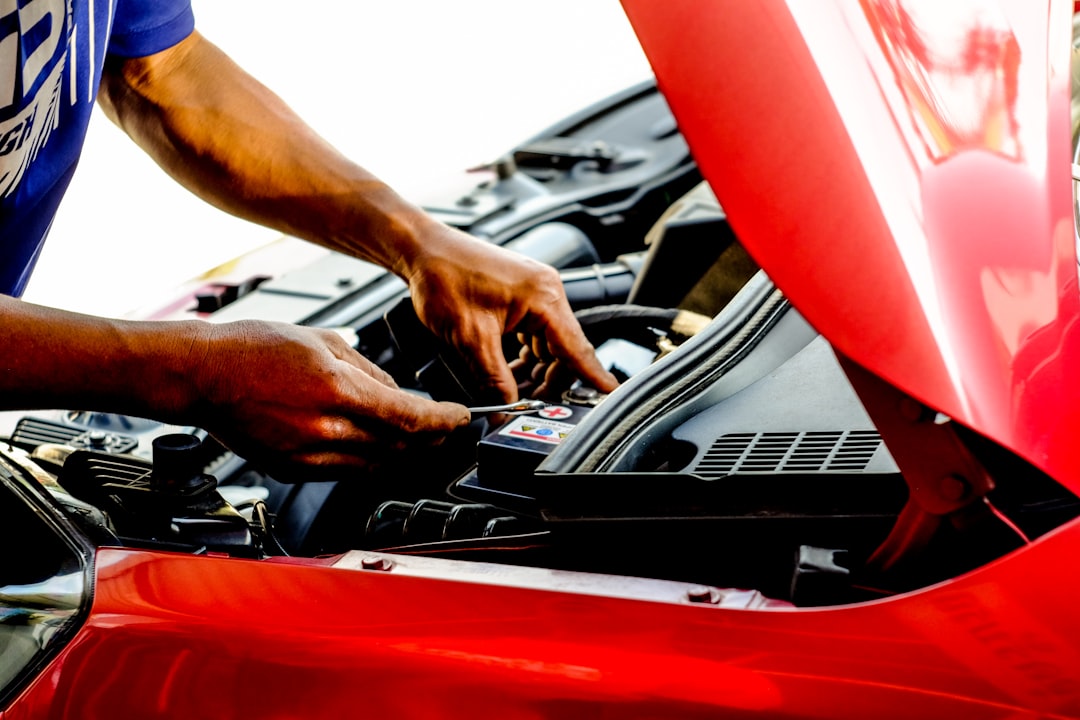
- ⚡ Battery: Check for corrosion on the terminals (white or bluish powder buildup). A simple $10 battery tester from any auto parts store can tell you if your battery is holding charge. In 2026, with cold winters hitting harder in many regions, a weak battery is one of the top causes of winter breakdowns.
- 🌬️ Tire Pressure & Tread: Use a tire pressure gauge — always check when tires are cold (before driving). Your recommended PSI is on the sticker inside your driver’s door, not on the tire sidewall (that’s the maximum, not the recommended). For tread depth, the classic quarter test works: insert a quarter into the tread groove with Washington’s head down. If you can see the top of his head, you have less than 4/32″ — time to shop for tires.
- 💡 Lights: Walk around the car with lights on (headlights, brake lights, turn signals, reverse lights). Ask a friend to help with brake lights, or back up near a reflective wall. A burned-out brake light is not just a ticket risk — it’s a rear-end collision waiting to happen.
- 🪟 Windshield Wipers & Washer Fluid: Run your wipers — they should sweep cleanly without streaking or skipping. Wiper blades typically last 6–12 months. Washer fluid is often neglected; use a proper winter-rated fluid in colder climates that won’t freeze in the lines.
- 🔊 Belts & Hoses (Visual): You don’t need to be a mechanic here. Look for obvious cracking on serpentine belts (the long flat belt running multiple components) and squeeze the radiator hoses gently — they should feel firm but pliable, not spongy or rock-hard. Cracks or soft spots mean replacement is due.
Real-World Examples: How Regular Self-Checks Save Money
In South Korea, the Korea Transportation Safety Authority (한국교통안전공단) has been running a nationwide “Self-Check Campaign” since 2023, reporting that drivers who perform monthly self-inspections have a 34% lower rate of roadside breakdowns compared to those who rely solely on annual inspections. Their mobile app, which walks users through a guided checklist, was downloaded over 2 million times in its first year.
In the U.S., Consumer Reports tracked 3,000 drivers over 18 months and found that those who performed bi-monthly fluid checks and tire inspections reduced their annual repair costs by an average of $420 — simply by catching issues before they cascaded into larger failures. The most common “caught early” issues were low brake fluid, underinflated tires (which also reduces fuel efficiency by 0.5–3%), and corroded battery terminals.
Germany’s TÜV (Technischer Überwachungsverein), arguably the world’s most rigorous vehicle safety authority, publishes annual reports showing that tire-related failures and lighting defects consistently make up the top two categories of inspection failures — both of which are fully catchable in a 10-minute self-inspection. The lesson transcends borders.
Building a Realistic Inspection Schedule
Here’s a practical rhythm most people can actually stick to — no mechanic’s garage required:
- Monthly (5 minutes): Tire pressure, visual scan of lights, washer fluid level.
- Every 3 Months: Engine oil, coolant, brake fluid, battery terminal check.
- Every 6 Months: Wiper blade performance test, belt and hose visual, tire tread depth measurement.
- Annually (or before long road trips): Full walk-around including under the car for leaks, spare tire pressure, cabin air filter condition.
The key insight here is sequencing. Many drivers treat their car inspection like a big annual event — but the compounding power comes from small, regular checks. A slow coolant leak, caught monthly, costs you a $15 hose. The same leak ignored for six months can cost you an engine.
Realistic Alternatives for Different Situations
Not everyone has the same comfort level with cars, and that’s completely fine. Here’s how to adapt:
- If you’re a complete beginner: Start with just tires and lights for the first month. Those two checks alone cover a massive portion of preventable breakdowns and traffic violations. Build from there.
- If you drive an EV (Electric Vehicle): Your checklist shifts — no oil, no coolant in the traditional sense, and no belts. Focus on tire pressure (even more critical for range), brake fluid (EVs still have hydraulic brakes), battery 12V auxiliary health, and charging port condition.
- If you’re time-constrained: Many national auto parts chains (AutoZone, O’Reilly, Halfords in the UK, Yellow Hat in Japan) offer free battery and alternator testing in-store. Outsource the diagnostic parts, but own the visual checks yourself.
- If you’re mechanically anxious: The best investment you can make is a one-time $20–$30 YouTube rabbit hole session with your specific car model. Car-specific forums and owner communities (like those on Reddit’s r/MechanicAdvice or brand-specific subreddits) are genuinely helpful and non-judgmental.
The bottom line is that self-inspection isn’t about becoming a backyard mechanic — it’s about building a relationship with your vehicle. When you know what “normal” looks and feels like, abnormal becomes obvious fast. That awareness is worth more than any extended warranty.
Editor’s Comment : The single most underrated tool in car ownership isn’t a wrench or a diagnostic scanner — it’s five consistent minutes of attention every month. I’ve seen friends save thousands not because they knew how to fix things, but because they knew something was wrong before it got catastrophic. Give your car the same low-key regular check-in you give your phone battery or your refrigerator. It’ll quietly return the favor every single time you turn the key.
태그: [‘DIY car inspection checklist 2026’, ‘car maintenance tips’, ‘self car check guide’, ‘vehicle safety inspection’, ‘how to check car fluids’, ‘tire pressure and tread check’, ‘car breakdown prevention’]
Leave a Reply