Picture this: It’s a rainy Tuesday morning in March 2026, and you’re running late for work. You hop in your car, only to feel that unsettling wobble — the kind that tells you something’s very wrong with your tires. A quick inspection reveals uneven wear so severe that your tires are practically bald on one side. Sound familiar? This exact scenario plays out for millions of drivers every year, and the frustrating part is that it’s almost entirely preventable.
Tires are one of the most expensive recurring maintenance costs for any vehicle owner — yet they’re also one of the most neglected. The average set of quality all-season tires can run anywhere from $400 to $1,200 depending on your vehicle, so stretching their lifespan isn’t just smart — it’s financially essential. Let’s think through this together and figure out what really works.
1. Tire Pressure: The Single Biggest Factor You’re Probably Ignoring
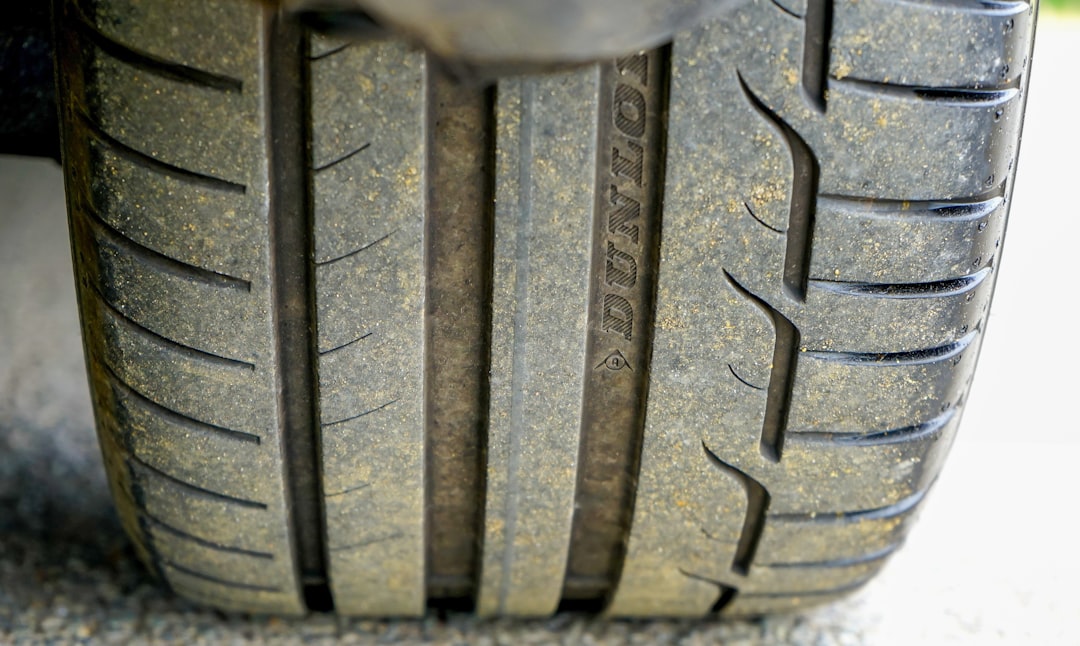
Here’s a number that should get your attention: underinflated tires can reduce tire life by up to 25%, according to data published by the Rubber Manufacturers Association. And with modern TPMS (Tire Pressure Monitoring Systems) only alerting you when pressure drops 25% below the recommended level, you can be driving on dangerously soft tires for weeks without a single warning light.
Tire pressure fluctuates with temperature — roughly 1 PSI for every 10°F (5.6°C) change in ambient temperature. That means if you set your pressure in the summer and haven’t checked since, your tires could be significantly underinflated now that spring weather is bringing cooler mornings.
The fix is simple: Check tire pressure at least once a month and always before long road trips. Use the PSI rating listed on the sticker inside your driver-side door — NOT the number on the tire sidewall (that’s the maximum rating, not the recommended level).
2. Tire Rotation: The Habit That Pays for Itself
Front and rear tires wear at dramatically different rates. On front-wheel-drive vehicles (which account for the majority of passenger cars in 2026), front tires can wear two to three times faster than rear tires because they handle both steering and acceleration forces. Tire rotation redistributes this wear evenly across all four tires.
The general rule of thumb recommended by most major tire manufacturers — including Michelin, Bridgestone, and Hankook — is to rotate your tires every 5,000 to 8,000 miles (approximately 8,000 to 13,000 km). Many drivers conveniently schedule this with every other oil change.
Studies from the Tire Industry Association suggest that regular rotation can extend overall tire life by 15% to 20% — meaning on a $800 tire set, you’re effectively saving $120–$160 in replacement costs with a $20–$40 rotation service. That math is hard to argue with.
3. Wheel Alignment and Balancing: The Silent Killers of Tire Tread
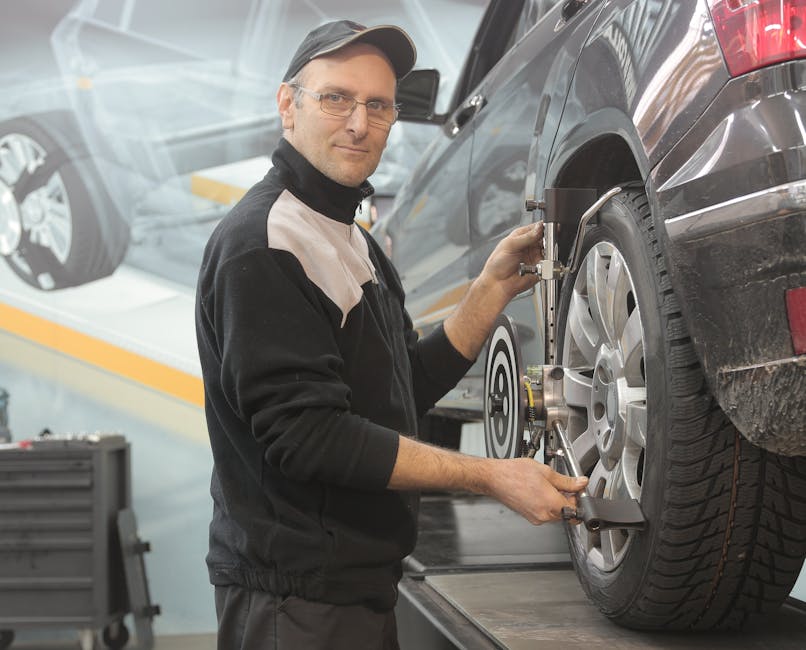
Misalignment is sneaky. Your car might feel perfectly fine to drive while your tires are slowly being eaten alive from the inside edge. Misalignment as small as 0.3 degrees can drag a tire sideways by 28 feet for every mile driven — essentially scrubbing rubber off continuously without you noticing.
The standard recommendation is to have your alignment checked once a year or after any significant impact (hitting a pothole, curb strike, or minor collision). Wheel balancing — which addresses vibrations caused by uneven weight distribution in the tire-wheel assembly — should be done at every rotation or when you feel steering wheel vibration.
4. Driving Habits That Make or Break Tire Longevity
This one’s a bit harder to hear, but driving behavior is one of the most impactful variables in tire lifespan. Here’s a realistic breakdown:
- Hard acceleration and braking: Aggressive starts and panic stops generate excessive heat and friction, accelerating tread wear significantly. Smooth, gradual inputs are your tires’ best friend.
- Speeding on highways: Tires operating consistently above 75 mph (120 km/h) generate substantially more heat. Heat is the enemy of rubber longevity.
- Overloading your vehicle: Exceeding your vehicle’s load rating puts constant excessive stress on tires. Always check your vehicle’s GVWR (Gross Vehicle Weight Rating) before loading up for a road trip or moving day.
- Cornering aggressively: Sharp turns at speed create lateral forces that scrub the outer edges of tires far faster than normal driving.
- Parking curb-checks: Repeatedly scuffing your tires against curbs damages sidewall integrity, which can lead to bulges or blowouts even if the tread looks fine.
5. Real-World Examples: What Smart Drivers Are Doing in 2026
In South Korea, where urban driving conditions and seasonal temperature swings place heavy demands on tires, major automakers like Hyundai and Kia now include tire lifecycle monitoring features in their connected car apps, alerting drivers to pressure changes and recommending rotation intervals based on actual mileage data — a feature increasingly adopted by European and North American OEMs as well.
In Germany, where the Autobahn culture demands high-performance tire management, a 2025–2026 consumer survey by ADAC (Germany’s largest automobile club) found that drivers who followed all four core maintenance habits (pressure, rotation, alignment, and driving behavior) averaged 72,000 km (approximately 45,000 miles) from a standard tire set — compared to the 48,000 km average for drivers who performed only ad-hoc maintenance. That’s a 50% lifespan improvement.
In the United States, Discount Tire’s nationwide service data from early 2026 confirms that customers on scheduled rotation plans replace tires 18 months later on average than walk-in customers who only come in when tires are already critically worn.
6. How to Read Tread Wear Indicators (and When to Actually Replace)
Every tire has built-in tread wear indicators (TWIs) — small rubber bars embedded in the grooves at 1.6mm (2/32 inch) depth. When your tread wears down to these bars, you’re legally and safely required to replace the tire in most countries.
However, many safety experts recommend replacing tires at 3mm (4/32 inch) depth, especially if you drive in wet conditions. At 1.6mm, wet braking distances increase dramatically. A practical test: insert a coin into the tread groove. In the U.S., if you can see the top of Lincoln’s head on a penny, your tires are dangerously worn. A quarter gives you more conservative warning at 4/32 inch depth.
7. Tire Storage: Often Overlooked, Surprisingly Important
If you run a seasonal tire setup (summer and winter tires), proper storage of off-season tires is critical. Tires stored improperly — exposed to UV light, ozone sources (like electric motors), or extreme temperatures — can degrade significantly in as little as one off-season.
Best practices for tire storage include: clean tires thoroughly before storing, place in airtight tire bags or wrapped in black plastic bags, store in a cool, dark, dry location away from electric motors and direct sunlight, and store unmounted tires horizontally in stacks (no more than 4 high) or vertically on a tire rack. Mounted tires can be hung on wall-mounted hooks.
Realistic Alternatives Based on Your Situation
Not everyone can follow every tip perfectly — life is busy in 2026, and maintenance budgets vary widely. Here’s how to prioritize based on your circumstances:
- If you’re on a tight budget: Focus on tire pressure checks first — it’s free (or a few dollars at a gas station) and delivers the biggest bang for your buck.
- If you drive mostly city routes: Prioritize rotation and alignment, since stop-and-go traffic accelerates uneven wear patterns more than highway driving.
- If you drive a high-mileage vehicle: Invest in a tread depth gauge (~$5–$10) and check your own tires monthly. Don’t rely solely on visual inspections.
- If you lease your vehicle: Check your lease agreement for tire wear clauses — many lessees are surprised by end-of-lease charges for worn tires that proper rotation could have prevented.
- If you’re not mechanically inclined: Many tire shops offer free rotation with tire purchase and free pressure checks year-round. Use these services — they exist precisely for you.
The bottom line is that tire maintenance isn’t glamorous, but it’s one of the highest-return maintenance habits you can build as a driver. A set of tires that should last 40,000 miles can easily reach 55,000–60,000 miles with consistent care. That’s potentially years of extra life from habits that cost you less than an hour per year in total attention.
Think of your tires as the only four points of contact between you and the road — every other safety system in your car ultimately depends on them working properly. Treat them accordingly, and they’ll return the favor.
Editor’s Comment : Tire care is one of those rare topics where the advice is genuinely simple, the data is overwhelmingly supportive, and yet most drivers still don’t act on it consistently. If there’s one thing I’d encourage you to do today — literally today — it’s to grab a tire pressure gauge and check all four tires. It takes three minutes, it’s free, and it might be the most valuable three minutes you spend on car maintenance all year. Everything else on this list can be built up gradually, but pressure checks? Start now.
태그: [‘tire maintenance tips’, ‘how to extend tire life’, ‘car tire care 2026’, ‘tire rotation guide’, ‘tire pressure management’, ‘wheel alignment tips’, ‘save money on car maintenance’]
Leave a Reply