Let me paint you a picture. It’s a crisp Saturday morning, and you’re scrolling through a dealership’s website, overwhelmed by the sheer number of SUV options available. Sound familiar? The 2026 model year has arguably been the most competitive — and confusing — SUV landscape in automotive history. Manufacturers from every corner of the globe are throwing their best engineering at a segment that now accounts for nearly 58% of all new vehicle sales worldwide. So let’s slow down, breathe, and actually think through what’s genuinely exciting, what’s overhyped, and what makes sense for your life.
Why 2026 Is a Pivotal Year for SUVs
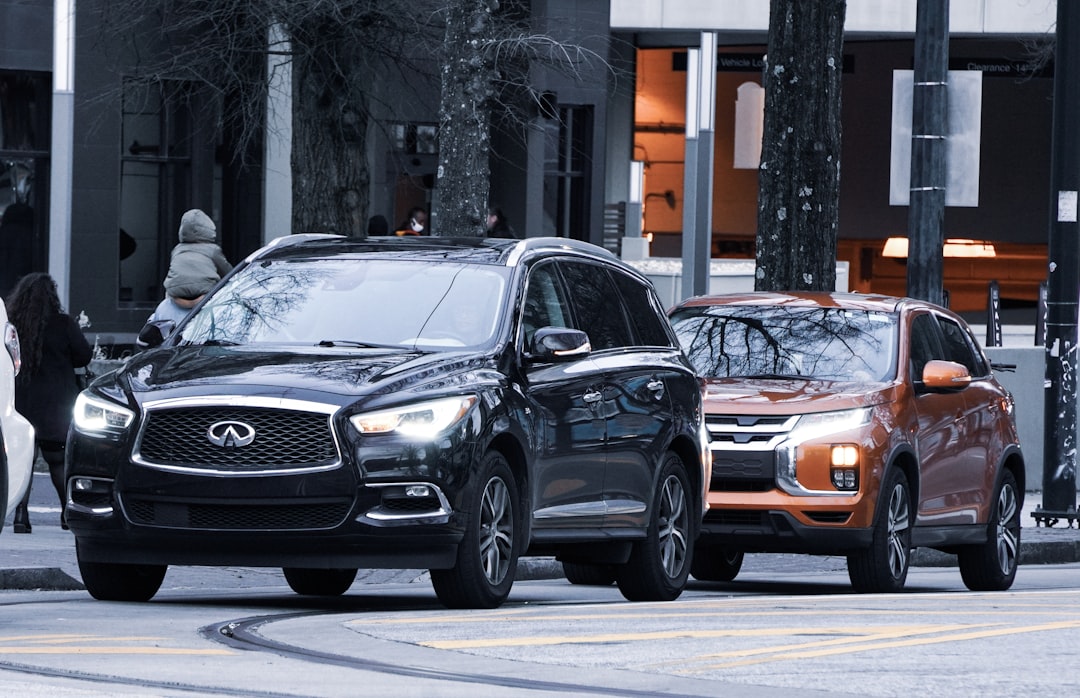
The 2026 model year sits at a fascinating crossroads. Tightening global emissions standards — particularly the EU’s updated CO₂ fleet targets effective January 2026 — have pushed virtually every major automaker to accelerate electrification timelines. At the same time, consumer demand for range, practicality, and affordability hasn’t magically disappeared. The result? A wildly diverse lineup where you’ll find turbocharged hybrids sitting right next to full EVs, and traditional body-on-frame trucks sharing showroom floors with aerodynamic crossovers. This tension is actually great news for buyers — if you know how to navigate it.
Segment Breakdown: What’s Actually New in 2026
Rather than listing every single model (there are over 90 SUV nameplates now available in the U.S. market alone), let’s focus on the segments where the most meaningful changes are happening:
- Compact SUVs (Under $35,000): The 2026 Hyundai Tucson PHEV and the all-new Toyota RAV4 GR Sport have redefined what “affordable” means in this space. Hyundai’s updated Tucson now offers up to 42 miles of EV-only range, while Toyota’s GR Sport variant brings genuine sport-tuned suspension — finally something to get excited about in this price bracket.
- Midsize SUVs ($35,000–$55,000): This is where the market is most crowded. The 2026 Kia Telluride’s mid-cycle refresh gives it revised front styling and a new Highway Driving Assist 3.0 system. Meanwhile, Ford’s Explorer has been quietly redesigned with a longer wheelbase, addressing the notorious third-row legroom complaints that plagued previous generations.
- Full-Size SUVs ($55,000+): The 2026 Chevrolet Suburban and GMC Yukon XL both debut mild-hybrid 6.2L V8 options that promise a 12–14% fuel economy improvement — modest, yes, but meaningful if you’re logging 20,000+ miles a year.
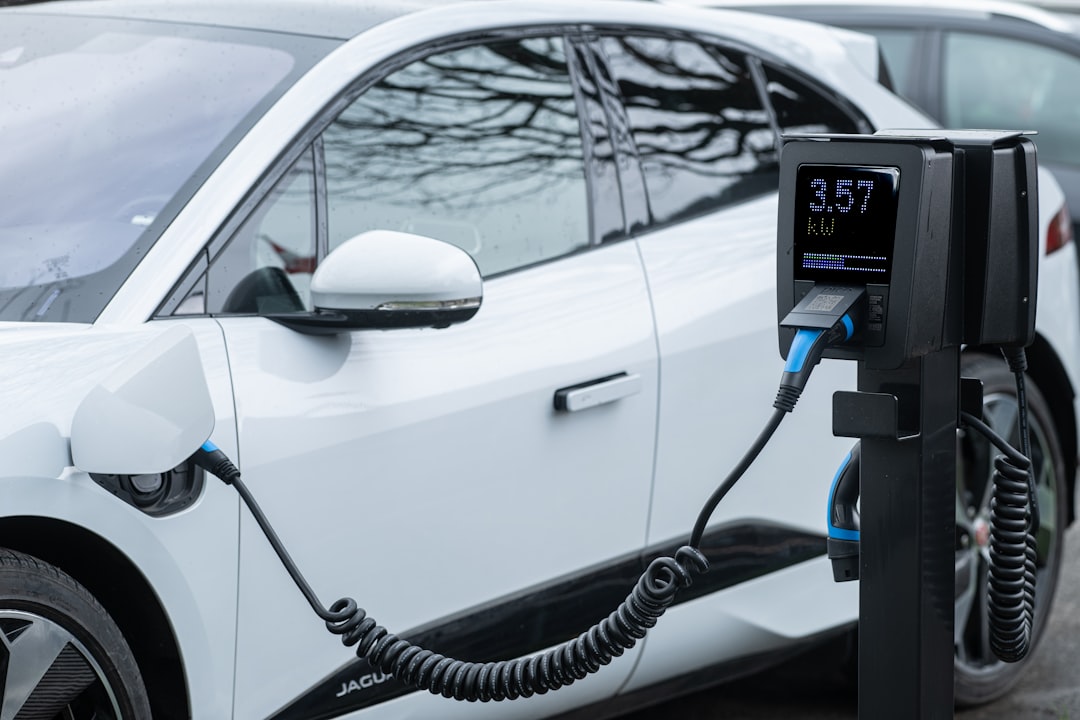
- Electric SUVs (All Price Points): The 2026 Rivian R1S gets a revised dual-motor setup with an estimated 430 miles of range. On the more accessible end, the Chevrolet Equinox EV LT trim has dropped to a starting MSRP of $31,995 after federal incentives, making it arguably the most disruptive entry of the year.
- Luxury SUVs ($70,000+): BMW’s 2026 X5 M60i and the Mercedes-Benz GLE 53 AMG continue their arms race in performance SUVs, but the real story is the Range Rover Sport PHEV — its updated 38-kWh battery now delivers 70 miles of electric range, genuinely useful for urban commuters who want weekend off-road credibility.
Global Perspectives: What Korean, European, and American Brands Are Getting Right (and Wrong)
Here’s where it gets really interesting. Korean automakers — specifically Hyundai Motor Group — have executed an almost textbook strategy in 2026. The Hyundai Ioniq 5 N SUV variant (yes, a performance EV SUV) and the Kia EV9 GT with its 576 hp dual motor setup prove that efficiency and excitement aren’t mutually exclusive. These models are selling faster in European markets than their own manufacturers initially projected, with the EV9 GT waitlist in Germany stretching to Q3 2026.
European brands, particularly Volkswagen Group, have had a bumpier road. The 2026 Audi Q6 e-tron is genuinely impressive technically — 700V architecture, 270kW DC fast charging — but pricing in North America starts at $67,900, which creates a tough conversation when a Rivian R1S offers comparable capability. Volkswagen’s own ID.4 refresh is more strategically priced but lacks the premium feel that justifies conquest purchases from legacy luxury buyers.
American brands? Ford deserves credit for the Bronco Sport Trail Edition 2026, which adds a factory-standard locking rear differential at a price point previously unheard of ($32,500 base). GM’s decision to keep the Tahoe and Suburban architecturally unchanged while adding mild-hybrid tech feels like a careful hedge — smart financially, but potentially short-sighted as competitors innovate more aggressively.
The Data That Actually Matters for Your Decision
Let’s get practical. According to J.D. Power’s 2026 Initial Quality Study released in February, the top-performing SUVs in owner satisfaction are, in order: Kia EV9, Toyota Land Cruiser, Hyundai Tucson, Honda CR-V, and Ford Bronco. Note that three of those five are from Asian manufacturers. Long-term reliability data from Consumer Reports similarly places Japanese and Korean brands ahead in the 3–5 year ownership window.
If you’re financing, the math matters enormously in 2026. With average auto loan rates hovering around 7.2% for 60-month terms (Federal Reserve data, Q1 2026), a $5,000 price difference between two comparable models translates to roughly $95/month — not trivial. This makes the case for looking seriously at the slightly-less-glamorous-but-highly-capable options like the Mazda CX-70 or Subaru Outback Wilderness, both of which offer exceptional value-to-quality ratios.
Realistic Alternatives: Not Everyone Needs the Flashiest New Model
Here’s the honest conversation I think more automotive content should be having: you might not need a 2026 model year vehicle at all. If you’re currently driving a 2021–2023 SUV that’s running reliably, the 2026 lineup — while genuinely impressive — doesn’t represent a generational leap significant enough to justify the financial strain of trading up in a high-interest-rate environment.
That said, if you are in the market, here’s a tiered approach based on different life situations:
- Young families on a budget: 2026 Honda CR-V Hybrid or Hyundai Tucson PHEV. Both offer real-world fuel savings that offset slightly higher sticker prices within 2–3 years.
- Outdoor adventure seekers: 2026 Ford Bronco Sport Trail Edition or Subaru Forester Wilderness. Don’t overpay for the Bronco full-size unless you truly need body-on-frame capability.
- Urban commuters ready for EV: Chevrolet Equinox EV (most practical $/range ratio in 2026) or Hyundai Ioniq 5 if you want more driving character.
- Long-distance road-trippers who aren’t ready for EV: 2026 Toyota Grand Highlander Hybrid — 36 mpg combined in a three-row package remains hard to beat for real-world practicality.
- Luxury buyers who want resale value security: BMW X5 or Lexus RX 500h. Both have proven depreciation curves and extensive dealer support networks.
The 2026 SUV market rewards informed buyers more than ever before. The gap between a thoughtful purchase and an impulsive one — driven by a compelling ad or showroom pressure — has probably never been wider in dollar terms. My genuine recommendation? Test drive at least three models across two different segments before deciding. What you think you want in a parking lot and what actually fits your daily routine are often very different things.
Editor’s Comment : What genuinely excites me about the 2026 SUV landscape isn’t any single model — it’s the fact that buyers finally have real, meaningful choices across every price point and powertrain type. A few years ago, recommending an electric SUV to someone with range anxiety felt irresponsible. Today, with the Equinox EV under $32K and Rivian’s R1S pushing toward 430 miles, the math and the lifestyle fit are converging for a much broader audience. Shop with your head first, your heart second — and you’ll likely land on something you’re genuinely happy with three years from now, not just three weeks after delivery.
📚 관련된 다른 글도 읽어 보세요
- How to Make Your Car Tires Last Longer: 7 Proven Tire Life Extension Tips for 2026
- 셀프 자동차 관리 완전 정복 – 2026년 DIY 소모품 교체 방법 총정리
- 자동차 타이어 수명 연장하는 핵심 관리 방법 총정리 (2026년 최신)
태그: [‘2026 SUV lineup’, ‘best SUVs 2026’, ‘electric SUV 2026’, ‘SUV buying guide’, ‘new car comparison 2026’, ‘hybrid SUV 2026’, ‘SUV value picks’]
Leave a Reply