Picture this: it’s a Saturday morning, you’re standing in your driveway with a coffee in hand, staring at your car and thinking, “I want more from this thing.” Maybe it’s the thrill of extra horsepower humming under the hood, or maybe it’s the head-turning gloss of a fresh wrap and widebody kit rolling past a crowd. The itch to tune your car is one of the most universally relatable feelings in the automotive world — but here’s where most enthusiasts hit a wall. The budget is finite, and the choices are massive. So let’s actually think through this together: engine tuning or aesthetic tuning — where does your money work harder in 2026?
What Are We Actually Talking About? Defining the Two Camps
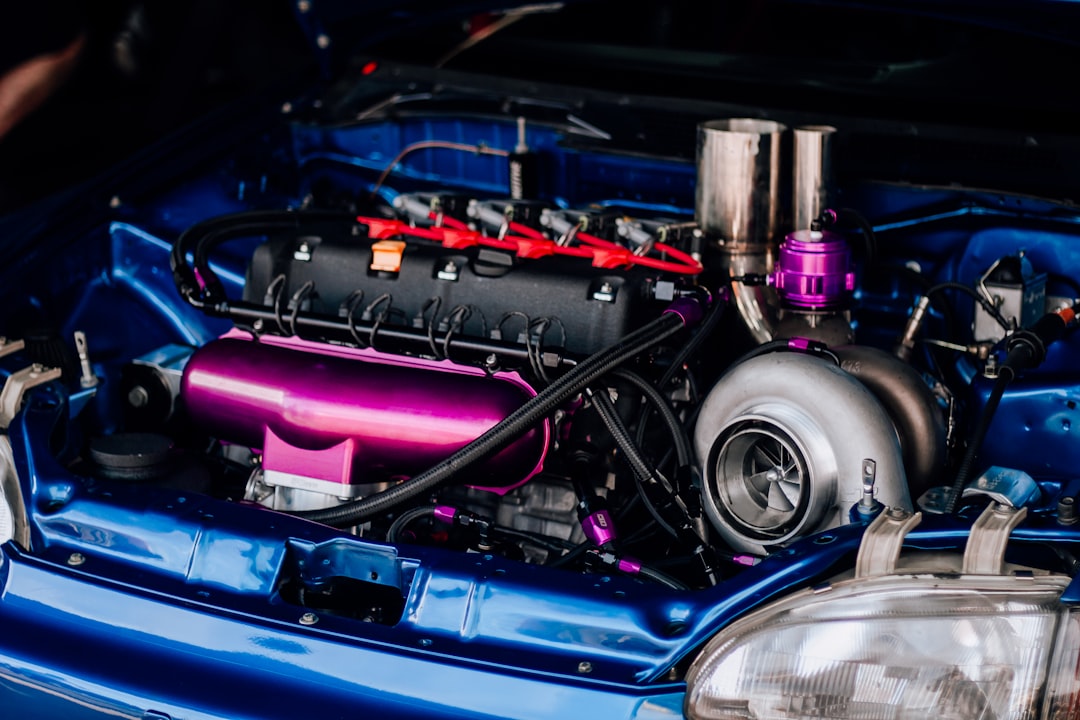
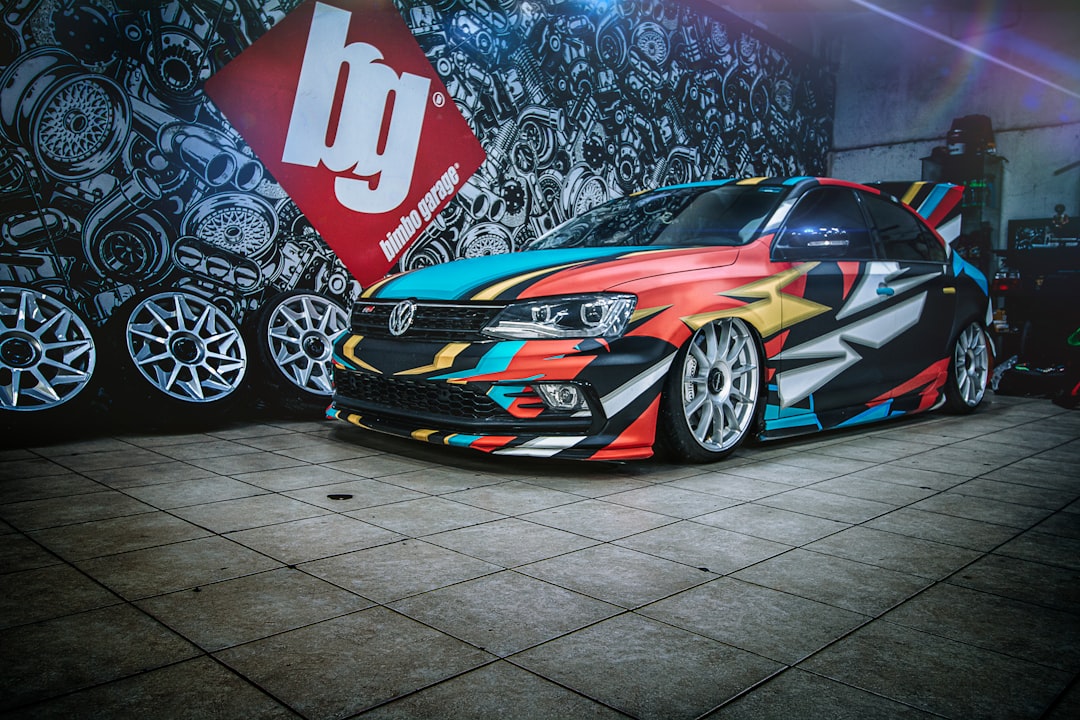
Before we crunch numbers, let’s get our terms straight. Engine tuning (also called performance tuning) covers any modification that affects how your car performs mechanically — think ECU remapping, cold air intakes, turbocharger upgrades, intercoolers, exhaust systems, and suspension upgrades. Aesthetic tuning, on the other hand, is all about how your car looks — vinyl wraps, body kits, custom wheels, tinted windows, interior upholstery, and lighting upgrades like LED or sequential signals.
Both are legitimate, meaningful expressions of car culture. But they serve very different masters — performance vs. perception — and their cost-to-reward ratios are surprisingly different depending on your goals.
Breaking Down the Costs: What’s the Real Price Tag in 2026?
Here’s where we need to be real and specific. Prices have shifted noticeably since 2023 due to supply chain normalization and increased aftermarket competition, so let’s look at current 2026 market ranges.
Engine Tuning Cost Breakdown (2026 estimates, USD):
- ECU Remap / Stage 1 Tune: $400–$900 — Typically adds 15–30% more power on turbocharged engines. Best cost-to-gain ratio for daily drivers.
- Cold Air Intake + Performance Exhaust Combo: $600–$1,800 — Gains of 10–20 hp on naturally aspirated engines; more on forced induction.
- Turbocharger Upgrade (mid-range cars): $2,500–$6,000 installed — Significant power gains (40–100+ hp), but requires supporting modifications.
- Full Engine Build / Forged Internals: $8,000–$25,000+ — Reserved for serious track builds. The ROI here is purely experiential, not financial.
- Coilover Suspension Kit: $800–$2,500 — Improves handling, cornering, and aesthetics (lower stance). A rare bridge between both worlds.
Aesthetic Tuning Cost Breakdown (2026 estimates, USD):
- Full Vinyl Wrap (premium cast film): $2,500–$5,500 — Completely transforms color/finish, protects OEM paint. Lasts 5–7 years with proper care.
- Widebody / Aero Body Kit: $1,500–$8,000+ installed — High visual impact, but fitment and paint matching add cost fast.
- Custom Aftermarket Wheels (set of 4): $1,200–$4,500 — One of the highest visual-return modifications. Can also affect handling weight.
- Window Tint (full car, ceramic): $350–$700 — Low cost, high quality-of-life improvement (UV protection, heat rejection, privacy).
- Interior Reupholstery / Suede Package: $1,000–$4,000 — Significant interior transformation; adds to perceived value.
Performance Gains vs. Perceived Value: The ROI Conversation
Here’s where the logic gets interesting. Engine tuning delivers measurable, functional improvements — lap times, 0–60 numbers, throttle response. A Stage 1 ECU tune on a turbocharged hatchback (say, a Honda Civic Type R or Hyundai i30N) can extract 30–40 extra horsepower for under $700. That’s genuinely impressive cost efficiency. The catch? You often feel it more than others see it.
Aesthetic tuning, conversely, delivers social and emotional ROI. A well-executed full wrap or a set of deep-dish forged wheels changes how your car is perceived — on the street, at meets, and even in resale conversations. Multiple 2026 resale market analyses (including data from AutoTrader and CarGurus pricing trends) show that aesthetically modified cars with reversible mods (like wraps over factory paint) actually hold closer to market value than heavily engine-tuned cars, which can sometimes spook standard buyers.
Real-World Examples: From Seoul to Stuttgart
The tuning culture in South Korea offers a fascinating lens here. In cities like Seoul and Busan, the aesthetic tuning scene — especially body kits, widebody conversions, and neon-lit interiors — has exploded since 2024, driven by social media visibility. Korean tuning shops like Koracing and Bumper2Bumper report that aesthetic mods now account for over 65% of their revenue in 2026, with vinyl wraps and body kit installs leading demand.
Meanwhile, in Germany — the spiritual home of performance engineering — tuning culture still leans heavily toward Leistung (performance). Shops like ABT Sportsline (Audi/VW specialist) and Brabus (Mercedes) command premium prices for engine upgrades and continue to thrive despite high cost. A Brabus-tuned G-Wagon tuning package in 2026 can run $60,000–$150,000+ — and buyers still line up.
In North America, the 2026 scene reflects a hybrid approach. The rise of “stance culture” has popularized the combination of lowered suspension (performance crossover), aggressive wheel fitment, and a clean wrap — giving both visual drama and a slightly improved handling feel without deep engine investment.
So Which Should You Actually Choose? Let’s Reason Through It
This is where your specific situation matters more than any general rule. Let me map out some realistic scenarios:
- If you’re a daily driver who wants to enjoy the commute more: A Stage 1 ECU tune + quality exhaust system is your sweet spot. Under $1,500 total, and you’ll notice the difference every single day.
- If you’re building a show car or growing a social media presence: Aesthetic mods will serve you far better. A striking wrap + custom wheels + subtle aero gets you noticed. Performance gains don’t photograph as well as color shifts.
- If you’re planning to resell within 2–3 years: Stick to reversible aesthetic mods (wraps, not paint; bolt-on kits, not cut body work). Avoid aggressive engine builds that might complicate financing or warranty questions for the next buyer.
- If you track your car seriously: Engine + suspension tuning is non-negotiable. Coilovers, brake upgrades, and a proper tune will save your lap times — and potentially your safety — far more than any body kit.
- If your budget is under $1,000: Window tint, a quality exhaust tip, and a Stage 1 tune (if turbocharged) offer the most combined satisfaction per dollar. Don’t stretch into a half-finished body kit — it’ll look worse than stock.
The Realistic Alternative: The Hybrid Budget Strategy
The smartest move many seasoned enthusiasts make in 2026 is what I’d call the 70/30 split — allocating 70% of your tuning budget to whichever category matches your primary use case (track vs. show), and 30% to the other for balance. A car that looks great and drives well is always more satisfying than one that excels in only one dimension. Even a modest interior refresh ($300–$500 in custom floor mats, a new steering wheel, and ambient lighting) can transform your daily experience without touching the engine.
The key insight: tuning is not a one-time decision. Build a roadmap. Start with your highest-impact, lowest-cost mod (ECU tune or window tint, depending on your priority), drive it for a few months, and let the experience guide your next investment. This iterative approach prevents the most common tuning regret: spending big too fast on the wrong thing.
Editor’s Comment : After years of watching people throw their entire budget at either a track-spec engine build they’ll never push to its limits, or a showstopper body kit on a stock engine that struggles up hills — the honest truth is this: the best tuning decision is always the one that matches your actual life, not the life of your favorite automotive YouTuber. Think about where you drive, who sees your car, and what genuinely makes you smile every time you turn the key. That clarity is worth more than any dyno number or Instagram like.
📚 관련된 다른 글도 읽어 보세요
- Top Domestic Car Tuning Parts Recommended in 2026: What Korean Gearheads Are Actually Buying
- Car Coolant Flush Cost in 2026: What You’ll Pay vs. What You Can DIY (And How to Do It)
- 2026 SUV 신차 라인업 완전 분석 | 지금 사야 할 차는 따로 있다
태그: [‘engine tuning cost 2026’, ‘aesthetic car modification’, ‘car tuning ROI’, ‘performance vs visual tuning’, ‘vinyl wrap vs turbo upgrade’, ‘car modification budget guide’, ‘tuning culture 2026’]
Leave a Reply