A friend of mine recently spent three weekends in a row visiting car dealerships — Korean brands one Saturday, European imports the next, and then back again because he couldn’t make up his mind. Sound familiar? The 2026 car market has made this decision genuinely harder than ever. Domestic Korean automakers have leveled up dramatically, while import brands are fighting back with aggressive local pricing strategies. So let’s sit down together and actually reason through who wins the value war this year.
The Playing Field in 2026: What’s Changed?
The South Korean auto market in 2026 is experiencing a fascinating convergence. Hyundai, Kia, and Genesis have collectively invested billions into next-generation EV platforms and premium interiors, while import brands — particularly German and Japanese makers — have had to reckon with fluctuating exchange rates and new EV subsidy structures under South Korea’s revised Green Car Incentive Policy (introduced in late 2025). This means the gap that once clearly favored imports on prestige, or domestic brands on price, has genuinely narrowed.
To put it plainly: the old playbook of “buy Korean to save money, buy imported to show off” is increasingly outdated in 2026.
Price-to-Feature Ratio: Running the Numbers
Let’s get specific. Here’s a realistic mid-size segment comparison for 2026:
- Hyundai Sonata Hybrid (2026 model): Starting at approximately ₩32 million (~$23,500 USD). Standard package includes Level 2 ADAS, 12.3″ infotainment, and a 5-year/100,000km powertrain warranty.
- Kia EV6 GT-Line (2026): Around ₩55 million (~$40,500 USD). With government EV subsidies, effective purchase price drops to roughly ₩47 million — making it a compelling EV entry point.
- Toyota Camry Hybrid (2026 Import): Approximately ₩42 million (~$31,000 USD) after dealer adjustments. Strong reliability reputation, but fewer standard tech features at this price compared to Korean equivalents.
- Volkswagen Passat TSI (2026 Import): Around ₩45–50 million (~$33,000–$37,000 USD). Premium feel, but after-service costs in Korea remain notoriously high, often adding ₩500,000–₩1.5 million per scheduled maintenance visit.
- BMW 3 Series (2026, base): Starting near ₩65 million (~$48,000 USD). The brand prestige factor is real, but depreciation in the Korean market averages 25–30% in the first two years — significantly steeper than Korean domestic brands.
The pattern is clear: for every price tier, Korean domestic brands offer more standardized features per won spent. Where imports often win is in the intangible — driving dynamics, badge recognition, and long-term brand ecosystem value.
After-Sales Cost: The Hidden Price Tag Nobody Talks About
Here’s where a lot of buyers get blindsided. The sticker price is just the beginning. In 2026, Hyundai and Kia’s nationwide service network covers over 1,800 authorized centers across Korea, with standardized labor costs and widely available OEM parts. Compare that to European import brands, where a single suspension component replacement can run 3–4 times more due to import duties on parts — a reality that hasn’t improved much despite trade agreements.
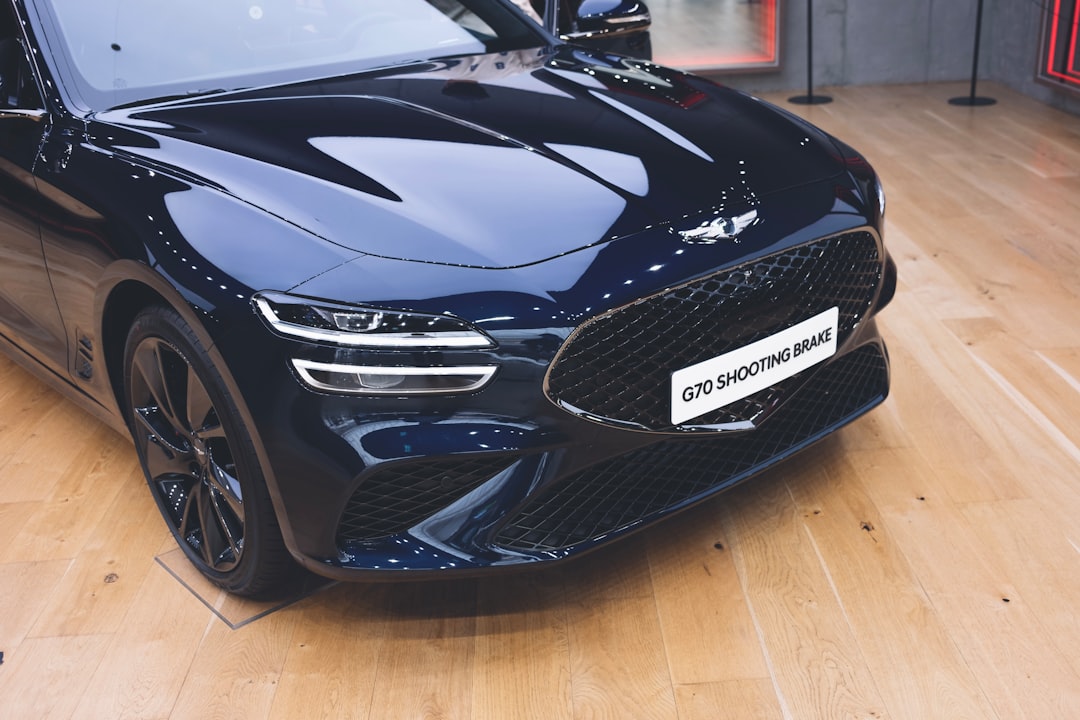
Genesis, interestingly, occupies a middle ground. It’s technically a domestic brand (Hyundai’s luxury arm), but its service experience and parts pricing now closely mirrors import-brand levels. So if you’re cross-shopping Genesis GV80 against a BMW X3, factor in that maintenance cost delta seriously.

Real-World Examples: Two Buyers, Two Outcomes
Case A — Young Professional, Seoul, Budget ₩45M: After analyzing total 5-year ownership cost (purchase price + insurance + fuel/energy + maintenance), a Kia EV6 Standard Range came out roughly ₩8–10 million cheaper than a comparable Volkswagen ID.4 import, largely due to EV subsidies and lower service costs. The Korean option won clearly on pure economics.
Case B — Executive, Busan, Budget ₩80M+: Between a Genesis GV80 and a Mercedes GLC 300, the Mercedes retained slightly better resale value in premium buyer segments and offered a more established global service network for someone who travels frequently. Here, the import made reasonable sense — but only marginally, and only for this specific lifestyle need.
The takeaway? Context matters enormously. There’s no universal answer, which is exactly why we need to think through your specific situation rather than follow crowd sentiment.
Realistic Alternatives Worth Considering in 2026
- If you want import quality without import pricing: Genesis G80 or GV70 are genuinely world-class vehicles now. Independent reviewers at EuroNCAP and Consumer Reports have placed them alongside European rivals — at 15–25% lower total cost of ownership.
- If reliability is your top priority: Japanese imports like the Toyota RAV4 Hybrid or Honda CR-V still maintain exceptional long-term reliability records, and 2026 pricing has become more competitive due to yen stabilization.
- If you’re eco-conscious and budget-sensitive: Kia Niro EV or Hyundai Ioniq 6 Standard Range with 2026 subsidies offers the strongest green value proposition in the Korean market right now.
- If prestige and driving feel outweigh cost logic: Be honest with yourself, budget carefully for after-sales, and consider a Certified Pre-Owned import over a brand-new one — you get the badge at 30–40% less depreciation risk.
The Bottom Line: Value Is Situational, Not Universal
In 2026, Korean domestic cars — especially from Hyundai, Kia, and Genesis — have objectively closed the quality gap with mainstream imports and, in many cases, surpassed them on value metrics like warranty coverage, tech inclusion, and total ownership cost. However, imports still hold legitimate advantages in driving dynamics (particularly German brands), specific resale markets, and global service accessibility for frequent international travelers.
The smartest move? Define your actual usage scenario first — daily commute vs. weekend drive, city vs. highway, 5-year plan vs. 10-year plan — and then let the numbers guide you rather than marketing brochures.
Editor’s Comment : I’ve watched this debate heat up every year, but 2026 genuinely feels like the first time I’d tell someone without hesitation: do not assume the import is automatically better. Korean automakers have earned their seat at the premium table. That said, if a particular import model genuinely excites you and fits your lifestyle math — go for it guilt-free. Life’s too short to drive a car you’re indifferent about. Just go in with your eyes open on the true 5-year cost, and you’ll make the right call for your situation.
📚 관련된 다른 글도 읽어 보세요
- 2026 현대 기아 신차 라인업 완전 분석 | 올해 주목해야 할 모델은?
- 2026 SUV New Car Rankings: The Best Models You Should Actually Consider Buying Right Now
- 2026 High-Performance Sports Cars: The Ultimate New Lineup Breakdown You Need to Read
태그: [‘Korean car vs import 2026’, ‘domestic car value comparison’, ‘Hyundai Kia Genesis 2026’, ‘best value cars Korea 2026’, ‘car buying guide 2026’, ‘import car total cost of ownership’, ‘EV subsidy Korea 2026’]
Leave a Reply