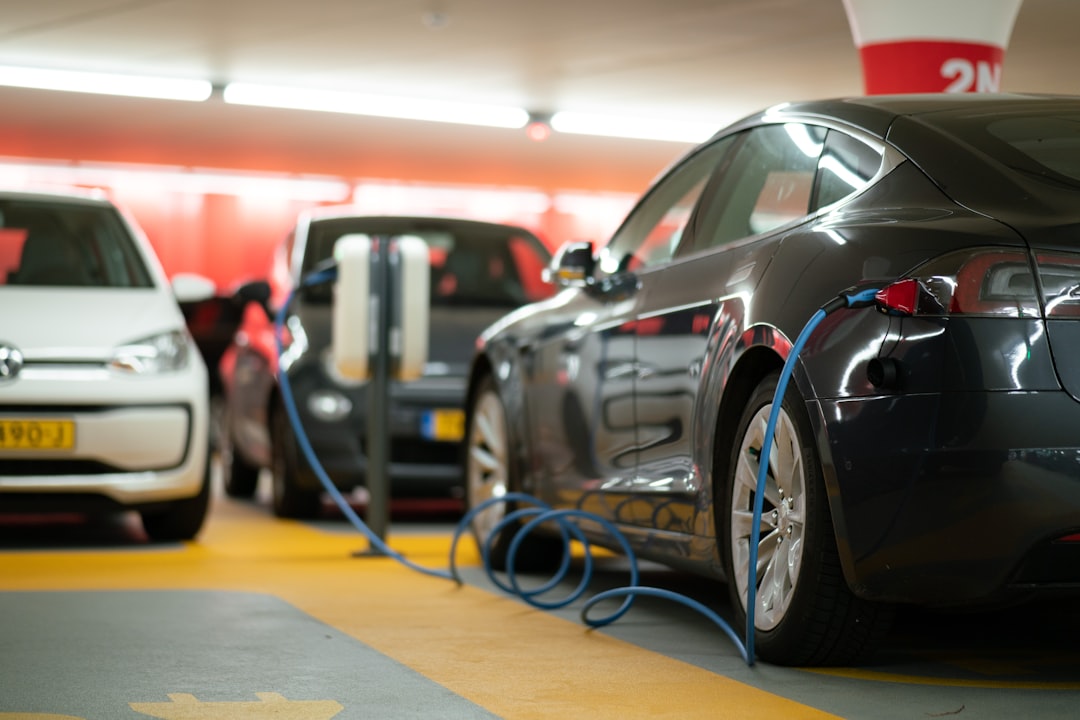
A colleague of mine — let’s call him Dave — bought a brand-new Tesla Model 3 back in 2022 and swore he’d never go back to a gas car. Fast forward to 2026, and he’s still singing the same tune, but with a lot more data behind him. Meanwhile, his brother stuck with a Honda Accord and keeps arguing that “EVs are just too expensive upfront.” Sound familiar? I’ve heard this exact debate at nearly every car meetup for the past few years. So let’s actually sit down, crunch the numbers, and figure out who’s really winning the maintenance cost war in 2026 — electric vehicles (EVs) or internal combustion engine (ICE) vehicles.
Why Maintenance Costs Matter More Than the Sticker Price
Most people fixate on the purchase price. But the Total Cost of Ownership (TCO) — which includes fuel, insurance, depreciation, and especially maintenance — tells a completely different story. According to a 2026 report by the Rocky Mountain Institute, EV owners in the U.S. spend on average 40% less on maintenance annually compared to ICE vehicle owners. That’s not a small number. Let’s break down where that gap actually comes from.
Breaking Down the Maintenance Cost Categories
Here’s where things get technically interesting. An internal combustion engine has somewhere between 2,000 and 3,000 moving parts. An electric motor? Closer to 20. That alone tells you why the maintenance calculus is so different. Let’s go category by category:
- Oil Changes: ICE vehicles need oil changes every 5,000–7,500 miles (conventional) or every 10,000–15,000 miles (synthetic). At roughly $70–$150 per service in 2026, that’s $200–$600/year. EVs? Zero. No oil, no filter, no drain plug drama.
- Brake Wear: This is where EVs get a sneaky advantage — regenerative braking. Because the electric motor handles most deceleration, brake pads on EVs last 2–3x longer. EV brake service: approximately $150–$300 per axle, done every 80,000–100,000 miles. ICE brakes: every 30,000–50,000 miles.
- Transmission Service: Traditional automatic or CVT transmission fluid flushes cost $150–$350 and should be done every 30,000–60,000 miles. EVs use a single-speed reduction gear — essentially maintenance-free for the life of the vehicle in most cases.
- Coolant System: ICE vehicles need coolant flushes every 30,000–50,000 miles (~$100–$200). EVs also use liquid cooling for their battery systems, but the service intervals are much longer and the fluid volumes smaller.
- Spark Plugs, Timing Belts, and Exhaust: Pure EV? None of these exist. For ICE vehicles, timing belt replacements alone can run $500–$1,500. Add spark plugs ($100–$400), catalytic converters ($1,000–$3,000 when they fail), and exhaust system repairs — it adds up fast.
- Battery Replacement (EV-specific): The elephant in the room. A full battery pack replacement on a modern EV in 2026 runs $8,000–$18,000 depending on capacity and manufacturer. However, with most batteries now warrantied for 10 years/150,000 miles (thanks to updated federal standards), and real-world degradation data showing most packs retain 80%+ capacity at 150,000 miles, this is less of a boogeyman than it used to be.
- Tires: Surprisingly, EVs actually wear tires faster due to higher torque and vehicle weight. Expect to budget 10–20% more for tire replacements on EVs. This is one area where ICE vehicles have a quiet edge.
Annual Maintenance Cost Comparison: The Real Numbers for 2026
Using data aggregated from AAA’s 2026 Your Driving Costs study, Consumer Reports’ reliability surveys, and fleet operator data from companies like Hertz and Enterprise (both of which now run mixed EV/ICE fleets), here’s a reasonable annual breakdown for mid-size sedans driven ~15,000 miles/year:
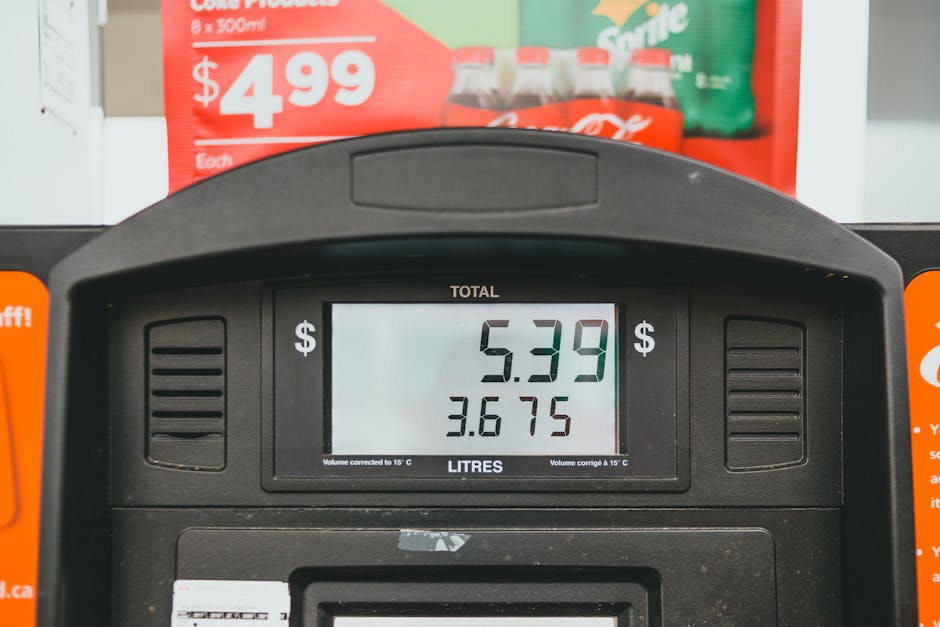
- ICE Vehicle (e.g., Toyota Camry, Honda Accord): ~$1,200–$1,800/year in maintenance costs, plus $2,000–$2,800/year in fuel (at 2026 average U.S. gas prices hovering around $3.60–$4.10/gallon).
- EV (e.g., Tesla Model 3, Chevy Equinox EV, Hyundai IONIQ 6): ~$500–$900/year in maintenance, plus $600–$900/year in electricity (at U.S. average residential rates of ~$0.16/kWh in 2026).
Over 5 years, that gap compounds to somewhere between $8,000 and $14,000 in savings for the EV owner — not counting the higher purchase price differential, which has been narrowing significantly thanks to increased manufacturing scale and the Inflation Reduction Act’s successor policies still in play in 2026.
What the Research and Real-World Cases Show
Let’s pull in some specific reference points to ground this conversation:
Consumer Reports (2026 Annual Auto Reliability Survey): EVs continue to show lower maintenance costs across the board, with the notable exception of first-model-year vehicles from newer brands, which still show higher-than-average repair incidents. Established models like the Tesla Model Y, Hyundai IONIQ 5, and Ford Mustang Mach-E (now in its matured generation) showed strong reliability scores.
Geotab Fleet Data (2026 Q1 Report): Among commercial fleets, EV total maintenance costs per mile were $0.06–$0.08/mile versus $0.10–$0.14/mile for ICE equivalents. For high-mileage fleet operators, this is transformative.
Norwegian EV Association Data: Norway, where EVs now make up over 90% of new car sales, has been tracking real-world ownership data for over a decade. Their 2026 member survey confirms average annual maintenance savings of approximately €900–€1,300 compared to equivalent ICE models.
Hyundai Motor Group’s internal lifecycle analysis (shared at the Seoul Motor Forum, February 2026) showed that the IONIQ 6 required 34% fewer service visits over 5 years compared to the equivalent Sonata ICE model — a pretty clean apples-to-apples comparison from the same manufacturer.
The Variables That Can Flip the Equation
Now, before you go sell your Camry tomorrow, here are the scenarios where ICE vehicles can still make financial sense:
- Low annual mileage: If you drive fewer than 7,500 miles per year, the fuel and maintenance savings from an EV may not offset the higher upfront purchase price within a reasonable ownership period.
- Rural or charging-infrastructure-poor areas: Reliance on Level 1 home charging only, or frequent DC fast charging (which costs more per kWh and accelerates battery degradation slightly), can erode the cost advantage.
- Out-of-warranty battery issues: If you own an older, pre-2020 EV with a degraded battery and no warranty coverage, repair costs can be brutal. This is a real concern in the used EV market.
- Highly reliable used ICE vehicles: A well-maintained used Toyota Corolla or Honda Civic with 60,000 miles can be an incredibly cost-effective ownership proposition — hard to beat on pure financial logic.
Conclusion: It’s Not a Binary Choice Anymore
The honest answer in 2026 is that EVs win the maintenance cost battle pretty decisively for the average driver doing 12,000–20,000 miles per year with home charging access. But “winning” doesn’t mean it’s the right choice for everyone. If you’re a high-mileage commuter, fleet operator, or urban driver — the EV math is compelling and getting clearer every year. If you live rurally, drive infrequently, or are budget-constrained on upfront costs, a reliable used ICE vehicle or even a hybrid remains a genuinely smart alternative rather than a compromise.
The era of “EVs are unproven” is over. What we’re really debating now is optimization — which tool fits your specific driving life best. And that’s actually a much more interesting conversation.
Editor’s Comment : After years of tracking this debate, the thing that strikes me most is how the conversation has matured. In 2020, people argued about whether EVs even worked. In 2026, we’re deep in the nuance — tire wear rates, charging infrastructure arbitrage, fleet depreciation curves. That’s progress. My take: run your own numbers based on your actual annual mileage, local electricity rates, and charging setup before committing. The spreadsheet doesn’t lie, but it does need your real data to tell the truth.
📚 관련된 다른 글도 읽어 보세요
- 2026 전기차 신모델 성능 비교 — 지금 사야 할 차는 어떤 모델일까?
- Car Air Filter Replacement: The DIY Guide That Could Save You $200+ in 2026
- 2026 Compact vs. Mid-Size Car: A Brutally Honest Annual Ownership Cost Breakdown
태그: EV maintenance costs 2026, electric vehicle vs gasoline car, total cost of ownership EV, ICE vehicle running costs, EV vs ICE comparison, electric car savings, automotive ownership costs
Leave a Reply