A friend of mine — let’s call him Dave — called me last month absolutely fuming. He’d just paid $380 at a dealership for an oil change, cabin air filter swap, and wiper blade replacement. Three items. Three hundred and eighty dollars. When I told him I do all three of those myself for under $60 in parts and maybe 45 minutes of my Saturday morning, there was a long silence on the line. That silence is basically the reason I’m writing this guide today.
Replacing consumable parts on your car isn’t some dark art reserved for grease-stained mechanics. Most of it is genuinely beginner-friendly — and in 2026, with parts sourcing easier than ever and YouTube tutorials for virtually every vehicle trim level, there’s almost no excuse not to at least try. Let’s walk through the big ones together.
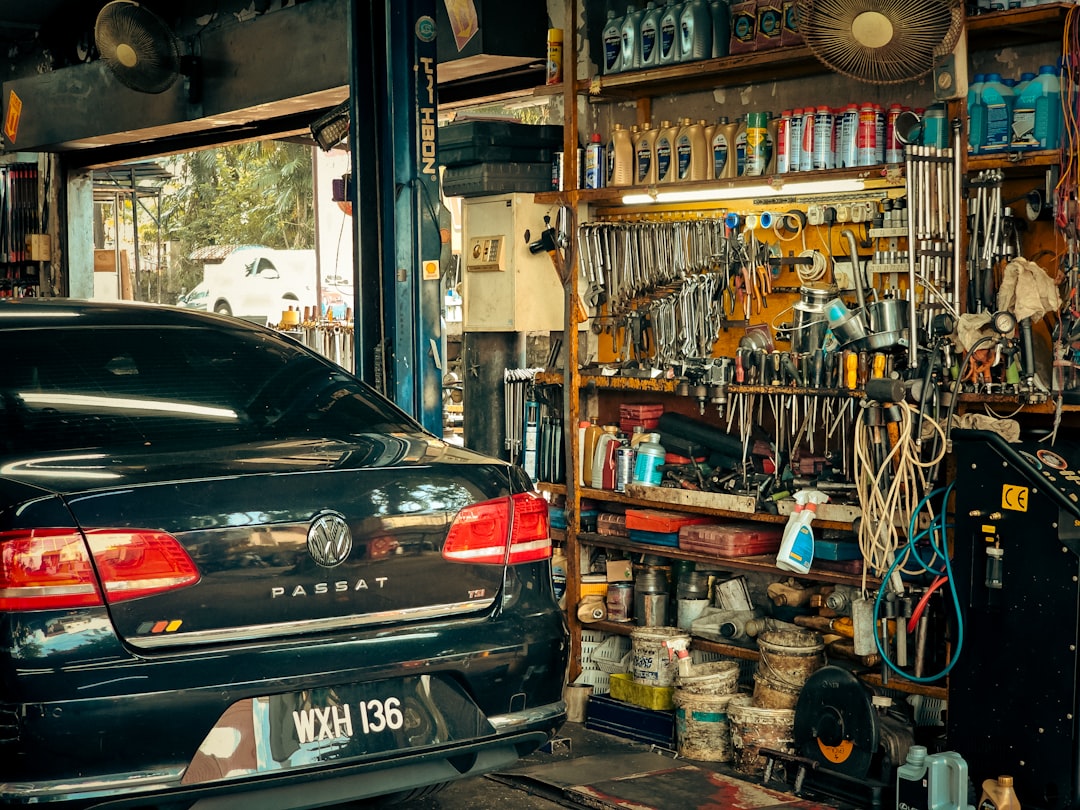
Why DIY Maintenance Actually Makes Financial Sense in 2026
Let’s put some numbers on the table. According to AAA’s 2026 vehicle ownership cost report, the average American spends between $1,200 and $2,100 per year on routine maintenance at dealerships or shops. Industry data suggests that roughly 40–55% of that bill is pure labor cost. If you handle the five most common consumable replacements yourself, you can realistically cut that annual spend by $500–$900 depending on your vehicle make and model.
Here’s a quick reference breakdown of typical shop prices vs. DIY costs for the most common jobs:
- Engine Oil & Filter Change: Shop price $80–$150 / DIY cost $25–$50 (synthetic oil + filter kit)
- Cabin Air Filter: Shop price $60–$90 / DIY cost $12–$25
- Engine Air Filter: Shop price $50–$80 / DIY cost $15–$30
- Wiper Blades (pair): Shop price $60–$100 / DIY cost $18–$40
- Spark Plugs (4-cylinder): Shop price $150–$300 / DIY cost $30–$80
- Brake Pads (front axle): Shop price $200–$400 / DIY cost $40–$100
The math is pretty brutal when you see it laid out. And the good news? These six jobs cover the vast majority of what most cars need under 100,000 miles.
Job #1 — Engine Oil & Filter: The Foundation of Everything
Engine oil is the lifeblood of your car — that’s not a cliché, it’s physics. Oil reduces metal-on-metal friction, carries heat away from the engine, and suspends combustion byproducts until your filter can capture them. Modern full-synthetic oils (think Mobil 1, Castrol EDGE, or Liqui-Moly’s top-shelf 5W-40) are dramatically better than the conventional oils of 20 years ago, and many manufacturers now specify 7,500–10,000 mile change intervals as a result.
What you need: Correct oil grade (check your owner’s manual — it’s usually printed on the oil cap too), an OEM-spec or Wix/Fram oil filter, a drain pan, a socket set with the right drain plug size, and a filter removal wrench.
The process in plain English:
- Warm up the engine for 2–3 minutes (warm oil drains faster and carries more contaminants with it)
- Locate the drain plug under the engine — it’s a single bolt at the lowest point of the oil pan
- Place your drain pan, crack the bolt counterclockwise, and let it drain completely (5–10 minutes)
- Replace the drain plug with a new crush washer if required (many modern cars need this — a $1 part that prevents leaks)
- Remove the old oil filter — expect a small spill, so have rags ready
- Lightly lubricate the new filter’s rubber gasket with fresh oil before threading it on hand-tight
- Fill with the correct volume of fresh oil, check the dipstick, run the engine for 30 seconds, check for leaks, done
Job #2 — Air Filters: Cabin & Engine (Often a 5-Minute Job)
I genuinely cannot stress enough how easy these two are. The cabin air filter — which cleans the air going into your HVAC system — is typically located behind your glove box or under your dashboard. On most Toyota, Honda, and Hyundai models built after 2018, it’s a snap-in panel you can access in under 3 minutes without any tools. Pull the old one out, note the airflow direction arrow printed on the filter, slide the new one in.
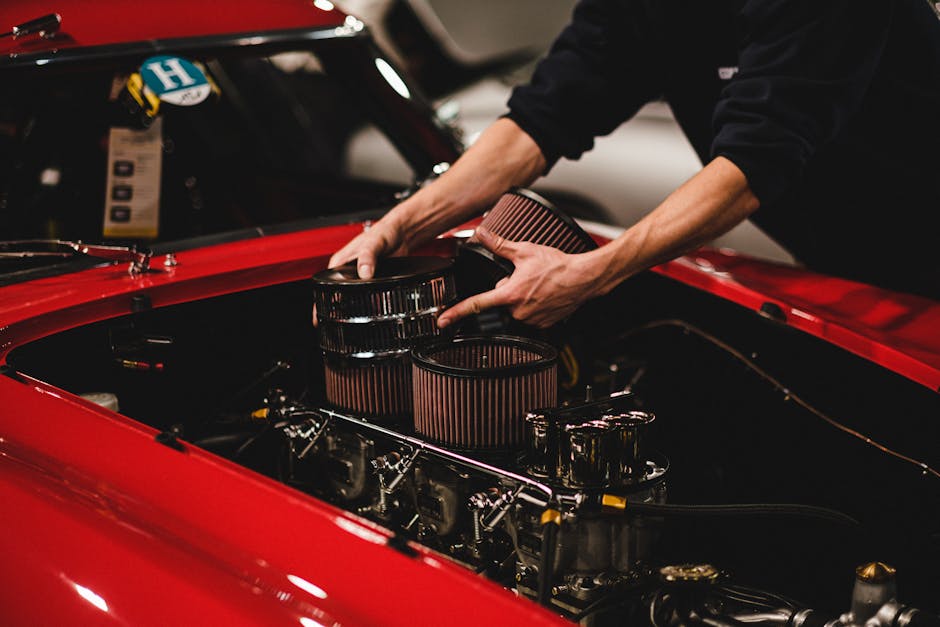
The engine air filter sits in a plastic airbox connected to your intake duct. A few plastic clips or screws hold the lid down. Open it, lift out the old filter, check it against the light — if it’s gray or brown and you can’t see light through it, it’s time. Drop the new one in with the rubber seal facing outward. Total time: 5 minutes max.
Recommended brands: K&N makes excellent reusable washable filters (pricier upfront but last the life of the car), while Mann-Filter and Bosch Workshop are reliable OE-spec disposable options available widely on Amazon and RockAuto.
Job #3 — Wiper Blades: Easier Than You Think, More Important Than You Remember
Wiper blades are a classic example of something people pay too much for because they assume it’s complicated. It isn’t. The only genuinely tricky part is identifying your wiper arm attachment type — the most common in 2026 vehicles are the “J-hook” (bayonet) style, but some use pinch tabs, pin-top, or side-pin connections. Your vehicle’s year/make/model lookup on any major parts site (AutoZone, Advance Auto, or RockAuto) will tell you exactly which type and what size you need.
Bosch Icon and Rain-X Latitude are perennial top performers. For beam-style wipers (the newer frameless design), Valeo’s Silencio X-TRM series has been getting strong reviews in 2026 for noise reduction. Budget $20–$40 for a quality pair and they’ll last 12–18 months even in harsh climates.
Job #4 — Spark Plugs: A Weekend Job That Can Wake Your Engine Up
If your car is running a little rough at idle, fuel economy has dropped, or you’re over 60,000 miles on the original plugs, it’s probably time. Modern iridium and platinum plugs from NGK, Denso, or Bosch are the standard — avoid cheap copper plugs for anything other than older vehicles. Iridium plugs typically last 60,000–100,000 miles.
The process requires a spark plug socket (usually 5/8″ or 13/16″), a ratchet with an extension, and a torque wrench. The torque wrench part is non-negotiable — overtightening spark plugs can strip threads in your aluminum cylinder head, which is an expensive mistake. Check your service manual for the exact torque spec (typically 15–20 ft-lbs for most 4-cylinders). Always install plugs when the engine is cold, and apply a thin layer of anti-seize compound to the threads unless the plug manufacturer specifically says not to.
Job #5 — Brake Pads: Doable, But Respect the Process
I want to be honest with you here: brake pad replacement is DIY-friendly, but it demands more respect than the jobs above because brakes are safety-critical. If you’re not confident, this is one where having an experienced friend walk you through it in person — or paying a mechanic — is a perfectly valid choice. That said, the actual procedure isn’t mechanically complex.
You’ll need a floor jack, jack stands (never work under a car supported only by a floor jack), a C-clamp or brake piston tool to compress the caliper piston, and the correct pad set. Always replace pads in axle pairs — never just one side. Check your rotors for scoring or thickness while you’re in there. If they’re below the minimum thickness stamped on the rotor, replace those too. EBC Greenstuff (street driving) and Hawk HPS pads are solid choices for most daily drivers.
Parts Sourcing in 2026: Where to Buy Smart
The parts landscape has gotten genuinely great. Here are the channels worth knowing:
- RockAuto.com — Still the gold standard for price comparison across multiple brand tiers. Ships fast, huge catalog.
- Amazon Automotive — Convenient but verify you’re buying genuine branded parts, not knock-offs. Check seller carefully.
- AutoZone / Advance Auto / O’Reilly — Brick-and-mortar with in-store pickup, useful for “I need it today” situations. Advance often has 20–30% off online coupons.
- Dealer Parts Counter — Worth it for OEM-specific items like drain plug crush washers, cabin filter housing clips, or anything electronic.
- eBay Motors — Legitimately useful for older or discontinued parts, but buy from sellers with 98%+ feedback ratings only.
The Tools You Actually Need (Starter Kit)
You don’t need a full professional toolkit to do these jobs. Here’s a practical starter setup that’ll cover 90% of consumable replacements:
- 3/8″ drive socket set (metric) — SAE sockets optional depending on your vehicle
- Oil filter removal wrench (universal strap type)
- Torque wrench (0–80 ft-lbs range covers most consumable work)
- Floor jack + two jack stands rated for your vehicle’s weight
- Oil drain pan with lid for disposal
- Nitrile gloves (your hands will thank you)
- Shop rags and a basic screwdriver set
You can assemble this kit for $80–$150 total, and it will pay for itself after just one oil change and filter replacement.
Realistic Alternatives If Full DIY Isn’t Your Thing
Not everyone has the time, space, or physical ability to do full DIY maintenance — and that’s completely fine. A middle path worth considering: do the super-easy jobs yourself (cabin air filter, wiper blades, engine air filter) and let a shop handle the messier or more mechanically involved ones (oil changes, spark plugs, brakes). This hybrid approach can still save you $300–$500 per year while keeping your hands reasonably clean.
Also worth knowing: many auto parts chains like AutoZone and O’Reilly offer free loaner tools through their loan-a-tool programs, so you can borrow a torque wrench or caliper compression tool for a deposit that’s fully refunded when you return it. That eliminates the upfront tool cost entirely for occasional jobs.
Editor’s Comment : After 10+ years of wrenching on everything from daily beaters to weekend project cars, the single biggest thing I’d tell someone starting their DIY maintenance journey is this — your owner’s manual is your best friend. Not YouTube, not forum posts (though those help too), not me. The manual has your actual torque specs, oil grade, filter part numbers, and service intervals specific to YOUR car. Crack it open, cross-reference with a source like Mitchell1 or AllData DIY, and you’ll be amazed how approachable this stuff really is. Start with wipers and a cabin filter this weekend. Seriously, just start there.
📚 관련된 다른 글도 읽어 보세요
- How to Choose the Right Auto Tuning Shop in 2026: What You Must Know Before You Sign Anything
- 2026 Electric Vehicle New Models: A Deep-Dive Performance Comparison You Actually Need
- 2026 전기차 신모델 성능 비교 — 지금 사야 할 차는 어떤 모델일까?
태그: DIY car maintenance, consumable parts replacement, oil change guide, car maintenance tips 2026, brake pad DIY, spark plug replacement, auto maintenance beginner guide
Leave a Reply