A friend of mine called me in a mild panic last spring. He’d just bought a beautiful 20-gallon tank, loaded it up with gravel, filled it with tap water, dropped in six neon tetras the same afternoon, and by day three, half of them were floating. Sound familiar? If you’ve ever set up a freshwater aquarium and felt like the fish were silently judging your every decision before quietly dying on you — this one’s for you.
The truth is, aquarium keeping has a surprisingly steep learning curve that the glossy pet store displays don’t advertise. But once you get past the first month, it genuinely becomes one of the most rewarding hobbies out there. Let me walk you through what actually works in 2025, with real numbers and the specific mistakes that trip up almost every beginner.
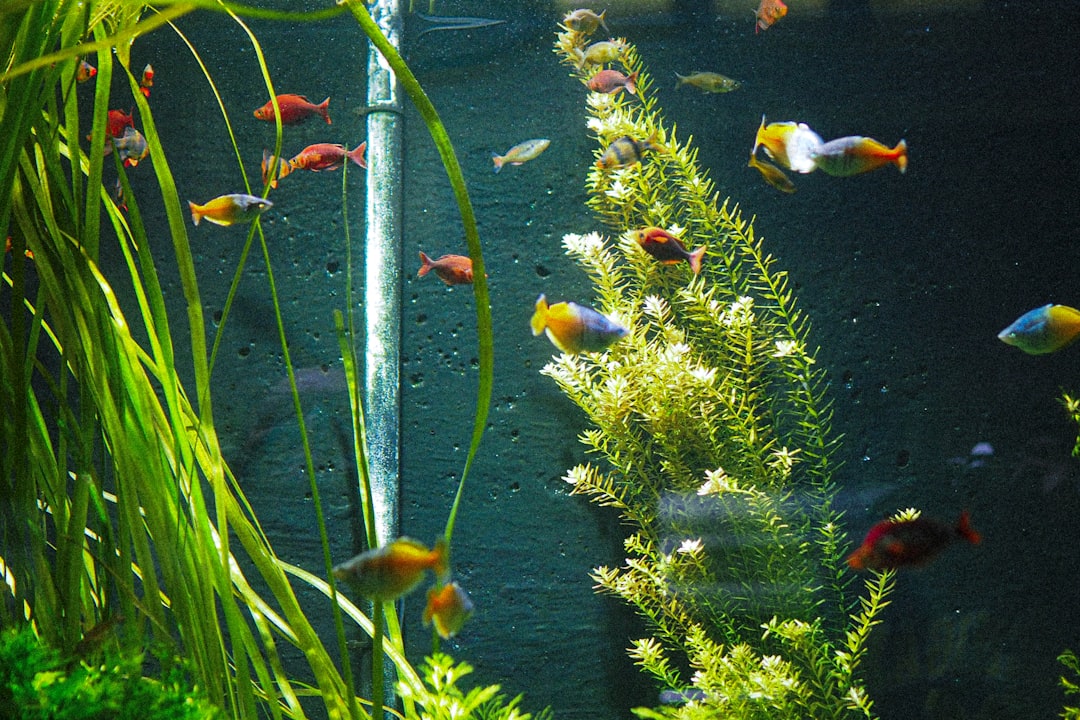
The Nitrogen Cycle: The One Thing Nobody Explained Clearly Enough
Here’s the core biology you need to understand before anything else. When fish produce waste (and they produce a lot), it breaks down into ammonia (NH₃). Even at 0.25 ppm, ammonia starts stressing fish. Beneficial bacteria convert that ammonia into nitrite (NO₂⁻), which is also toxic. A second bacterial colony then converts nitrite into nitrate (NO₃⁻), which fish tolerate at levels up to roughly 40 ppm before it becomes harmful. This full cycle — called the nitrogen cycle — takes approximately 4 to 8 weeks to establish in a new tank.
My friend’s mistake? He skipped the cycle entirely. He introduced fish on day one, hit ammonia spikes of over 4 ppm by day two, and never had a chance. The fish didn’t die from bad luck — they died from a predictable chemical process that no one told him to wait out.
- Target ammonia: 0 ppm at all times during steady state
- Target nitrite: 0 ppm at all times during steady state
- Target nitrate: Keep below 20–40 ppm with regular water changes
- pH range for most community fish: 6.8 – 7.4
- Temperature for tropical freshwater fish: 75–80°F (24–27°C)
- Cycling period: 4–8 weeks for a fishless cycle, or 2–4 weeks using bottled bacteria
What Gear Actually Matters (And What’s Just Marketing)
Walk into any aquarium store in 2025 and you’ll find no shortage of products claiming to be essential. Let’s be honest about what you actually need versus what you can skip.
Non-negotiable equipment:
- Heater: For tropical fish, a reliable heater is a must. The Fluval E Series digital heaters have strong reviews for accuracy — expect to spend $30–$60 for a 100W unit suitable for tanks up to 30 gallons. Avoid ultra-cheap no-name heaters; temperature fluctuations of more than 2°F stress fish noticeably.
- Filter: Your biological filtration is everything. HOB (hang-on-back) filters like the AquaClear 30 or 50 offer great media volume for beneficial bacteria colonization. For canister filters, the Fluval 207 handles tanks up to 45 gallons efficiently. Budget: $35–$120 depending on tank size.
- API Master Test Kit: This is the single best $35 you’ll spend. Test strips give wildly inaccurate readings compared to liquid reagent tests. You need to know your actual ammonia, nitrite, nitrate, and pH numbers — not a vague color gradient.
- Dechlorinator: Seachem Prime is the industry standard. One bottle ($10–$14 for 100ml) treats 1,000 gallons and also temporarily detoxifies ammonia and nitrite — a genuine lifesaver during cycling.
Stuff you can skip early on: UV sterilizers, protein skimmers (for freshwater — that’s a saltwater thing), automatic feeders, and decorative LED kits that cost more than your filter. Build the biology first; decorate later.
Fish Selection: The Stocking Math That Pet Stores Don’t Always Share
The old “one inch of fish per gallon” rule is wildly oversimplified. A single 10-inch Oscar will foul a 10-gallon tank in hours, while 10 one-inch neon tetras in a well-filtered 10-gallon can thrive for years. What actually matters is bioload — how much waste a species produces relative to its size and metabolism.
For a 20-gallon beginner tank, a realistic stocking plan might look like:
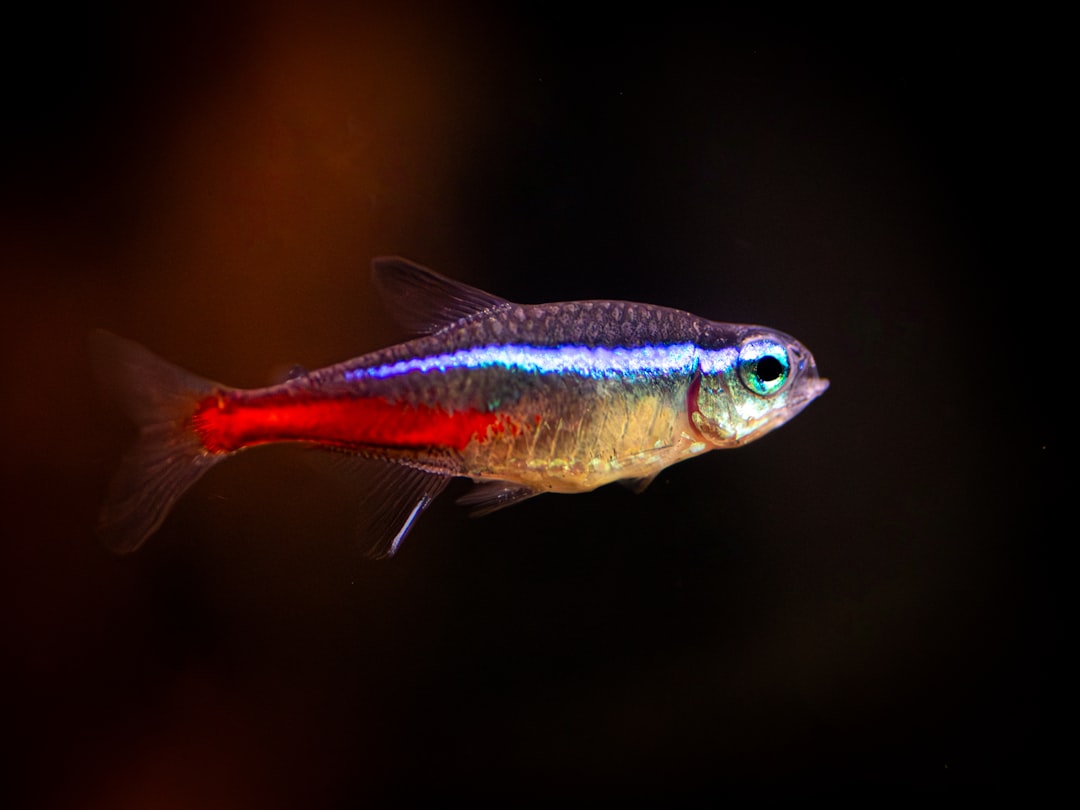
- A school of 10–12 neon or ember tetras (low bioload, peaceful)
- 6 Corydoras catfish (bottom cleaners, extremely hardy)
- 1–2 dwarf gouramis (centerpiece fish, manageable bioload)
Tools like AqAdvisor.com let you input your tank size, filter model, and desired fish species to calculate stocking compatibility and filtration load percentages. It’s not perfect, but it’s a much better starting point than guessing. As of 2025, the site remains free and frequently updated by the community.
The Maintenance Rhythm That Keeps Things Stable
Consistency matters more than perfection in aquarium keeping. Most beginner crashes happen not from a single catastrophic mistake, but from irregular maintenance — skipping a water change for three weeks, then doing a massive 70% change that shocks the system.
Here’s a sustainable weekly routine:
- Weekly: 20–25% water change using a gravel vacuum (Python No Spill system is worth every penny at $35–$50). Test nitrates before changing — if they’re above 20 ppm, change more water.
- Weekly: Check temperature, inspect fish behavior (clamped fins = stress signal; lethargy + white spots = possible ich, a common parasitic infection caused by Ichthyophthirius multifiliis)
- Monthly: Rinse filter media in tank water only — never tap water, which kills beneficial bacteria. Replace carbon media every 4–6 weeks.
- Every 6 months: Deep clean decorations, check heater calibration against a separate thermometer
Real-World Cases: What the Community Has Learned
The r/Aquariums subreddit on Reddit has over 2.1 million members as of 2025, and browsing its wiki is genuinely one of the best free education resources available. The most commonly diagnosed beginner problems, based on community data, are:
- New Tank Syndrome (ammonia/nitrite spikes) — resolved by cycling properly and using Seachem Prime as a buffer
- Ich outbreaks — often triggered by temperature drops below 72°F during transit or from new fish; treated with gradual temperature increase to 86°F over 48 hours combined with Ich-X medication
- Algae overgrowth — most commonly caused by too many hours of light (10+ hours/day) and excess nutrients; solution is a timer set to 6–8 hours and reduced feeding
Brands like Seachem, API, Fluval, and Aqueon dominate the reliable mid-range market. Ultra-budget brands from marketplace sites sometimes use inaccurate thermostats or thin materials — reading specific model reviews on sites like Fishlore.com or The Planted Tank forum before buying saves real headaches.
So Should You Start Now, or Wait Until You Know More?
Here’s the honest answer: the best time to start is right after you understand the nitrogen cycle — not before, and not six months from now after “more research.” If your situation is a 10-gallon impulse buy with zero preparation, return it or let it cycle empty for five weeks before adding fish. If your situation is a planned 20–40 gallon setup with a quality filter and a test kit ready to go, you’re in genuinely good shape to start this week.
Aquarium keeping rewards patience more than money. A $200 setup run with discipline beats a $2,000 setup run carelessly, every single time. The fish don’t care about the fancy lights — they care about stable water chemistry.
💬 Reader tip: Before you buy your first fish, spend two full weeks just running your tank with the filter and heater going. Dose ammonia to 2–4 ppm using pure ammonia (found at hardware stores — check the label for 10% ammonia, no surfactants). Test daily. When ammonia and nitrite both hit 0 ppm within 24 hours of dosing, your cycle is complete and your tank is ready. That two-week wait will save you from the exact same heartbreak my friend went through — and it makes the moment you finally add your fish feel genuinely earned.
📚 관련된 다른 글도 읽어 보세요
- 에어필터 교체 안 하면 연비 얼마나 날리는 거야? 2026 실측 데이터 + 교체 주기 완전 분석
- 정비소에서 20만원 쓰기 전에 읽어라: 브레이크패드 자가교체 vs 정비소 비용 비교 2026 완전판
- 2026 Imported Car New Models Deep Dive: The Best New Arrivals You Need to Know About This Year
태그: []
Leave a Reply