A few months back, I was driving through a sudden downpour on the highway when my car started drifting ever so slightly on a curve. My heart jumped into my throat — and afterward, I spent three weeks obsessively researching tire brands. What I found surprised me: the difference between a “budget” tire and a “premium” tire isn’t just marketing fluff. It can genuinely change how your car behaves when things go sideways (sometimes literally). So let’s dig into the real-world performance data on the major tire brands available in 2026 and figure out what’s actually worth your money.
Why Tire Brand Matters More Than You Think
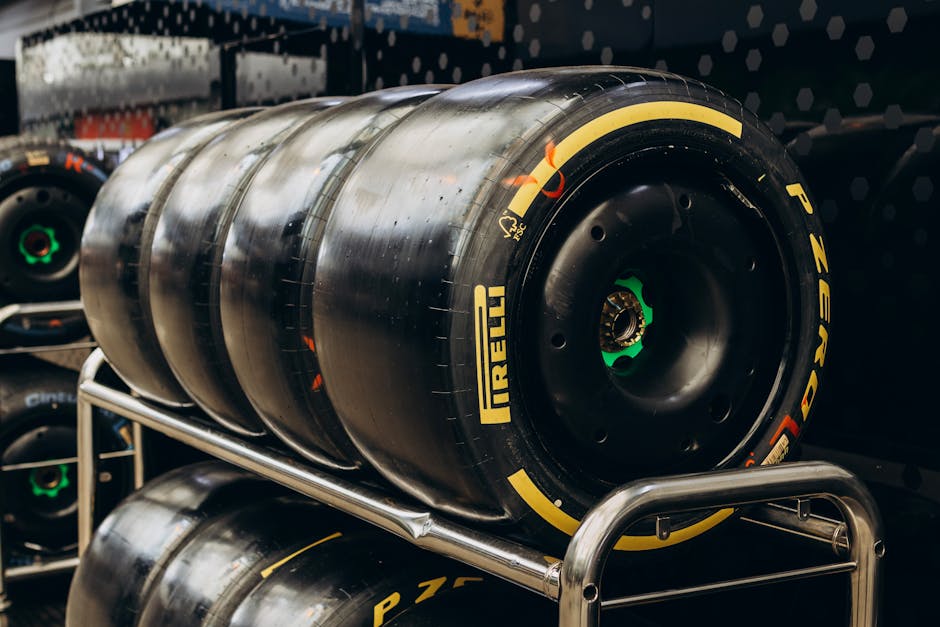
Most drivers spend more time picking a phone case than choosing tires — and that’s a little scary when you consider that tires are literally the only part of your car touching the road. Tire performance is typically evaluated across five key metrics: wet braking distance, dry handling, rolling resistance (fuel efficiency), noise levels, and tread longevity. Let’s walk through how the top brands stack up in each area.
Michelin — The Benchmark (But at a Price)
Michelin consistently tops independent tests run by organizations like TÜV SÜD and Auto Bild. In 2026 evaluations of the Michelin Pilot Sport 5, wet braking from 100 km/h averaged just 38.2 meters — one of the shortest in its class. Their EV-optimized line, the Michelin e·Primacy, also showed a rolling resistance coefficient of 6.8 kg/ton, which meaningfully improves range on electric vehicles. The tradeoff? Expect to pay 20–35% more than mid-tier competitors. For high-mileage commuters or EV owners, the math often works out. For casual weekend drivers, maybe not.
Bridgestone — The All-Rounder That Doesn’t Brag
Bridgestone’s Turanza T005A and the performance-focused Potenza Sport have been quietly impressive across Asian and European test circuits. In Korea’s KATRI (Korea Automobile Testing & Research Institute) standardized tests, the Potenza Sport recorded dry braking distances within 1.3 meters of Michelin at a notably lower price point. Bridgestone also scores high on tread life — many users report hitting 60,000–70,000 km before significant wear on touring tires. If you want a well-rounded performer without the premium sticker shock, Bridgestone is genuinely hard to beat.
Continental — The Engineer’s Choice for Wet Roads
Ask any automotive engineer which tire they’d put on a car in rainy Northern Europe and there’s a good chance they’ll say Continental. The ContiSportContact 7 features their patented Black Chili Compound technology, which keeps the rubber pliable across a wider temperature range. In independent wet-road tests conducted by Germany’s ADAC in early 2026, Continental placed first or second in wet braking in 7 out of 9 tire categories tested. Noise levels are also commendably low — a 68 dB interior reading on highway at 120 km/h makes for a noticeably quieter cabin than many rivals.
Hankook & Kumho — The Smart Budget Play
Here’s where things get interesting for cost-conscious buyers. Korean brands Hankook and Kumho have closed the performance gap dramatically in recent years. Hankook’s Ventus S1 evo3 now regularly finishes within the top tier of European comparative tests — sometimes edging out Pirelli on wet braking. In a 2026 comparative test by Auto Motor und Sport, the Ventus S1 evo3 scored 89/100 overall, compared to Michelin’s 93/100. That 4-point difference costs roughly $150–$200 less per set of four. For most everyday drivers, that’s a compelling argument.
Pirelli — Style, Speed, and Compromises
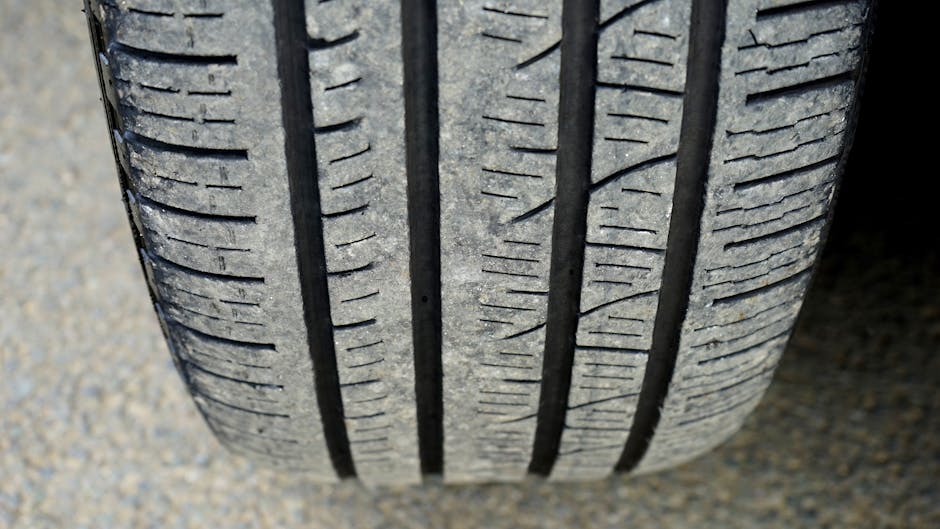
Pirelli is the official tire of Formula 1 and dozens of supercar OEM fittings, and that heritage shows in dry-road grip. The P Zero Trofeo RS is borderline surgical on a dry track. However, real-world longevity tells a different story — many users report tread wear at 30,000–40,000 km on performance compounds, roughly half of Bridgestone’s touring tires. Pirelli also tends to prioritize performance over ride comfort, so if you’re daily-driving a compact sedan on urban roads, you might find them unnecessarily stiff and noisy.
Quick-Reference: Brand Strengths at a Glance
- Michelin: Best all-around performer, top EV tire options, premium pricing
- Bridgestone: Excellent tread longevity, strong dry performance, great value-to-quality ratio
- Continental: Outstanding wet road safety, low noise, favored by European automakers
- Hankook: Closes the gap with premium brands at significantly lower cost, improving year over year
- Kumho: Budget-friendly, solid for urban commuting, less ideal for high-performance driving
- Pirelli: Best-in-class dry grip, made for performance cars, shorter lifespan on soft compounds
- Goodyear: Reliable across seasons, strong winter/all-season lineup, consistent mid-tier performance
How to Actually Choose: Matching Brand to Your Life
Here’s the reasoning framework I’d suggest before clicking “buy”:
If you drive an EV: Michelin e·Primacy or Bridgestone Turanza EV — rolling resistance and load rating matter here more than anything.
If you live somewhere with heavy rainfall: Continental or Michelin. Wet braking distance is not the place to compromise.
If you’re on a tighter budget but still want quality: Hankook Ventus series. Genuinely competitive performance at 25–30% less cost than European premiums.
If you have a sports or performance car: Pirelli or Michelin Pilot Sport, but go in knowing you’ll replace them sooner.
If you prioritize longevity over everything: Bridgestone touring tires. They’re the marathon runners of the tire world.
The Realistic Alternative Nobody Talks About
One option that often gets overlooked: buying a tier below your “ideal” brand but replacing sooner. A set of Kumho Ecsta tires at $400 replaced every 40,000 km may offer comparable long-term cost and safety to premium tires at $700 replaced every 70,000 km — especially for low-speed urban drivers. The math only breaks down when you’re regularly driving at highway speeds or in challenging weather. Know your actual driving conditions, not your aspirational ones.
Editor’s Comment : After going down this rabbit hole myself, I ended up with Hankook Ventus S1 evo3s — and honestly, I haven’t looked back. They handle my rainy commute beautifully, the cabin noise is lower than my old “name brand” tires, and I saved enough to get a proper wheel alignment and balancing done at the same time. The best tire isn’t always the most expensive one. It’s the one that fits your actual driving life. Do the homework, know your roads, and choose accordingly.
📚 관련된 다른 글도 읽어 보세요
- 2026 New Car Releases & Price Comparison: What’s Actually Worth Your Money This Year?
- 자동차 와이퍼 블레이드 추천·교체 방법·비용 총정리 (2026년 최신판)
- 2026 Electric Vehicle New Models: A Deep-Dive Performance Review That Will Change How You Think About EVs
태그: [‘tire brand comparison 2026’, ‘best car tires 2026’, ‘Michelin vs Bridgestone vs Continental’, ‘tire buying guide’, ‘wet braking performance tires’, ‘Hankook tire review’, ‘EV tire recommendations’]
Leave a Reply