Let me paint you a familiar picture: you’re cruising down the highway when you notice a slight shimmy in the steering wheel. You pull into a tire shop, and the technician walks out holding your old tire like evidence at a crime scene — “Sir, this should’ve been replaced six months ago.” Sound familiar? You’re not alone. According to a 2026 report by the Tire Industry Association, nearly 1 in 3 drivers in North America is currently riding on tires that are either worn beyond safe limits or approaching the end of their service life. The good news? Knowing when to replace your tires — and how to do it smartly — can save you hundreds of dollars and, more importantly, your safety.
How Do You Actually Know When It’s Time?
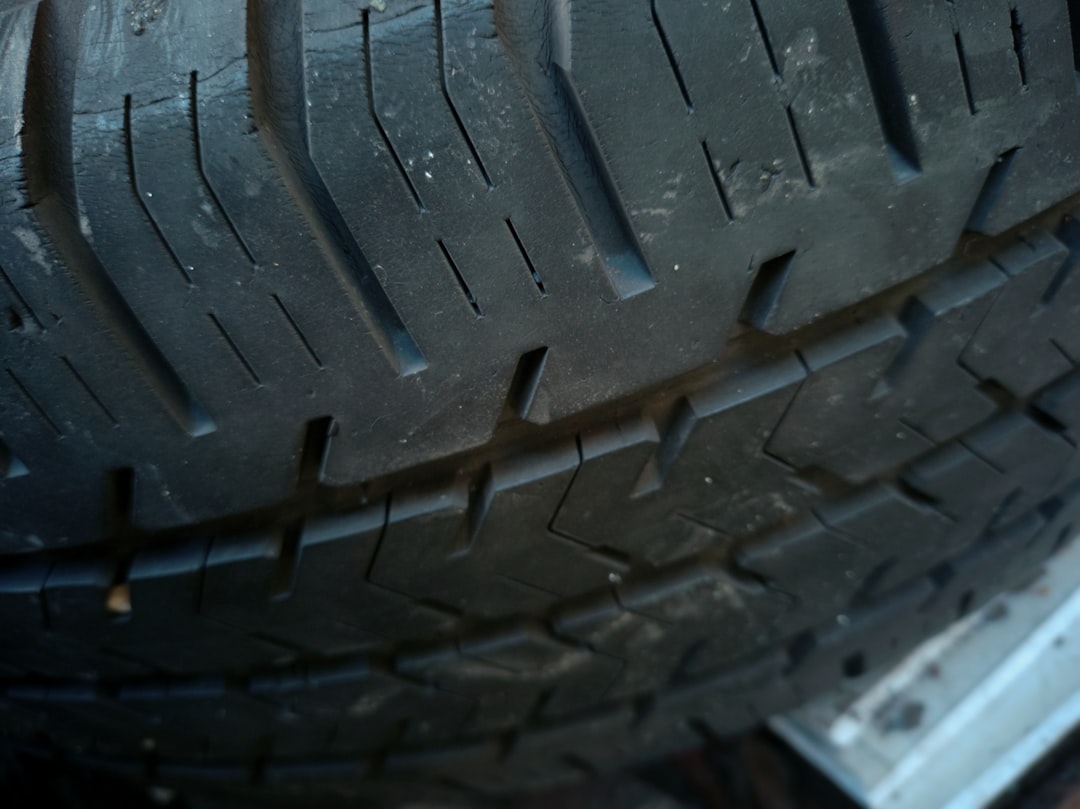
Here’s where a lot of drivers go wrong: they wait until a tire goes flat before thinking about replacement. But tires degrade long before they fail spectacularly. There are three primary indicators you should track regularly:
- Tread Depth: The legal minimum in most U.S. states and EU countries is 2/32 of an inch (1.6mm). However, safety experts — and Consumer Reports’ 2026 tire safety guide — recommend replacing tires at 4/32 inch (3.2mm) for wet-weather performance. The classic “penny test” (insert a penny into the tread; if you see Lincoln’s full head, replace it) is a quick field check, but a proper tread gauge costs under $10 and is far more accurate.
- Tire Age: Even if your tires look fine visually, rubber degrades chemically over time. Most manufacturers — including Michelin, Bridgestone, and Continental — recommend replacing tires after 6 years regardless of tread depth, with a hard maximum of 10 years. You can find the manufacture date on the sidewall: the last four digits of the DOT code tell you the week and year (e.g., “0824” means the 8th week of 2024).
- Visual Warning Signs: Cracks in the sidewall, bulges or blisters, and uneven tread wear patterns (like feathering or cupping) are immediate red flags. These don’t wait — they mean you should schedule a replacement soon.
The Real Cost Breakdown in 2026
Let’s talk numbers, because this is where anxiety usually kicks in. As of early 2026, average tire prices in the U.S. have stabilized after the supply chain disruptions of previous years, but they’re still higher than pre-2022 baselines:
- Economy/Budget tires (e.g., Kumho, Falken): $70–$110 per tire
- Mid-range tires (e.g., Hankook, Cooper, Toyo): $110–$180 per tire
- Premium tires (e.g., Michelin, Pirelli, Goodyear Eagle): $180–$350+ per tire
- Installation, balancing, and disposal fees: Typically $20–$40 per tire at most shops
So a full set of four mid-range tires with installation can realistically run you $520–$880 total. That’s not pocket change — which is exactly why timing and strategy matter.
Real-World Examples: How Smart Shoppers Do It
In South Korea, a popular approach among budget-conscious drivers is to use price comparison platforms like TireBang or Naver Smart Store to source tires at wholesale prices and then bring them to an independent garage for installation — often cutting total costs by 25–40% compared to dealership packages. This “supply your own tires” model is also gaining traction in the U.S., with retailers like Discount Tire and Tire Rack explicitly supporting customer-supplied installations.
In Germany, a country known for its rigorous vehicle safety culture, annual TÜV inspections (the German equivalent of a state vehicle inspection) have effectively created a culture of proactive tire maintenance. German motorists, by necessity, tend to replace tires closer to the 4/32″ mark rather than waiting for complete wear — and studies show their blowout and hydroplaning incident rates are consistently lower than EU averages.
Meanwhile in Japan, where kei cars dominate urban roads, many drivers opt for the 2+2 strategy: replacing the two most-worn tires first when budget is tight, then replacing the remaining two within 3–6 months. This avoids the financial shock of replacing all four at once while maintaining reasonable balance. (Note: this only works if the wear differential between front and rear isn’t extreme — always confirm with a technician first.)
Practical Cost-Saving Strategies Worth Knowing
- Buy during seasonal sales: In the U.S., major sales happen around Black Friday, Memorial Day, and Labor Day. In 2026, many retailers have also launched spring promotions tied to road-trip season — typically March through May.
- Buy online, install locally: Sites like Tire Rack, SimpleTire, and even Amazon Warehouse ship tires directly to a local installer. You often pay 15–30% less than in-shop prices.
- Look for rebate programs: Michelin, Goodyear, and Bridgestone frequently run manufacturer mail-in rebates of $50–$100 per set — but you have to check their websites proactively. These aren’t always advertised at the point of sale.
- Rotate your tires every 5,000–7,500 miles: This is the single cheapest maintenance habit that extends tire life. Many shops include free rotations with tire purchase packages.
- Check your inflation monthly: Under-inflated tires wear 25% faster according to NHTSA data. Most modern vehicles have TPMS (Tire Pressure Monitoring Systems), but those only alert you to critically low pressure — not the slow, gradual drift that causes accelerated wear.
- Consider all-season vs. dedicated seasonal tires: If you live in a region with mild winters, quality all-season tires (e.g., Michelin CrossClimate 2, Goodyear Assurance WeatherReady) eliminate the cost of a second set of winter tires and seasonal swaps — a legitimate long-term saving.
Alternatives If You’re Really Budget-Constrained Right Now
Here’s a realistic take: sometimes the budget just isn’t there for a full set of new tires. So let’s think through your options honestly rather than just saying “safety first” and leaving you stuck.
If your tires are at 3/32″ but not yet at the legal minimum, and you’re a primarily dry-weather, low-mileage driver, you may have a short window to save up — but set a firm deadline and stick to it. If your tires show sidewall cracking or bulging, that’s a different story entirely; those need immediate attention regardless of tread depth.
Some credit unions and auto parts chains (like Firestone and Pep Boys) offer 0% financing for 6–12 months on tire purchases in 2026 — worth exploring if a lump sum isn’t feasible. Certified pre-owned (CPO) tires from reputable dealers exist, but I’d approach this cautiously: only consider them if the age and mileage can be fully verified, and never for primary safety-critical use on a highway vehicle.
The bottom line is this: tires are one of those maintenance items where proactive awareness genuinely pays off — both financially and in peace of mind. You don’t have to be a car expert; you just have to check in with your tires a few times a year and know the basic benchmarks. The pennies you spend on a tread gauge and a tire pressure gauge are the best ROI in your entire garage.
Editor’s Comment : The biggest mistake I see readers make is treating tire replacement as an emergency expense rather than a planned one. If you start monitoring tread depth now — even just once a month with a $5 gauge — you’ll almost never be caught off-guard by that unexpected shop bill. Budget for it in small monthly increments, shop during sale windows, and don’t be shy about buying online. Your wallet and your safety will both thank you.
태그: [‘tire replacement guide 2026’, ‘car tire cost savings’, ‘when to replace tires’, ‘tire tread depth check’, ‘auto maintenance tips’, ‘budget tire buying tips’, ‘tire rotation and care’]
Leave a Reply