A few years back, I watched a friend bolt a massive GT-style wing onto the back of his front-wheel-drive hatchback. It looked absolutely wild — but the car’s lap times didn’t improve, and his fuel economy actually got worse. That moment sparked a deep dive into the science of automotive aerodynamics, and honestly? It changed the way I think about every single exterior modification.
Here’s the thing: aerodynamic tuning isn’t just about looking aggressive (though that’s a perfectly valid goal). When done right, aero parts reduce drag, increase downforce, improve stability at speed, and can even shave tenths off your lap times. But when done wrong — or purely for aesthetics without understanding the physics — you’re essentially bolting expensive decorative plastic onto your car.
So let’s think through this together: what aerodynamic exterior parts are genuinely worth your money in 2026, and how do you choose the right ones for your specific situation?
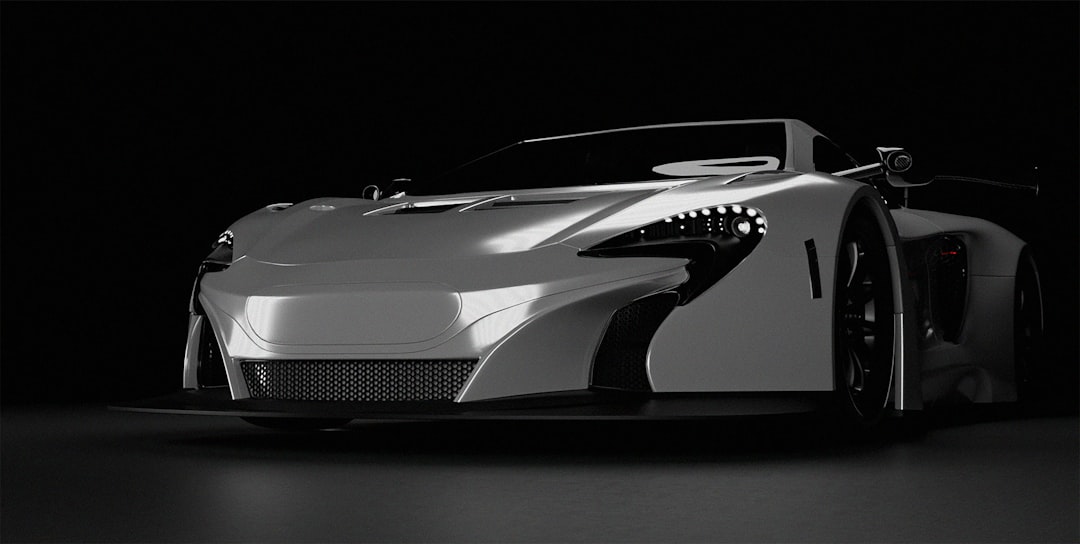
Understanding the Basics: Drag vs. Downforce
Before we get into specific parts, let’s quickly anchor ourselves in the two core aerodynamic principles at play here:
- Drag (Cd — Coefficient of Drag): The resistance air creates as your car pushes through it. Lower drag = better fuel economy and higher top speed. A stock Honda Civic has a Cd of roughly 0.27–0.30, while a well-optimized track car can get into the low 0.20s.
- Downforce: The aerodynamic force pushing the car down onto the road, increasing tire grip. Critical for cornering performance, especially above 80 mph (130 km/h). This is what makes spoilers and diffusers genuinely useful — but only at speed.
- Lift: The opposite of downforce. Stock cars often produce slight lift at the rear at high speed, which is why even a modest spoiler can improve stability dramatically.
- Underbody airflow: Often overlooked but incredibly impactful. A smoother underbody (flat floor panels, diffusers) can reduce turbulence and generate passive downforce.
Front Lip Splitters: The Most Practical First Mod
If you’re asking me where to start, the front lip splitter is almost always the answer — and the data backs this up. A well-designed front splitter reduces the amount of high-pressure air going under the car, effectively creating a low-pressure zone that pulls the nose downward.
In wind tunnel testing published by the Society of Automotive Engineers (SAE) in late 2025, front splitters on production-based street cars demonstrated a downforce increase of 15–40 lbs at 70 mph, depending on the design and ride height. That’s not huge, but it’s measurable and real.
What to look for:
- Carbon fiber or high-density polyurethane (HDPU) construction — avoid cheap ABS plastic that cracks in cold weather
- Adjustable angle variants for dual-purpose street/track use
- Brands like Seibon, APR Performance, and Voltex consistently receive strong reviews in 2026 for quality fitment
Rear Spoilers and Wings: The Nuance Nobody Talks About
This is where my friend went wrong. A spoiler and a wing are actually different things — and understanding which you need matters a lot.
A spoiler (the subtle lip on the trunk edge) disrupts airflow separation at the rear, reducing lift without dramatically increasing drag. Perfect for daily drivers and front-wheel-drive cars where you just want stability.
A wing (the elevated structure on supports) acts like an inverted airplane wing, actively generating downforce. It’s genuinely useful only if your car has enough rear grip potential to use that downforce — meaning rear-wheel-drive or all-wheel-drive setups performing at track speeds above 60 mph.
Putting a large wing on a FWD car? You’re adding weight, increasing drag, and working against your car’s weight distribution. The rear already has less grip on a FWD platform; pressing it down harder doesn’t help as much as you’d think.
Side Skirts: Aerodynamics or Aesthetics?
Honestly — mostly aesthetics, unless they’re part of a complete aero kit. Side skirts channel air along the rocker panels to reduce underbody turbulence. Their standalone aerodynamic benefit is modest (studies show roughly 3–7% underbody pressure improvement), but they form a crucial bridge between front and rear aero elements in a full kit.
If you’re building a cohesive look and want the full aerodynamic story to make sense, include them. But if budget is tight, prioritize front splitter and rear diffuser first.
Rear Diffusers: The Underrated Hero
The rear diffuser might be the single most aerodynamically effective part you can add to a street car. Located beneath the rear bumper, it gradually expands the underbody airflow, converting high-speed low-pressure air into clean separated airflow — this creates a “venturi effect” that sucks the car down toward the road.
Formula 1 and GT racing teams have known this for decades, and road car manufacturers are finally taking it seriously. The 2026 Porsche 911 GT3 RS uses an active rear diffuser that adjusts angle dynamically based on speed — that’s how impactful this component can be.
For aftermarket options:
- Rocket Bunny / Pandem kits (Japan) — exceptional fitment, high visual drama, genuine aero thought behind the design
- Maxton Design (Europe) — incredibly affordable ABS options that are excellent for mild street use
- TOM’S Racing diffusers (Japan) — particularly well-regarded for Toyota platform fitment
- Sard and Voltex — premium carbon units for track-focused builds

Full Body Kits: When the Whole Package Makes Sense
Full aero kits — where front bumper, side skirts, rear bumper, and spoiler/wing are designed as a unified aerodynamic system — are where real performance gains live. Think of it like tuning: individual parts have diminishing returns, but a holistically designed system creates synergies.
Popular examples making waves in 2026:
- Liberty Walk (Japan/USA): Wide-body kits with genuine aero intent, not just flares. Their 2026 collaboration with Lamborghini for the Urus is generating serious buzz.
- Varis (Japan): CFRP (carbon fiber reinforced polymer) kits specifically designed for time-attack and circuit performance. Used extensively in Super GT development.
- Vorsteiner (Germany/USA): High-end carbon kits for luxury and sports cars — BMW, McLaren, Porsche. Balance between street elegance and measurable aero function.
- Rocketbunny/Pandem by Kei Miura: Remain among the most iconic wide-body kits globally, with aero philosophy built into each design.
A Realistic Budget Framework
Let’s be honest about what different budget levels get you:
- Under $500: Quality polyurethane front lip or rear spoiler. Brands like Duraflex offer decent fitment. Don’t expect carbon or track-proven aero here.
- $500–$2,000: Full side skirt set, quality rear diffuser, or mid-grade wing. Maxton Design and APR Performance live in this range.
- $2,000–$8,000: Complete body kits in HDPU or fiberglass from reputable manufacturers. Painting, fitment, and installation labor add to this.
- $8,000+: Carbon fiber full kits, custom fabrication, or flagship offerings from Varis or Voltex. Track-focused builds where every gram and every degree of angle matters.
Realistic Alternatives If Full Aero Isn’t in the Budget
Here’s where I want to think with you practically. Not everyone can or should drop $5,000 on a full body kit — and that’s completely fine. There are smart, staged approaches:
- Start with a front lip only: Maximum aerodynamic return for minimum cost. A $150–$400 front lip can genuinely improve high-speed stability.
- Underbody panels: Sometimes overlooked, aftermarket flat underbody panels (rock shields, belly pans) improve aero more than many visible parts. Less glamorous, more effective.
- OEM sport packages: Many manufacturers now offer factory aero packages (Honda Modulo, Toyota GR Accessories, Hyundai N Line) that are properly engineered, don’t void warranties, and look cohesive.
- Wrap the stock parts: A carbon vinyl wrap on existing stock splitter or spoiler elements gives the visual effect while you save for real carbon upgrades.
Editor’s Comment : Aerodynamic tuning in 2026 is more accessible than ever, but the key mindset shift is moving from “what looks fast” to “what works fast.” The best aero upgrades are invisible in their logic — they make your car feel planted and composed at speed, not just dramatic in a parking lot. My honest recommendation? Start with a quality front lip and understand your car’s drivetrain layout before committing to wings or full kits. Build the system, not the parts. And if you’re primarily a daily driver who just wants a sharper look? Own that goal without apology — just choose parts with clean fitment and UV-resistant materials so they age well. Either way, the road ahead looks pretty aerodynamic.
📚 관련된 다른 글도 읽어 보세요
- 셀프 자동차 관리 완전 정복 – 2026년 DIY 소모품 교체 방법 총정리
- 2026 SUV New Car Rankings: The Best Models You Should Actually Consider Buying Right Now
- Korean Domestic Cars vs. Imports in 2026: Which One Actually Gives You More Bang for Your Buck?
태그: [‘aerodynamic car tuning’, ‘body kit 2026’, ‘aero parts recommendation’, ‘car exterior modification’, ‘rear diffuser upgrade’, ‘front splitter tuning’, ‘automotive aerodynamics’]
Leave a Reply