Picture this: It’s early 2026, and you’re standing in a showroom surrounded by sleek, whisper-quiet machines that would’ve looked like science fiction just five years ago. A friend of mine recently went car shopping and told me, “I walked in to buy a gas car and walked out with a deposit on an EV — the lineup this year completely changed my mind.” That story stuck with me, because it captures exactly where we are in 2026. The electric vehicle market isn’t just growing — it’s exploding, and the new models hitting roads this year are genuinely compelling in ways that matter to real people, not just tech enthusiasts.
So let’s dig into the full 2026 EV new model lineup together, break down what’s actually worth your attention, and figure out which options realistically fit different lifestyles and budgets.
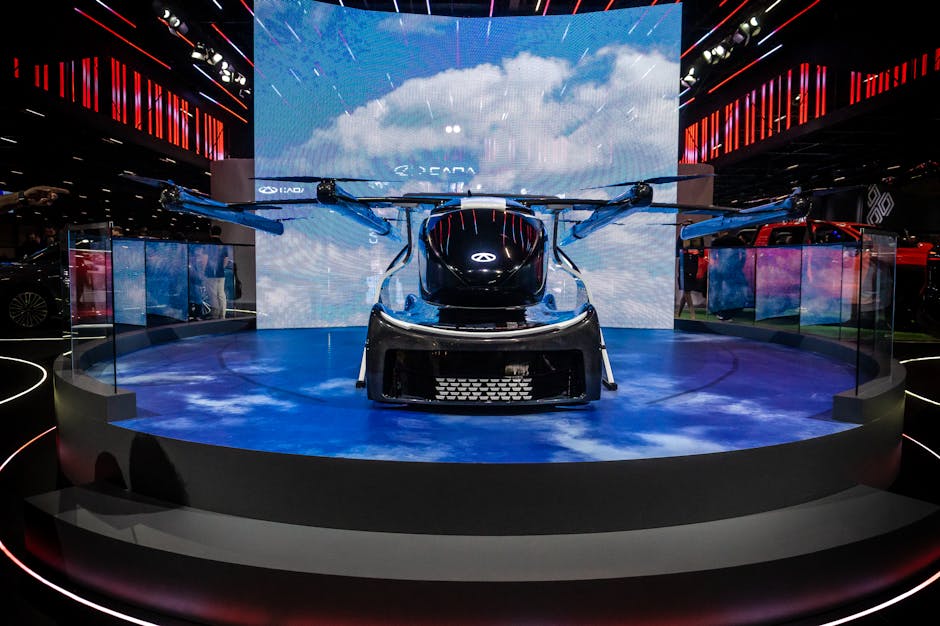
The Big Picture: Why 2026 Is a Pivotal Year for EVs
The global EV market crossed a significant threshold in late 2025, with electric vehicles accounting for over 30% of new car sales in key markets including Europe, China, and South Korea. Going into 2026, manufacturers are responding with an unprecedented wave of new models — over 80 new or significantly refreshed EV nameplates are expected globally this year alone. Battery technology has matured enough that range anxiety is becoming a real relic of the past, with most new entries offering 400–600+ km of real-world range. Charging infrastructure, particularly in urban Korea, Japan, and Western Europe, has also densified dramatically.
Premium Segment: The Flagships Making Waves
In the luxury and premium space, 2026 brings some truly head-turning options:
- BMW iX3 (2026 refresh) — Completely overhauled with a new 82 kWh battery pack, offering up to 560 km WLTP range and dramatically faster 200 kW DC charging. The interior gets a massive software overhaul running BMW OS 10.
- Mercedes-Benz EQS SUV 2026 — Now available with a new rear-wheel-drive entry variant starting at a more accessible price point, while the top-spec AMG version pushes over 700 hp combined output.
- Genesis GV90 (all-new) — Hyundai Motor Group’s crown jewel for 2026. Built on the E-GMP 2.0 platform, it features 800V architecture, a stunning minimalist interior, and a projected 620 km range. This is arguably the most anticipated Korean EV of the year.
- Porsche Macan EV (updated) — Following its 2024 debut, the 2026 model year brings longer range (up to 613 km) and new software features that address early adopter criticisms head-on.
Mass Market Movers: EVs for Everyday Drivers
This is where things get genuinely exciting for most buyers. The 2026 mass-market EV segment has never been more competitive:
- Hyundai IONIQ 5 N (wider availability) — After limited rollouts, the 650 hp performance variant is now broadly available with a refined suspension tune for 2026.
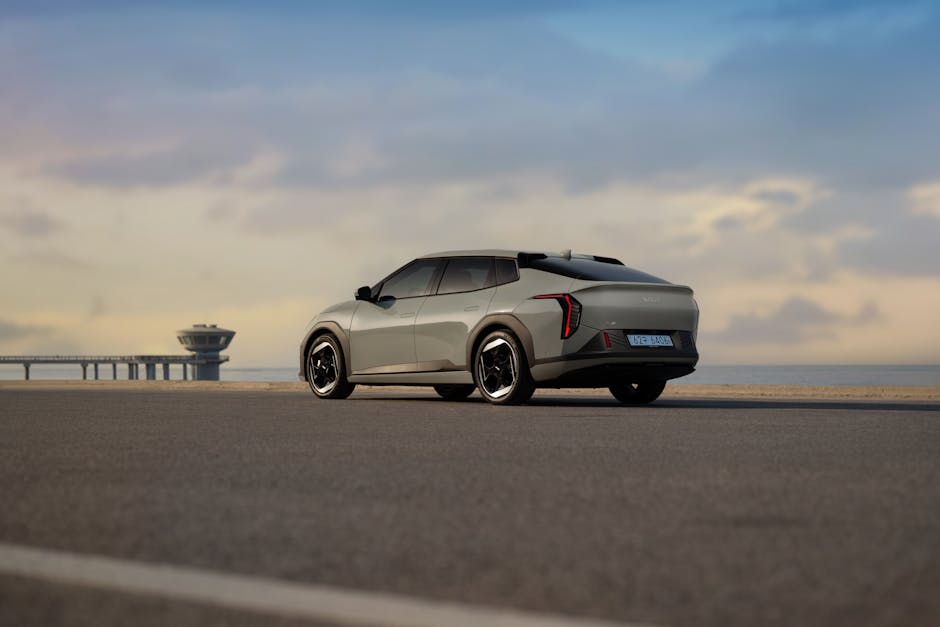
- Kia EV4 — Kia’s most anticipated model of the year. A compact sedan targeting the ₩40 million range in Korea and under $35,000 in the US, with a 500+ km range claim. Think of it as the people’s EV.
- Tesla Model Y Juniper (full production) — The refreshed Juniper version, teased in late 2024 and ramped up through 2025, is now in full global production. Improved range, refreshed interior, and a more competitive price structure.
- Volkswagen ID.2all (production version) — VW’s long-promised entry-level EV finally arrives in European markets in 2026, targeting under €25,000 with a 450 km WLTP range. A genuine game-changer for budget-conscious buyers in Europe.
- BYD Seagull (global expansion) — Already a phenomenon in China, BYD’s ultra-affordable Seagull is now landing in select Southeast Asian and Latin American markets with a sub-$15,000 price point.
Trucks & SUVs: The Segment That Surprised Everyone
Electric trucks and large SUVs were the wildcard segment just two years ago. In 2026, they’re cementing themselves as legitimate options:
- Rivian R2 — After the R1T proved the concept, the smaller, more affordable R2 SUV launches this year at approximately $45,000 USD. Rivian’s vertical integration of its battery supply chain is finally paying off in pricing.
- Ford F-150 Lightning (2026 refresh) — Ford addressed range concerns with a new 131 kWh extended range battery option, pushing real-world range past 480 km for the first time.
- Chevy Silverado EV (WT trim expansion) — More affordable work-truck trims are now widely available, making EV pickups a realistic option for fleet and commercial buyers.
The Global vs. Domestic Lens: What Korean Buyers Should Know
For Korean consumers specifically, the 2026 lineup is exceptionally favorable. Domestic brands — Hyundai, Kia, and Genesis — are delivering world-class products that qualify for generous government EV subsidies (보조금). The Genesis GV90 and Kia EV4 are the two models that industry analysts are most closely watching. Imported models like the VW ID.4 and Tesla Model Y remain popular, but the domestic value proposition has genuinely closed the gap.
Internationally, the Chinese EV brands (BYD, NIO, XPENG) continue to dominate on price-to-spec ratio but face ongoing trade barriers in the US and EU, making their global ambitions a longer game. In the US, the Inflation Reduction Act’s consumer EV tax credits continue to shape which models make financial sense at purchase.
Realistic Alternatives: Not Everyone Needs the Latest Model
Here’s a practical thought worth having together: with so many shiny new 2026 models dropping, it’s tempting to feel like you need the newest thing. But that’s not always the smartest move. Consider these realistic alternatives:
- If budget is tight: A certified pre-owned 2023–2024 IONIQ 6 or Tesla Model 3 gives you excellent technology at a significantly reduced price — often 20–30% below original MSRP.
- If you charge primarily at home: The range race matters less to you. An older 300–400 km range EV is perfectly sufficient for daily driving, meaning 2023–2024 models remain highly practical.
- If you do frequent long-distance driving: Now the new 2026 models with 800V fast-charging architecture make a compelling case. The charging speed difference (20–80% in under 18 minutes for many 2026 models) is a genuine quality-of-life upgrade.
- If you’re still on the fence about EVs entirely: The 2026 plug-in hybrid (PHEV) lineups from Toyota (RAV4 Prime refresh) and Hyundai (Tucson PHEV) offer a rational middle path with no range anxiety and real electric-only commuting capability.
Editor’s Comment : What strikes me most about the 2026 EV lineup isn’t any single model — it’s the cumulative effect. We’ve quietly crossed the point where choosing an EV is no longer a compromise or a statement. It’s just… a car decision. A good one, in many cases. The Kia EV4 at a sub-₩40M price with 500+ km range, the Genesis GV90 redefining Korean luxury, the VW ID.2all making EVs accessible to European families on tight budgets — these aren’t niche products. They’re mainstream. If you’ve been waiting for the “right time” to consider an EV, 2026 is looking very much like that moment.
태그: [‘2026 electric vehicle lineup’, ‘new EV models 2026’, ‘Kia EV4’, ‘Genesis GV90’, ‘best electric cars 2026’, ‘EV buying guide’, ‘electric vehicle comparison 2026’]
Leave a Reply