A friend of mine — a self-described car obsessive who religiously attends every auto show from Seoul to Frankfurt — called me up last month in a state of barely contained excitement. “You have to see what’s landing in Korea this year,” he said. “The 2026 import lineup is unlike anything we’ve had in the past decade.” That phone call sent me down a three-week rabbit hole of spec sheets, dealer previews, and track-day impressions. What I found genuinely surprised me — even as someone who’s been covering imported vehicles for over a decade. So let’s dig into the 2026 imported car new model landscape together, because there’s a lot to unpack.
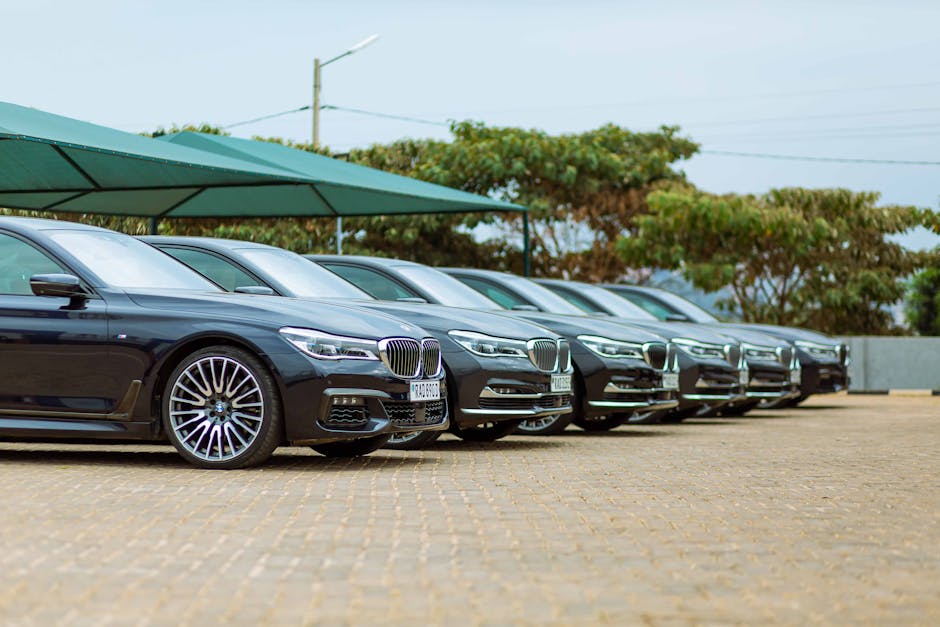
Why 2026 Is a Pivotal Year for Imported Vehicles
The Korean imported car market has been on a steady growth trajectory, and 2026 is shaping up to be a landmark year. According to data from the Korea Automobile Importers & Distributors Association (KAIDA), imported vehicle registrations in the first quarter of 2026 are already up approximately 11.3% year-over-year, driven largely by pent-up demand for electrified models and next-generation combustion platforms. German brands still dominate with roughly 42% of market share, but the gap is narrowing as Japanese luxury marques and American performance brands push aggressive new offerings.
What’s also notable is the pricing dynamic: despite global inflation pressures easing somewhat, the average transaction price for a top-tier imported vehicle in Korea now sits around ₩78 million (~$58,000 USD), up from ₩71 million in 2024. That said, manufacturers are compensating with substantially richer standard equipment lists — more on that below.
The Heavy Hitters: Model-by-Model Breakdown
Let me walk you through the models that are genuinely turning heads in 2026, not just because of marketing budgets, but because of what they actually deliver.
1. BMW 5 Series (G60 LCI) — The Benchmark Gets Sharper
The updated G60 5 Series arrived in Korea with a mid-cycle refresh that addresses the one criticism most reviewers leveled at the 2024 launch model: the somewhat cold, digitally detached interior experience. BMW has responded with a recalibrated iDrive 9.5 interface, a warmer ambient lighting palette, and — critically — an improved heads-up display that now projects augmented reality navigation cues on the windshield with 30% greater clarity than the outgoing system. The 530e plug-in hybrid variant is the sweet spot: a 2.0-liter turbocharged four-cylinder paired with a 19.4 kWh battery nets a real-world electric range of approximately 72 km (WLTP), making daily commuting genuinely petrol-free for most Seoul drivers.
- Engine options: 520i (2.0T, 184 hp), 530e PHEV (258 hp combined), 550e PHEV (489 hp combined)
- 0–100 km/h: 3.8 seconds (550e xDrive)
- New for 2026: AR head-up display, revised Curved Display with haptic feedback, updated ProDrive chassis mode
- Korean price range: ₩67,900,000 – ₩112,000,000
- Standout feature: Remote Smart Parking Assist 2.0 — genuinely works in tight Korean underground parking lots
2. Mercedes-Benz E-Class (W215) — Quiet Confidence Redefined
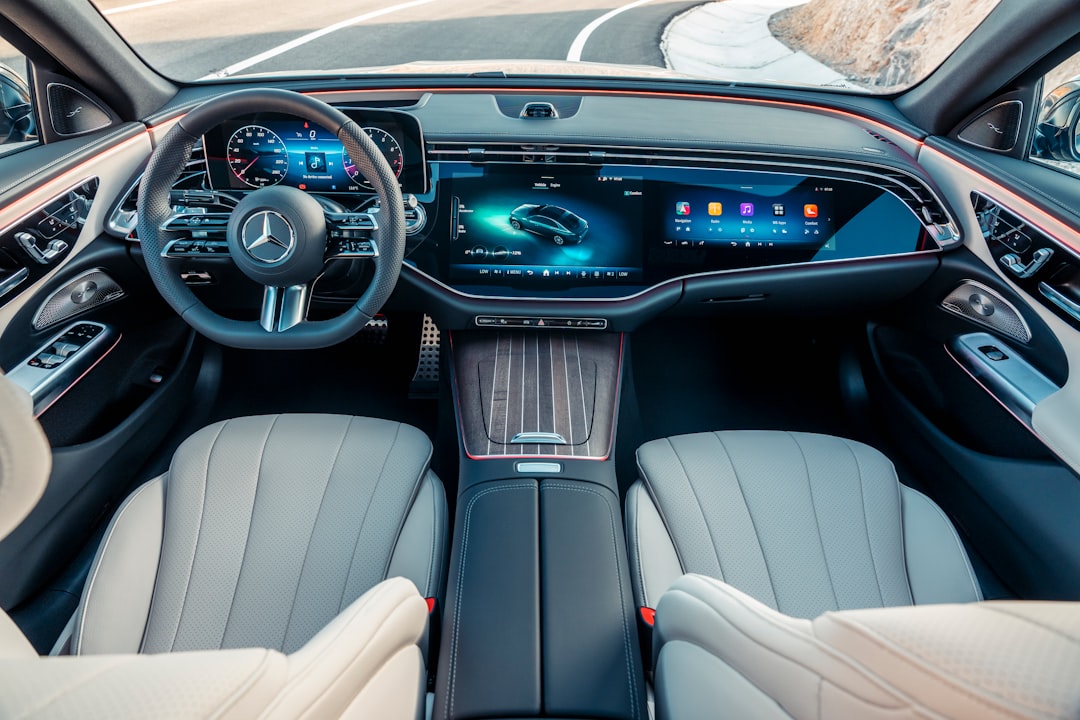
Mercedes calls the new W215 E-Class “the world’s most intelligent business sedan,” and honestly, it’s hard to argue. The highlight is the MBUX Superscreen, a 14.4-inch central display flanked by a passenger-side screen — but what separates 2026’s version from its predecessor is the integration of generative AI-powered voice assistance that can hold contextual conversations across multiple topics without resetting. In practical terms? You can ask it to find a restaurant near your meeting destination, play something “calming but not boring,” and adjust the seat lumbar — all in one natural sentence. It actually works.
The E220d diesel, long beloved in Korea for its highway fuel economy, now returns a claimed 19.2 km/L under the Korean fuel economy standard, making it one of the most efficient executive sedans available today.
- Engine options: E200 (2.0T, 204 hp), E220d (2.0D, 197 hp), E450 4MATIC (3.0T mild-hybrid, 381 hp)
- Key tech: MBUX with generative AI assistant, 3D digital instrument cluster, Level 2+ Highway Driving Assist
- Suspension: E-Active Body Control (on AMG Line variants) — essentially reads road surfaces ahead via stereo cameras
- Korean price range: ₩74,600,000 – ₩119,500,000
3. Lexus LBX — The Compact Luxury Disruptor
This one flew under the radar for a lot of Korean buyers, but the LBX is quietly becoming a phenomenon. Sitting below the UX in Lexus’s lineup, the LBX brings genuinely premium materials — real stitched leather, soft-touch everywhere your hands land — to a vehicle starting under ₩47,000,000. The hybrid-only powertrain (a 1.5L three-cylinder with two electric motors producing 136 hp combined) doesn’t sound exciting on paper, but in urban driving, the seamless EV-to-engine transition and almost eerily quiet cabin make it feel far more special than the numbers suggest. WLTP combined fuel economy sits at 26.3 km/L.
4. Audi Q6 e-tron — Where the EV Game Gets Serious
Audi’s Q6 e-tron represents the first vehicle built on the PPE (Premium Platform Electric) architecture shared with Porsche, and the result is a substantial step up from the aging e-tron platform. Real-world range on the quattro AWD version has been confirmed at approximately 480–510 km in Korean highway conditions (based on early owner reports via Audi Korea’s community forum), which finally starts to feel like meaningful progress over competitors. The 800V charging architecture means a 10–80% charge in around 21 minutes on a compatible 270 kW charger — and while Korea’s ultra-fast charging network is still patchy outside major cities, the numbers matter as infrastructure improves.
- Battery: 100 kWh usable (gross 106 kWh)
- Power: 387 hp (SQ6 variant: 516 hp)
- Charging: 800V architecture, 270 kW DC fast charge compatible
- Interior highlight: MMI Panoramic display spanning 756mm — genuinely panoramic
- Korean price range: ₩89,700,000 – ₩129,000,000
What the Numbers Tell Us: Market Positioning Analysis
Looking at the 2026 import landscape holistically, a few clear trends emerge:
- Electrification is no longer optional: Every major brand now offers at least one EV or PHEV in their Korean core lineup. Pure ICE-only models account for fewer than 28% of new import registrations in Q1 2026.
- The ₩70–90 million segment is the battleground: This tier sees the most fierce competition, with German, Japanese, and increasingly British brands all fighting for dominance.
- Software differentiation matters: Buyers in the 30–45 demographic are actively choosing models based on OTA update capability and AI assistant quality — a shift that would have seemed implausible five years ago.
- After-sales service is a dealbreaker: Korean Consumer Agency survey data from early 2026 shows that 61% of import car buyers rank dealer service network quality as a top-three purchase factor, above brand prestige.
Domestic vs. International Impressions: Do Reviews Match Reality?
It’s worth cross-referencing what international outlets like Car and Driver, Autocar UK, and Auto Bild say versus the experience of Korean drivers. A consistent gap appears around ride quality: European reviews of the BMW G60 and Mercedes W215 praise their firm, dynamic feel on autobahn-style roads, while Korean reviewer consensus (aggregated from platforms like Bobaedream and Clien Auto) notes that the same suspension tuning can feel somewhat harsh on deteriorated urban road surfaces, particularly in older Seoul districts. This is genuinely useful to know before you visit a showroom — ask specifically about suspension mode options and whether adaptive dampers are standard or optional on your target trim.
Japanese publications covering the Lexus LBX and Honda e:Ny1 (another 2026 arrival in Korea) highlight refinement above all, which aligns closely with Korean owner feedback — these are the models that get five-star marks in “daily livability” even when they don’t top performance charts.
Practical Buying Advice for 2026 Import Models
If you’re actively considering a purchase, here’s what I’d factor in before signing anything:
- Timing matters: Q2 2026 tends to see stronger dealer incentives as initial launch excitement cools. Waiting until May–June could net you additional options or service packages worth ₩2–4 million.
- Certified Pre-Owned (CPO) of 2024 models: With so many compelling new launches, 2024 model CPO inventory is growing, often offering 85–90% of the experience at 70% of the price.
- Check OTA update policy: Some brands (notably BMW and Mercedes) have moved certain software features to subscription models. Confirm what’s included in the base purchase before assuming everything is standard.
- EV charging infrastructure near you: Before committing to a full EV like the Q6 e-tron, actually map ultra-fast charger locations relative to your home and frequent routes. The national average coverage is improving, but gaps remain.
- Test drive in your actual driving context: If you spend 70% of your time in urban stop-and-go traffic, a highway-optimized sport suspension might genuinely annoy you day-to-day.
Conclusion: The 2026 Import Market Is Genuinely Exciting — With Caveats
The 2026 imported car class brings a depth of technology, refinement, and electrified options that feels like a genuine generational step forward, not just an incremental shuffle. The BMW 5 Series LCI and Mercedes E-Class W215 remain class benchmarks for good reason, but the Lexus LBX is making a compelling case for buyers who want boutique quality at a more accessible price point, while the Audi Q6 e-tron is the EV choice to beat in the premium SUV segment this year.
That said, no model is without trade-offs. Software subscription fees, charging infrastructure limitations, and the occasionally jarring mismatch between European suspension tuning and Korean road realities are all real considerations. The smart approach is layering international reviews with domestic owner community feedback — and always, always taking a real-world test drive before you commit.
Editor’s Comment : If I had to pick one model from the 2026 import lineup that I’d genuinely recommend to the widest range of buyers right now, it’s the Mercedes E220d — the combination of real-world fuel efficiency, mature AI integration, and the sheer daily-use refinement of the W215 platform makes it feel like the safest “you won’t regret this” choice in a crowded field. But honestly? The Lexus LBX is the dark horse I’d tell a first-time import buyer to seriously consider. Sometimes the quiet, thoughtful choice turns out to be the most satisfying one you’ve ever made.
📚 관련된 다른 글도 읽어 보세요
- Car Tuning for Beginners: The Ultimate 2026 Starter Guide to Modifying Your Ride the Right Way
- 6개월 직접 달려보고 내린 결론: 2026년 타이어 브랜드 성능 비교 TOP 5 (금호 vs 한국 vs 미쉐린 vs 콘티 vs 브리지스톤)
- 2026 Electric Vehicle New Models: A Deep-Dive Performance Comparison You Actually Need
태그: 2026 imported cars review, 2026 BMW 5 Series Korea, 2026 Mercedes E-Class W215, Audi Q6 e-tron 2026, Lexus LBX 2026, Korea import car market, best luxury cars 2026
Leave a Reply