A buddy of mine — let’s call him Jake — rolled into the shop last winter with a grin wider than his turbocharged hatchback’s front bumper. He’d just dropped about $400 on a piggyback ECU tune and was convinced his car had transformed into a completely different beast. Three months later, he called me frustrated: his fuel economy had tanked, his check engine light wouldn’t stop flashing, and his warranty claim had just been denied. That conversation is basically what kicked off my deep dive into ECU tuning — the real story behind the hype.
If you’ve been googling “자동차 ECU 튜닝 효과와 부작용 실제 후기” (real reviews of ECU tuning effects and side effects), you’re probably in one of two camps: either excited about the potential gains, or spooked by warnings you’ve heard. Let’s break this down like engineers, not influencers.
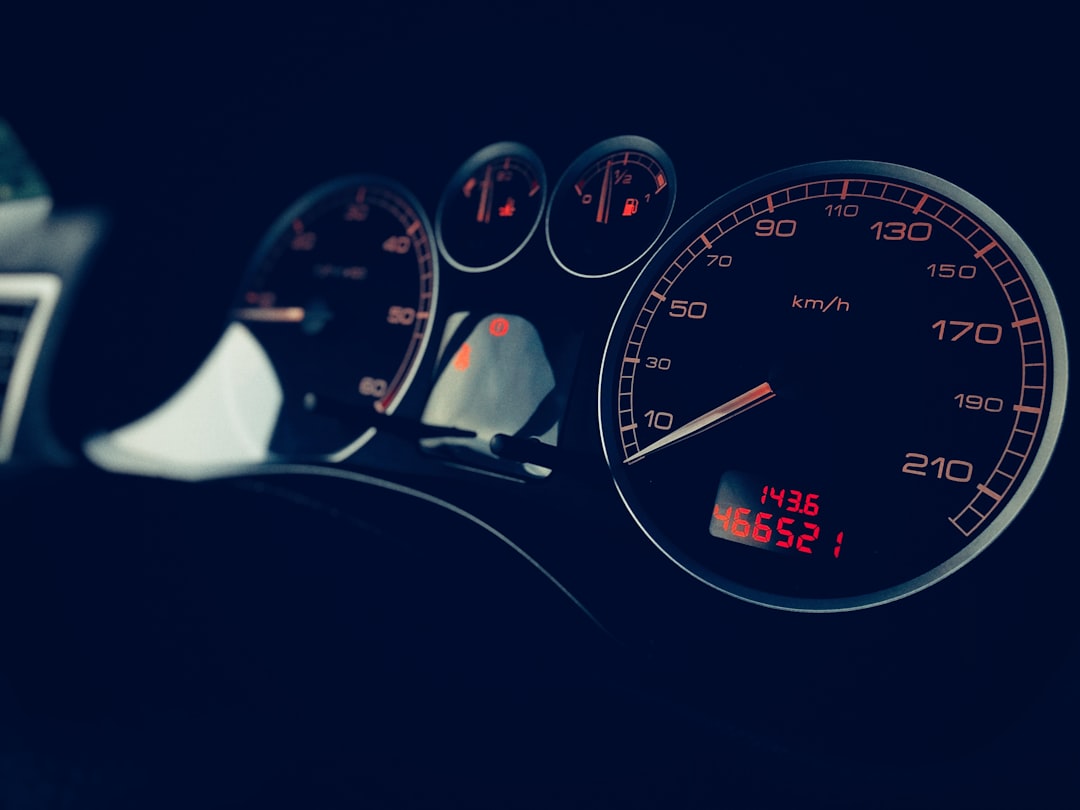
What Exactly Is ECU Tuning? A Quick Technical Primer
Your car’s Engine Control Unit (ECU) is essentially the brain of your vehicle. It’s a dedicated microcontroller that manages fuel injection timing, ignition advance, boost pressure (on turbocharged engines), rev limiters, throttle response maps, and dozens of other parameters. From the factory, manufacturers deliberately detune these parameters — they’re balancing reliability across extreme climate conditions, varying fuel quality across global markets (RON 91 in some regions, RON 98 in others), emission regulations, and the need to differentiate trim levels within the same platform.
ECU tuning — sometimes called “remapping” or “flashing” — means overwriting those factory maps with revised values. There are three main approaches:
- OBD-II Port Flashing: The most common method. A tuner connects directly through your car’s diagnostic port and rewrites the ECU firmware. Clean, reversible, and widely supported.
- Piggyback Modules: A secondary unit that intercepts and modifies signals between sensors and the ECU without actually rewriting the ECU itself. Examples include popular brands like Burger Motorsports JB4 (BMW) and KTuner (Honda). Lower cost but less precise.
- Standalone ECU Replacement: Used in heavy motorsport builds. The factory ECU is physically removed and replaced with units from brands like Haltech, MoTeC, or Link. Complete control, but expensive and complex.
The Real Performance Numbers: What Can You Actually Expect?
This is where things get interesting — and where most YouTube videos either oversell or undersell the results. Here’s a data-grounded breakdown based on dyno pull averages compiled from tuning communities and shop data through early 2026:
- Naturally Aspirated Engines (N/A): Modest gains of 5–12% torque and power on average. Optimizing ignition timing and fuel trims is the primary lever. Don’t expect miracles without supporting hardware mods.
- Turbocharged Petrol Engines: Here’s where tuning shines. Stock-hardware tunes can yield 15–30% power gains by raising boost pressure and optimizing fueling. A VW Golf GTI (EA888 engine) running stock hardware, for instance, often goes from factory-rated 245hp to 290–310hp on a quality e-stage tune.
- Diesel Engines (TDI/HDi/CRDi): Diesel remaps are arguably the best value proposition. Gains of 20–40% torque are common, and critically, fuel economy often improves by 8–15% because the engine doesn’t have to work as hard to move the vehicle. This is a massive reason diesel tuning remains hugely popular in Korea and Europe.
- Hybrid/EV Systems: ECU tuning on hybrids is still emerging. Some Toyota GR Hybrid and Hyundai IONIQ 6 enthusiasts in Korea have reported throttle map adjustments, but battery management interference makes this territory genuinely risky as of 2026.
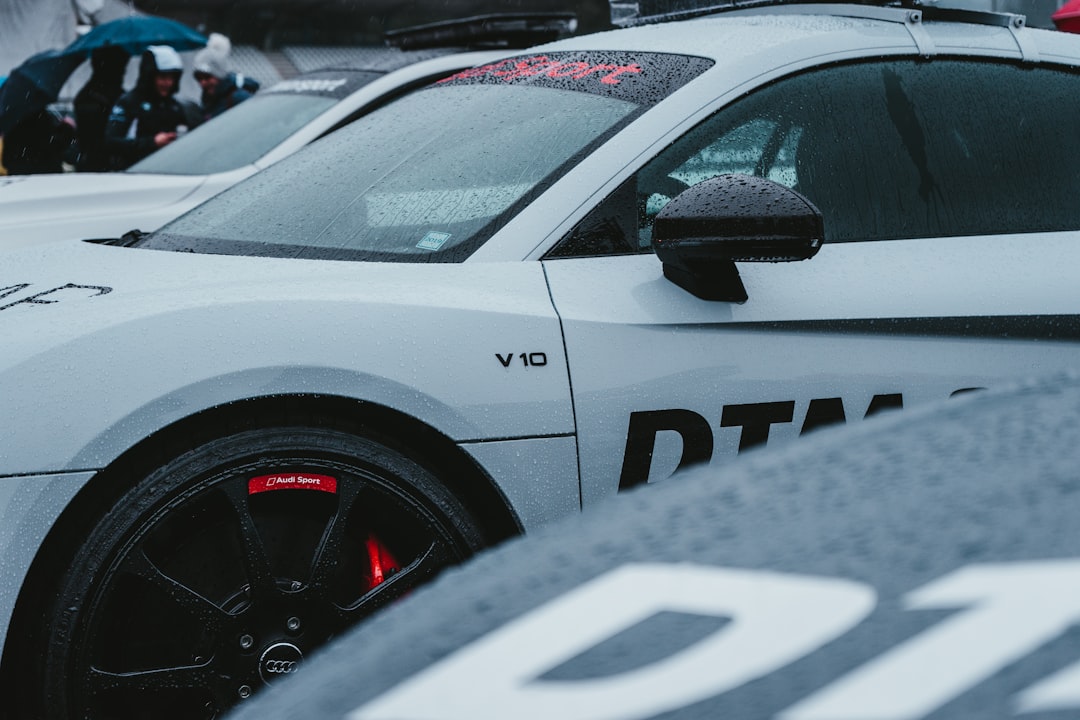
The Side Effects Nobody Talks About Enough
Here’s where I want to spend real time, because the online conversation is dominated by the gains and not the gotchas. Based on real owner reviews compiled from Korean tuning forums (클리앙 자동차 게시판, 보배드림), international sources like VWvortex, NASIOC, and my own conversations with workshop technicians:
- Knock (Pre-Detonation) Under Cheap Fuel: If your tune is calibrated for high-octane fuel and you fill up with lower-grade petrol, you risk engine knock. Modern ECUs have knock sensors and will pull timing — but repeated events cause long-term bore and piston wear. This is the #1 silent killer in tuned daily drivers.
- Warranty Voidance: In Korea (and most global markets), modifying ECU calibration is grounds for voiding powertrain warranty. Hyundai, Kia, and Genesis dealers use software fingerprinting tools that can detect previous flash events even if the map is returned to stock. This is increasingly sophisticated in 2026 vehicles.
- Transmission Stress: A 30% torque increase through a DCT or automatic gearbox that was never designed for those loads shortens clutch pack and solenoid life. Jake’s situation exactly — he tuned the engine but not the transmission’s torque limits.
- Emissions Failure: Many ECU tunes disable or alter DPF (Diesel Particulate Filter) regeneration cycles or EGR (Exhaust Gas Recirculation) logic. In Korea’s tightening 2026 emissions inspection framework, this is becoming a real legal and financial risk.
- Poor-Quality Tune Files: The market is flooded with generic “off-the-shelf” (OTS) tune files sold cheaply online. Without custom dyno calibration to your specific car, altitude, temperature, and fuel, these files are at best a rough compromise and at worst genuinely destructive.
- Thermal Management Issues: More power = more heat. If your coolant system, intercooler, and oil cooling aren’t upgraded alongside a significant power increase, sustained track or spirited driving can push temperatures into dangerous territory.
What Actual Korean ECU Tuning Owners Are Saying in 2026
I pulled through threads on 보배드림 and 클리앙 from the past six months to give you a representative sample of what real owners are experiencing — not cherry-picked testimonials:
A 2023 Kia Stinger 3.3T owner who got an OBD flash from a reputable Seongnam-based shop reported a genuine improvement from 370hp to approximately 430hp at the wheel, improved throttle response, and a “completely transformed” mid-range pull. He noted fuel economy dropped slightly (about 1–1.5km/L on highway) but considered it acceptable. Two years in, no mechanical issues — but he’s meticulous about using GS Caltex 100 RON premium fuel every time.
Contrast that with a Hyundai Tucson 2.0 CRDi diesel owner who bought a piggyback module from an online marketplace for 180,000 KRW. Within four months: DPF warning light, rough idle, and eventually a cracked injector tip attributed to over-fueling. Repair bill: over 1.2 million KRW. He’s firmly in the “never again” camp.
The pattern is consistent with international case studies. A 2025 survey by Tuning Association UK found that 67% of ECU tune issues traced back to either poor-quality tune files, lack of supporting hardware, or inappropriate fuel use — not inherent problems with tuning itself when done correctly.
How to Tune Smartly: A Realistic Decision Framework
If you’re still interested — and honestly, done right, ECU tuning is genuinely exciting — here’s how to approach it without Jake’s regrets:
- Choose a reputable tuner with a dyno: In Korea, shops like 슈퍼커스텀, 튜닝Q, and several Busan-based VW/Audi specialists are consistently recommended on enthusiast forums. Globally, look for COBB Accessport-certified tuners or Ecumaster-approved workshops.
- Upgrade supporting hardware first: At minimum, consider upgraded spark plugs, an air intake, and — for turbo cars — intercooler piping before a significant power bump. For diesel, ensure your DPF is clean and healthy.
- Get a custom dyno tune, not an OTS file: Yes, it costs 3–5x more. It’s worth every won/dollar.
- Inform your insurance provider: In 2026, some Korean insurers (삼성화재, DB손해보험) have specific modification disclosure clauses. Non-disclosure can affect claims.
- Keep a stock ECU file backup: Any reputable tuner will back up your original calibration before flashing. Verify this happened.
Realistic Alternatives If ECU Tuning Feels Too Risky
Not every power or efficiency gain has to come from an ECU flash. Consider these lower-risk upgrades that don’t touch the ECU map:
- Cold Air Intake Systems: 3–7 hp gains on most platforms, improved throttle feel, and completely warranty-safe if using an OEM-compatible unit.
- Performance Exhaust (Cat-Back): Primarily a sound and marginal flow improvement, but zero ECU impact and fully reversible.
- High-Quality Engine Oil & Filtration Upgrades: Reduced friction = genuine (if modest) efficiency gains. This is underrated.
- Throttle Response Controllers: Devices like the Pedal Commander don’t change power output — they just modify how quickly the throttle responds. Feels faster without touching core maps. Great for drivers who find their car feels sluggish.
These aren’t consolation prizes — they’re genuinely smart first steps, especially on newer vehicles still under warranty.
Editor’s Comment : ECU tuning isn’t black magic or automotive malpractice — it’s an engineering tool that, like any tool, produces excellent results in skilled hands and disaster in careless ones. The real-world reviews paint a clear picture: the quality of the tuner and the discipline of the owner matter infinitely more than the brand of the tune or the price paid. If you’re going to do it, do it properly — reputable shop, custom dyno calibration, supporting hardware, and commitment to quality fuel. If any of those conditions aren’t met, the alternatives we discussed will serve you much better. Your engine will thank you.
📚 관련된 다른 글도 읽어 보세요
- 6개월 직접 달려보고 내린 결론: 2026년 타이어 브랜드 성능 비교 TOP 5 (금호 vs 한국 vs 미쉐린 vs 콘티 vs 브리지스톤)
- Brake Pad Life & Replacement Timing: The Complete 2026 DIY Diagnosis Guide You Actually Need
- 정비소 15년 차가 직접 비교한 엔진오일 브랜드 TOP 5: 가성비부터 고급까지 2026 총정리
태그: ECU tuning, car performance tuning, ECU remapping side effects, engine tuning 2026, diesel remap review, auto tuning Korea, ECU flash real world review
Leave a Reply