A friend of mine — sharp guy, very disciplined — told me last spring that he’d tried the ketogenic diet twice and both times crashed hard around week three. Headaches, brain fog, and an almost violent craving for toast. He’d done everything ‘by the book,’ he said. Tracked his macros religiously. Cut the carbs. And yet: misery. So when he asked me what I thought about keto, I figured it was worth digging into why so many people hit that wall — and more importantly, what separates the people who thrive on it from those who bail out before their body even adapts.
This isn’t a post telling you keto is magic or that it’s a scam. It’s more like a forensic breakdown of the real mechanics — and a few things the mainstream guides conveniently gloss over.
What Keto Actually Does to Your Metabolism (The Honest Version)
The ketogenic diet works by drastically reducing carbohydrate intake — typically below 20–50g net carbs per day — and replacing that fuel source with fat. When your liver runs low on glycogen, it starts producing ketone bodies (primarily beta-hydroxybutyrate, acetoacetate, and acetone) from fatty acids. Your brain, which normally runs almost exclusively on glucose, gradually shifts to using these ketones as its primary energy substrate.
That transition period — usually 3 to 7 days, sometimes up to two weeks — is where most people quit. Popularly called the ‘keto flu,’ it’s actually a cluster of real physiological events:
- Electrolyte depletion: Insulin drops sharply, causing the kidneys to excrete significantly more sodium, potassium, and magnesium. This is the primary driver of headaches, muscle cramps, and fatigue.
- Glycogen depletion: Each gram of stored glycogen binds roughly 3–4g of water, so early weight loss (often 2–5 lbs in week one) is mostly water — and that fluid takes electrolytes with it.
- Mitochondrial adaptation lag: Your cells need time to upregulate fat-oxidation enzymes. Until they do, energy production feels sluggish.
- Cortisol spike: Some research (including a 2020 paper in Frontiers in Physiology) suggests a temporary cortisol increase during adaptation, contributing to irritability and sleep disruption.
The fix for most of these? Not giving up — but aggressively supplementing electrolytes. 2,000–3,000mg of sodium, 1,000mg of potassium, and 300–500mg of magnesium daily during the first two weeks can make the difference between white-knuckling it and actually feeling fine.

The Macro Math People Get Wrong
Standard keto advice says roughly 70–75% fat, 20–25% protein, and 5% carbohydrates. What gets lost is that protein isn’t a free pass. Through a process called gluconeogenesis, the liver can convert excess amino acids into glucose — meaning if you’re eating a high-protein ‘keto’ diet, you may be knocking yourself out of ketosis without realizing it.
A practical ceiling: most people do well keeping protein at around 0.7–1.0g per pound of lean body mass per day. If you’re 180 lbs with 20% body fat, that’s roughly 100–115g of protein, not 180g. This is a number a lot of gym-goers blow past because protein-high eating is so normalized in fitness culture.
Another misunderstood variable: net carbs vs. total carbs. In the US and much of Europe, fiber is subtracted from total carbs when counting net carbs (since it doesn’t spike blood glucose). But sugar alcohols like maltitol — common in ‘keto-friendly’ products — do have a partial glycemic impact and shouldn’t be treated as zero. Erythritol and allulose are much safer bets; they have minimal real-world effect on ketone levels.
What the Research Actually Says in 2025
The evidence base for keto has grown substantially. Here’s where it stands:
- Weight loss: Meta-analyses consistently show keto produces greater short-term weight loss than low-fat diets, but the advantage narrows significantly at the 12-month mark (Johnston et al., JAMA Internal Medicine). The adherence gap is the main issue, not the diet’s mechanism.
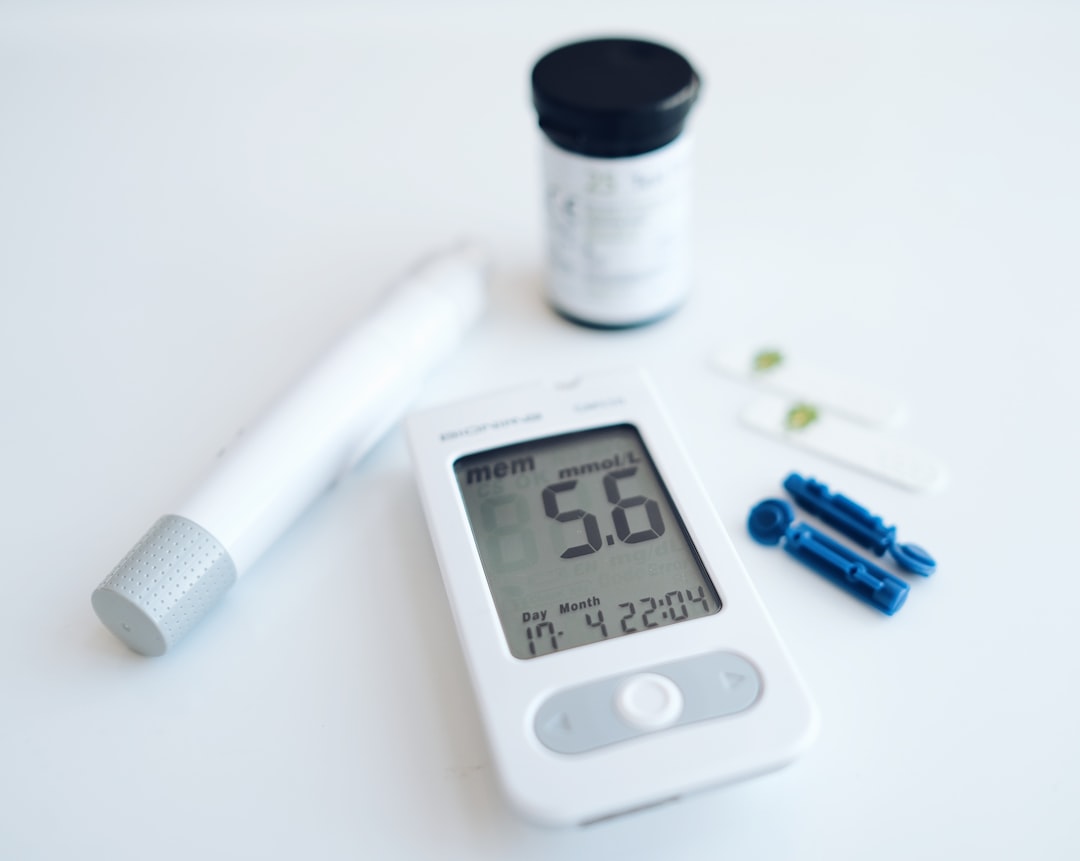
- Type 2 diabetes and insulin resistance: This is arguably keto’s strongest evidence base. A 2019 study in Diabetes Therapy (Hallberg et al.) showed 60% of participants reducing or eliminating diabetes medication within one year on a very-low-carb diet under medical supervision. Virta Health has longitudinal data now extending past 5 years showing sustained HbA1c improvements.
- Epilepsy: The most rigorously proven application, used clinically since the 1920s. Roughly 50% of drug-resistant epilepsy patients see a meaningful reduction in seizure frequency on a ketogenic protocol.
- Athletic performance: Mixed results. Endurance athletes (particularly ultra-runners and cyclists) show the most promise for fat-adapted performance. High-intensity, glycolytic sports (sprinting, CrossFit-style training) generally suffer on strict keto, though some athletes use cyclical keto (5 days strict, 2 days higher-carb) or targeted keto (carbs around workouts) to bridge this.
- Cognitive function: Early research is promising for Alzheimer’s (sometimes called ‘type 3 diabetes’), but the evidence in healthy populations is mostly anecdotal at this stage. Don’t bank on a nootropic effect until more RCTs land.
Real-World Case Studies Worth Knowing
Beyond the clinical data, some practical reference points are genuinely useful:
Virta Health (virta.health) has probably the most comprehensive real-world longitudinal dataset on ketogenic diets for T2D reversal. Their peer-reviewed publications are freely accessible and worth reading if you’re considering keto for metabolic health reasons rather than just weight loss.
Diet Doctor (dietdoctor.com) has become one of the most thorough free resources for practical keto guidance, with recipe databases and evidence breakdowns reviewed by a medical advisory board. Not perfect, but significantly more rigorous than most influencer-driven content.
On the critical side, researcher Kevin Hall (NIH) has published multiple controlled studies suggesting that the metabolic advantage of keto (burning more calories at rest) is smaller than advocates claim — in the range of ~100 extra calories/day, not the 300–400 sometimes cited. This matters for setting realistic expectations.
Who Should Think Twice Before Starting
Keto isn’t universally safe without consideration. Flag these situations:
- Gallbladder issues or absence: High fat intake can trigger symptoms; work with a physician.
- Kidney disease: Higher protein intake (relative to a typical diet) can stress compromised kidneys.
- Thyroid conditions: Very-low-carb eating can suppress T3 conversion in some individuals. Monitor labs if you’re on thyroid medication.
- History of disordered eating: The restrictive nature and macro-tracking intensity can be triggering. A more flexible low-carb approach may be healthier psychologically.
- Pregnancy or breastfeeding: Not the time to experiment with metabolic restriction without close medical oversight.
- Type 1 diabetes: Ketoacidosis risk requires very careful medical supervision — this is not a DIY situation.
A Realistic Alternative If Strict Keto Sounds Brutal
Here’s the thing: the majority of keto’s documented benefits kick in well before you hit deep ketosis (blood ketones of 1.5–3.0 mmol/L). Many of the metabolic improvements — insulin sensitivity, reduced appetite, improved lipid profiles — begin showing up at 50–100g net carbs per day, which is standard low-carb territory rather than strict keto.
If you’ve tried keto and found it socially isolating or cognitively exhausting to maintain, a well-formulated low-carb diet (under 100g net carbs, whole foods-focused, adequate protein) might give you 80% of the benefit with far greater long-term sustainability. That’s not a consolation prize — adherence is the single largest predictor of dietary outcomes, full stop.
The other middle-ground worth mentioning: time-restricted eating (TRE) combined with moderate low-carb. Compressing your eating window to 8–10 hours per day can enhance insulin sensitivity and trigger mild ketosis overnight without the strictness of full-time keto. It’s a gentler on-ramp that some people find much more livable.
💬 Drop a comment if you’ve tried keto and want to troubleshoot where things went sideways — sometimes it’s one specific variable that makes the whole thing click into place.
📚 관련된 다른 글도 읽어 보세요
- 그냥 사면 100% 후회함 — 2026년 기준 재봉틀 구매 전 반드시 읽어야 할 완벽 가이드
- Why I Almost Gave Up on It — Honest 2025 Guide to Keyword Research That Actually Works
- Why I Almost Missed My Flight Trusting Google Maps — Real 2025 Guide to Navigating Incheon Airport Terminal 2
태그: ketogenic diet, keto for beginners, low carb diet, keto mistakes, ketosis explained, keto alternatives, metabolic health
Leave a Reply