Category: Uncategorized

  • Car Consumables Replacement Schedule: The Complete 2026 Guide You Actually Need

    A friend of mine once drove his sedan for nearly 12,000 miles past his oil change window โ€” not out of negligence, but because he genuinely didn’t know when to act. His reasoning? “The car was still running fine.” It wasn’t until a small knocking sound turned into a $2,400 engine repair bill that the lesson hit home. That story isn’t rare. In fact, most car owners underestimate how much preventive maintenance saves in the long run, simply because the consequences of skipping it are delayed and invisible โ€” until they’re not.

    So let’s walk through this together, logically and practically. Whether you drive a brand-new EV-hybrid or a 2018 commuter workhorse, understanding your car’s consumable replacement cycles is one of the most financially intelligent habits you can build in 2026.

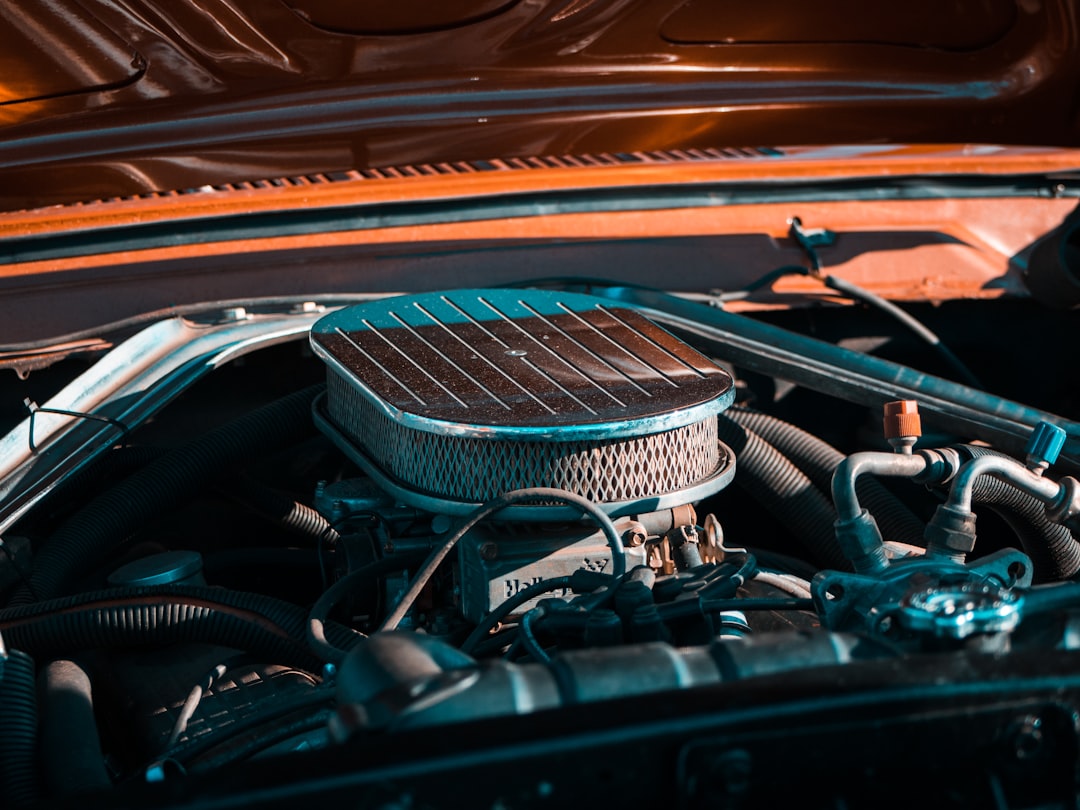
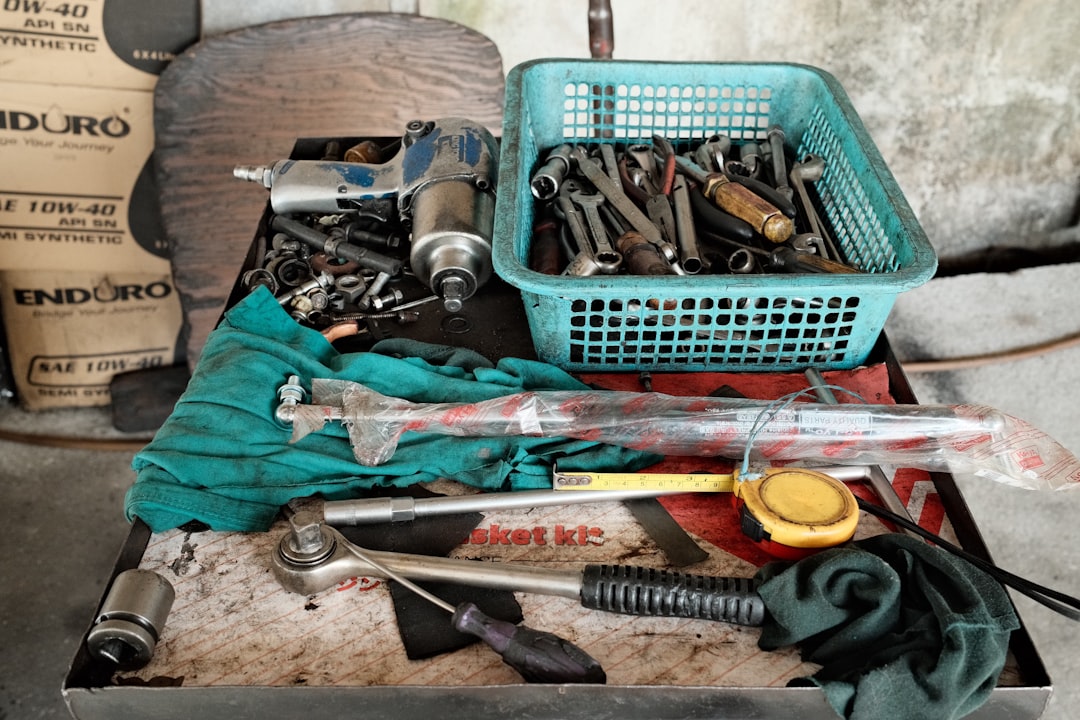
    car maintenance schedule checklist mechanic workshop 2026

    ๐Ÿ”ง What Are Car Consumables, Exactly?

    Consumables (also called wear items or service parts) are components designed to degrade over time through normal use. Unlike structural parts, they’re expected to be replaced regularly. Think of them like the filters in your home HVAC โ€” you don’t replace the entire unit, just the parts that wear out protecting everything else.

    ๐Ÿ›ข๏ธ Engine Oil & Oil Filter

    This is the foundation of engine health. In 2026, most modern engines running full synthetic oil can comfortably go 7,500 to 10,000 miles between changes. Older vehicles or those using conventional oil still benefit from the traditional 5,000-mile interval.

    • Full Synthetic Oil: 7,500โ€“10,000 miles / 6โ€“12 months
    • Synthetic Blend: 5,000โ€“7,500 miles
    • Conventional Oil: 3,000โ€“5,000 miles (mostly older vehicles)
    • Oil Filter: Replace at every oil change โ€” non-negotiable

    Pro tip: If your vehicle has an oil life monitoring system (common in GM, Ford, and Honda vehicles), trust it โ€” but cross-reference with mileage as a safety check.

    ๐Ÿ”‹ Car Battery

    The average car battery lasts 3 to 5 years, but this varies significantly by climate. In hot regions like the American Southwest or Southeast Asia, heat accelerates sulfation inside the battery, reducing lifespan to closer to 3 years. In colder climates like Canada or Northern Europe, cold cranking demands put extra stress during winter starts.

    In South Korea โ€” where dramatic seasonal temperature swings are common โ€” the national standard recommendation from Korean automotive associations in 2026 still sits at 3-year proactive replacement for standard lead-acid batteries, especially in urban vehicles that experience frequent short trips.

    ๐Ÿ›‘ Brake Pads & Rotors

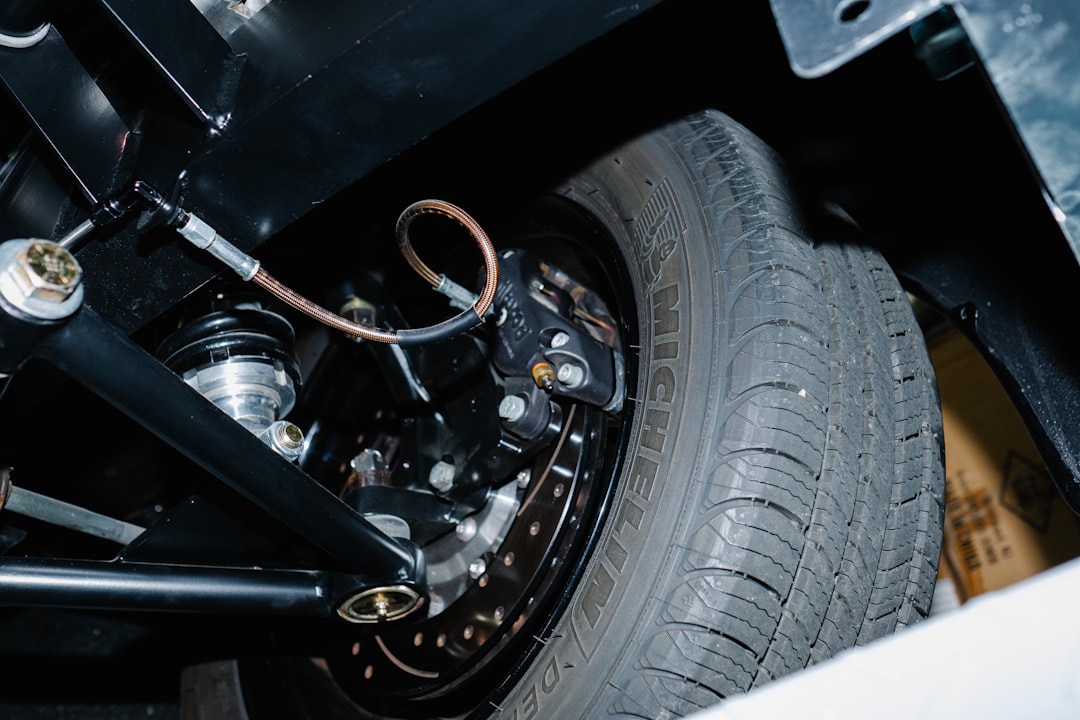
    Brake pads typically last 30,000 to 70,000 miles depending on driving style, vehicle weight, and whether you’re a city driver (more braking) or highway driver (less frequent braking). Rotors generally last 50,000 to 70,000 miles, though they can sometimes be resurfaced once before requiring full replacement.

    • Front brake pads: Wear faster (more braking force applied to front axle)
    • Rear brake pads: Often last 20โ€“30% longer
    • Warning sign: Squealing = wear indicator touching rotor. Grinding = metal on metal. Act immediately.

    ๐ŸŒฌ๏ธ Air Filter (Engine & Cabin)

    These two are often confused but serve entirely different purposes:

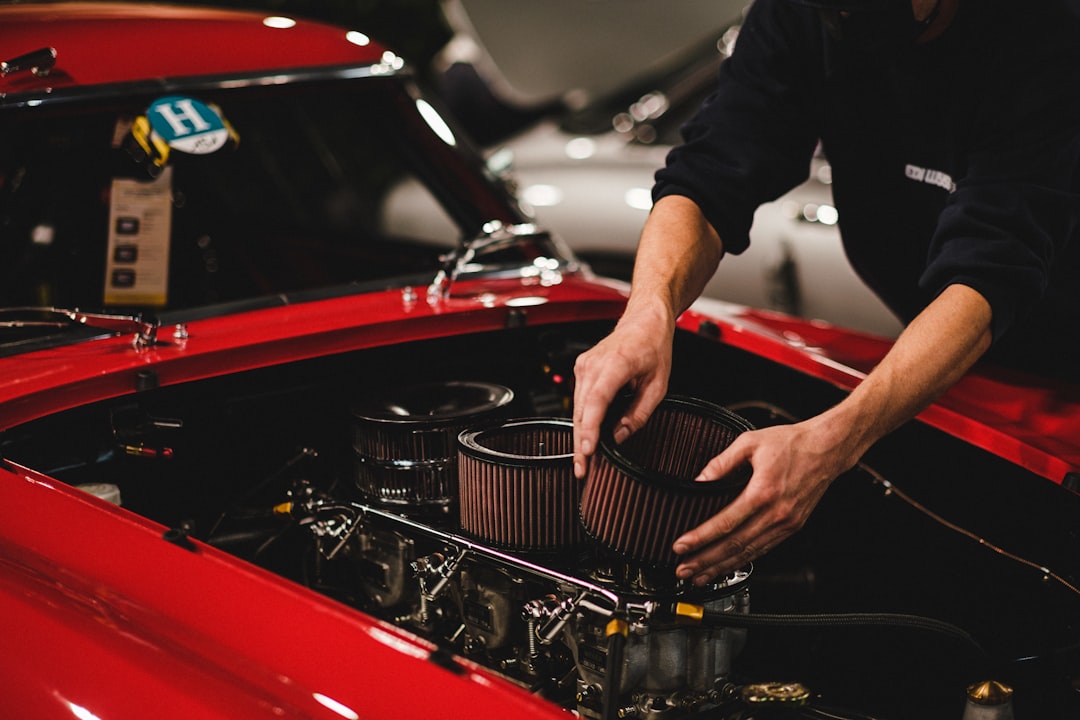
    • Engine Air Filter: Replace every 15,000โ€“30,000 miles. A clogged engine filter reduces fuel efficiency by up to 10% โ€” a real cost in 2026 when fuel prices remain volatile in most markets.
    • Cabin Air Filter: Replace every 12,000โ€“15,000 miles or annually. Especially important if you have allergies or live in a high-pollution urban area. This is frequently overlooked and costs only $15โ€“$40 to DIY.

    ๐Ÿ”ฉ Spark Plugs

    Spark plugs ignite the air-fuel mixture in your engine. Standard copper plugs last around 30,000 miles, while iridium or platinum plugs (standard in most post-2015 vehicles) last 60,000โ€“100,000 miles. Misfires, rough idling, or decreased fuel economy are classic warning signs they need attention.

    ๐Ÿ’ง Coolant (Antifreeze)

    Often forgotten, coolant degrades chemically over time even if the level stays stable. Most manufacturers recommend flushing and replacing coolant every 2 years or 30,000 miles for older green-formula coolants, or 5 years / 100,000 miles for modern extended-life (OAT/HOAT) coolants. Neglected coolant becomes acidic and can corrode your radiator and water pump from the inside.

    ๐Ÿ”„ Transmission Fluid

    This is one of the most debated service intervals in the auto world. For automatic transmissions, many manufacturers say “lifetime fluid” โ€” but independent mechanics (and real-world data) consistently show that replacing fluid every 30,000โ€“60,000 miles significantly extends transmission life. Manual transmissions typically need fluid changes every 30,000โ€“45,000 miles.

    car consumables replacement parts oil filter brake pads spark plugs

    ๐Ÿš— Tires: Rotation, Balancing & Replacement

    • Tire Rotation: Every 5,000โ€“7,500 miles to equalize wear
    • Wheel Balancing: Every 12,000โ€“15,000 miles or when you feel vibration at highway speeds
    • Tire Replacement: When tread depth reaches 2/32″ (use the penny test) or after 6 years regardless of tread โ€” rubber compounds degrade with UV exposure and heat cycling

    ๐ŸŒ Real-World Context: What Are People Actually Doing in 2026?

    According to a 2026 survey by the Automotive Maintenance and Repair Association (AMRA), approximately 42% of American drivers admit to going past at least one recommended service interval in the past year. The most commonly skipped services? Cabin air filter (68%), coolant flush (54%), and transmission fluid (49%).

    In contrast, German drivers โ€” influenced by strict TรœV inspection culture โ€” show much higher compliance rates. Japanese drivers, similarly, benefit from a deeply ingrained “shaken” (vehicle inspection) culture that mandates regular servicing every two years, effectively forcing owners to address consumables proactively.

    The takeaway? Cultural infrastructure around maintenance compliance matters enormously. Without mandatory inspection systems like those in Germany, Japan, or South Korea, North American and Australian drivers need to build their own accountability systems.

    ๐Ÿ’ก Realistic Alternatives for Budget-Conscious Drivers

    Not everyone can afford to follow every interval perfectly โ€” and that’s okay. Here’s how to prioritize smartly:

    • Non-negotiables: Engine oil, brake pads, tires. These directly affect safety and engine survival.
    • High ROI items: Cabin air filter and engine air filter โ€” cheap to buy, easy to DIY, and noticeably improve performance and air quality.
    • Can stretch slightly: Coolant and transmission fluid (within reason) if your vehicle is newer and you’re monitoring for symptoms.
    • Use free diagnostic tools: Many auto parts retailers (AutoZone, O’Reilly, etc.) offer free OBD-II scans. In 2026, most cars can also send health data to manufacturer apps โ€” use them.
    • Set phone reminders: Seriously. Map out your next 3 service milestones in your calendar app right now. This single habit closes the gap between knowing and doing.

    And if full dealership pricing feels out of reach, independent certified mechanics typically charge 20โ€“40% less for the same quality parts and labor. The key word is “certified” โ€” look for ASE-certified shops in the US, or equivalent national certifications in your country.

    Editor’s Comment : Car maintenance isn’t really about being a “car person” โ€” it’s about protecting one of the largest financial investments most households make. The beautiful thing about consumable replacement schedules is that they’re predictable. Unlike surprise repairs, these costs can be budgeted, planned, and in many cases DIY’d with minimal tools. Think of your car’s service schedule less like a chore and more like a subscription that keeps a $25,000+ asset running smoothly for years beyond what neglect would allow. The math, almost always, works in your favor.

    ํƒœ๊ทธ: [‘car maintenance 2026’, ‘car consumables replacement schedule’, ‘oil change interval’, ‘brake pad replacement’, ‘vehicle service guide’, ‘auto maintenance tips’, ‘car care checklist’]


    ๐Ÿ“š ๊ด€๋ จ๋œ ๋‹ค๋ฅธ ๊ธ€๋„ ์ฝ์–ด ๋ณด์„ธ์š”

  • ์ž๋™์ฐจ ์†Œ๋ชจํ’ˆ ๊ต์ฒด ์ฃผ๊ธฐ ์ด์ •๋ฆฌ (2026๋…„ ์ตœ์‹ ํŒ) โ€” ๋†“์น˜๋ฉด ์ˆ˜๋ฆฌ๋น„ ํญํƒ„ ๋งž๋Š” ํ•ญ๋ชฉ๋“ค

    ์–ผ๋งˆ ์ „ ์ง€์ธ์ด ๊ฐ‘์ž‘์Šค๋Ÿฌ์šด ์—”์ง„ ๊ฒฝ๊ณ ๋“ฑ์— ๋‹นํ™ฉํ•ด์„œ ์—ฐ๋ฝ์„ ํ•ด์™”์–ด์š”. ์•Œ๊ณ  ๋ณด๋‹ˆ ์—”์ง„์˜ค์ผ์„ ๋งˆ์ง€๋ง‰์œผ๋กœ ๊ต์ฒดํ•œ ๊ฒŒ 2๋…„ ์ „์ด์—ˆ๋”๋ผ๊ณ ์š”. ๊ฒฐ๊ตญ ํ„ฐ๋ณด ๊ด€๋ จ ๋ถ€ํ’ˆ๊นŒ์ง€ ์†์ƒ์ด ๊ฐ€์„œ ์ˆ˜๋ฆฌ๋น„๊ฐ€ ๊ฝค ๋‚˜์™”์Šต๋‹ˆ๋‹ค. ์‚ฌ์‹ค ์ž๋™์ฐจ ์†Œ๋ชจํ’ˆ์€ ‘๊ณ ์žฅ ๋‚˜๋ฉด ๊ณ ์นœ๋‹ค’๋Š” ์ƒ๊ฐ์œผ๋กœ ์ ‘๊ทผํ•˜๋ฉด ๊ผญ ํฐ ๋น„์šฉ์ด ๋”ฐ๋ผ์˜ค๋Š” ๊ฒƒ ๊ฐ™์•„์š”. ๋ฐ˜๋Œ€๋กœ ๊ต์ฒด ์ฃผ๊ธฐ๋ฅผ ๋ฏธ๋ฆฌ ์•Œ๊ณ  ๊ด€๋ฆฌํ•˜๋ฉด ์ƒ๊ฐ๋ณด๋‹ค ํ›จ์”ฌ ์ ์€ ๋น„์šฉ์œผ๋กœ ์ฐจ๋Ÿ‰์„ ์˜ค๋ž˜, ์•ˆ์ „ํ•˜๊ฒŒ ์œ ์ง€ํ•  ์ˆ˜ ์žˆ๋‹ค๊ณ  ๋ด…๋‹ˆ๋‹ค.

    2026๋…„ ํ˜„์žฌ, ์ „๊ธฐ์ฐจยทํ•˜์ด๋ธŒ๋ฆฌ๋“œ ๋น„์œจ์ด ๋Š˜์–ด๋‚˜๊ณ  ์žˆ์ง€๋งŒ ๊ตญ๋‚ด ๋“ฑ๋ก ์ฐจ๋Ÿ‰์˜ ์ ˆ๋ฐ˜ ์ด์ƒ์€ ์—ฌ์ „ํžˆ ๋‚ด์—ฐ๊ธฐ๊ด€ ์ฐจ๋Ÿ‰์ด์—์š”. ์˜ค๋Š˜์€ ๋‚ด์—ฐ๊ธฐ๊ด€ ๊ธฐ์ค€์œผ๋กœ ๊ผญ ์•Œ์•„์•ผ ํ•  ํ•ต์‹ฌ ์†Œ๋ชจํ’ˆ๋“ค์˜ ๊ต์ฒด ์ฃผ๊ธฐ๋ฅผ ํ•ญ๋ชฉ๋ณ„๋กœ ๊ผผ๊ผผํžˆ ์ •๋ฆฌํ•ด ๋“œ๋ฆด๊ฒŒ์š”.

    car maintenance schedule engine oil filter replacement

    โ‘  ์—”์ง„์˜ค์ผ โ€” ๊ฐ€์žฅ ๊ธฐ๋ณธ์ด์ง€๋งŒ ๊ฐ€์žฅ ๋งŽ์ด ๋†“์น˜๋Š” ํ•ญ๋ชฉ

    ์—”์ง„์˜ค์ผ์€ ์—”์ง„ ๋‚ด๋ถ€์˜ ๊ธˆ์† ๋ถ€ํ’ˆ๋“ค์ด ์„œ๋กœ ๋งˆ์ฐฐ ์—†์ด ์›€์ง์ด๋„๋ก ์œคํ™œํ•ด์ฃผ๋Š” ์—ญํ• ์„ ํ•ด์š”. ์ด๊ฒŒ ์—ดํ™”(์„ฑ๋Šฅ ์ €ํ•˜)๋˜๋ฉด ์—”์ง„ ๋งˆ๋ชจ๊ฐ€ ๊ธ‰๊ฒฉํžˆ ์ง„ํ–‰๋ฉ๋‹ˆ๋‹ค.

    • ์ผ๋ฐ˜ ๊ด‘์œ (Mineral Oil): 5,000km ๋˜๋Š” 3~6๊ฐœ์›”๋งˆ๋‹ค ๊ต์ฒด
    • ๋ฐ˜ํ•ฉ์„ฑ์œ (Semi-Synthetic): 7,500~10,000km ๋˜๋Š” 6๊ฐœ์›”๋งˆ๋‹ค ๊ต์ฒด
    • ์™„์ „ํ•ฉ์„ฑ์œ (Full Synthetic): 10,000~15,000km ๋˜๋Š” 1๋…„๋งˆ๋‹ค ๊ต์ฒด

    ์ฃผํ–‰๊ฑฐ๋ฆฌ์™€ ๊ธฐ๊ฐ„ ์ค‘ ๋จผ์ € ๋„๋‹ฌํ•œ ์กฐ๊ฑด์„ ๊ธฐ์ค€์œผ๋กœ ๊ต์ฒดํ•˜๋Š” ๊ฒŒ ์›์น™์ด์—์š”. ์˜ˆ๋ฅผ ๋“ค์–ด ์™„์ „ํ•ฉ์„ฑ์œ ๋ฅผ ์“ฐ๋”๋ผ๋„ ์ฃผํ–‰์ด ๋ณ„๋กœ ์—†๋Š” ์‹œ๋‚ด ๋‹จ๊ฑฐ๋ฆฌ ์šด์ „์ž๋ผ๋ฉด 6๊ฐœ์›”~1๋…„ ์ฃผ๊ธฐ๋กœ ๊ต์ฒดํ•˜๋Š” ๊ฒŒ ๋” ์•ˆ์ „ํ•˜๋‹ค๊ณ  ๋ด…๋‹ˆ๋‹ค. ์งง์€ ๊ฑฐ๋ฆฌ๋ฅผ ์ž์ฃผ ๋Š์–ด์„œ ๋‹ฌ๋ฆฌ๋Š” ์šด์ „ ํŒจํ„ด์€ ์—”์ง„์˜ค์ผ์ด ์ถฉ๋ถ„ํžˆ ์ˆœํ™˜ํ•˜์ง€ ๋ชปํ•ด ์˜ค์—ผ์ด ๋น ๋ฅด๊ฒŒ ์ง„ํ–‰๋˜๊ฑฐ๋“ ์š”.

    โ‘ก ์—์–ด ํ•„ํ„ฐ & ์—์–ด์ปจ ํ•„ํ„ฐ โ€” ๋‘ ๊ฐ€์ง€๋ฅผ ํ—ท๊ฐˆ๋ฆฌ๋ฉด ์•ˆ ๋ผ์š”

    ๋งŽ์€ ๋ถ„๋“ค์ด ์ด ๋‘ ๊ฐ€์ง€๋ฅผ ํ˜ผ๋™ํ•˜์‹œ๋Š”๋ฐ, ์—ญํ• ์ด ์ „ํ˜€ ๋‹ค๋ฆ…๋‹ˆ๋‹ค.

    • ์—”์ง„ ์—์–ด ํ•„ํ„ฐ: ์—”์ง„์œผ๋กœ ๋“ค์–ด๊ฐ€๋Š” ๊ณต๊ธฐ๋ฅผ ์ •ํ™”. 15,000~30,000km๋งˆ๋‹ค ๊ต์ฒด ๊ถŒ์žฅ. ๋จผ์ง€๊ฐ€ ๋งŽ์€ ํ™˜๊ฒฝ(๊ณต์‚ฌ ํ˜„์žฅ ์ธ๊ทผ ๋“ฑ)์ด๋ผ๋ฉด ๋” ์ž์ฃผ ์ ๊ฒ€ํ•ด์•ผ ํ•ด์š”.
    • ์—์–ด์ปจ(์บ๋นˆ) ํ•„ํ„ฐ: ์‹ค๋‚ด๋กœ ๋“ค์–ด์˜ค๋Š” ๊ณต๊ธฐ๋ฅผ ์ •ํ™”. 10,000~15,000km ๋˜๋Š” 1๋…„๋งˆ๋‹ค ๊ต์ฒด. ํ™ฉ์‚ฌยท๋ฏธ์„ธ๋จผ์ง€๊ฐ€ ์‹ฌํ•œ ๋ด„์ฒ  ์ง์ „์— ํ•œ ๋ฒˆ์”ฉ ์ฒดํฌํ•˜๋Š” ์Šต๊ด€์„ ๋“ค์ด๋ฉด ์ข‹์Šต๋‹ˆ๋‹ค.

    โ‘ข ๋ธŒ๋ ˆ์ดํฌ ํŒจ๋“œ & ๋””์Šคํฌ โ€” ์•ˆ์ „๊ณผ ์ง๊ฒฐ๋˜๋Š” ํ•ญ๋ชฉ

    ๋ธŒ๋ ˆ์ดํฌ ํŒจ๋“œ๋Š” ๋งˆ์ฐฐ์žฌ ๋‘๊ป˜๊ฐ€ 3mm ์ดํ•˜๋กœ ์ค„์–ด๋“ค๋ฉด ๊ต์ฒด ์‹ ํ˜ธ๋ผ๊ณ  ๋ด์•ผ ํ•ด์š”. ์ผ๋ฐ˜์ ์œผ๋กœ๋Š” 30,000~50,000km๋งˆ๋‹ค ์ ๊ฒ€์„ ๊ถŒ์žฅํ•ฉ๋‹ˆ๋‹ค. ๋‹ค๋งŒ ์šด์ „ ์Šคํƒ€์ผ(์žฆ์€ ๊ธ‰์ œ๋™ ์—ฌ๋ถ€), ์ฃผํ–‰ ํ™˜๊ฒฝ(์‚ฐ๊ฐ„ ๋„๋กœ, ์‹œ๋‚ด ์ •์ฒด ๋“ฑ)์— ๋”ฐ๋ผ ๋งˆ๋ชจ ์†๋„๊ฐ€ ํฌ๊ฒŒ ๋‹ฌ๋ผ์งˆ ์ˆ˜ ์žˆ์–ด์š”.

    • ๋ธŒ๋ ˆ์ดํฌ ํŒจ๋“œ: 30,000~50,000km๋งˆ๋‹ค ์ ๊ฒ€, ๋งˆ์ฐฐ์žฌ 3mm ์ดํ•˜ ์‹œ ์ฆ‰์‹œ ๊ต์ฒด
    • ๋ธŒ๋ ˆ์ดํฌ ๋””์Šคํฌ: ํŒจ๋“œ 2~3ํšŒ ๊ต์ฒด ์ฃผ๊ธฐ๋งˆ๋‹ค ์ ๊ฒ€, ๋””์Šคํฌ ๋‘๊ป˜ ๊ทœ๊ฒฉ ์ดํ•˜ ์‹œ ๊ต์ฒด
    • ๋ธŒ๋ ˆ์ดํฌ ์˜ค์ผ(DOT ๊ทœ๊ฒฉ): 2๋…„ ๋˜๋Š” 40,000km๋งˆ๋‹ค ๊ต์ฒด โ€” ํก์Šต์„ฑ์ด ์žˆ์–ด ์‹œ๊ฐ„์ด ์ง€๋‚˜๋ฉด ์ œ๋™๋ ฅ์ด ๋–จ์–ด์ง‘๋‹ˆ๋‹ค

    โ‘ฃ ํƒ€์ด์–ด โ€” ์ˆ˜๋ช…๊ณผ ๋งˆ๋ชจ ๋‘˜ ๋‹ค ๋ด์•ผ ํ•ด์š”

    ํƒ€์ด์–ด๋Š” ํŠธ๋ ˆ๋“œ(ํ™ˆ) ๊นŠ์ด๊ฐ€ 1.6mm ์ดํ•˜๊ฐ€ ๋˜๋ฉด ๋ฒ•์ ์œผ๋กœ๋„ ๊ต์ฒด ๋Œ€์ƒ์ด์—์š”. ์‹ค์ œ๋กœ๋Š” 3mm ์ดํ•˜๊ฐ€ ๋˜๋ฉด ์šฐ์ฒœ ์‹œ ์ œ๋™ ๊ฑฐ๋ฆฌ๊ฐ€ ํฌ๊ฒŒ ๋Š˜์–ด๋‚˜๋‹ˆ ๋ฏธ๋ฆฌ ์ค€๋น„ํ•˜๋Š” ๊ฒŒ ์ข‹์Šต๋‹ˆ๋‹ค. ์ฃผํ–‰๊ฑฐ๋ฆฌ์™€ ๋ฌด๊ด€ํ•˜๊ฒŒ ์ œ์กฐ์ผ๋กœ๋ถ€ํ„ฐ 5~6๋…„์ด ์ง€๋‚œ ํƒ€์ด์–ด๋Š” ์™ธ๊ด€์ƒ ๋ฉ€์ฉกํ•ด ๋ณด์—ฌ๋„ ๊ณ ๋ฌด๊ฐ€ ๊ฒฝํ™”(๋”ฑ๋”ฑํ•ด์ง)๋˜์–ด ์žˆ์„ ๊ฐ€๋Šฅ์„ฑ์ด ๋†’์•„์š”. ํƒ€์ด์–ด ์ธก๋ฉด์˜ DOT ์ฝ”๋“œ์—์„œ ์ œ์กฐ ์ฃผ์ฐจ๋ฅผ ํ™•์ธํ•ด ๋ณด์„ธ์š”.

    โ‘ค ์ ํ™” ํ”Œ๋Ÿฌ๊ทธ โ€” ์กฐ์šฉํ•œ ์—ฐ๋น„ ๋„๋‘‘

    ์ ํ™” ํ”Œ๋Ÿฌ๊ทธ๊ฐ€ ๋…ธํ™”๋˜๋ฉด ์—ฐ๋น„๊ฐ€ ๋‚˜๋น ์ง€๊ณ  ์ถœ๋ ฅ์ด ๋–จ์–ด์ง‘๋‹ˆ๋‹ค. ์ฒด๊ฐ์ด ์„œ์„œํžˆ ์˜ค๊ธฐ ๋•Œ๋ฌธ์— ๋†“์น˜๊ธฐ ์‰ฌ์šด ํ•ญ๋ชฉ์ด์—์š”.

    • ์ผ๋ฐ˜ ํ”Œ๋Ÿฌ๊ทธ(๊ตฌ๋ฆฌ/๋‹ˆ์ผˆ): 20,000~30,000km๋งˆ๋‹ค ๊ต์ฒด
    • ์ด๋ฆฌ๋“/๋ฐฑ๊ธˆ ํ”Œ๋Ÿฌ๊ทธ: 80,000~100,000km๊นŒ์ง€ ์‚ฌ์šฉ ๊ฐ€๋Šฅ

    โ‘ฅ ๋ƒ‰๊ฐ์ˆ˜(๋ถ€๋™์•ก) & ์›Œ์…”์•ก

    ๋ƒ‰๊ฐ์ˆ˜๋Š” ์—”์ง„ ๊ณผ์—ด ๋ฐฉ์ง€์™€ ๋™๊ฒฐ ๋ฐฉ์ง€๋ฅผ ๋™์‹œ์— ๋‹ด๋‹นํ•ด์š”. 2๋…„ ๋˜๋Š” 40,000km๋งˆ๋‹ค ๊ต์ฒด๋ฅผ ๊ถŒ์žฅํ•˜๋ฉฐ, ๋†๋„(๋ถ€๋™์•ก:๋ฌผ ๋น„์œจ)๋„ ํ•จ๊ป˜ ์ ๊ฒ€ํ•ด์•ผ ํ•ฉ๋‹ˆ๋‹ค. ์—ฌ๋ฆ„์ฒ  ๊ณ ์˜จ๊ณผ ๊ฒจ์šธ์ฒ  ๊ฒฐ๋น™ ๋ชจ๋‘ ๋Œ€๋น„ํ•˜๋ ค๋ฉด ํ†ต์ƒ 50:50 ๋น„์œจ์ด ๊ธฐ์ค€์ด๋ผ๊ณ  ๋ด์š”.

    car brake pad tire tread check maintenance checklist

    โ‘ฆ ๋ณ€์†๊ธฐ ์˜ค์ผ(๋ฏธ์…˜ ์˜ค์ผ) โ€” ์ œ์กฐ์‚ฌ๋ณ„ ํŽธ์ฐจ๊ฐ€ ํฐ ํ•ญ๋ชฉ

    ์ž๋™๋ณ€์†๊ธฐ(ATF)์™€ ์ˆ˜๋™๋ณ€์†๊ธฐ ์˜ค์ผ์€ ์ฐจ์ข…๊ณผ ์ œ์กฐ์‚ฌ ๊ถŒ์žฅ ์‚ฌ์–‘์ด ํฌ๊ฒŒ ๋‹ค๋ฆ…๋‹ˆ๋‹ค. ์ผ๋ถ€ ์ œ์กฐ์‚ฌ๋Š” ‘๋ฌด๊ตํ™˜’์„ ํ‘œ๋ฐฉํ•˜๊ธฐ๋„ ํ•˜์ง€๋งŒ, ํ˜„์‹ค์ ์œผ๋กœ 80,000~100,000km๋งˆ๋‹ค ํ•œ ๋ฒˆ ๊ตํ™˜ํ•ด ์ฃผ๋ฉด ๋ณ€์†๊ธฐ ์ˆ˜๋ช…์„ ํฌ๊ฒŒ ๋Š˜๋ฆด ์ˆ˜ ์žˆ๋‹ค๋Š” ๊ฒŒ ์ •๋น„ ์ „๋ฌธ๊ฐ€๋“ค์˜ ๊ณตํ†ต์ ์ธ ์˜๊ฒฌ์ด์—์š”.

    ๊ตญ๋‚ด์™ธ ๊ด€๋ฆฌ ํŠธ๋ Œ๋“œ โ€” 2026๋…„ ํ˜„ํ™ฉ

    ๊ตญ๋‚ด์—์„œ๋Š” ์ตœ๊ทผ ‘๋ชจ๋นŒ๋ฆฌํ‹ฐ ๊ตฌ๋… ์„œ๋น„์Šค’ ํ™•๋Œ€์™€ ํ•จ๊ป˜ ์ •๊ธฐ ์ ๊ฒ€์„ ์•ฑ์œผ๋กœ ์•Œ๋ฆผ ๋ฐ›๋Š” ๋ฐฉ์‹์ด ๋ณดํŽธํ™”๋˜๊ณ  ์žˆ์–ด์š”. ํ˜„๋Œ€ยท๊ธฐ์•„ ๋“ฑ ์ฃผ์š” ์ œ์กฐ์‚ฌ ์•ฑ์—์„œ๋„ ์ฃผํ–‰๊ฑฐ๋ฆฌ ๊ธฐ๋ฐ˜ ์†Œ๋ชจํ’ˆ ๊ต์ฒด ์•Œ๋ฆผ ๊ธฐ๋Šฅ์„ ์ œ๊ณตํ•˜๊ณ  ์žˆ์Šต๋‹ˆ๋‹ค. ๋ฏธ๊ตญ์˜ ๊ฒฝ์šฐ AAA(๋ฏธ๊ตญ์ž๋™์ฐจํ˜‘ํšŒ) ํ†ต๊ณ„์— ๋”ฐ๋ฅด๋ฉด ์˜ˆ๋ฐฉ ์ •๋น„(Preventive Maintenance)๋ฅผ ๊พธ์ค€ํžˆ ํ•œ ์ฐจ๋Ÿ‰์€ ๊ทธ๋ ‡์ง€ ์•Š์€ ์ฐจ๋Ÿ‰๋ณด๋‹ค ํ‰๊ท  ์ˆ˜๋ฆฌ๋น„๊ฐ€ ์—ฐ๊ฐ„ ์•ฝ 30~40% ๋‚ฎ์€ ๊ฒƒ์œผ๋กœ ๋‚˜ํƒ€๋‚ฌ์–ด์š”. ๋…์ผ์—์„œ๋Š” TรœV(์ฐจ๋Ÿ‰๊ธฐ์ˆ ๊ฒ€์‚ฌํ˜‘ํšŒ) ์ •๊ธฐ ๊ฒ€์‚ฌ ํ†ต๊ณผ์œจ์ด ์˜ˆ๋ฐฉ ์ •๋น„ ์ดํ–‰ ์—ฌ๋ถ€์™€ ๊ฐ•ํ•œ ์ƒ๊ด€๊ด€๊ณ„๋ฅผ ๋ณด์ธ๋‹ค๋Š” ๋ณด๊ณ ์„œ๋„ ์žˆ์Šต๋‹ˆ๋‹ค. ๊ฒฐ๊ตญ ์–ด๋А ๋‚˜๋ผ๋“  ‘์ฃผ๊ธฐ์  ๊ด€๋ฆฌ’๊ฐ€ ์žฅ๊ธฐ ๋น„์šฉ์„ ์ค„์ด๋Š” ๊ฐ€์žฅ ํ™•์‹คํ•œ ๋ฐฉ๋ฒ•์ด๋ผ๋Š” ๊ฒฐ๋ก ์œผ๋กœ ๊ท€๊ฒฐ๋˜๋Š” ๊ฒƒ ๊ฐ™์•„์š”.

    ํ˜„์‹ค์ ์ธ ๊ด€๋ฆฌ ํŒ โ€” ์ด๋ ‡๊ฒŒ ์‹œ์ž‘ํ•ด ๋ณด์„ธ์š”

    • ์ฐจ๋Ÿ‰ ๊ตฌ๋งค ์‹œ ๋ฐ›์€ ์˜ค๋„ˆ ๋งค๋‰ด์–ผ์— ์ œ์กฐ์‚ฌ ๊ถŒ์žฅ ๊ต์ฒด ์ฃผ๊ธฐ๊ฐ€ ๋ช…์‹œ๋˜์–ด ์žˆ์–ด์š”. ๊ฐ€์žฅ ๋จผ์ € ์ด๊ฑธ ๊ธฐ์ค€์œผ๋กœ ์‚ผ๋Š” ๊ฒŒ ๋งž์Šต๋‹ˆ๋‹ค.
    • ์ฃผํ–‰๊ฑฐ๋ฆฌ ์•Œ๋ฆผ ์•ฑ์ด๋‚˜ ์Šค๋งˆํŠธํฐ ์บ˜๋ฆฐ๋”์— ๊ต์ฒด ์ผ์ •์„ ๋“ฑ๋กํ•ด๋‘๋ฉด ์žŠ์–ด๋ฒ„๋ฆฌ์ง€ ์•Š์•„์š”.
    • ๋‹จ๊ณจ ์ •๋น„์†Œ๋ฅผ ์ •ํ•ด๋‘๋ฉด ์ฐจ๋Ÿ‰ ํžˆ์Šคํ† ๋ฆฌ๋ฅผ ๊ณต์œ ํ•  ์ˆ˜ ์žˆ์–ด ๊ต์ฒด ์‹œ์ ์„ ๋” ์ •ํ™•ํ•˜๊ฒŒ ์กฐ์œจํ•  ์ˆ˜ ์žˆ์Šต๋‹ˆ๋‹ค.
    • ์—”์ง„์˜ค์ผ ๊ต์ฒด ์‹œ ์˜ค์ผ ํ•„ํ„ฐ๋„ ํ•จ๊ป˜ ๊ต์ฒดํ•˜๋Š” ๊ฒŒ ๊ธฐ๋ณธ ์„ธํŠธ์˜ˆ์š”. ๋”ฐ๋กœ๋”ฐ๋กœ ๋น„์šฉ์„ ๋‚ด๋Š” ๊ฒƒ๋ณด๋‹ค ํŒจํ‚ค์ง€๋กœ ์š”์ฒญํ•˜๋ฉด ๋Œ€๋ถ€๋ถ„ ๋” ํ•ฉ๋ฆฌ์ ์œผ๋กœ ์ฒ˜๋ฆฌํ•ด ์ค๋‹ˆ๋‹ค.
    • ๊ต์ฒด ํ›„์—๋Š” ์˜์ˆ˜์ฆ๊ณผ ์ฃผํ–‰๊ฑฐ๋ฆฌ๋ฅผ ๊ธฐ๋กํ•ด๋‘๋Š” ์Šต๊ด€์ด ๋‚˜์ค‘์— ์ค‘๊ณ ์ฐจ ๋งค๊ฐ ์‹œ ์ฐจ๋Ÿ‰ ๊ด€๋ฆฌ ์ด๋ ฅ ์ฆ๋น™์œผ๋กœ๋„ ํ™œ์šฉ๋ฉ๋‹ˆ๋‹ค.

    ์—๋””ํ„ฐ ์ฝ”๋ฉ˜ํŠธ : ์ž๋™์ฐจ ๊ด€๋ฆฌ๋Š” ๊ฒฐ๊ตญ ‘์ž‘์€ ์ง€์ถœ์ด ํฐ ์ง€์ถœ์„ ๋ง‰๋Š”’ ๊ตฌ์กฐ๋ผ๊ณ  ๋ด…๋‹ˆ๋‹ค. ์†Œ๋ชจํ’ˆ ํ•˜๋‚˜ํ•˜๋‚˜๋ฅผ ๋•Œ๋งž์ถฐ ๊ฐˆ์•„์ฃผ๋Š” ๊ฒŒ ๊ท€์ฐฎ๊ณ  ๋ฒˆ๊ฑฐ๋กญ๊ฒŒ ๋А๊ปด์งˆ ์ˆ˜ ์žˆ์ง€๋งŒ, ์˜ˆ๋ฐฉ ์ •๋น„ ํ•œ ๋ฒˆ์˜ ๋น„์šฉ์ด ์ฃผ์š” ๋ถ€ํ’ˆ ๊ณ ์žฅ ์ˆ˜๋ฆฌ๋น„์˜ 10๋ถ„์˜ 1๋„ ์•ˆ ๋˜๋Š” ๊ฒฝ์šฐ๊ฐ€ ๋Œ€๋ถ€๋ถ„์ด์—์š”. ์˜ค๋Š˜ ๊ธ€์„ ์ฝ์œผ์…จ๋‹ค๋ฉด ์ง€๊ธˆ ๋‹น์žฅ ๋‚ด ์ฐจ ๊ณ„๊ธฐํŒ์˜ ์ฃผํ–‰๊ฑฐ๋ฆฌ๋ฅผ ํ•œ๋ฒˆ ํ™•์ธํ•ด ๋ณด์‹œ๋Š” ๊ฑธ ๊ถŒํ•ด๋“œ๋ฆฝ๋‹ˆ๋‹ค. ๊ทธ๊ฒŒ ์‹œ์ž‘์ด์—์š”.

    ํƒœ๊ทธ: [‘์ž๋™์ฐจ์†Œ๋ชจํ’ˆ๊ต์ฒด์ฃผ๊ธฐ’, ‘์—”์ง„์˜ค์ผ๊ต์ฒด’, ‘์ž๋™์ฐจ๊ด€๋ฆฌ๋ฐฉ๋ฒ•’, ‘๋ธŒ๋ ˆ์ดํฌํŒจ๋“œ๊ต์ฒด’, ‘ํƒ€์ด์–ด๊ต์ฒด์‹œ๊ธฐ’, ‘์ž๋™์ฐจ์œ ์ง€๋น„์ ˆ์•ฝ’, ‘์ฐจ๋Ÿ‰์˜ˆ๋ฐฉ์ •๋น„’]


    ๐Ÿ“š ๊ด€๋ จ๋œ ๋‹ค๋ฅธ ๊ธ€๋„ ์ฝ์–ด ๋ณด์„ธ์š”

  • ECU Tuning for Better Fuel Economy: Real-World Results & Honest Reviews in 2026

    A few months ago, a friend of mine โ€” let’s call him Dave โ€” was absolutely convinced that ECU tuning was going to slash his fuel bills in half. He drives a 2019 turbocharged hatchback through city traffic every day, and after watching a string of YouTube videos, he was ready to hand over $400 to a local tuner. So I asked him one simple question: “Have you actually looked at the data?” That question started a two-hour conversation, and honestly, it’s the same conversation I want to have with you today.

    ECU tuning โ€” remapping the Engine Control Unit’s software to alter fuel maps, ignition timing, boost pressure, and air-fuel ratios โ€” is one of the most talked-about performance modifications in 2026. But between the enthusiast forums and the skeptics, it’s hard to know what’s real. Let’s reason through this together.

    ECU tuning laptop car engine diagnostic port remap

    What Does ECU Tuning Actually Do to Fuel Economy?

    Here’s the core logic: your factory ECU is programmed conservatively. Manufacturers tune for a global market โ€” accounting for low-octane fuel in developing regions, stricter emissions regulations, and warranty liability. That means there’s often headroom baked into the software. A skilled tuner can theoretically reclaim some of that efficiency.

    But โ€” and this is a big but โ€” the relationship between ECU tuning and fuel economy is not straightforward. There are three distinct tuning philosophies:

    • Economy-focused remaps: These adjust fuel injection timing, throttle response curves, and torque delivery to prioritize low-RPM efficiency. Realistic fuel savings typically range from 5% to 12% under mixed driving conditions.
    • Performance-focused remaps: These increase power output significantly. Fuel economy often worsens by 3โ€“8%, because drivers tend to exploit the extra power โ€” a phenomenon tuners call the “right foot effect.”
    • Balanced (stage 1) remaps: The most common type. These aim for both improved torque and modest efficiency gains. Real-world data from dyno testing and owner surveys in 2026 suggest an average improvement of 4โ€“9% in fuel economy, mostly noticed on motorway/highway driving.

    Breaking Down the Numbers: What the Data Tells Us

    Let’s get specific. A 2026 survey compiled by a UK-based automotive performance community (covering over 1,200 owner-submitted reports) found the following average MPG improvements after economy-oriented ECU remaps:

    • Diesel engines (1.6Lโ€“2.0L turbo): +8.3% average MPG improvement โ€” the biggest winner, largely because diesel tuning can optimize injection pressure timing with high precision.
    • Petrol turbo engines (1.0Lโ€“1.4L): +5.7% average improvement โ€” solid, but more variable depending on driving style.
    • Naturally aspirated petrol engines: +1.2% to +3.5% โ€” modest gains, since there’s no turbo boost map to optimize.
    • Hybrid systems: ECU tuning on hybrids is complex and largely not recommended without manufacturer-approved software, as it can disrupt battery management protocols.

    Here’s a practical example: if you drive 15,000 miles per year in a diesel SUV averaging 38 MPG, an 8% improvement brings you to roughly 41 MPG. At $4.20/gallon (approximate 2026 U.S. average for diesel), that’s a saving of around $115โ€“$130 per year. A quality remap costs $300โ€“$600. So your break-even point is roughly 2.5โ€“5 years โ€” assuming you maintain consistent driving habits.

    Real Owner Experiences: International Examples

    Let’s look at what actual drivers are reporting in 2026:

    South Korea (domestic market context): Korean tuners specializing in popular diesel SUVs like the Kia Sorento and Hyundai Santa Fe diesel report consistent feedback from customers noting 6โ€“10% improvements in fuel consumption on expressway driving. However, urban stop-and-go driving shows almost no measurable difference โ€” traffic patterns simply overwhelm the benefits of optimized fuel maps.

    Germany & the EU market: With stricter Euro 7 emissions standards now in force, many EU-market ECU tuners have shifted focus to “efficiency-legal” remaps that stay within emissions compliance. German tuning house RaceChip published independent dyno and consumption data in early 2026 showing that their GTS Black unit delivered an average 7.2% consumption reduction on 2.0 TDI platforms โ€” their most-tested engine family.

    Australia: The 4WD touring community in Australia has been particularly active with ECU tuning reviews. Long-haul drivers covering 600โ€“800 km highway stretches consistently report the clearest efficiency gains โ€” some documenting 10โ€“13% improvements, because highway driving is where optimized torque curves and fuel maps have the most sustained impact.

    highway driving fuel economy real world MPG test road trip

    The Honest Catches Nobody Talks About

    Alright, let’s be real for a second โ€” because there are things tuning shops won’t always volunteer upfront:

    • Warranty voidance: In most markets, including the U.S., EU, and South Korea, ECU remapping voids the powertrain warranty. If your injectors fail at 90,000 km, you’re on your own financially.
    • Tuner quality matters enormously: A poorly executed remap can actually increase fuel consumption or cause engine stress. Always ask for dyno sheets and customer references.
    • Fuel quality dependency: Many performance-economy remaps are calibrated for premium 95โ€“98 RON fuel. Using regular 91 RON fuel with an aggressive tune can cause knock events, which the ECU will compensate for by retarding timing โ€” wiping out your efficiency gains entirely.
    • Driving behavior is the wildcard: Studies consistently show that driver behavior accounts for up to 30% of real-world fuel consumption variance. If you enjoy the extra torque and push harder, your gains evaporate.

    Realistic Alternatives Worth Considering First

    Before spending $400+ on a remap, here’s what I’d genuinely suggest exploring โ€” because some of these options offer comparable or better ROI with zero risk:

    • Tire pressure optimization: Running tires at manufacturer-recommended pressure (or slightly above for highway use) can improve fuel economy by 0.5โ€“3%. Free, immediate, zero risk.
    • Fuel system cleaning & injector service: Dirty injectors degrade spray patterns and combustion efficiency. A professional injector clean ($80โ€“$150) can recover 3โ€“5% efficiency on high-mileage vehicles.
    • Hypermiling driving techniques: Smooth acceleration, coasting to stops, and maintaining steady highway speeds can realistically improve your real-world MPG by 10โ€“15% โ€” no hardware changes needed.
    • Air filter & intake maintenance: A clogged air filter increases engine load. Replacing it ($20โ€“$40) on a neglected engine can return 2โ€“6% efficiency.
    • OBD2 economy monitors: Devices like Garmin’s 2026 DriveTrack series give real-time fuel consumption feedback, training you to drive more efficiently over time.

    My honest advice? If your car is well-maintained and you’re already a mindful driver, a quality economy-focused ECU remap from a reputable tuner can provide genuine, measurable fuel savings โ€” particularly if you do a lot of highway driving in a turbo diesel. But it’s not a magic bullet, it carries warranty and quality risks, and the ROI timeline is longer than most tuning shops will admit.

    Dave, for his part, decided to get his injectors cleaned first, adjust his driving style, and monitor results for three months before committing to a remap. Smart move.

    Editor’s Comment : ECU tuning for fuel economy in 2026 sits in that interesting middle ground โ€” genuinely effective under the right conditions, genuinely overhyped under the wrong ones. The honest answer is: diesel + highway + reputable tuner + consistent driving = reasonable case for a remap. Everything else? Explore the cheaper fixes first. Your wallet will thank you for the patience.

    ํƒœ๊ทธ: [‘ECU tuning fuel economy’, ‘engine remapping MPG improvement’, ‘ECU remap real world results 2026’, ‘car fuel efficiency tips’, ‘diesel tuning economy’, ‘ECU tuning pros and cons’, ‘fuel saving car modifications’]


    ๐Ÿ“š ๊ด€๋ จ๋œ ๋‹ค๋ฅธ ๊ธ€๋„ ์ฝ์–ด ๋ณด์„ธ์š”

  • ECU ํŠœ๋‹ ์—ฐ๋น„ ํ–ฅ์ƒ, ์‹ค์ œ๋กœ ์–ผ๋งˆ๋‚˜ ๋ ๊นŒ? 2026๋…„ ์†”์ง ํ›„๊ธฐ ์ด์ •๋ฆฌ

    ์ง€๋‚œ๋‹ฌ ์ง€์ธ ํ•œ ๋ช…์ด ์Šฌ์ฉ ๋ฌผ์–ด์˜ค๋”๋ผ๊ณ ์š”. “ECU ํŠœ๋‹ ํ–ˆ๋”๋‹ˆ ์—ฐ๋น„๊ฐ€ ํ™• ์˜ฌ๋ž๋‹ค๋Š”๋ฐ, ์ง„์งœ์•ผ?” ๊ทธ ์นœ๊ตฌ๋Š” ์ถœํ‡ด๊ทผ ๊ฑฐ๋ฆฌ๊ฐ€ ์™•๋ณต 80km์— ๋‹ฌํ•˜๋Š” ์ง์žฅ์ธ์ธ๋ฐ, ๋งค๋‹ฌ ๊ธฐ๋ฆ„๊ฐ’์ด ๊ฝค ๋ถ€๋‹ด๋๋˜ ๋ชจ์–‘์ด์—์š”. ์œ ํŠœ๋ธŒ์—์„œ ๋ณธ ์˜์ƒ ํ•˜๋‚˜๊ฐ€ ๊ณ„๊ธฐ์˜€๋‹ค๊ณ  ํ–ˆ์Šต๋‹ˆ๋‹ค. ํ™”๋ฉด ์† ํŠœ๋„ˆ๊ฐ€ ‘์—ฐ๋น„ 15% ํ–ฅ์ƒ’์„ ์ž์‹  ์žˆ๊ฒŒ ๋งํ•˜๋Š” ์žฅ๋ฉด์ด ๊ฝค ์„ค๋“๋ ฅ ์žˆ์–ด ๋ณด์˜€๋˜ ๊ฑฐ์ฃ .

    ๊ทธ๋Ÿฐ๋ฐ ๋ง‰์ƒ ์ฐพ์•„๋ณด๋ฉด ECU ํŠœ๋‹์˜ ์—ฐ๋น„ ํšจ๊ณผ์— ๋Œ€ํ•œ ์ •๋ณด๋Š” ๊ทน๋‹จ์ ์œผ๋กœ ๋‚˜๋‰˜์–ด์š”. “ํ™•์‹คํžˆ ์˜ค๋ฅธ๋‹ค”๋Š” ๊ฒฝํ—˜๋‹ด๊ณผ “์˜คํžˆ๋ ค ๋‚ด๋ ค๊ฐ”๋‹ค”๋Š” ํ›„๊ธฐ๊ฐ€ ๊ณต์กดํ•˜๊ณ  ์žˆ๊ฑฐ๋“ ์š”. ์˜ค๋Š˜์€ ์ด ๋‘˜ ์‚ฌ์ด ์–ด๋”˜๊ฐ€์— ์žˆ์„ ์ง„์‹ค์„ ๊ฐ™์ด ์ฐพ์•„๋ณด๋ ค ํ•ฉ๋‹ˆ๋‹ค.

    ECU tuning car engine diagnostic laptop

    ECU ํŠœ๋‹์ด๋ž€ ์ •ํ™•ํžˆ ๋ฌด์—‡์ธ๊ฐ€์š”?

    ECU(Engine Control Unit)๋Š” ์‰ฝ๊ฒŒ ๋งํ•ด ์ž๋™์ฐจ ์—”์ง„์˜ ‘๋‘๋‡Œ’ ์—ญํ• ์„ ํ•˜๋Š” ์ „์ž ์ œ์–ด ์žฅ์น˜์˜ˆ์š”. ์—ฐ๋ฃŒ ๋ถ„์‚ฌ๋Ÿ‰, ์ ํ™” ์‹œ๊ธฐ, ๊ณต๊ธฐ ํก์ž…๋Ÿ‰, ๋ถ€์ŠคํŠธ ์••๋ ฅ(ํ„ฐ๋ณด ์ฐจ๋Ÿ‰์˜ ๊ฒฝ์šฐ) ๋“ฑ์„ ์ข…ํ•ฉ์ ์œผ๋กœ ์ œ์–ดํ•ฉ๋‹ˆ๋‹ค. ์ œ์กฐ์‚ฌ๋Š” ์ถœ๊ณ  ์‹œ ๋‹ค์–‘ํ•œ ์ง€์—ญ์˜ ์—ฐ๋ฃŒ ํ’ˆ์งˆ, ๊ธฐํ›„, ๋ฒ•๊ทœ์— ๋งž์ถฐ ๋ณด์ˆ˜์ ์ธ ๊ธฐ๋ณธ๊ฐ’(stock map)์„ ์„ค์ •ํ•ด ๋†“์•„์š”. ์ฆ‰, ์„ฑ๋Šฅ๊ณผ ๋‚ด๊ตฌ์„ฑ, ๋ฐฐ์ถœ๊ฐ€์Šค ๊ธฐ์ค€ ์‚ฌ์ด์—์„œ ‘์ ๋‹นํžˆ ํƒ€ํ˜‘ํ•œ’ ์„ธํŒ…์ด๋ผ๊ณ  ๋ณด๋ฉด ๋ฉ๋‹ˆ๋‹ค.

    ECU ํŠœ๋‹(๋ฆฌ๋งตํ•‘)์€ ์ด ๊ธฐ๋ณธ๊ฐ’์„ ์ฐจ๋Ÿ‰์˜ ์‹ค์ œ ์‚ฌ์šฉ ํ™˜๊ฒฝ์— ๋งž๊ฒŒ ์ตœ์ ํ™”ํ•˜๋Š” ์ž‘์—…์ด์—์š”. ๋ฐฉ์‹์€ ํฌ๊ฒŒ ๋‘ ๊ฐ€์ง€์ž…๋‹ˆ๋‹ค.

    • OBD ํฌํŠธ ๋ฐฉ์‹: ์ฐจ๋Ÿ‰์˜ OBD-II ํฌํŠธ๋ฅผ ํ†ตํ•ด ์ง์ ‘ ECU ๋ฐ์ดํ„ฐ๋ฅผ ์ฝ๊ณ  ์ˆ˜์ •ํ•ฉ๋‹ˆ๋‹ค. ๋น„๊ต์  ๊ฐ„ํŽธํ•˜๊ณ  ๋น„์šฉ์ด ๋‚ฎ์€ ํŽธ์ด์ง€๋งŒ, ์„ฌ์„ธํ•œ ํŠœ๋‹์—๋Š” ํ•œ๊ณ„๊ฐ€ ์žˆ์–ด์š”.
    • ๋ฒค์น˜ ํŠœ๋‹(ECU ํƒˆ๊ฑฐ ๋ฐฉ์‹): ECU๋ฅผ ์ง์ ‘ ๋ถ„๋ฆฌํ•ด ์ „์šฉ ์žฅ๋น„๋กœ ๋ฐ์ดํ„ฐ๋ฅผ ์“ฐ๊ณ  ์ฝ๋Š” ๋ฐฉ์‹์ž…๋‹ˆ๋‹ค. ๋” ์ •๋ฐ€ํ•˜๊ณ  ๋‹ค์–‘ํ•œ ์ฐจ์ข…์— ๋Œ€์‘ ๊ฐ€๋Šฅํ•˜์ง€๋งŒ ๋น„์šฉ๊ณผ ์‹œ๊ฐ„์ด ๋” ๋“ค์–ด์š”.

    ์—ฐ๋น„ ํ–ฅ์ƒ, ์ˆ˜์น˜๋กœ ๋œฏ์–ด๋ณด๊ธฐ

    ํ•ต์‹ฌ ์งˆ๋ฌธ์œผ๋กœ ๋„˜์–ด๊ฐ€ ๋ด…์‹œ๋‹ค. ์‹ค์ œ๋กœ ์—ฐ๋น„๊ฐ€ ์–ผ๋งˆ๋‚˜ ์ข‹์•„์งˆ๊นŒ์š”? ๊ตญ๋‚ด์™ธ ํŠœ๋‹์ƒต ๋ฐ์ดํ„ฐ์™€ ์˜ค๋„ˆ ์ปค๋ฎค๋‹ˆํ‹ฐ ํ›„๊ธฐ๋ฅผ ์ข…ํ•ฉํ•ด ๋ณด๋ฉด ๋Œ€๋žต ๋‹ค์Œ๊ณผ ๊ฐ™์€ ๋ฒ”์œ„๊ฐ€ ๋‚˜์˜ต๋‹ˆ๋‹ค.

    • ๋””์ ค ์ฐจ๋Ÿ‰ (ํŠนํžˆ ์œ ๋กœ 5ยท6 ๊ธฐ์ค€): ํ‰๊ท  8~15% ์—ฐ๋น„ ํ–ฅ์ƒ ์‚ฌ๋ก€๊ฐ€ ๊ฐ€์žฅ ๋งŽ์ด ๋ณด๊ณ ๋ฉ๋‹ˆ๋‹ค. ๋””์ ค์€ ์—ฐ๋ฃŒ ๋ถ„์‚ฌ ํƒ€์ด๋ฐ๊ณผ ์••๋ ฅ ์ตœ์ ํ™” ์—ฌ์ง€๊ฐ€ ํฌ๊ธฐ ๋•Œ๋ฌธ์ด์—์š”.
    • ๊ฐ€์†”๋ฆฐ ํ„ฐ๋ณด ์ฐจ๋Ÿ‰: 5~10% ์ˆ˜์ค€์˜ ๊ฐœ์„ ์ด ํ˜„์‹ค์ ์ธ ๊ธฐ๋Œ“๊ฐ’์ด๋ผ๊ณ  ๋ด…๋‹ˆ๋‹ค. ๋ถ€์ŠคํŠธ ์••๋ ฅ ๋ฐ ์ ํ™” ์‹œ๊ธฐ ์ตœ์ ํ™”๊ฐ€ ์ฃผ๋œ ์š”์ธ์ž…๋‹ˆ๋‹ค.
    • ์ž์—ฐํก๊ธฐ(NA) ๊ฐ€์†”๋ฆฐ ์ฐจ๋Ÿ‰: ํšจ๊ณผ๊ฐ€ ๊ฐ€์žฅ ์ œํ•œ์ ์ด์—์š”. 1~5% ์ˆ˜์ค€์ด๊ฑฐ๋‚˜ ์ฒด๊ฐํ•˜๊ธฐ ์–ด๋ ค์šด ๊ฒฝ์šฐ๋„ ๋งŽ์Šต๋‹ˆ๋‹ค. ECU๊ฐ€ ์ด๋ฏธ ๊ฝค ๋นก๋นกํ•˜๊ฒŒ ์ตœ์ ํ™”๋˜์–ด ์žˆ๋Š” ๊ฒฝ์šฐ๊ฐ€ ๋งŽ๊ธฐ ๋•Œ๋ฌธ์ด์—์š”.
    • ํ•˜์ด๋ธŒ๋ฆฌ๋“œยท์ „๊ธฐ์ฐจ: ์ผ๋ฐ˜์ ์ธ ECU ๋ฆฌ๋งตํ•‘ ์ ์šฉ์ด ์–ด๋ ต๊ฑฐ๋‚˜ ์ œ์กฐ์‚ฌ ๋ณด์ฆ ๋ฌธ์ œ๋กœ ์‚ฌ์‹ค์ƒ ๋ถˆ๊ฐ€ํ•ฉ๋‹ˆ๋‹ค. ๋‹ค๋ฅธ ์ ‘๊ทผ์ด ํ•„์š”ํ•ด์š”.

    ์—ฌ๊ธฐ์„œ ์ค‘์š”ํ•œ ๋ณ€์ˆ˜๊ฐ€ ํ•˜๋‚˜ ์žˆ๋Š”๋ฐ, ๋ฐ”๋กœ ‘์—ฐ๋น„ ์šฐ์„  ๋งต’์ด๋ƒ ‘์ถœ๋ ฅ ์šฐ์„  ๋งต’์ด๋ƒ ํ•˜๋Š” ์„ธํŒ… ๋ฐฉํ–ฅ์˜ ๋ฌธ์ œ์˜ˆ์š”. ๋งŽ์€ ๋ถ„๋“ค์ด ์˜คํ•ดํ•˜๋Š” ๋ถ€๋ถ„์ด๊ธฐ๋„ ํ•œ๋ฐ, ECU ํŠœ๋‹์€ ์—ฐ๋น„์™€ ์ถœ๋ ฅ์„ ๋™์‹œ์— ๊ทน์ ์œผ๋กœ ๋Œ์–ด์˜ฌ๋ฆฌ๊ธฐ ์–ด๋ ค์›Œ์š”. ์ถœ๋ ฅ์„ ์ตœ๋Œ€ํ•œ ๋†’์ด๋Š” ๋ฐฉํ–ฅ์œผ๋กœ ํŠœ๋‹ํ•˜๋ฉด ์˜คํžˆ๋ ค ์—ฐ๋น„๊ฐ€ ์†Œํญ ํ•˜๋ฝํ•˜๋Š” ๊ฒฝ์šฐ๋„ ์ƒ๊น๋‹ˆ๋‹ค. ์ด ๊ท ํ˜•์„ ์–ด๋””์— ๋งž์ถ”๋А๋ƒ๊ฐ€ ๊ด€๊ฑด์ด๋ผ๊ณ  ๋ด…๋‹ˆ๋‹ค.

    fuel economy graph car performance tuning data

    ๊ตญ๋‚ด์™ธ ์‹ค์ œ ์‚ฌ๋ก€ ์ธ์šฉ

    ๊ตญ๋‚ด์—์„œ๋Š” ํ˜„๋Œ€ ์‹ผํƒ€ํŽ˜ 2.2 ๋””์ ค(TM ํŽ˜์ด์Šค๋ฆฌํ”„ํŠธ) ์˜ค๋„ˆ๋ถ„๋“ค ์‚ฌ์ด์—์„œ ECU ๋ฆฌ๋งต ํ›„๊ธฐ๊ฐ€ ํ™œ๋ฐœํ•˜๊ฒŒ ๊ณต์œ ๋˜๊ณ  ์žˆ์–ด์š”. ๋ณด์‰ฌ EDC17 ๊ธฐ๋ฐ˜ ECU๋ฅผ ํƒ‘์žฌํ•œ ๋ชจ๋ธ๋กœ, ์—ฐ๋น„ ์œ„์ฃผ์˜ ๋งˆ์ผ๋“œ ํŠœ๋‹ ์‹œ ๋ณตํ•ฉ์—ฐ๋น„ ๊ธฐ์ค€ ์•ฝ 10~12% ํ–ฅ์ƒ๋๋‹ค๋Š” ํ›„๊ธฐ๊ฐ€ ๋‹ค์ˆ˜ ํ™•์ธ๋ฉ๋‹ˆ๋‹ค. ์‹ค์ œ๋กœ ๋ฆฌํ„ฐ๋‹น 11km๋Œ€์—์„œ 12~13km๋Œ€๋กœ ์˜ฌ๋ผ์„ฐ๋‹ค๋Š” ๋ฐ์ดํ„ฐ๊ฐ€ ์ œ๋ฒ• ์„ค๋“๋ ฅ ์žˆ๊ฒŒ ๋А๊ปด์ง€๋”๋ผ๊ณ ์š”.

    ํ•ด์™ธ ์‚ฌ๋ก€๋ฅผ ๋ณด๋ฉด ์˜๊ตญ ๊ธฐ๋ฐ˜ ํŠœ๋‹ ์ „๋ฌธ ์—…์ฒด Remap UK์™€ ๋…์ผ์˜ ์—ฌ๋Ÿฌ ๋…๋ฆฝ ํŠœ๋„ˆ๋“ค์ด ๊ณต๊ฐœํ•œ ๋ฐ์ดํ„ฐ์—์„œ ํญ์Šค๋ฐ”๊ฒ 2.0 TDI ๊ณ„์—ด์˜ ECU ๋ฆฌ๋งต ํ›„ ํ‰๊ท  12% ์—ฐ๋น„ ๊ฐœ์„ ์ด ๋ฐ˜๋ณต์ ์œผ๋กœ ๊ด€์ฐฐ๋˜๊ณ  ์žˆ์–ด์š”. ์ด ์—”์ง„์ด ๋ฆฌ๋งต ์นœํ™”์ ์ธ ๊ตฌ์กฐ๋กœ ์•Œ๋ ค์ ธ ์žˆ์–ด์„œ ๋ ˆํผ๋Ÿฐ์Šค๋กœ ์ž์ฃผ ์ธ์šฉ๋ฉ๋‹ˆ๋‹ค. ๋ฐ˜๋ฉด ๋ฏธ๊ตญ ์‹œ์žฅ์—์„œ๋Š” ์ผ๋ถ€ ์ฃผ์˜ OBD ๋ฐฐ์ถœ๊ฐ€์Šค ๊ฒ€์‚ฌ(Smog Check) ํ†ต๊ณผ ๋ฌธ์ œ๊ฐ€ ๋ณ€์ˆ˜๋กœ ์ž‘์šฉํ•ด, ํŠœ๋‹ ํ›„ ์ธ์ฆ ํšŒํ”ผ ๋ชฉ์ ์˜ ์ด์œ ๋กœ ๊ทœ์ œ ์ด์Šˆ๊ฐ€ ์ƒ๊ธฐ๋Š” ์‚ฌ๋ก€๋„ ๋ณด๊ณ ๋˜๊ณ  ์žˆ์–ด์š”.

    ์—ฐ๋น„๊ฐ€ ์˜ค๋ฅด๋Š” ์ง„์งœ ์ด์œ , ๋…ผ๋ฆฌ์ ์œผ๋กœ ๋”ฐ์ ธ๋ณด๋ฉด

    ์—ฐ๋น„๊ฐ€ ์‹ค์ œ๋กœ ๊ฐœ์„ ๋œ ์‚ฌ๋ก€๋“ค์„ ๋ณด๋ฉด ๊ณตํ†ต๋œ ๋ฉ”์ปค๋‹ˆ์ฆ˜์ด ์žˆ์–ด์š”. ์ œ์กฐ์‚ฌ ๊ธฐ๋ณธ ์„ธํŒ…์€ ‘์ „ ์„ธ๊ณ„ ํ‰๊ท ์ ์ธ ์—ฐ๋ฃŒ ํ’ˆ์งˆ’์„ ๊ธฐ์ค€์œผ๋กœ ์„ค๊ณ„๋˜์–ด ์žˆ๊ธฐ ๋•Œ๋ฌธ์—, ๊ณ ํ’ˆ์งˆ ์—ฐ๋ฃŒ๋ฅผ ์ฃผ๋กœ ์‚ฌ์šฉํ•˜๋Š” ํ™˜๊ฒฝ์—์„œ๋Š” ์ ํ™” ํƒ€์ด๋ฐ์„ ์ข€ ๋” ์ ๊ทน์ ์œผ๋กœ ์•ž๋‹น๊ฒจ๋„ ๋…ธํ‚น(๋น„์ •์ƒ ํญ๋ฐœ)์ด ๋ฐœ์ƒํ•˜์ง€ ์•Š์•„์š”. ์ด ์—ฌ์œ ๋ถ„์„ ํ™œ์šฉํ•˜๋Š” ๊ฒƒ์ด ์—ฐ๋น„ ๊ฐœ์„ ์˜ ํ•ต์‹ฌ ์›๋ฆฌ๋ผ๊ณ  ๋ณผ ์ˆ˜ ์žˆ์Šต๋‹ˆ๋‹ค. ์‰ฝ๊ฒŒ ๋งํ•ด, ์—ฐ๋ฃŒ๋ฅผ ๋” ํšจ์œจ์ ์œผ๋กœ ์™„์ „ ์—ฐ์†Œ์‹œํ‚ค๋Š” ๋ฐฉํ–ฅ์œผ๋กœ ์กฐ์ •ํ•˜๋Š” ๊ฑฐ์˜ˆ์š”.

    ๋ฐ˜๋Œ€๋กœ ์—ฐ๋น„๊ฐ€ ์˜คํžˆ๋ ค ํ•˜๋ฝํ•˜๊ฑฐ๋‚˜ ํšจ๊ณผ๊ฐ€ ์—†์—ˆ๋˜ ์‚ฌ๋ก€๋“ค์„ ์‚ดํŽด๋ณด๋ฉด ์„ธ ๊ฐ€์ง€ ํŒจํ„ด์ด ๋ณด์—ฌ์š”. ์ฒซ์งธ, ์ถœ๋ ฅ ํ–ฅ์ƒ ์œ„์ฃผ์˜ ๊ณต๊ฒฉ์ ์ธ ๋งต์„ ์‚ฌ์šฉํ•œ ๊ฒฝ์šฐ. ๋‘˜์งธ, ์ฐจ๋Ÿ‰ ์ƒํƒœ๊ฐ€ ์ด๋ฏธ ์ข‹์ง€ ์•Š์•„ ECU ํŠœ๋‹ ํšจ๊ณผ๋ฅผ ์ƒ์‡„ํ•œ ๊ฒฝ์šฐ(์—์–ดํ•„ํ„ฐ, ์ธ์ ํ„ฐ ์ƒํƒœ ๋“ฑ). ์…‹์งธ, ํŠœ๋‹ ํ›„ ๊ฐ€์† ํŽ˜๋‹ฌ์„ ๋” ์ฆ๊ฒ๊ฒŒ ๋ฐŸ๊ฒŒ ๋˜๋Š”, ์ด๋ฅธ๋ฐ” ‘๊ฐ€์†๊ฐ์— ์ค‘๋…๋˜๋Š”’ ์šด์ „ ์Šต๊ด€ ๋ณ€ํ™”์ž…๋‹ˆ๋‹ค. ๋งˆ์ง€๋ง‰ ์ด์œ ๊ฐ€ ๊ฝค ํ˜„์‹ค์ ์ธ ํ•จ์ •์ด์—์š”.

    ๊ฒฐ๋ก : ํ˜„์‹ค์ ์ธ ํŒ๋‹จ ๊ธฐ์ค€์„ ๊ฐ€์ ธ๊ฐ€์„ธ์š”

    ECU ํŠœ๋‹์˜ ์—ฐ๋น„ ํšจ๊ณผ๋Š” ๋ถ„๋ช…ํžˆ ์กด์žฌํ•œ๋‹ค๊ณ  ๋ด…๋‹ˆ๋‹ค. ๋‹จ, ์กฐ๊ฑด์ด ๋งž์•„์•ผ ํ•ด์š”. ์•„๋ž˜ ์ฒดํฌ๋ฆฌ์ŠคํŠธ๋ฅผ ๊ธฐ์ค€์œผ๋กœ ๋ณธ์ธ ์ƒํ™ฉ์„ ๋จผ์ € ์ ๊ฒ€ํ•ด ๋ณด์‹œ๊ธธ ๊ถŒํ•ด์š”.

    • ์ฐจ๋Ÿ‰์ด ๋””์ ค ๋˜๋Š” ๊ฐ€์†”๋ฆฐ ํ„ฐ๋ณด ์—”์ง„์ธ๊ฐ€์š”? (ํšจ๊ณผ ๊ธฐ๋Œ€์น˜๊ฐ€ ๊ฐ€์žฅ ๋†’์Šต๋‹ˆ๋‹ค)
    • ํ˜„์žฌ ์ฐจ๋Ÿ‰ ์ •๋น„ ์ƒํƒœ๋Š” ์–‘ํ˜ธํ•œ๊ฐ€์š”? (์†Œ๋ชจํ’ˆ ๊ต์ฒด, ์ธ์ ํ„ฐ ํด๋ฆฌ๋‹ ๋“ฑ)
    • ์—ฐ๋น„ ์œ„์ฃผ์˜ ๋ณด์ˆ˜์ ์ธ ๋งต์„ ์›ํ•˜๋Š”์ง€, ์ถœ๋ ฅ ํ–ฅ์ƒ๋„ ๊ฐ™์ด ์›ํ•˜๋Š”์ง€ ๋ช…ํ™•ํžˆ ํ–ˆ๋‚˜์š”?
    • ์ œ์กฐ์‚ฌ ๋ณด์ฆ ๊ธฐ๊ฐ„์ด ๋‚จ์•„ ์žˆ์ง€๋Š” ์•Š๋‚˜์š”? (๋ฆฌ๋งต ์ด๋ ฅ์ด ๋ณด์ฆ ๊ฑฐ๋ถ€ ์‚ฌ์œ ๊ฐ€ ๋  ์ˆ˜ ์žˆ์Šต๋‹ˆ๋‹ค)
    • ๋ฏฟ์„ ์ˆ˜ ์žˆ๋Š” ์ „๋ฌธ ํŠœ๋„ˆ๋ฅผ ์„ ๋ณ„ํ–ˆ๋‚˜์š”? (๋‹จ์ˆœ ๋กฌํŒŒ์ผ ์—…๋กœ๋“œ ์ˆ˜์ค€๊ณผ ์ „๋ฌธ ๋‹ค์ด๋‚˜๋ชจ ํŠœ๋‹์€ ์ˆ˜์ค€์ด ๋‹ฌ๋ผ์š”)

    ๋น„์šฉ ๋Œ€๋น„ ํšจ๊ณผ๋ฅผ ๋”ฐ์ง„๋‹ค๋ฉด, ๊ตญ๋‚ด ๊ธฐ์ค€ ECU ๋ฆฌ๋งต ๋น„์šฉ์€ ์ฐจ์ข…์— ๋”ฐ๋ผ ๋Œ€๋žต 30๋งŒ~80๋งŒ ์› ์„ ์ธ ๊ฒƒ ๊ฐ™์•„์š”. ์›” ์—ฐ๋ฃŒ๋น„ ์ ˆ๊ฐ์•ก์œผ๋กœ ๋‚˜๋ˆ„๋ฉด ์†์ต๋ถ„๊ธฐ์ ๊นŒ์ง€ 6~18๊ฐœ์›” ์ •๋„๊ฐ€ ๊ฑธ๋ฆด ์ˆ˜ ์žˆ๋‹ค๊ณ  ๋ด…๋‹ˆ๋‹ค. ์žฅ๊ธฐ ๋ณด์œ  ๊ณ„ํš์ด ์žˆ๋Š” ์ฐจ๋Ÿ‰์ด๋ผ๋ฉด ์ถฉ๋ถ„ํžˆ ๊ณ ๋ คํ•ด ๋ณผ ๋งŒํ•œ ํˆฌ์ž๋ผ๊ณ  ์ƒ๊ฐํ•ด์š”.

    ์—๋””ํ„ฐ ์ฝ”๋ฉ˜ํŠธ : ECU ํŠœ๋‹์€ ๋งŒ๋Šฅ์ด ์•„๋‹ˆ๋ผ ‘์ตœ์ ํ™”’์— ๊ฐ€๊น์Šต๋‹ˆ๋‹ค. ๊ธฐ๋Œ€๊ฐ์„ ๋†’์ด๋Š” ๊ณผ์žฅ๋œ ๋งˆ์ผ€ํŒ…๋ณด๋‹ค๋Š”, ๋‚ด ์ฐจ์˜ ์—”์ง„ ํŠน์„ฑ๊ณผ ์‚ฌ์šฉ ํ™˜๊ฒฝ์„ ์ž˜ ์•„๋Š” ์ „๋ฌธ๊ฐ€์™€ ์ถฉ๋ถ„ํžˆ ์ƒ๋‹ดํ•œ ๋’ค ๊ฒฐ์ •ํ•˜๋Š” ๊ฒƒ์ด ์ตœ์„ ์ด๋ผ๊ณ  ๋ด์š”. ์—ฐ๋น„ ํ–ฅ์ƒ์ด ๋ชฉํ‘œ๋ผ๋ฉด ๋ฐ˜๋“œ์‹œ ‘์—ฐ๋น„ ๋งต’์„ ๋ช…์‹œํ•ด์„œ ์š”์ฒญํ•˜์„ธ์š”. ๊ทธ๋ฆฌ๊ณ  ํŠœ๋‹ ์ „ํ›„ ๋™์ผ ์กฐ๊ฑด์—์„œ ์—ฐ๋น„๋ฅผ ์ตœ์†Œ 2์ฃผ ์ด์ƒ ์ง์ ‘ ์ธก์ •ํ•ด ๋ณด๋Š” ๊ฒƒ, ๊ผญ ์ถ”์ฒœ๋“œ๋ฆฝ๋‹ˆ๋‹ค.

    ํƒœ๊ทธ: [‘ECUํŠœ๋‹’, ‘์—ฐ๋น„ํ–ฅ์ƒ’, ‘ECU๋ฆฌ๋งตํ•‘’, ‘๋””์ คํŠœ๋‹’, ‘์ž๋™์ฐจ์—ฐ๋น„’, ‘ECUํŠœ๋‹ํ›„๊ธฐ’, ‘์—”์ง„์ตœ์ ํ™”’]


    ๐Ÿ“š ๊ด€๋ จ๋œ ๋‹ค๋ฅธ ๊ธ€๋„ ์ฝ์–ด ๋ณด์„ธ์š”

  • DIY Brake Pad Replacement vs. Shop Labor Costs in 2026: Which One Actually Saves You Money?

    Last spring, my neighbor Derek spent a Saturday afternoon in his driveway, knuckles scraped and brake dust in his hair, convinced he’d just saved himself $200. He had. But he also spent $85 on tools he didn’t own yet, and โ€” here’s the kicker โ€” he had to redo the job two weeks later because he’d forgotten to bed in the new pads properly. Sound familiar? The brake pad replacement dilemma is one of the most relatable crossroads in car ownership, and in 2026, with labor costs rising and quality DIY resources more accessible than ever, it’s worth sitting down and actually running the numbers together.

    mechanic replacing brake pads, DIY car maintenance garage

    What Does a Brake Pad Replacement Actually Cost in 2026?

    Let’s get concrete. Brake pad costs vary significantly depending on your vehicle type, pad material, and whether you go OEM or aftermarket. Here’s a realistic breakdown for a typical mid-size sedan in 2026:

    • Economy aftermarket pads (e.g., Wagner ThermoQuiet, ACDelco): $25โ€“$55 per axle
    • Mid-range ceramic pads (e.g., Bosch QuietCast, EBC Greenstuff): $55โ€“$100 per axle
    • OEM or performance pads (e.g., Brembo, Hawk HPS): $100โ€“$220 per axle
    • Shop labor cost (front axle, U.S. average in 2026): $80โ€“$150 per axle
    • Shop labor cost (rear axle with drum or electronic parking brake): $110โ€“$200 per axle

    So a full four-wheel brake pad replacement at a shop โ€” parts and labor combined โ€” can realistically run you anywhere from $350 to $800+ depending on your car and location. Urban shops in cities like New York, San Francisco, or Chicago are consistently on the higher end, while suburban or independent shops in the Midwest and South tend to be more competitive.

    The True Cost of Going DIY โ€” Don’t Forget These Hidden Items

    Here’s where a lot of first-timers get tripped up. The pad cost itself is just one line item. If you’re doing this for the first time, here’s what you actually need to budget:

    • Floor jack and jack stands: $60โ€“$150 (one-time investment)
    • Brake caliper wind-back tool (for rear pads): $15โ€“$40
    • Brake piston retraction tool or C-clamp: $10โ€“$25
    • Brake cleaner spray: $5โ€“$10
    • Caliper lubricant / anti-squeal paste: $5โ€“$15
    • Torque wrench (strongly recommended): $30โ€“$80
    • Total first-time tool investment: approximately $125โ€“$320

    If you already own the basic tools, your DIY cost drops dramatically โ€” often to just the pad price itself, which is a genuine win. But if this is your first rodeo, your “savings” on the first job might be minimal or even negative. The payoff really kicks in on your second, third, and fourth brake jobs.

    Real-World Examples: How People Are Handling This in 2026

    Let’s look at a few scenarios that reflect what’s actually happening across different contexts right now.

    The U.S. Suburban Homeowner (Portland, OR): Rachel owns a 2021 Toyota RAV4 and found that her local Toyota dealer quoted her $620 for a full brake pad replacement. She bought Bosch ceramic pads for $130 total (front + rear), borrowed a torque wrench from a friend, and completed the job in about three hours using a detailed YouTube walkthrough. Her total cost: $175 including supplies. Savings: roughly $445. She’s already done it a second time with even more confidence.

    The Urban Apartment Dweller (Chicago, IL): Marcus drives a 2020 Honda Accord but lives in a third-floor apartment with no garage access and street parking only. DIY simply isn’t practical โ€” no safe space to jack the car, no tool storage. He negotiated with an independent shop (not the dealer) and paid $310 for front pads and rotors combined. Not cheap, but $200 less than the dealer quote. The lesson here? Even if you can’t DIY, where you take the car matters enormously.

    South Korean Context (Seoul): In South Korea, auto repair labor costs at dealerships have climbed about 12% since 2024 due to wage inflation. A full brake pad replacement at a Hyundai dealer in Seoul now runs approximately โ‚ฉ180,000โ€“โ‚ฉ280,000 (around $130โ€“$200 USD). However, local gongeom (๊ณต์—…์‚ฌ) independent shops charge roughly โ‚ฉ80,000โ€“โ‚ฉ120,000. Many Korean drivers are also increasingly turning to platforms like ์นด๋‹ฅ (Cardoc) to compare quotes, which has driven more price transparency in the market.

    When DIY Makes Clear Sense โ€” and When It Doesn’t

    This isn’t a one-size-fits-all answer, and I think it’s worth being honest about that. Here’s a quick logic check:

    • DIY makes sense if: You have basic mechanical confidence, a safe workspace, access to tools, and you’re willing to spend 2โ€“4 hours learning properly. If you plan to keep the car for several more years, the tool investment pays for itself quickly.
    • DIY gets risky if: Your vehicle has electronic parking brake (EPB) actuators on the rear โ€” these require a special reset tool or software (like a Bluetooth OBD2 scanner with EPB function), which adds another $30โ€“$80 to the equation and introduces software complexity.
    • Stick with a shop if: You’re short on time, lack a safe work area, or are dealing with a vehicle under warranty where DIY maintenance could raise questions. Also, if your rotors need resurfacing or replacement simultaneously, the shop’s advantage in equipment becomes more pronounced.
    brake pad comparison chart cost savings 2026

    A Realistic Middle-Ground Alternative: Mobile Mechanic Services

    One option that’s genuinely grown in popularity through 2025 and into 2026 is the mobile mechanic model โ€” services like Wrench, YourMechanic, or local independents who come to your driveway. They typically charge 15โ€“30% less than a traditional shop because they have no overhead, and you get the convenience of staying home. For a front brake pad replacement on an average sedan, expect to pay around $180โ€“$280 all-in. It’s not DIY cheap, but it’s a strong middle lane โ€” especially for people in suburban areas who have a driveway but not the confidence or tools for full DIY.

    The Verdict: A Decision Tree for Your Situation

    Think of it this way: if you’re someone who plans to own the same car for three or more years and does even occasional maintenance yourself, investing in the DIY route pays back quickly. A set of pads and basic tools might cost you $200 upfront on job one, but job two costs you $60. By year two, you’re genuinely ahead. On the other hand, if your time is genuinely worth more than the savings, or if your living situation doesn’t support it, an independent shop or mobile mechanic will almost always beat the dealership โ€” and that optimization alone can save you $150โ€“$250 per service.

    Editor’s Comment : Brake pad replacement is one of those maintenance tasks that sits right on the line between “totally manageable DIY” and “definitely worth paying someone.” The honest answer in 2026 is that it depends less on the job itself and more on your tools, your living situation, and your long-term relationship with the car. What I’d encourage is this: even if you ultimately go to a shop, take 20 minutes to understand what the job involves. Informed car owners get better quotes, ask better questions, and almost never get upsold on things they don’t need. Knowledge is your best tool โ€” even if it’s not in your garage.

    ํƒœ๊ทธ: [‘brake pad replacement cost 2026’, ‘DIY vs shop labor comparison’, ‘car maintenance savings’, ‘brake pad DIY guide’, ‘auto repair cost breakdown’, ‘mobile mechanic services’, ‘brake job tips for beginners’]


    ๐Ÿ“š ๊ด€๋ จ๋œ ๋‹ค๋ฅธ ๊ธ€๋„ ์ฝ์–ด ๋ณด์„ธ์š”

  • ๋ธŒ๋ ˆ์ดํฌ ํŒจ๋“œ ์ž๊ฐ€๊ต์ฒด vs ๊ณต์ž„ ๋น„์šฉ ๋น„๊ต โ€” 2026๋…„ ๊ธฐ์ค€ ํ˜„์‹ค์ ์ธ ์„ ํƒ ๊ฐ€์ด๋“œ

    ์–ผ๋งˆ ์ „ ์ง€์ธ์ด ์ด๋Ÿฐ ์ด์•ผ๊ธฐ๋ฅผ ํ–ˆ์–ด์š”. ๋™๋„ค ์นด์„ผํ„ฐ์— ์ฐจ๋ฅผ ๋งก๊ฒผ๋”๋‹ˆ ๋ธŒ๋ ˆ์ดํฌ ํŒจ๋“œ ๊ต์ฒด ๋น„์šฉ์œผ๋กœ ์•ž๋’ค ํ•ฉ์‚ฐ 32๋งŒ ์›์ด ๋‚˜์™”๋‹ค๊ณ ์š”. ๋ถ€ํ’ˆ๊ฐ’์ด ์–ผ๋งˆ์ธ์ง€๋„ ๋ชจ๋ฅธ ์ฑ„ ๊ทธ๋ƒฅ ๊ฒฐ์ œํ•˜๊ณ  ๋‚˜์™”๋‹ค๋Š” ๊ฑฐ์ฃ . ๊ทธ ์ด์•ผ๊ธฐ๋ฅผ ๋“ฃ๊ณ  ๋‚˜์„œ ๋ฌธ๋“ ์ด๋Ÿฐ ์ƒ๊ฐ์ด ๋“ค์—ˆ์Šต๋‹ˆ๋‹ค. “๋ธŒ๋ ˆ์ดํฌ ํŒจ๋“œ, ์ง์ ‘ ๋ฐ”๊พธ๋ฉด ์–ผ๋งˆ๋‚˜ ์•„๋‚„ ์ˆ˜ ์žˆ์„๊นŒ?” ๊ทธ๋ฆฌ๊ณ  ๋ฐ˜๋Œ€๋กœ, “์ง์ ‘ ํ•˜๋‹ค๊ฐ€ ์ž˜๋ชป๋˜๋ฉด ์–ด๋–ค ๋ฆฌ์Šคํฌ๊ฐ€ ์žˆ์„๊นŒ?” ์˜ค๋Š˜์€ ์ด ๋‘ ๊ฐ€์ง€ ์งˆ๋ฌธ์„ ํ•จ๊ป˜ ํŒŒ๊ณ ๋“ค์–ด ๋ณด๋ ค ํ•ฉ๋‹ˆ๋‹ค.

    brake pad replacement car mechanic workshop

    ๐Ÿ“Š 2026๋…„ ๊ธฐ์ค€ ๋น„์šฉ ๊ตฌ์กฐ, ์ˆซ์ž๋กœ ๋œฏ์–ด๋ณด๊ธฐ

    ๋จผ์ € ๋น„์šฉ๋ถ€ํ„ฐ ๊ตฌ์ฒด์ ์œผ๋กœ ์‚ดํŽด๋ณผ๊ฒŒ์š”. ์ฐจ์ข…๋งˆ๋‹ค ์ฒœ์ฐจ๋งŒ๋ณ„์ด์ง€๋งŒ, ๊ตญ๋‚ด์—์„œ ๊ฐ€์žฅ ๋ณดํŽธ์ ์ธ ์ค‘ํ˜• ์„ธ๋‹จ(์•„๋ฐ˜๋–ผยท์˜๋‚˜ํƒ€ยทK5 ๊ธฐ์ค€)์„ ์ค‘์‹ฌ์œผ๋กœ ์ •๋ฆฌํ–ˆ์Šต๋‹ˆ๋‹ค.

    ๐Ÿ”ง ๊ณต์ž„ ํฌํ•จ ์นด์„ผํ„ฐ ๊ต์ฒด ๋น„์šฉ (2026๋…„ ํ‰๊ท )

    • ์ „๋ฅœ ๋ธŒ๋ ˆ์ดํฌ ํŒจ๋“œ ๊ต์ฒด (๋ถ€ํ’ˆ + ๊ณต์ž„): ์•ฝ 80,000 ~ 140,000์›
    • ํ›„๋ฅœ ๋ธŒ๋ ˆ์ดํฌ ํŒจ๋“œ ๊ต์ฒด (๋ถ€ํ’ˆ + ๊ณต์ž„): ์•ฝ 90,000 ~ 160,000์›
    • ์•ž๋’ค ๋™์‹œ ๊ต์ฒด ์‹œ ์ด๋น„์šฉ: ์•ฝ 180,000 ~ 300,000์› (๋ธŒ๋žœ๋“œยท์ฐจ์ข…์— ๋”ฐ๋ผ ์ƒ์ด)
    • ๊ณต์ž„ ๋‹จ๋… ๋น„์šฉ (๋ถ€ํ’ˆ ์ง€์ฐธ ์‹œ): ์ „๋ฅœ ์•ฝ 30,000 ~ 50,000์› / ํ›„๋ฅœ ์•ฝ 40,000 ~ 60,000์›

    ์—ฌ๊ธฐ์„œ ์ฃผ๋ชฉํ•  ๋ถ€๋ถ„์€ ‘๊ณต์ž„ ๋‹จ๋… ๋น„์šฉ’์ž…๋‹ˆ๋‹ค. ๋ถ€ํ’ˆ์„ ๋ณธ์ธ์ด ์ง์ ‘ ๊ตฌ๋งคํ•ด์„œ ๊ฐ€์ ธ๊ฐ€๋ฉด, ๊ณต์ž„๋งŒ ๋”ฐ๋กœ ์ง€๋ถˆํ•˜๋Š” ๋ฐฉ์‹๋„ ๊ฐ€๋Šฅํ•œ ์นด์„ผํ„ฐ๊ฐ€ ๋Š˜๊ณ  ์žˆ์–ด์š”. ์ด๊ฑธ ํ™œ์šฉํ•˜๋ฉด ‘๋ฐ˜(ๅŠ) ์ž๊ฐ€๊ต์ฒด’ ์ „๋žต๋„ ์„ธ์šธ ์ˆ˜ ์žˆ๋‹ต๋‹ˆ๋‹ค.

    ๐Ÿ› ๏ธ ์ž๊ฐ€๊ต์ฒด ๋น„์šฉ ์‹œ๋ฎฌ๋ ˆ์ด์…˜

    • OEM ๋ธŒ๋ ˆ์ดํฌ ํŒจ๋“œ (์ •ํ’ˆ ๋™๊ธ‰): ์ „๋ฅœ ์„ธํŠธ ๊ธฐ์ค€ ์•ฝ 25,000 ~ 55,000์› (์ฟ ํŒกยท๋„ค์ด๋ฒ„์‡ผํ•‘ ๊ธฐ์ค€)
    • ๋ธŒ๋ ˜๋ณดยท๋งŒ๋„ ๋“ฑ ์—…๊ทธ๋ ˆ์ด๋“œ ํŒจ๋“œ: 50,000 ~ 120,000์›
    • ํ•„์š” ๊ณต๊ตฌ (์ตœ์ดˆ 1ํšŒ ๊ตฌ๋งค): ์บ˜๋ฆฌํผ ํ”ผ์Šคํ†ค ์••์ž… ๋„๊ตฌ ์•ฝ 15,000 ~ 30,000์›, ํ† ํฌ๋ Œ์น˜ ์•ฝ 30,000 ~ 60,000์›
    • ๋ธŒ๋ ˆ์ดํฌ ํด๋ฆฌ๋„ˆ ์Šคํ”„๋ ˆ์ด: ์•ฝ 8,000 ~ 12,000์›

    ๊ณต๊ตฌ๋ฅผ ์ฒ˜์Œ ๊ตฌ๋น„ํ•˜๋Š” ๊ฒฝ์šฐ ์ดˆ๊ธฐ๋น„์šฉ์ด ๋‹ค์†Œ ๋“ค์ง€๋งŒ, 2ํšŒ์ฐจ๋ถ€ํ„ฐ๋Š” ๋ถ€ํ’ˆ๋น„๋งŒ์œผ๋กœ ํ•ด๊ฒฐ๋œ๋‹ค๋Š” ๊ฒŒ ์ž๊ฐ€๊ต์ฒด์˜ ํ•ต์‹ฌ ์žฅ์ ์ด๋ผ๊ณ  ๋ณผ ์ˆ˜ ์žˆ์–ด์š”. ์ „๋ฅœ ๊ธฐ์ค€์œผ๋กœ๋งŒ ๋ด๋„ ์นด์„ผํ„ฐ ๋Œ€๋น„ ํšŒ๋‹น 50,000 ~ 90,000์› ์ ˆ๊ฐ ํšจ๊ณผ๊ฐ€ ์ƒ๊ธฐ๋Š” ์…ˆ์ž…๋‹ˆ๋‹ค.

    DIY brake pad tools caliper piston kit

    ๐ŸŒ ๊ตญ๋‚ด์™ธ ์‚ฌ๋ก€๋กœ ๋ณด๋Š” ์ž๊ฐ€๊ต์ฒด ํŠธ๋ Œ๋“œ

    ๋ฏธ๊ตญ์—์„œ๋Š” ์ด๋ฏธ ์˜ค๋ž˜์ „๋ถ€ํ„ฐ AutoZone, O’Reilly Auto Parts ๊ฐ™์€ DIY ๋ถ€ํ’ˆ ์ „๋ฌธ์ ์ด ๋Œ€์ค‘ํ™”๋˜์–ด ์žˆ๊ณ , ๋ธŒ๋ ˆ์ดํฌ ํŒจ๋“œ ์ž๊ฐ€๊ต์ฒด๋Š” ‘๊ธฐ๋ณธ ์ •๋น„ ์Šคํ‚ฌ’๋กœ ๋ถ„๋ฅ˜๋ฉ๋‹ˆ๋‹ค. ์œ ํŠœ๋ธŒ์—์„œ ‘brake pad replacement’๋ฅผ ๊ฒ€์ƒ‰ํ•˜๋ฉด ์ˆ˜์ฒœ๋งŒ ๋ทฐ๋ฅผ ๊ธฐ๋กํ•œ ํŠœํ† ๋ฆฌ์–ผ ์˜์ƒ๋“ค์ด ์ฆ๋น„ํ•˜์ฃ . ์‹ค์ œ๋กœ ๋ฏธ๊ตญ ์†Œ๋น„์ž ์กฐ์‚ฌ์—์„œ๋Š” DIY ์ •๋น„๋ฅผ ํ•˜๋Š” ์šด์ „์ž์˜ ์•ฝ 68%๊ฐ€ ๋ธŒ๋ ˆ์ดํฌ ํŒจ๋“œ๋ฅผ ์ง์ ‘ ๊ต์ฒดํ•œ ๊ฒฝํ—˜์ด ์žˆ๋‹ค๊ณ  ์‘๋‹ตํ•˜๊ธฐ๋„ ํ–ˆ์Šต๋‹ˆ๋‹ค.

    ๊ตญ๋‚ด์—์„œ๋„ ๋ถ„์œ„๊ธฐ๊ฐ€ ๋ฐ”๋€Œ๊ณ  ์žˆ์–ด์š”. 2026๋…„ ํ˜„์žฌ ๊ตญ๋‚ด ๋Œ€ํ˜• ์ค‘๊ณ ๋ถ€ํ’ˆ ํ”Œ๋žซํผ๊ณผ ์ž๋™์ฐจ ์šฉํ’ˆ ์ „๋ฌธ๋ชฐ์˜ ๋ธŒ๋ ˆ์ดํฌ ํŒจ๋“œ ํŒ๋งค๋Ÿ‰์ด ์ „๋…„ ๋Œ€๋น„ ๊พธ์ค€ํžˆ ์ฆ๊ฐ€ ์ถ”์„ธ์— ์žˆ๊ณ , ์ž๋™์ฐจ DIY ์ปค๋ฎค๋‹ˆํ‹ฐ(๋ณด๋ฐฐ๋“œ๋ฆผ, ํด๋ฆฌ์•™ ์ž๋™์ฐจ ๊ฒŒ์‹œํŒ ๋“ฑ)์—์„œ๋„ ์ž๊ฐ€๊ต์ฒด ํ›„๊ธฐ๊ฐ€ ํ™œ๋ฐœํ•˜๊ฒŒ ๊ณต์œ ๋˜๊ณ  ์žˆ์Šต๋‹ˆ๋‹ค. ํŠนํžˆ ์ „๊ธฐ์ฐจ ๋น„์ค‘์ด ๋†’์•„์ง€๋ฉด์„œ ํšŒ์ƒ์ œ๋™ ์‹œ์Šคํ…œ์œผ๋กœ ์ธํ•ด ๋ธŒ๋ ˆ์ดํฌ ํŒจ๋“œ ๋งˆ๋ชจ๊ฐ€ ์ค„์–ด๋“ค์—ˆ์ง€๋งŒ, ์˜คํžˆ๋ ค ์˜ค๋žซ๋™์•ˆ ๋ฐฉ์น˜๋˜๋‹ค๊ฐ€ ๊ต์ฒด ์‹œ์ ์„ ๋†“์น˜๋Š” ๊ฒฝ์šฐ๊ฐ€ ๋Š˜์—ˆ๋‹ค๋Š” ์ ๋„ ์ฃผ๋ชฉํ•  ๋งŒํ•ด์š”.

    โš ๏ธ ์ž๊ฐ€๊ต์ฒด, ์ด๊ฒƒ๋งŒ์€ ๊ผญ ์•Œ๊ณ  ํ•˜์„ธ์š”

    • ์บ˜๋ฆฌํผ ํ”ผ์Šคํ†ค ์••์ž… ๋ฐฉํ–ฅ ํ™•์ธ: ํ›„๋ฅœ ์ „๋™์‹ ํŒŒํ‚น ๋ธŒ๋ ˆ์ดํฌ๊ฐ€ ์žˆ๋Š” ์ฐจ๋Ÿ‰(์˜ˆ: ๊ทธ๋žœ์ €, G80 ๋“ฑ)์€ ๋‹จ์ˆœ ์••์ž…์ด ์•„๋‹ˆ๋ผ ๋Œ๋ฆฌ๋ฉด์„œ ๋ฐ€์–ด ๋„ฃ๋Š” ๋ฐฉ์‹์ด๋ผ ์ „์šฉ ๊ณต๊ตฌ๊ฐ€ ๋ฐ˜๋“œ์‹œ ํ•„์š”ํ•ฉ๋‹ˆ๋‹ค.
    • ๋ธŒ๋ ˆ์ดํฌ์•ก(DOT) ์ˆ˜์œ„ ์ฒดํฌ: ํ”ผ์Šคํ†ค ์••์ž… ์‹œ ๋ธŒ๋ ˆ์ดํฌ์•ก์ด ์—ญ๋ฅ˜ํ•ด ๋ฆฌ์ €๋ฒ„ ํƒฑํฌ๊ฐ€ ๋„˜์น  ์ˆ˜ ์žˆ์–ด์š”. ๋ฏธ๋ฆฌ ์ผ๋ถ€ ์ œ๊ฑฐํ•ด ๋‘๋Š” ๊ฒƒ์ด ์•ˆ์ „ํ•ฉ๋‹ˆ๋‹ค.
    • ํŒจ๋“œ ๋ฒˆ์ธ(Bedding) ๊ณผ์ • ํ•„์ˆ˜: ๊ต์ฒด ํ›„ ์ผ์ • ์†๋„์—์„œ ๋ฐ˜๋ณต ์ œ๋™ํ•˜๋Š” ๊ธธ๋“ค์ด๊ธฐ ๊ณผ์ •์„ ๊ฑฐ์ณ์•ผ ์ดˆ๊ธฐ ์ œ๋™๋ ฅ์ด ์•ˆ์ •ํ™”๋ฉ๋‹ˆ๋‹ค.
    • ๋””์Šคํฌ ๋กœํ„ฐ ์ƒํƒœ ๋™์‹œ ํ™•์ธ: ํŒจ๋“œ๋งŒ ๋ฐ”๊ฟ”๋„ ๋กœํ„ฐ ๋งˆ๋ชจ๊ฐ€ ์‹ฌํ•˜๋ฉด ์ œ๋™๋ ฅ์ด ๊ธฐ๋Œ€์— ๋ชป ๋ฏธ์น  ์ˆ˜ ์žˆ์–ด์š”. ๋‘๊ป˜ ์ธก์ •(๋งˆ์ดํฌ๋กœ๋ฏธํ„ฐ ์‚ฌ์šฉ)์„ ๊ถŒ์žฅํ•ฉ๋‹ˆ๋‹ค.
    • ์ฐจ๋Ÿ‰ ๋ฆฌํ”„ํŒ… ์•ˆ์ „ ํ™•๋ณด: ์žญ์Šคํƒ ๋“œ ์—†์ด ์ฐจ๋Ÿ‰ ์žญ๋งŒ์œผ๋กœ ์ž‘์—…ํ•˜๋Š” ๊ฑด ๋งค์šฐ ์œ„ํ—˜ํ•ฉ๋‹ˆ๋‹ค. ๋ฐ˜๋“œ์‹œ ์žญ์Šคํƒ ๋“œ๋ฅผ ์‚ฌ์šฉํ•˜์„ธ์š”.

    ๐Ÿค” ๊ฒฐ๊ตญ ๋ˆ„๊ฐ€ ์ž๊ฐ€๊ต์ฒด๋ฅผ ํ•ด์•ผ ํ• ๊นŒ?

    ๋น„์šฉ ์ ˆ๊ฐ ํšจ๊ณผ๋Š” ๋ถ„๋ช…ํ•ฉ๋‹ˆ๋‹ค. ํ•˜์ง€๋งŒ ๋ธŒ๋ ˆ์ดํฌ๋Š” ๊ฐ€์žฅ ํ•ต์‹ฌ์ ์ธ ์•ˆ์ „ ๋ถ€ํ’ˆ์ธ ๋งŒํผ, ๋‹จ์ˆœํžˆ ๋ˆ์„ ์•„๋ผ๋ ค๋Š” ๋ชฉ์ ๋งŒ์œผ๋กœ ์ ‘๊ทผํ•˜๋ฉด ์œ„ํ—˜ํ•  ์ˆ˜ ์žˆ์–ด์š”. ์•„๋ž˜ ๊ธฐ์ค€์œผ๋กœ ํŒ๋‹จํ•ด ๋ณด์‹œ๋ฉด ์ข‹์„ ๊ฒƒ ๊ฐ™์•„์š”.

    • โœ… ๊ธฐ๋ณธ์ ์ธ ์ˆ˜๊ณต๊ตฌ ์‚ฌ์šฉ์ด ์ต์ˆ™ํ•˜๊ณ , ์œ ํŠœ๋ธŒ ํŠœํ† ๋ฆฌ์–ผ์„ ๋ณด๋ฉฐ ๋”ฐ๋ผ ํ•  ์ž์‹ ์ด ์žˆ๋‹ค๋ฉด โ†’ ์ž๊ฐ€๊ต์ฒด ์ถ”์ฒœ
    • โœ… ์ „๋™์‹ ํŒŒํ‚น ๋ธŒ๋ ˆ์ดํฌ๊ฐ€ ์—†๋Š” ๋‹จ์ˆœ ๊ตฌ์กฐ์˜ ์ฐจ๋Ÿ‰์ด๋ผ๋ฉด โ†’ ์ž๊ฐ€๊ต์ฒด ๋‚œ์ด๋„ ๋‚ฎ์Œ
    • โŒ ์ฒ˜์Œ์ด๊ณ , ์•ˆ์ „์— ํ™•์‹ ์ด ์—†๋‹ค๋ฉด โ†’ ์ฒซ ๋ฒˆ์งธ๋Š” ์นด์„ผํ„ฐ์—์„œ ๊ณผ์ •์„ ์ง์ ‘ ์ง€์ผœ๋ณด๊ณ  ๋ฐฐ์šฐ๋Š” ๊ฒƒ๋„ ๋ฐฉ๋ฒ•
    • โŒ ๊ณ ์„ฑ๋Šฅ ์ฐจ๋Ÿ‰์ด๋‚˜ ๋ณต์žกํ•œ ์ „์ž์‹ ์ œ๋™ ์‹œ์Šคํ…œ์ด ์ ์šฉ๋œ ์ฐจ๋Ÿ‰์ด๋ผ๋ฉด โ†’ ์ „๋ฌธ ์ •๋น„์†Œ ๊ถŒ์žฅ

    ์—๋””ํ„ฐ ์ฝ”๋ฉ˜ํŠธ : ๋ธŒ๋ ˆ์ดํฌ ํŒจ๋“œ ์ž๊ฐ€๊ต์ฒด๋Š” ‘ํ•  ์ˆ˜ ์žˆ๋ƒ ์—†๋ƒ’์˜ ๋ฌธ์ œ๊ฐ€ ์•„๋‹ˆ๋ผ, ‘ํ•ด๋„ ๋˜๋Š” ์ƒํ™ฉ์ด๋ƒ’๋ฅผ ๋จผ์ € ๋”ฐ์ ธ๋ด์•ผ ํ•œ๋‹ค๊ณ  ๋ด…๋‹ˆ๋‹ค. ๋น„์šฉ๋งŒ ๋†“๊ณ  ๋ณด๋ฉด ์ž๊ฐ€๊ต์ฒด์˜ ๊ฒฝ์ œ์„ฑ์€ ํ™•์‹คํ•ด์š”. ํ•˜์ง€๋งŒ ์•ˆ์ „๊ณผ ์ง๊ฒฐ๋œ ๋ถ€ํ’ˆ์ธ ๋งŒํผ, ์ฒ˜์Œ์ด๋ผ๋ฉด ๋ถ€ํ’ˆ์„ ์ง์ ‘ ๊ตฌ๋งคํ•ด ์นด์„ผํ„ฐ์— ๊ฐ€์ ธ๊ฐ€๋Š” ‘๋ฐ˜์ž๊ฐ€’ ๋ฐฉ์‹์ด ๊ฝค ํ•ฉ๋ฆฌ์ ์ธ ์ค‘๊ฐ„ ์ง€์ ์ด ๋  ์ˆ˜ ์žˆ์„ ๊ฒƒ ๊ฐ™์Šต๋‹ˆ๋‹ค. ๋ถ€ํ’ˆ๊ฐ’์„ ์•„๋ผ๋ฉด์„œ๋„ ์ „๋ฌธ๊ฐ€์˜ ์†์„ ๋นŒ๋ฆฌ๋Š” ๊ฑฐ์ฃ . ๊ฒฝํ—˜์ด ์Œ“์ด๋ฉด ๊ทธ๋•Œ ์ง์ ‘ ๋„์ „ํ•ด๋„ ๋Šฆ์ง€ ์•Š์•„์š”. ์•ˆ์ „์ด ์ œ์ผ์ž…๋‹ˆ๋‹ค.

    ํƒœ๊ทธ: [‘๋ธŒ๋ ˆ์ดํฌํŒจ๋“œ๊ต์ฒด’, ‘์ž๊ฐ€์ •๋น„๋น„์šฉ’, ‘์นด์„ผํ„ฐ๊ณต์ž„๋น„๊ต’, ‘๋ธŒ๋ ˆ์ดํฌํŒจ๋“œDIY’, ‘์ž๋™์ฐจ์œ ์ง€๋น„์ ˆ์•ฝ’, ‘๋ธŒ๋ ˆ์ดํฌํŒจ๋“œ๊ฐ€๊ฒฉ2026’, ‘์ž๋™์ฐจ์…€ํ”„์ •๋น„’]


    ๐Ÿ“š ๊ด€๋ จ๋œ ๋‹ค๋ฅธ ๊ธ€๋„ ์ฝ์–ด ๋ณด์„ธ์š”

  • Windshield Washer Fluid & Antifreeze: Your Complete Seasonal Swap Guide for 2026

    Picture this: it’s a frosty January morning, you’re already running five minutes late, and you hit the washer button to clear a smear of road grime off your windshield โ€” and nothing comes out. Worse, a grim little crackle tells you the reservoir line just froze solid. Sound familiar? Most drivers have been there at least once, and almost every time it traces back to the same root cause: using the wrong fluid for the wrong season. Let’s think through this together and make sure 2026 is the year that never happens to you again.

    car windshield washer fluid winter antifreeze seasonal maintenance

    Why Washer Fluid and Antifreeze Are Two Different Conversations (But Closely Related)

    First, a quick clarification for anyone newer to car ownership: windshield washer fluid and engine antifreeze/coolant are completely separate systems. Washer fluid lives in a reservoir near your hood and jets onto your windshield. Engine antifreeze circulates through your radiator and engine block to regulate temperature. They’re stored separately, they do different jobs โ€” but here’s where it gets interesting: both need seasonal attention, and neglecting either one in the wrong season can cost you anywhere from a cracked reservoir ($80โ€“$200 repair) to a blown engine head gasket (easily $1,500โ€“$4,000+).

    Seasonal Breakdown: What to Use and When

    ๐ŸŒธ Spring (March โ€“ May)
    As temperatures climb above freezing consistently, this is your transition window. For washer fluid, swap out your heavy-duty winter formula (rated to -25ยฐF / -32ยฐC or lower) for a spring/summer blend โ€” these typically have a freeze protection floor around 20ยฐF (-6ยฐC), which is plenty for late-spring cold snaps. More importantly, spring blends often contain bug-remover agents and UV protectants. For engine coolant, check your antifreeze concentration with an inexpensive refractometer (around $10โ€“$20 at any auto parts store). The ideal coolant-to-water ratio for moderate climates is 50:50, giving freeze protection to about -34ยฐF (-37ยฐC) and boil-over protection up to 265ยฐF (129ยฐC).

    โ˜€๏ธ Summer (June โ€“ August)
    This is peak bug-splatter, pollen, and road-tar season. Use a washer fluid explicitly labeled as a summer/all-season formula with insect remover. Brands like Rain-X, Prestone, and Sonax offer dedicated summer concentrates. Avoid diluting with plain tap water โ€” mineral deposits cloud your windshield over time. On the antifreeze side, don’t be tempted to run a higher water ratio thinking you only need cooling, not freeze protection. A 70:30 antifreeze-to-water mix actually lowers your boil-over protection compared to 50:50 โ€” counterintuitive but true. Stick with 50:50 year-round unless you live somewhere with extreme seasonal temperature swings.

    ๐Ÿ‚ Fall (September โ€“ November)
    This is arguably the most important swap window of the year, and the one most drivers skip. As nights dip below 40ยฐF (4ยฐC), start transitioning to a winter-rated washer fluid โ€” at minimum rated to -20ยฐF (-29ยฐC). Most auto shops in North America and Northern Europe start stocking these prominently by mid-September. For coolant, fall is the time to test your antifreeze concentration again. If your coolant is more than 2 years old or has exceeded 30,000 miles since the last flush, consider a full coolant flush and refill. Degraded coolant loses its corrosion inhibitors and can damage your water pump and radiator from the inside out.

    โ„๏ธ Winter (December โ€“ February)
    Go full defensive mode. Use washer fluid rated to at least -25ยฐF (-32ยฐC), and if you live in northern states, Canada, Scandinavia, or Korea’s mountain regions, go for -40ยฐF (-40ยฐC) rated fluid โ€” yes, that temperature is the same in both Fahrenheit and Celsius, which is a fun fact that might save your reservoir lines. Never top off winter washer fluid with water or summer formula; even a small dilution raises the freeze point significantly. For engine antifreeze, if temperatures regularly drop below -20ยฐF (-29ยฐC), consider moving to a 60:40 antifreeze-to-water ratio, which extends freeze protection to about -62ยฐF (-52ยฐC).

    antifreeze coolant refractometer testing seasonal car care guide

    Real-World Examples: What Different Regions Do

    In South Korea, where winters in Gangwon Province routinely hit -20ยฐC and summers are humid and bug-heavy, mechanics commonly recommend a two-stage washer fluid system: a concentrated winter formula stocked from October through March, and a separate bug-dissolving summer formula from April through September. Korean auto maintenance chains like Bosch Car Service Korea and SK ZIC even offer seasonal fluid-swap packages bundled with oil changes starting around โ‚ฉ15,000โ€“โ‚ฉ25,000 add-ons.

    In Germany and Scandinavia, TรœV-certified garages (Germany’s mandatory vehicle inspection body) explicitly check antifreeze concentration as part of the annual vehicle roadworthiness test. Drivers there treat a coolant refractometer the same way Americans treat a tire pressure gauge โ€” it’s a basic glove-compartment tool. The EU’s general recommendation per ADAC (Germany’s equivalent of AAA) is to never let antifreeze protection fall below -25ยฐC (-13ยฐF) even in mild winters.

    In North America, AAA’s 2025โ€“2026 winter preparedness survey found that roughly 1 in 3 drivers still had summer-formula washer fluid in their reservoirs heading into December โ€” making frozen washer lines one of the top five preventable cold-weather car issues reported.

    Quick Reference Checklist: Seasonal Fluid Swap

    • โœ… Spring: Switch to spring/summer washer fluid (bug remover formula); test coolant ratio with refractometer; top off if needed.
    • โœ… Summer: Use dedicated summer washer concentrate; avoid plain water top-offs; keep coolant at 50:50 ratio.
    • โœ… Fall: Transition to winter-rated washer fluid (-20ยฐF minimum) by October; consider coolant flush if over 2 years old.
    • โœ… Winter: Use -25ยฐF to -40ยฐF rated washer fluid; verify coolant freeze protection with refractometer; never dilute with water.
    • โœ… Year-round: Keep a spare quart of winter washer fluid in your trunk for emergencies โ€” they’re about $3โ€“$6 and weigh almost nothing.
    • โœ… Tools to own: A coolant refractometer ($10โ€“$20), a small funnel, and a pair of nitrile gloves are all you need for DIY seasonal checks.

    Realistic Alternatives If You Don’t Want to DIY

    Not everyone wants to pop the hood and start testing fluid concentrations โ€” and that’s completely valid. Here are some practical alternatives:

    Option 1 โ€” Bundle it with oil changes. Most quick-lube shops (Jiffy Lube, Valvoline, Midas, or Korean equivalents) will top off or swap your washer fluid for free or a small fee if you ask during your oil change. Just specify “winter-rated” or “summer formula” explicitly โ€” don’t assume they’ll choose the right one for the season.

    Option 2 โ€” Use a year-round all-season fluid. Products like Prestone All Season or Rain-X De-Icer All Season are rated to around -20ยฐF (-29ยฐC) and work reasonably well across mild-to-moderate climates. If you live somewhere without extreme winters, this one-product approach is genuinely good enough.

    Option 3 โ€” Set a calendar reminder. The single highest-impact habit? Set two recurring calendar reminders: one for October 1st (switch to winter fluid) and one for April 1st (switch to summer fluid). Paired with your twice-yearly tire rotation, you’ll cover 90% of seasonal maintenance without overthinking it.

    Editor’s Comment : After years of writing about car maintenance, the thing that still surprises me is how a $4 bottle of the right washer fluid โ€” bought at the right time of year โ€” can prevent a repair bill that’s 50 times its cost. Seasonal fluid swaps aren’t glamorous, but they’re one of those rare maintenance tasks where the effort-to-benefit ratio is almost absurdly favorable. If you take nothing else from this guide, let it be this: check your washer fluid every time you fill your gas tank, and keep one spare bottle in your trunk. That one habit alone puts you ahead of the majority of drivers on the road in 2026.

    ํƒœ๊ทธ: [‘windshield washer fluid guide’, ‘antifreeze seasonal change’, ‘car maintenance 2026’, ‘winter washer fluid’, ‘coolant ratio tips’, ‘seasonal car care’, ‘engine antifreeze guide’]


    ๐Ÿ“š ๊ด€๋ จ๋œ ๋‹ค๋ฅธ ๊ธ€๋„ ์ฝ์–ด ๋ณด์„ธ์š”

  • ์ž๋™์ฐจ ์›Œ์…”์•กยท๋ถ€๋™์•ก ๊ณ„์ ˆ๋ณ„ ๊ต์ฒด ๊ฐ€์ด๋“œ 2026 | ์‹œ๊ธฐยท๋น„์œจยท์ œํ’ˆ ์„ ํƒ๊นŒ์ง€ ํ•œ๋ฒˆ์—

    ์ง€๋‚œ ๊ฒจ์šธ, ์ง€์ธ ํ•œ ๋ช…์ด ์ƒˆ๋ฒฝ ์ถœ๊ทผ๊ธธ์— ํ™ฉ๋‹นํ•œ ๊ฒฝํ—˜์„ ํ–ˆ๋‹ค๊ณ  ํ•˜๋”๋ผ๊ณ ์š”. ์›Œ์…”์•ก์„ ๋ฟŒ๋ ธ๋”๋‹ˆ ์•ž์œ ๋ฆฌ์— ๊ทธ๋Œ€๋กœ ์–ผ์–ด๋ถ™์–ด์„œ ์‹œ์•ผ๊ฐ€ ์™„์ „ํžˆ ๋ง‰ํ˜€๋ฒ„๋ฆฐ ๊ฑฐ์˜ˆ์š”. ์•Œ๊ณ  ๋ณด๋‹ˆ ์—ฌ๋ฆ„์šฉ ์›Œ์…”์•ก์„ ๊ฒจ์šธ์—๋„ ๊ทธ๋Œ€๋กœ ์“ฐ๊ณ  ์žˆ์—ˆ๋˜ ๊ฑฐ์˜€์ฃ . ์ž‘์€ ๋ถ€์ฃผ์˜๊ฐ€ ์ž์นซ ๋Œ€ํ˜• ์‚ฌ๊ณ ๋กœ ์ด์–ด์งˆ ๋ป”ํ•œ ์ˆœ๊ฐ„์ด์—ˆ์Šต๋‹ˆ๋‹ค. ์›Œ์…”์•ก๊ณผ ๋ถ€๋™์•ก, ์†”์งํžˆ ์ž๋™์ฐจ ๊ด€๋ฆฌ์—์„œ ๊ฐ€์žฅ ๋จผ์ € ๋ฌด์‹œ๋‹นํ•˜๋Š” ์†Œ๋ชจํ’ˆ์ธ ๊ฒƒ ๊ฐ™์•„์š”. ํ•˜์ง€๋งŒ ๊ณ„์ ˆ์ด ๋ฐ”๋€” ๋•Œ๋งˆ๋‹ค ์ด ๋‘ ๊ฐ€์ง€๋ฅผ ์ œ๋•Œ ์ ๊ฒ€ํ•˜๋Š” ๊ฒƒ์ด ์•ˆ์ „ ์šด์ „์˜ ๊ธฐ๋ณธ ์ค‘ ๊ธฐ๋ณธ์ด๋ผ๊ณ  ๋ด…๋‹ˆ๋‹ค. ์˜ค๋Š˜์€ ๊ณ„์ ˆ๋ณ„๋กœ ์–ธ์ œ, ์–ด๋–ป๊ฒŒ ๊ต์ฒดํ•˜๋ฉด ์ข‹์€์ง€ ๊ตฌ์ฒด์ ์ธ ์ˆ˜์น˜์™€ ํ•จ๊ป˜ ์ฐจ๊ทผ์ฐจ๊ทผ ์‚ดํŽด๋ณผ๊ฒŒ์š”.


    ๐Ÿ”ต ๋ถ€๋™์•ก์ด๋ž€? ๊ธฐ๋ณธ ๊ฐœ๋…๋ถ€ํ„ฐ ์งš๊ณ  ๊ฐ€๊ธฐ

    ๋ถ€๋™์•ก(Antifreeze/Coolant)์€ ์—”์ง„ ๋ƒ‰๊ฐ์ˆ˜๊ฐ€ ๊ฒจ์šธ์— ์–ผ๊ฑฐ๋‚˜ ์—ฌ๋ฆ„์— ๋“์–ด๋„˜์น˜๋Š” ๊ฒƒ์„ ๋ฐฉ์ง€ํ•˜๋Š” ์•ก์ฒด์ž…๋‹ˆ๋‹ค. ์ฃผ์„ฑ๋ถ„์€ ์—ํ‹ธ๋ Œ๊ธ€๋ฆฌ์ฝœ(Ethylene Glycol)์ด๋ฉฐ, ์ฆ๋ฅ˜์ˆ˜์™€ ํ˜ผํ•ฉํ•ด์„œ ์‚ฌ์šฉํ•ด์š”. ์ˆœ์ˆ˜ ์—ํ‹ธ๋ Œ๊ธ€๋ฆฌ์ฝœ์˜ ์–ด๋Š”์ ์€ ์•ฝ -12.8ยฐC์ด์ง€๋งŒ, ์ฆ๋ฅ˜์ˆ˜์™€ ์ ์ ˆํ•œ ๋น„์œจ๋กœ ์„ž์œผ๋ฉด ์–ด๋Š”์ ์„ ๋Œ€ํญ ๋‚ฎ์ถœ ์ˆ˜ ์žˆ์Šต๋‹ˆ๋‹ค.

    ํ•ต์‹ฌ์€ ํ˜ผํ•ฉ ๋น„์œจ์ด์—์š”. ์•„๋ž˜ ํ‘œ๋ฅผ ๋ณด์‹œ๋ฉด ์ดํ•ด๊ฐ€ ํ›จ์”ฌ ์‰ฌ์šธ ๊ฑฐ์˜ˆ์š”.

    • ๋ถ€๋™์•ก 30% : ๋ฌผ 70% โ†’ ์–ด๋Š”์  ์•ฝ -15ยฐC / ๋“๋Š”์  ์•ฝ 103ยฐC (๋ด„ยท๊ฐ€์„ ์ ํ•ฉ)
    • ๋ถ€๋™์•ก 40% : ๋ฌผ 60% โ†’ ์–ด๋Š”์  ์•ฝ -24ยฐC / ๋“๋Š”์  ์•ฝ 106ยฐC (์ผ๋ฐ˜์  ๊ฒจ์šธ ๊ถŒ์žฅ)
    • ๋ถ€๋™์•ก 50% : ๋ฌผ 50% โ†’ ์–ด๋Š”์  ์•ฝ -37ยฐC / ๋“๋Š”์  ์•ฝ 108ยฐC (๊ฐ•์ถ”์œ„ ์ง€์—ญยทํ•œํŒŒ ๋Œ€๋น„)
    • ๋ถ€๋™์•ก 70% : ๋ฌผ 30% โ†’ ์–ด๋Š”์ ์ด ์˜คํžˆ๋ ค ์ƒ์Šน (-84ยฐC ์•„๋‹˜ ์ฃผ์˜!) โ€” ์ด ๋น„์œจ๋ถ€ํ„ฐ๋Š” ์—ญํšจ๊ณผ ๋ฐœ์ƒ

    ์ค‘์š”ํ•œ ํฌ์ธํŠธ๊ฐ€ ์žˆ๋Š”๋ฐ์š”, ๋ถ€๋™์•ก์„ ๋„ˆ๋ฌด ๋งŽ์ด ๋„ฃ๋Š”๋‹ค๊ณ  ๋ฌด์กฐ๊ฑด ์ข‹์€ ๊ฒŒ ์•„๋‹ˆ์—์š”. ์—ํ‹ธ๋ Œ๊ธ€๋ฆฌ์ฝœ ๋น„์œจ์ด 70%๋ฅผ ์ดˆ๊ณผํ•˜๋ฉด ์˜คํžˆ๋ ค ์–ด๋Š”์ ์ด ๋‹ค์‹œ ์˜ฌ๋ผ๊ฐ€๋Š” ํ˜„์ƒ์ด ๋‚˜ํƒ€๋‚ฉ๋‹ˆ๋‹ค. ์ผ๋ฐ˜์ ์œผ๋กœ 40~50% ์‚ฌ์ด๋ฅผ ์ตœ์  ๊ตฌ๊ฐ„์œผ๋กœ ๋ณด๋Š” ๊ฒŒ ๋งž๋Š” ๊ฒƒ ๊ฐ™์Šต๋‹ˆ๋‹ค.

    antifreeze coolant mixture ratio chart car engine

    โ„๏ธ ๊ณ„์ ˆ๋ณ„ ๊ต์ฒด ์‹œ๊ธฐ ๊ฐ€์ด๋“œ โ€” ์–ธ์ œ ๋ฐ”๊ฟ”์•ผ ํ• ๊นŒ?

    โ–ถ ๋ด„ (3์›”~4์›”): ๊ฒจ์šธ ๋ถ€๋™์•ก ์ ๊ฒ€ ๋ฐ ์›Œ์…”์•ก ๊ต์ฒด

    ๊ธฐ์˜จ์ด ์˜์ƒ์œผ๋กœ ์˜ฌ๋ผ์„œ๊ธฐ ์‹œ์ž‘ํ•˜๋Š” ๋ด„์—๋Š”, ๊ฒจ์šธ ๋‚ด๋‚ด ํ˜น๋…ํ•˜๊ฒŒ ์‚ฌ์šฉ๋œ ๋ƒ‰๊ฐ์ˆ˜ ์ƒํƒœ๋ฅผ ์ ๊ฒ€ํ•ด์•ผ ํ•  ์‹œ์ ์ด๋ผ๊ณ  ๋ด…๋‹ˆ๋‹ค. ๋ถ€๋™์•ก์€ ์ผ๋ฐ˜์ ์œผ๋กœ 2๋…„ ๋˜๋Š” 4๋งŒ km ์ฃผ๊ธฐ๋กœ ๊ตํ™˜์„ ๊ถŒ์žฅํ•˜์ง€๋งŒ, ์œก์•ˆ์œผ๋กœ ๋ƒ‰๊ฐ์ˆ˜ ์ƒ‰์ด ํƒํ•ด์กŒ๊ฑฐ๋‚˜ ๊ฐˆ์ƒ‰ยท๋…น์ƒ‰ ๊ณ„์—ด์ด ์•„๋‹Œ ์ด์ƒํ•œ ์ƒ‰์œผ๋กœ ๋ณ€ํ–ˆ๋‹ค๋ฉด ์กฐ๊ธฐ ๊ตํ™˜์„ ๊ณ ๋ คํ•ด์•ผ ํ•ด์š”. ์•„์šธ๋Ÿฌ ๊ฒจ์šธ์šฉ ์›Œ์…”์•ก(์•Œ์ฝ”์˜ฌ ํ•จ๋Ÿ‰ ๋†’์Œ)์„ ๋ด„ยท์—ฌ๋ฆ„์šฉ์œผ๋กœ ๊ต์ฒดํ•  ํƒ€์ด๋ฐ์ž…๋‹ˆ๋‹ค.

    โ–ถ ์—ฌ๋ฆ„ (6์›”~8์›”): ๋ƒ‰๊ฐ์ˆ˜ ์ˆ˜์œ„ยท๋†๋„ ์ ๊ฒ€, ์—ฌ๋ฆ„์šฉ ์›Œ์…”์•ก ์œ ์ง€

    ์—ฌ๋ฆ„์—๋Š” ์—”์ง„ ์˜ค๋ฒ„ํžˆํŠธ๊ฐ€ ๊ฐ€์žฅ ํฐ ์ ์ด์—์š”. ๋ƒ‰๊ฐ์ˆ˜ ์ˆ˜์œ„๊ฐ€ MAX~MIN ์‚ฌ์ด์— ์žˆ๋Š”์ง€ ํ™•์ธํ•˜๊ณ , ๋ถ€๋™์•ก ๋†๋„๊ฐ€ ๋„ˆ๋ฌด ๋‚ฎ์•„์ ธ ์žˆ์ง„ ์•Š์€์ง€ ๋ถ€๋™์•ก ๋†๋„๊ณ„(๊ตด์ ˆ๊ณ„)๋กœ ํ™•์ธํ•ด ๋ณด๋Š” ๊ฒŒ ์ข‹์Šต๋‹ˆ๋‹ค. ๋†๋„๊ณ„๋Š” ์ž๋™์ฐจ์šฉํ’ˆ์ ์—์„œ 1๋งŒ ์› ์•ˆํŒŽ์œผ๋กœ ๊ตฌํ•  ์ˆ˜ ์žˆ์–ด์š”. ์—ฌ๋ฆ„์šฉ ์›Œ์…”์•ก์€ ์•Œ์ฝ”์˜ฌ ์„ฑ๋ถ„์ด ์ ๊ณ  ๋ฐœ์ˆ˜ยท์„ธ์ • ์„ฑ๋ถ„์ด ๊ฐ•ํ™”๋œ ์ œํ’ˆ์„ ์‚ฌ์šฉํ•˜๋ฉด ์‹œ์•ผ ํ™•๋ณด์— ๋„์›€์ด ๋ฉ๋‹ˆ๋‹ค.

    โ–ถ ๊ฐ€์„ (10์›”~11์›”): ๋™์ ˆ๊ธฐ ์›Œ์…”์•ก์œผ๋กœ ๊ต์ฒด, ๋ถ€๋™์•ก ๋†๋„ ๊ฐ•ํ™”

    ์ด ์‹œ๊ธฐ๊ฐ€ ์‚ฌ์‹ค ๊ฐ€์žฅ ์ค‘์š”ํ•ด์š”. ๊ฐ‘์ž‘์Šค๋Ÿฌ์šด ํ•œํŒŒ๊ฐ€ ๋‹ฅ์น˜๊ธฐ ์ „์— ๋ฏธ๋ฆฌ ๋Œ€๋น„ํ•ด์•ผ ํ•˜๊ฑฐ๋“ ์š”. ๊ธฐ์˜จ์ด 5ยฐC ์•„๋ž˜๋กœ ๋–จ์–ด์ง€๊ธฐ ์‹œ์ž‘ํ•˜๋Š” 11์›” ์ดˆ๋ฅผ ๊ธฐ์ค€์œผ๋กœ ๋‹ค์Œ ์กฐ์น˜๋ฅผ ํ•˜๋Š” ๊ฒƒ์„ ๊ถŒ์žฅํ•ฉ๋‹ˆ๋‹ค.

    • ์›Œ์…”์•ก์„ ๋น™์  -30ยฐC ์ดํ•˜ ๋ณด์žฅ ๋™์ ˆ๊ธฐ ์ œํ’ˆ์œผ๋กœ ๊ต์ฒด
    • ๋ถ€๋™์•ก ํ˜ผํ•ฉ๋น„ ์กฐ์ •: ์ตœ์†Œ 40%, ๊ฐ•์ถ”์œ„ ์˜ˆ์ƒ ์‹œ 50%๊นŒ์ง€ ๋†’์ด๊ธฐ
    • ๋ƒ‰๊ฐ์ˆ˜ ํ˜ธ์Šค ๊ท ์—ด ์—ฌ๋ถ€ ์‹œ๊ฐ์ ์œผ๋กœ ์ ๊ฒ€
    • ๋ผ๋””์—์ดํ„ฐ ์บก ์••๋ ฅ ์ƒํƒœ ํ™•์ธ (์ •์ƒ ์••๋ ฅ: ๋ณดํ†ต 0.9~1.1 kgf/cmยฒ)

    โ–ถ ๊ฒจ์šธ (12์›”~2์›”): ์›Œ์…”์•ก ์ž”๋Ÿ‰ ์ˆ˜์‹œ ํ™•์ธ, ๋ณด์ถฉ ๋Œ€๋น„

    ๋ณธ๊ฒฉ์ ์ธ ๊ฒจ์šธ์—๋Š” ๋ฏธ๋ฆฌ ์ค€๋น„ํ•œ ๋™์ ˆ๊ธฐ ์›Œ์…”์•ก์„ ์ฐจ ํŠธ๋ ํฌ์— ์—ฌ๋ถ„์œผ๋กœ ํ•˜๋‚˜ ์‹ค์–ด๋‘๋Š” ์Šต๊ด€์ด ์ข‹์€ ๊ฒƒ ๊ฐ™์•„์š”. ํŠนํžˆ ๋ˆˆ๊ธธยท์—ผํ™”์นผ์Š˜ ์‚ดํฌ ๊ตฌ๊ฐ„์„ ์ž์ฃผ ๋‹ฌ๋ฆฌ๋Š” ๋ถ„์ด๋ผ๋ฉด ์›Œ์…”์•ก ์†Œ๋ชจ๋Ÿ‰์ด ํ‰์†Œ์˜ ๋‘ ๋ฐฐ ์ด์ƒ์œผ๋กœ ๋Š˜์–ด๋‚  ์ˆ˜ ์žˆ๊ฑฐ๋“ ์š”.

    ๐Ÿงด ์›Œ์…”์•ก์˜ ์ข…๋ฅ˜์™€ ์„ ํƒ ๊ธฐ์ค€

    ์‹œ์ค‘์— ์œ ํ†ต๋˜๋Š” ์›Œ์…”์•ก์€ ํฌ๊ฒŒ ์„ธ ๊ฐ€์ง€ ์œ ํ˜•์œผ๋กœ ๋ถ„๋ฅ˜๋ฉ๋‹ˆ๋‹ค.

    • ์ผ๋ฐ˜ ์—ฌ๋ฆ„์šฉ: ์•Œ์ฝ”์˜ฌ ํ•จ๋Ÿ‰ ์•ฝ 10~20%, ์„ธ์ •ยท๋ฐœ์ˆ˜ ์„ฑ๋ถ„ ์œ„์ฃผ. ์˜ํ•˜์—์„œ ์‚ฌ์šฉ ๊ธˆ์ง€.
    • ์‚ฌ๊ณ„์ ˆ์šฉ: ์•Œ์ฝ”์˜ฌ ํ•จ๋Ÿ‰ ์•ฝ 30%, ๋น™์  -15ยฐC ๋‚ด์™ธ ๋ณด์žฅ. ์˜จ๋‚œํ•œ ์ง€์—ญ์—์„œ ์—ฐ์ค‘ ์‚ฌ์šฉ ๊ฐ€๋Šฅ.
    • ๋™์ ˆ๊ธฐ ์ „์šฉ: ์•Œ์ฝ”์˜ฌ(์—ํƒ„์˜ฌยท๋ฉ”ํƒ„์˜ฌ) ํ•จ๋Ÿ‰ 40~60%, ๋น™์  -30ยฐC~-40ยฐC ๋ณด์žฅ. ์ฐจ์œ ๋ฆฌ ๋™ํŒŒ ๋ฐฉ์ง€ ๊ธฐ๋Šฅ ํฌํ•จ.

    ์ฐธ๊ณ ๋กœ ๋ฉ”ํƒ„์˜ฌ ๊ธฐ๋ฐ˜ ์›Œ์…”์•ก์€ ๋…์„ฑ ๋ฌธ์ œ๋กœ ์œ ๋Ÿฝ ์ผ๋ถ€ ๊ตญ๊ฐ€์—์„œ ์‚ฌ์šฉ์ด ์ œํ•œ๋˜๊ณ  ์žˆ์–ด์š”. ๊ตญ๋‚ด์—์„œ๋„ ์—ํƒ„์˜ฌ ๊ธฐ๋ฐ˜ ์ œํ’ˆ ๋น„์ค‘์ด ์ ์  ๋Š˜์–ด๋‚˜๋Š” ์ถ”์„ธ๋ผ๊ณ  ๋ด…๋‹ˆ๋‹ค. ์–ด๋ฆฐ์ด๋‚˜ ๋ฐ˜๋ ค๋™๋ฌผ์ด ์žˆ๋Š” ๊ฐ€์ •์ด๋ผ๋ฉด ์—ํƒ„์˜ฌ ๊ธฐ๋ฐ˜ ์ œํ’ˆ์„ ์„ ํƒํ•˜๋Š” ๊ฒƒ์ด ์กฐ๊ธˆ ๋” ์•ˆ์ „ํ•  ์ˆ˜ ์žˆ์–ด์š”.

    windshield washer fluid winter summer seasonal car maintenance

    ๐ŸŒ ๊ตญ๋‚ด์™ธ ์‚ฌ๋ก€๋กœ ๋ณด๋Š” ๊ณ„์ ˆ ๊ด€๋ฆฌ์˜ ์ค‘์š”์„ฑ

    ๋ถ์œ ๋Ÿฝ, ํŠนํžˆ ํ•€๋ž€๋“œ๋‚˜ ๋…ธ๋ฅด์›จ์ด์—์„œ๋Š” ๋ฒ•์ ์œผ๋กœ ๋™์ ˆ๊ธฐ ํƒ€์ด์–ด ๊ต์ฒด๊ฐ€ ์˜๋ฌดํ™”๋˜์–ด ์žˆ๋Š”๋ฐ, ๋ƒ‰๊ฐ์ˆ˜ ๊ด€๋ฆฌ ์—ญ์‹œ ์šด์ „์ž ๊ต์œก์˜ ํ•ต์‹ฌ ํ•ญ๋ชฉ์œผ๋กœ ๋‹ค๋ค„์ง‘๋‹ˆ๋‹ค. ์ด ์ง€์—ญ์—์„œ๋Š” ๋ถ€๋™์•ก ๋†๋„๋ฅผ -40ยฐC ๊ธฐ์ค€์œผ๋กœ ์„ธํŒ…ํ•˜๋Š” ๊ฒƒ์ด ์ผ๋ฐ˜์ ์ด์—์š”. ๋ฐ˜๋ฉด ๊ตญ๋‚ด์—์„œ๋Š” ์„œ์šธ ๊ธฐ์ค€ 1์›” ํ‰๊ท  ์ตœ์ €๊ธฐ์˜จ์ด ์•ฝ -5ยฐC~-8ยฐC ์ˆ˜์ค€์ด๊ธฐ ๋•Œ๋ฌธ์— 40~50% ๋†๋„๋ฉด ์ถฉ๋ถ„ํ•˜๋‹ค๊ณ  ๋ณด๋Š” ๊ฒŒ ํ˜„์‹ค์ ์ž…๋‹ˆ๋‹ค.

    ๊ตญ๋‚ด ์‚ฌ๋ก€๋กœ๋Š” 2026๋…„ 1์›” ์ „๊ตญ ํ•œํŒŒ ํŠน๋ณด ๋‹น์‹œ, ๋„๋กœ ์œ„์—์„œ ๋ƒ‰๊ฐ์ˆ˜๊ฐ€ ์–ผ์–ด ์—”์ง„ ๊ณผ์—ด๋กœ ๋ฉˆ์ถ˜ ์ฐจ๋Ÿ‰ ๊ด€๋ จ ์„œ๋น„์Šค ์„ผํ„ฐ ์ ‘์ˆ˜ ๊ฑด์ˆ˜๊ฐ€ ํ‰๋…„ ๋Œ€๋น„ ์•ฝ 30% ์ด์ƒ ์ฆ๊ฐ€ํ–ˆ๋‹ค๋Š” ์—…๊ณ„ ๋ณด๊ณ ๊ฐ€ ์žˆ์—ˆ์–ด์š”. ๋Œ€๋ถ€๋ถ„์˜ ์›์ธ์€ ๋ถ€๋™์•ก ๊ตํ™˜ ์ฃผ๊ธฐ๋ฅผ ๋†“์ณค๊ฑฐ๋‚˜ ๋†๋„๊ฐ€ ๋ถ€์กฑํ–ˆ๋˜ ๊ฒฝ์šฐ๋ผ๊ณ  ํ•ฉ๋‹ˆ๋‹ค. ์‚ฌ์†Œํ•œ ์ ๊ฒ€์ด ์–ผ๋งˆ๋‚˜ ํฐ ์ฐจ์ด๋ฅผ ๋งŒ๋“œ๋Š”์ง€ ์ž˜ ๋ณด์—ฌ์ฃผ๋Š” ์‚ฌ๋ก€์ธ ๊ฒƒ ๊ฐ™์Šต๋‹ˆ๋‹ค.

    โœ… ์…€ํ”„ ์ ๊ฒ€ ์‹œ ๊ผญ ์ง€์ผœ์•ผ ํ•  ์ฃผ์˜์‚ฌํ•ญ

    • ๋ƒ‰๊ฐ์ˆ˜ ์บก์€ ๋ฐ˜๋“œ์‹œ ์—”์ง„์ด ์™„์ „ํžˆ ์‹์€ ํ›„์— ์—ด์–ด์•ผ ํ•ฉ๋‹ˆ๋‹ค. ๋œจ๊ฑฐ์šด ์ƒํƒœ์—์„œ ์—ด๋ฉด ๊ณ ์•• ์ฆ๊ธฐ๊ฐ€ ํญ๋ฐœ์ ์œผ๋กœ ๋ถ„์ถœ๋˜์–ด ์‹ฌ๊ฐํ•œ ํ™”์ƒ์„ ์ž…์„ ์ˆ˜ ์žˆ์–ด์š”.
    • ๋ถ€๋™์•ก์€ ๋ฐ˜๋“œ์‹œ ์ฆ๋ฅ˜์ˆ˜์™€ ํ˜ผํ•ฉํ•ด์•ผ ํ•ฉ๋‹ˆ๋‹ค. ์ผ๋ฐ˜ ์ˆ˜๋—๋ฌผ์—๋Š” ์นผ์Š˜, ๋งˆ๊ทธ๋„ค์Š˜ ๋“ฑ ๋ฏธ๋„ค๋ž„์ด ํฌํ•จ๋˜์–ด ์žˆ์–ด ๋ƒ‰๊ฐ ์‹œ์Šคํ…œ ๋‚ด๋ถ€์— ์Šค์ผ€์ผ์ด ์Œ“์ผ ์ˆ˜ ์žˆ์–ด์š”.
    • ์›Œ์…”์•ก์„ ๋ƒ‰๊ฐ์ˆ˜ ํƒฑํฌ์— ๋„ฃ๊ฑฐ๋‚˜, ๋ƒ‰๊ฐ์ˆ˜๋ฅผ ์›Œ์…”์•ก ํƒฑํฌ์— ๋„ฃ๋Š” ์‹ค์ˆ˜๋Š” ์˜์™ธ๋กœ ์ž์ฃผ ๋ฐœ์ƒํ•ฉ๋‹ˆ๋‹ค. ๋ฐ˜๋“œ์‹œ ์บก์˜ ์ƒ‰๊น”๊ณผ ํ‘œ๊ธฐ๋ฅผ ํ™•์ธํ•˜์„ธ์š”.
    • ๋ถ€๋™์•ก์€ ํ”ผ๋ถ€์™€ ์ ‘์ด‰ ์‹œ ์ž๊ทน์ด ์žˆ์„ ์ˆ˜ ์žˆ๊ณ , ํŠนํžˆ ๊ณ ์–‘์ดยท๊ฐœ ๋“ฑ ๋ฐ˜๋ ค๋™๋ฌผ์ด ๋ƒ„์ƒˆ๋ฅผ ์ข‹์•„ํ•ด ์„ญ์ทจํ•  ์œ„ํ—˜์ด ์žˆ์œผ๋ฏ€๋กœ ์ž‘์—… ํ›„ ์ฃผ๋ณ€์„ ๊นจ๋—์ด ๋‹ฆ์•„์ฃผ์„ธ์š”.

    ๐Ÿ’ฌ ๊ฒฐ๋ก  โ€” ํ˜„์‹ค์ ์ธ ๊ด€๋ฆฌ ๋ฃจํ‹ด์„ ๋งŒ๋“ค์–ด ๋ณด์ž

    ์‚ฌ์‹ค ์›Œ์…”์•ก๊ณผ ๋ถ€๋™์•ก ๊ด€๋ฆฌ๋Š” ํ•œ ๋ฒˆ ๋ฃจํ‹ด์„ ๋งŒ๋“ค์–ด๋‘๋ฉด ๊ทธ๋ฆฌ ์–ด๋ ต์ง€ ์•Š์•„์š”. ๊ณ„์ ˆ์ด ๋ฐ”๋€Œ๋Š” ์‹œ์ ์ธ 3์›”, 6์›”, 10์›”, 12์›”์— ์•Œ๋žŒ์„ ์„ค์ •ํ•ด๋‘๊ณ , ํ•ด๋‹น ์›”์— ์—ฐ๋ฃŒ ์ฃผ์ž…ํ•  ๋•Œ ํ•œ ๋ฒˆ์”ฉ ์บก์„ ์—ด์–ด๋ณด๋Š” ๊ฒƒ๋งŒ์œผ๋กœ๋„ ์ถฉ๋ถ„ํžˆ ๋Œ€๋น„๊ฐ€ ๋ฉ๋‹ˆ๋‹ค. ์ „๋ฌธ ๊ณต์—…์‚ฌ๋‚˜ ์„œ๋น„์Šค ์„ผํ„ฐ์—์„œ ๋ƒ‰๊ฐ์ˆ˜ ๊ตํ™˜์€ ๋ณดํ†ต 2~5๋งŒ ์› ์„ ์—์„œ ํ•ด๊ฒฐ๋˜๊ณ , ์‹œ๊ฐ„๋„ 20~30๋ถ„์ด๋ฉด ์ถฉ๋ถ„ํ•ด์š”.

    ๋ˆ์ด ์กฐ๊ธˆ ๋“ค๋”๋ผ๋„, ํ•œ๊ฒจ์šธ ๊ณ ์†๋„๋กœ ํ•œ๊ฐ€์šด๋ฐ์„œ ์ฐจ๊ฐ€ ๋ฉˆ์ถ”๋Š” ๊ฒƒ๋ณด๋‹ค๋Š” ํ›จ์”ฌ ๋‚˜์€ ์„ ํƒ์ด๋ผ๊ณ  ๋ด…๋‹ˆ๋‹ค. ๋ฌด์—‡๋ณด๋‹ค ์ž๋™์ฐจ๋Š” ๋‚˜์™€ ๊ฐ€์กฑ์˜ ์•ˆ์ „์„ ์ง๊ฒฐํ•˜๋Š” ๋ฌผ๊ฑด์ด๋‹ˆ๊นŒ์š”.

    ์—๋””ํ„ฐ ์ฝ”๋ฉ˜ํŠธ : ์›Œ์…”์•ก๊ณผ ๋ถ€๋™์•ก์€ ‘์†Œ๋ชจํ’ˆ’์ด๋ผ๋Š” ์ด๋ฆ„ ๋•Œ๋ฌธ์— ์‰ฝ๊ฒŒ ๋ฌด์‹œ๋˜๋Š” ๊ฒฝํ–ฅ์ด ์žˆ๋Š”๋ฐ, ์‚ฌ์‹ค ์ด ๋‘ ๊ฐ€์ง€๋ฅผ ์ œ๋•Œ ๊ด€๋ฆฌํ•˜

    ํƒœ๊ทธ: []


    ๐Ÿ“š ๊ด€๋ จ๋œ ๋‹ค๋ฅธ ๊ธ€๋„ ์ฝ์–ด ๋ณด์„ธ์š”

  • Does Engine Tuning Actually Improve Fuel Economy? The Real Data Behind the Hype in 2026

    A friend of mine โ€” let’s call him Marcus โ€” spent about $1,800 on an ECU remap and cold air intake for his 2021 turbocharged sedan last spring. He was absolutely convinced he’d slash his fuel bills in half. Three months later, he called me a little deflated: his fuel economy had improved by maybe 4%, but he was driving more aggressively because the car felt so much more responsive. Net result? His fuel costs actually went up. Sound familiar? This is exactly the kind of nuanced outcome we need to talk about when it comes to engine tuning and fuel efficiency.

    The relationship between engine tuning and fuel economy is genuinely fascinating โ€” and genuinely complicated. Let’s think through it together, because the answer is neither a flat “yes” nor a flat “no.”

    car engine tuning ECU remap performance upgrade workshop

    What Engine Tuning Actually Does to Your Fuel Consumption

    First, let’s define what we mean by “engine tuning.” In broad terms, it covers a spectrum of modifications:

    • ECU Remapping (Engine Control Unit tune): Reprogramming the car’s onboard computer to alter fuel injection timing, air-fuel ratios, ignition timing, and turbo boost pressure.
    • Cold Air Intake (CAI) upgrades: Replacing the stock airbox with a system that draws cooler, denser air into the engine โ€” theoretically improving combustion efficiency.
    • Exhaust upgrades: Reducing backpressure to help the engine breathe more freely, which can reduce pumping losses.
    • Variable Valve Timing (VVT) optimization: Fine-tuning when engine valves open and close at different RPM ranges for better efficiency at cruising speeds.
    • Fuel injector upgrades: More precise atomization of fuel for cleaner, more complete combustion.

    Now here’s the critical distinction most tuning shops won’t tell you upfront: the majority of performance ECU tunes are optimized for power output, not fuel economy. When a tuner advances ignition timing and increases boost pressure, you get more horsepower โ€” but at the cost of richer fuel mixtures that burn more petrol per combustion cycle.

    The Numbers: What Independent Data Says in 2026

    Let’s look at what the evidence actually shows. According to data compiled by the Society of Automotive Engineers (SAE) and various independent dyno testing facilities, here’s a realistic breakdown of fuel economy impact by tuning type:

    • Economy-focused ECU remap: +5% to +12% improvement in real-world fuel economy, primarily by optimizing part-throttle fuel maps and idle calibration.
    • Performance ECU remap: -2% to +3% change โ€” essentially negligible or negative, depending on driving behavior.
    • Cold air intake alone: +1% to +3% improvement under normal driving conditions, though some studies show near-zero gains on modern turbocharged engines that already manage air intake efficiently.
    • Full exhaust system upgrade: +2% to +5% on naturally aspirated engines, less consistent on turbos.
    • Combined performance package (intake + exhaust + aggressive ECU tune): Net result is frequently neutral to slightly negative for fuel economy, despite the perception of efficiency.

    A particularly well-documented case comes from a 2026 independent audit by German tuning firm RaceChip, which tested economy-optimized plug-in ECU modules across 12 European models. The average real-world fuel saving hovered around 8.3% โ€” meaningful, but far below the 15โ€“20% figures often used in marketing. Worth noting: these gains were most pronounced in diesel engines and mild-hybrid platforms, where there’s more headroom in the factory fuel maps.

    International and Domestic Examples Worth Examining

    In South Korea, where fuel prices have remained elevated through 2026, a notable trend has emerged among Hyundai Sonata Hybrid and Kia Sportage owners seeking “eco tunes” โ€” specifically optimized recalibrations that prioritize fuel map efficiency at highway cruising speeds (typically 80โ€“110 km/h). Several domestic tuning shops in Seoul’s Seongdong district report an average verified improvement of 6โ€“9% on these specific platforms.

    In the United States, the aftermarket tuning community around brands like Cobb Accessport has been particularly transparent about this duality. Cobb’s own published data for the Subaru WRX platform shows that switching to an “economy map” can improve highway fuel economy by roughly 7โ€“10% compared to the aggressive off-the-shelf performance map โ€” but only about 3โ€“5% over the factory stock tune.

    Meanwhile, in the UK, with fuel economy ratings now mandated under updated 2026 RDE2 (Real Driving Emissions) compliance requirements, many professional tuners have pivoted to offering dual-mode tunes โ€” one for performance, one for economy. Companies like Remap UK and Celtic Tuning now openly market “economy remaps” starting around ยฃ250โ€“ยฃ350, with customer-reported savings averaging 7% on petrol engines and up to 11% on diesel.

    fuel economy improvement graph car performance data chart

    The Hidden Variable Nobody Talks About: Driver Behavior

    Here’s the thing that all the dyno data in the world can’t fully account for: how you drive changes completely when your car feels more powerful. This is sometimes called the “rebound effect” in behavioral economics โ€” when efficiency improves, people tend to consume more, canceling out the gains.

    Marcus from my opening story is a perfect example. His ECU remap genuinely did improve his engine’s theoretical efficiency. But the throttle response was so satisfying that he found himself accelerating harder from stoplights, overtaking more frequently on the highway, and generally enjoying the car in a way that consumed more fuel. This isn’t a character flaw โ€” it’s human nature, and it’s documented consistently in automotive behavioral research.

    Realistic Alternatives: When Tuning Might Not Be Your Best Bet

    Before you book that tuning appointment, let’s honestly explore whether it’s the right move for your situation:

    • If fuel economy is your primary goal: A proper tire pressure maintenance routine (+0.5โ€“1.5% fuel economy), regular air filter replacement (+2โ€“4%), and a professional injector cleaning service (+3โ€“6%) can collectively deliver gains comparable to a basic tune โ€” often for under $150 total.
    • If you drive mostly city/stop-and-go: Engine tuning has very limited impact here. The bigger lever is driving technique โ€” smooth acceleration, predictive braking, and coasting. These behavioral shifts can realistically improve city fuel economy by 10โ€“20%.
    • If you have a newer hybrid or plug-in hybrid (PHEV): Traditional engine tuning is less effective, and in some cases can void manufacturer warranties or interfere with hybrid control logic. Consult a specialist.
    • If you drive high-mileage highway: This is actually where an economy-focused ECU remap has the best ROI. A professional economy tune from a reputable shop ($400โ€“$800) could realistically pay for itself within 12โ€“18 months at current fuel prices, assuming disciplined driving habits.
    • If your car has over 100,000 miles: Address mechanical wear first. No tune compensates effectively for worn piston rings, fouled injectors, or a weak oxygen sensor.

    The Bottom Line: Tuning Can Help, But Context Is Everything

    Engine tuning can meaningfully improve fuel economy โ€” but only under the right conditions: an economy-focused calibration strategy, a suitable engine platform (diesel and older petrol engines respond best), high-mileage highway driving patterns, and a driver who can resist the temptation to exploit the extra power. When all those factors align, a 6โ€“12% real-world improvement is genuinely achievable.

    But if you’re expecting transformation, or if your daily commute is mostly urban, or if you just love how a tuned throttle feels โ€” be honest with yourself about what you’re really buying. That’s not a criticism; performance is a completely legitimate reason to tune. Just don’t dress it up as a fuel-saving measure if it isn’t going to be one for you specifically.

    Editor’s Comment : The smartest approach I’ve seen in 2026 is the “tune + discipline” combo โ€” get a proper economy remap from a certified shop, then pair it with a real-time fuel economy display app so you can actually see your consumption data and hold yourself accountable. The technology only works if the human behind the wheel does too. If you’re on the fence, start with the cheap wins (tires, filters, driving habits) before investing in a tune. You might be pleasantly surprised at how much efficiency was hiding in plain sight all along.

    ํƒœ๊ทธ: [‘engine tuning fuel economy’, ‘ECU remap mpg improvement’, ‘car performance tuning 2026’, ‘fuel efficiency upgrades’, ‘cold air intake benefits’, ‘economy remap vs performance remap’, ‘automotive fuel saving tips’]


    ๐Ÿ“š ๊ด€๋ จ๋œ ๋‹ค๋ฅธ ๊ธ€๋„ ์ฝ์–ด ๋ณด์„ธ์š”

  • ์ž๋™์ฐจ ์—”์ง„ ํŠœ๋‹, ์ •๋ง ์—ฐ๋น„๊ฐ€ ์˜ฌ๋ผ๊ฐˆ๊นŒ? 2026๋…„ ์ตœ์‹  ๋ฐ์ดํ„ฐ๋กœ ํŒŒํ—ค์ณ๋ดค์Šต๋‹ˆ๋‹ค

    ์–ผ๋งˆ ์ „ ์ง€์ธ์ด ์ฐจ๋ฅผ ๋“ค๊ณ  ํŠœ๋‹์ƒต์— ๋‹ค๋…€์™”๋‹ค๋ฉฐ ์—ฐ๋ฝ์ด ์™”์–ด์š”. “ECU ๋ฆฌ๋งตํ•‘ ํ–ˆ๋”๋‹ˆ ์—ฐ๋น„๊ฐ€ ํ™• ์˜ฌ๋ž๋‹ค”๋Š” ๊ฑฐ์˜€์ฃ . ๋ฐ˜์‹ ๋ฐ˜์˜ํ•˜๋ฉด์„œ๋„ ์†”๊นƒํ–ˆ๋˜ ๊ฒŒ ์‚ฌ์‹ค์ž…๋‹ˆ๋‹ค. ๊ธฐ๋ฆ„๊ฐ’์ด 2026๋…„ ๋“ค์–ด ๋‹ค์‹œ ๋“ค์ฉ์ด๊ณ  ์žˆ๋Š” ์š”์ฆ˜, ์—”์ง„ ํŠœ๋‹์œผ๋กœ ์—ฐ๋น„๋ฅผ ๋Œ์–ด์˜ฌ๋ฆด ์ˆ˜ ์žˆ๋‹ค๋Š” ์ด์•ผ๊ธฐ๋Š” ์ž๋™์ฐจ ์ปค๋ฎค๋‹ˆํ‹ฐ์—์„œ ๋Š์ž„์—†์ด ํ™”์ œ๊ฐ€ ๋˜๊ณ  ์žˆ์–ด์š”. ๊ทธ๋Ÿฐ๋ฐ ๋ง‰์ƒ ์ฐพ์•„๋ณด๋ฉด ์ •๋ณด๊ฐ€ ๋’ค์„ž์—ฌ ์žˆ๊ณ , ์–ด๋””๊นŒ์ง€๊ฐ€ ์‚ฌ์‹ค์ธ์ง€ ์•Œ๊ธฐ๊ฐ€ ์–ด๋ ต์ฃ . ์˜ค๋Š˜์€ ์‹ค์ œ๋กœ ์–ด๋–ค ํŠœ๋‹์ด ์—ฐ๋น„์— ์˜ํ–ฅ์„ ์ฃผ๋Š”์ง€, ๊ทธ๋ฆฌ๊ณ  ์–ผ๋งˆ๋‚˜ ํšจ๊ณผ๊ฐ€ ์žˆ๋Š”์ง€ ํ•จ๊ป˜ ๋”ฐ์ ธ๋ณด๋ ค๊ณ  ํ•ฉ๋‹ˆ๋‹ค.

    car engine tuning workshop mechanic

    1. ์—”์ง„ ํŠœ๋‹์˜ ์ข…๋ฅ˜์™€ ์—ฐ๋น„ ๋ณ€ํ™” ์ˆ˜์น˜, ์‹ค์ œ๋กœ ์–ผ๋งˆ๋‚˜ ๋‹ฌ๋ผ์งˆ๊นŒ?

    ์—”์ง„ ํŠœ๋‹์€ ํฌ๊ฒŒ ์†Œํ”„ํŠธ์›จ์–ด ํŠœ๋‹(ECU ๋ฆฌ๋งตํ•‘)๊ณผ ํ•˜๋“œ์›จ์–ด ํŠœ๋‹(ํก๋ฐฐ๊ธฐ, ์ธํ„ฐ์ฟจ๋Ÿฌ, ์—ฐ๋ฃŒ ์‹œ์Šคํ…œ ๋“ฑ)์œผ๋กœ ๋‚˜๋ˆŒ ์ˆ˜ ์žˆ์–ด์š”. ๋‘ ๊ฐ€์ง€ ๋ฐฉํ–ฅ์ด ์—ฐ๋น„์— ๋ฏธ์น˜๋Š” ์˜ํ–ฅ์€ ์ƒ๊ฐ๋ณด๋‹ค ๊ฝค ๋‹ค๋ฆ…๋‹ˆ๋‹ค.

    โ‘  ECU ๋ฆฌ๋งตํ•‘ (์†Œํ”„ํŠธ์›จ์–ด ํŠœ๋‹)
    ECU(Engine Control Unit), ์ฆ‰ ์—”์ง„ ์ œ์–ด ์žฅ์น˜์˜ ์—ฐ๋ฃŒ ๋ถ„์‚ฌ๋Ÿ‰, ์ ํ™” ์‹œ๊ธฐ, ๊ณผ๊ธ‰์•• ๋“ฑ์˜ ์ˆ˜์น˜๋ฅผ ์ตœ์ ํ™”ํ•˜๋Š” ๋ฐฉ์‹์ด์—์š”. ์ˆœ์ • ECU ๋งต์€ ๊ฐ๊ตญ์˜ ๋ฐฐ์ถœ๊ฐ€์Šค ๊ทœ์ œ, ์ €๊ธ‰ ์—ฐ๋ฃŒ ๋Œ€์‘, ์ œ์กฐ์‚ฌ ๋ณด์ฆ ๋งˆ์ง„ ๋“ฑ์„ ๊ณ ๋ คํ•ด ‘๋ณด์ˆ˜์ ์œผ๋กœ’ ์„ธํŒ…๋˜์–ด ์žˆ๋Š” ๊ฒฝ์šฐ๊ฐ€ ๋งŽ์Šต๋‹ˆ๋‹ค. ์ด ์—ฌ์œ ๋ถ„์„ ๊ฑด๋“œ๋ฆฌ๋Š” ๊ฑฐ๋ผ๊ณ  ๋ณด๋ฉด ๋ผ์š”.

    ์ผ๋ฐ˜์ ์œผ๋กœ ๋ณด๊ณ ๋˜๋Š” ์—ฐ๋น„ ๊ฐœ์„  ์ˆ˜์น˜๋Š” ๋‹ค์Œ๊ณผ ๊ฐ™์€ ๋ผ์ธ์ธ ๊ฒƒ ๊ฐ™์Šต๋‹ˆ๋‹ค:

    • ๋””์ ค ์—”์ง„ ECU ๋ฆฌ๋งตํ•‘: ํ‰๊ท  8~15% ์—ฐ๋น„ ํ–ฅ์ƒ (๊ณ ์†๋„๋กœ ์ฃผํ–‰ ๊ธฐ์ค€)
    • ๊ฐ€์†”๋ฆฐ ํ„ฐ๋ณด ์—”์ง„ ECU ๋ฆฌ๋งตํ•‘: ํ‰๊ท  5~10% ์—ฐ๋น„ ํ–ฅ์ƒ
    • ์ž์—ฐํก๊ธฐ(NA) ๊ฐ€์†”๋ฆฐ ์—”์ง„: ํšจ๊ณผ ๋ฏธ๋ฏธ, 0~3% ์ˆ˜์ค€์œผ๋กœ ์ฒด๊ฐ์ด ์–ด๋ ค์šด ๊ฒฝ์šฐ๊ฐ€ ๋งŽ์Œ

    ๋‹จ, ์ด ์ˆ˜์น˜๋Š” ์šด์ „ ์Šต๊ด€์ด ๋™์ผํ•˜๋‹ค๋Š” ์ „์ œ ํ•˜์—์„œ ๋‚˜์˜จ ๊ฒฐ๊ณผ์˜ˆ์š”. ์ถœ๋ ฅ์ด ์˜ฌ๋ผ๊ฐ€๋ฉด ์Šค๋กœํ‹€์„ ๋” ๋ฐŸ๊ณ  ์‹ถ์–ด์ง€๋Š” ์‹ฌ๋ฆฌ์  ์š”์ธ(๋ฆฌ๋ฐ”์šด๋“œ ์ดํŽ™ํŠธ)์ด ์ž‘์šฉํ•˜๋ฉด, ์˜คํžˆ๋ ค ์—ฐ๋น„๊ฐ€ ๋‚˜๋น ์งˆ ์ˆ˜๋„ ์žˆ๋‹ค๋Š” ์ ์€ ๊ผญ ์•Œ๊ณ  ๊ณ„์…”์•ผ ํ•ด์š”.

    โ‘ก ํก๋ฐฐ๊ธฐ ํŠœ๋‹ (ํ•˜๋“œ์›จ์–ด)
    ๊ณ ์œ ๋Ÿ‰ ์—์–ดํ•„ํ„ฐ(์˜ˆ: K&N ํƒ€์ž…), ํผํฌ๋จผ์Šค ๋จธํ”Œ๋Ÿฌ, ๋‹ค์šดํŒŒ์ดํ”„ ๊ต์ฒด ๋“ฑ์ด ์—ฌ๊ธฐ์— ํ•ด๋‹นํ•ด์š”. ํก๊ธฐ ์ €ํ•ญ์„ ์ค„์ด๊ณ  ๋ฐฐ๊ธฐ ํšจ์œจ์„ ๋†’์—ฌ ์—”์ง„์ด ‘์ˆจ์‰ฌ๊ธฐ ํŽธํ•œ’ ์ƒํƒœ๋ฅผ ๋งŒ๋“œ๋Š” ๊ฐœ๋…์ž…๋‹ˆ๋‹ค. ์—ฐ๋น„ ํ–ฅ์ƒ๋ณด๋‹ค๋Š” ์ถœ๋ ฅ ํ–ฅ์ƒ์— ์ดˆ์ ์ด ๋งž์ถฐ์ ธ ์žˆ๊ณ , ์—ฐ๋น„ ๊ฐœ์„  ํšจ๊ณผ๋Š” 3~7% ๋‚ด์™ธ๋กœ ๋น„๊ต์  ์†Œํญ์ด๋ผ๊ณ  ๋ด…๋‹ˆ๋‹ค.

    2. ๊ตญ๋‚ด์™ธ ์‚ฌ๋ก€๋กœ ๋ณด๋Š” ํ˜„์‹ค์ ์ธ ํŠœ๋‹ ์—ฐ๋น„ ํšจ๊ณผ

    ๋…์ผ ํŠœ๋‹ ์ „๋ฌธ์—…์ฒด Revo Technik๊ณผ APR์˜ ๊ณต์‹ ๋ฐ์ดํ„ฐ์— ๋”ฐ๋ฅด๋ฉด, ํญ์Šค๋ฐ”๊ฒ 2.0 TDI ๋””์ ค ์—”์ง„์— ECU ๋ฆฌ๋งตํ•‘์„ ์ ์šฉํ–ˆ์„ ๋•Œ ๊ณ ์†๋„๋กœ ๊ธฐ์ค€ ์—ฐ๋น„๊ฐ€ ์•ฝ 12% ํ–ฅ์ƒ๋œ ์‚ฌ๋ก€๊ฐ€ ๋ณด๊ณ ๋˜์—ˆ์–ด์š”. ์ด๋Š” ์ถœ๋ ฅ๊ณผ ํ† ํฌ๊ฐ€ ์˜ฌ๋ผ๊ฐ€๋ฉด์„œ ๋™์ผํ•œ ์†๋„๋ฅผ ์œ ์ง€ํ•˜๋Š” ๋ฐ ํ•„์š”ํ•œ ์Šค๋กœํ‹€ ๊ฐœ๋„๊ฐ€ ์ค„์–ด๋“ค๊ธฐ ๋•Œ๋ฌธ์ด๋ผ๊ณ  ๋ถ„์„ํ•˜๊ณ  ์žˆ์Šต๋‹ˆ๋‹ค. ์‰ฝ๊ฒŒ ๋งํ•ด, ์—”์ง„์ด ๋œ ํž˜๋“ค์–ดํ•˜๋‹ˆ ์—ฐ๋ฃŒ๋„ ๋œ ์“ฐ๋Š” ๊ตฌ์กฐ์ฃ .

    ๊ตญ๋‚ด์—์„œ๋„ 2026๋…„ ๊ธฐ์ค€์œผ๋กœ ๋””์ ค SUV(ํŠนํžˆ ํ˜„๋Œ€ ํŒฐ๋ฆฌ์„ธ์ด๋“œ 2.2 ๋””์ ค, ๊ธฐ์•„ ์˜๋ Œํ†  2.2 ๋””์ ค) ์˜ค๋„ˆ๋“ค ์‚ฌ์ด์—์„œ ECU ํŠœ๋‹ ํ›„๊ธฐ๊ฐ€ ํ™œ๋ฐœํ•˜๊ฒŒ ๊ณต์œ ๋˜๊ณ  ์žˆ์–ด์š”. ์นดํŽ˜์™€ ์ปค๋ฎค๋‹ˆํ‹ฐ ํ›„๊ธฐ๋ฅผ ์ข…ํ•ฉํ•ด ๋ณด๋ฉด, ๊ณ ์† ์œ„์ฃผ์˜ ์žฅ๊ฑฐ๋ฆฌ ์šด์ „์ž๋“ค์€ ๋ฆฌํ„ฐ๋‹น 1~1.5km ํ–ฅ์ƒ์„ ์ฒด๊ฐํ•œ ๊ฒฝ์šฐ๊ฐ€ ๋งŽ์•˜๊ณ , ๋„์‹ฌ ์œ„์ฃผ ์šด์ „์ž๋“ค์€ ์ฒด๊ฐ ํšจ๊ณผ๊ฐ€ ๋ฏธ๋ฏธํ–ˆ๋‹ค๋Š” ํ›„๊ธฐ๊ฐ€ ๋งŽ์Šต๋‹ˆ๋‹ค. ์ด ์ฐจ์ด๊ฐ€ ์ƒ๊ธฐ๋Š” ์ด์œ ๋Š” ๋„์‹ฌ ์ฃผํ–‰์—์„œ๋Š” ์žฆ์€ ๊ฐ€๊ฐ์†์œผ๋กœ ์ธํ•ด ECU ์ตœ์ ํ™”์˜ ์ด์ ์ด ํฌ์„๋˜๊ธฐ ๋•Œ๋ฌธ์ด๋ผ๊ณ  ๋ณผ ์ˆ˜ ์žˆ์–ด์š”.

    car ECU remapping fuel efficiency data chart

    ๋ฐ˜๋ฉด ๋ฏธ๊ตญ์˜ ์ž๋™์ฐจ ์ „๋ฌธ ๋งค์ฒด Car and Driver์˜ 2025~2026๋…„ ํ…Œ์ŠคํŠธ ๋ฆฌํฌํŠธ์—์„œ๋Š” ํฅ๋ฏธ๋กœ์šด ๊ฒฐ๊ณผ๊ฐ€ ๋‚˜์™”๋Š”๋ฐ์š”. ํ•˜๋“œ์›จ์–ด ํŠœ๋‹(ํก๋ฐฐ๊ธฐ ํŒจํ‚ค์ง€) ๋‹จ๋…์œผ๋กœ๋Š” ์‹ค ๋„๋กœ ์—ฐ๋น„ ๊ฐœ์„ ์ด ํ†ต๊ณ„์ ์œผ๋กœ ์œ ์˜๋ฏธํ•˜์ง€ ์•Š์€ ๊ฒฝ์šฐ๋„ ๋งŽ์•˜๊ณ , ์˜คํžˆ๋ ค ์†Œ์Œ ์ฆ๊ฐ€์™€ ์—”์ง„ ๋ถ€ํ•˜ ์ƒ์Šน์ด ๋ถ€์ž‘์šฉ์œผ๋กœ ์ง€์ ๋์Šต๋‹ˆ๋‹ค. ์ด ์ ์€ ํŠœ๋‹์„ ๊ณ ๋ คํ•  ๋•Œ ๊ผญ ์—ผ๋‘์— ๋‘์…”์•ผ ํ•  ๋ถ€๋ถ„์ธ ๊ฒƒ ๊ฐ™์•„์š”.

    3. ํŠœ๋‹ ์ „์— ๋ฐ˜๋“œ์‹œ ์ฒดํฌํ•ด์•ผ ํ•  ํ˜„์‹ค์ ์ธ ํฌ์ธํŠธ

    • ์ฐจ๋Ÿ‰ ๋ณด์ฆ ๋ฌธ์ œ: ECU ๋ฆฌ๋งตํ•‘์€ ์ œ์กฐ์‚ฌ ๊ณต์‹ ๋ณด์ฆ์„ ๋ฌดํšจํ™”ํ•  ๊ฐ€๋Šฅ์„ฑ์ด ๋†’์•„์š”. ์‹ ์ฐจ ๋˜๋Š” ๋ณด์ฆ ๊ธฐ๊ฐ„ ๋‚ด ์ฐจ๋Ÿ‰์ด๋ผ๋ฉด ์‹ ์ค‘ํ•˜๊ฒŒ ์ ‘๊ทผํ•˜๋Š” ๊ฒƒ์ด ์ข‹์Šต๋‹ˆ๋‹ค.
    • ์—ฐ๋ฃŒ ๋“ฑ๊ธ‰ ๋งž์ถ”๊ธฐ: ๊ณ ์„ฑ๋Šฅ ๋งต์„ ์ ์šฉํ•  ๊ฒฝ์šฐ, ๊ณ ์˜ฅํƒ„๊ฐ€ ์—ฐ๋ฃŒ(๊ณ ๊ธ‰ํœ˜๋ฐœ์œ )๋ฅผ ์š”๊ตฌํ•˜๋Š” ๊ฒฝ์šฐ๊ฐ€ ์ƒ๊ฒจ์š”. ์—ฐ๋น„๋Š” ์˜ฌ๋ผ๋„ ์—ฐ๋ฃŒ ๋‹จ๊ฐ€๊ฐ€ ์˜ฌ๋ผ๊ฐ€๋ฉด ์‹ค์งˆ ์ ˆ๊ฐ ํšจ๊ณผ๊ฐ€ ์ค„์–ด๋“ค ์ˆ˜ ์žˆ์Šต๋‹ˆ๋‹ค.
    • ํŠœ๋‹์ƒต ์‹ ๋ขฐ๋„ ํ™•์ธ: ๊ตญ๋‚ด์—๋Š” ๊ณต์‹ ์ธ์ฆ ํŠœ๋‹์ƒต๊ณผ ๋น„๊ณต์ธ ์—…์ฒด๊ฐ€ ํ˜ผ์žฌํ•ด ์žˆ์–ด์š”. ๊ฒ€์ฆ๋˜์ง€ ์•Š์€ ECU ๋งต ์ ์šฉ์€ ์—”์ง„ ์ˆ˜๋ช… ๋‹จ์ถ•์œผ๋กœ ์ด์–ด์งˆ ์ˆ˜ ์žˆ์Šต๋‹ˆ๋‹ค.
    • ์šด์ „ ์Šต๊ด€ ๋ณ€ํ™” ์—ฌ๋ถ€: ์ถœ๋ ฅ์ด ๋†’์•„์ง€๋ฉด ๋ณธ๋Šฅ์ ์œผ๋กœ ๋” ์„ธ๊ฒŒ ๋ฐŸ๊ฒŒ ๋ฉ๋‹ˆ๋‹ค. ์—ฐ๋น„ ๋ชฉ์  ํŠœ๋‹์ด๋ผ๋ฉด ์—์ฝ” ๋“œ๋ผ์ด๋น™ ์Šต๊ด€์„ ํ•จ๊ป˜ ์œ ์ง€ํ•˜๋Š” ์˜์ง€๊ฐ€ ํ•„์š”ํ•ด์š”.
    • ๋ฐฐ์ถœ๊ฐ€์Šค ์ธ์ฆ ๋ฐ ๋ฒ•๊ทœ: 2026๋…„ ํ˜„์žฌ ๊ตญ๋‚ด ์ž๋™์ฐจ๊ด€๋ฆฌ๋ฒ•์ƒ ์ž„์˜ ๊ตฌ์กฐ ๋ณ€๊ฒฝ ๋ฐ ์›๋™๊ธฐ ์ถœ๋ ฅ ๋ณ€๊ฒฝ์€ ์‹ ๊ณ ยท๊ฒ€์‚ฌ ์˜๋ฌด๊ฐ€ ์žˆ์œผ๋‹ˆ, ๋ฒ•์  ์š”๊ฑด์„ ๋จผ์ € ํ™•์ธํ•˜์‹œ๋Š” ๊ฒƒ์ด ์ค‘์š”ํ•ฉ๋‹ˆ๋‹ค.

    ๊ฒฐ๋ก  โ€” ์—”์ง„ ํŠœ๋‹, ์—ฐ๋น„ ํ–ฅ์ƒ์„ ๊ธฐ๋Œ€ํ•œ๋‹ค๋ฉด ์ด๋ ‡๊ฒŒ ์ ‘๊ทผํ•˜์„ธ์š”

    ์—”์ง„ ํŠœ๋‹์ด ์—ฐ๋น„์— ์ „ํ˜€ ํšจ๊ณผ๊ฐ€ ์—†๋‹ค๊ณ  ๋งํ•˜๊ธฐ๋Š” ์–ด๋ ค์›Œ์š”. ๋‹ค๋งŒ ๊ทธ ํšจ๊ณผ๋Š” ์ฐจ์ข…, ์—”์ง„ ํ˜•์‹, ์ฃผํ–‰ ํŒจํ„ด, ํŠœ๋‹ ๋ฐฉ์‹์— ๋”ฐ๋ผ ํŽธ์ฐจ๊ฐ€ ํฌ๋‹ค๋Š” ๊ฒŒ ํ•ต์‹ฌ์ธ ๊ฒƒ ๊ฐ™์Šต๋‹ˆ๋‹ค. ๋””์ ค ํ„ฐ๋ณด ์—”์ง„์— ECU ๋ฆฌ๋งตํ•‘์„ ์ œ๋Œ€๋กœ ๋œ ์—…์ฒด์—์„œ ์ง„ํ–‰ํ•˜๊ณ , ๊ณ ์† ์ฃผํ–‰ ๋น„์ค‘์ด ๋†’์€ ๋ถ„์ด๋ผ๋ฉด ํˆฌ์ž ๋Œ€๋น„ ํšจ๊ณผ๋ฅผ ๋ณผ ๊ฐ€๋Šฅ์„ฑ์ด ๊ฐ€์žฅ ๋†’์•„์š”. ๋ฐ˜๋ฉด ๋„์‹ฌ ๋‹จ๊ฑฐ๋ฆฌ ์œ„์ฃผ ์šด์ „์ž๋ผ๋ฉด ํƒ€์ด์–ด ๊ณต๊ธฐ์•• ๊ด€๋ฆฌ, ์—์–ดํ•„ํ„ฐ ๊ต์ฒด, ์—ฐ๋ฃŒ ์ฒจ๊ฐ€์ œ ๊ฐ™์€ ๊ธฐ์ดˆ ์œ ์ง€๊ด€๋ฆฌ์— ์ง‘์ค‘ํ•˜๋Š” ํŽธ์ด ํ›จ์”ฌ ํ˜„์‹ค์ ์ธ ๋Œ€์•ˆ์ด๋ผ๊ณ  ๋ด…๋‹ˆ๋‹ค.

    ์—๋””ํ„ฐ ์ฝ”๋ฉ˜ํŠธ : ์†”์งํžˆ ๋ง์”€๋“œ๋ฆฌ๋ฉด, ์—ฐ๋น„ ๊ฐœ์„ ์„ ์œ„ํ•œ ‘๊ฐ€์„ฑ๋น„ ์ตœ๊ฐ•’ ๋ฐฉ๋ฒ•์€ ์—ฌ์ „ํžˆ ์šด์ „ ์Šต๊ด€ ๊ต์ •๊ณผ ์ฐจ๋Ÿ‰ ๊ธฐ๋ณธ ์ •๋น„์˜ˆ์š”. ํŠœ๋‹์€ ๊ทธ ์œ„์— ์–น๋Š” ๋ณด๋„ˆ์Šค ์ •๋„๋กœ ๋ฐ”๋ผ๋ณด์‹œ๋Š” ๊ฒŒ ์‹ค๋ง ์—†์ด ์ ‘๊ทผํ•˜๋Š” ๋ฐฉ๋ฒ•์ธ ๊ฒƒ ๊ฐ™์Šต๋‹ˆ๋‹ค. ํฐ๋ˆ ๋“ค์ด๊ธฐ ์ „์—, ๋‚ด ์ฐจ์˜ ์ •๋น„ ์ด๋ ฅ๊ณผ ํ˜„์žฌ ์ƒํƒœ๋ถ€ํ„ฐ ์ ๊ฒ€ํ•ด ๋ณด์‹œ๋Š” ๊ฑธ ๊ถŒํ•ด๋“œ๋ ค์š”.

    ํƒœ๊ทธ: [‘์—”์ง„ํŠœ๋‹’, ‘์—ฐ๋น„ํ–ฅ์ƒ’, ‘ECU๋ฆฌ๋งตํ•‘’, ‘์ž๋™์ฐจํŠœ๋‹’, ‘๋””์ คํŠœ๋‹’, ‘์ž๋™์ฐจ์—ฐ๋น„’, ‘์นดํŠœ๋‹2026’]


    ๐Ÿ“š ๊ด€๋ จ๋œ ๋‹ค๋ฅธ ๊ธ€๋„ ์ฝ์–ด ๋ณด์„ธ์š”