Category: Uncategorized

  • Car Air Filter Showdown 2026: Which Type Actually Keeps Your Engine Breathing Best?

    A few months ago, a friend of mine noticed his fuel economy had quietly slipped from around 32 mpg down to 27 mpg over the course of a year. He blamed the gas, the traffic, maybe even the weather. Then a mechanic pulled out his air filter — it looked like a gray wool sweater that had survived a dust storm. Swapped it out, and within a week he was back near his original numbers. That little rectangular box of pleated material had been quietly strangling his engine the whole time.

    That story got me thinking: most of us pick an air filter by grabbing whatever’s on the shelf or whatever the parts store guy suggests. But in 2026, there are genuinely meaningful differences between filter types that can affect your engine’s health, your wallet, and even your car’s horsepower output. Let’s reason through this together.

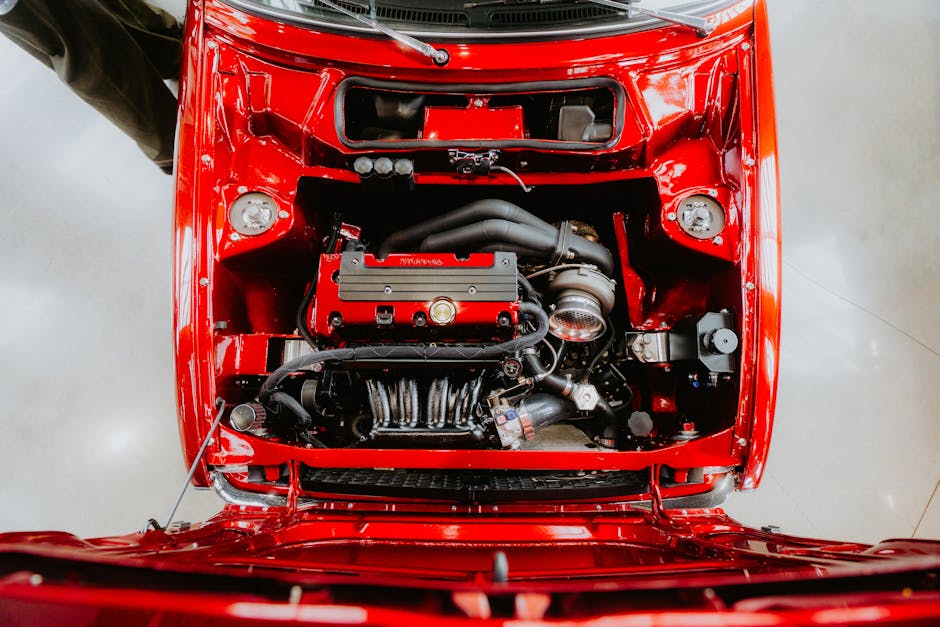
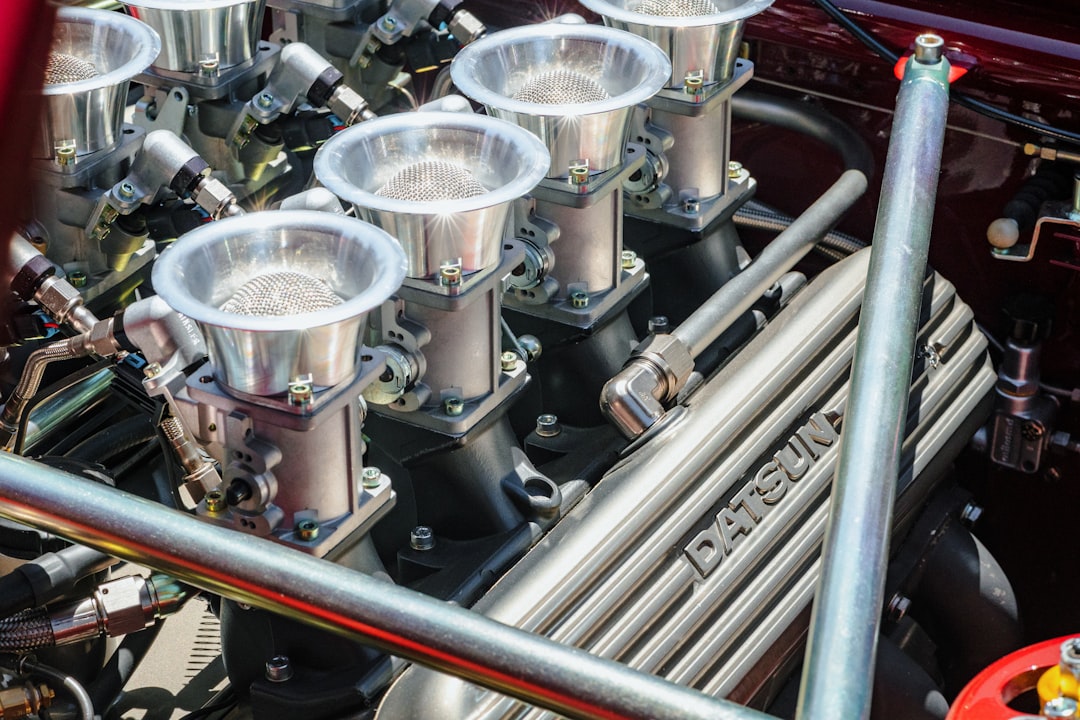
    car engine air filter comparison types performance 2026

    Why the Air Filter Actually Matters More Than You Think

    Your engine is essentially a giant air pump. For every gallon of fuel it burns, it needs roughly 14.7 parts of air by weight — that’s the stoichiometric ratio you’ll hear mechanics throw around. A clogged or inefficient air filter disrupts that ratio, forcing the ECU (Engine Control Unit) to compensate with a richer fuel mixture, which burns more gas and produces more carbon deposits over time. Filtration efficiency is measured by a standard called ISO 5011, which tests how well a filter captures particles of various sizes. Most OEM paper filters achieve around 98–99% efficiency at 10 microns, which sounds great — until you compare real-world airflow restriction data.

    The Four Main Types: A Performance Breakdown

    Let’s walk through each category with the data that actually matters:

    • Standard Paper (OEM-style) Filters: These are the factory defaults found in virtually every new car. Made from cellulose fiber, they offer solid filtration (98–99% at 10 microns) but have relatively high flow restriction — typically around 1.5–2.0 inches of water column at peak flow. They’re single-use, with replacement intervals of 15,000–30,000 miles. Cost: $10–$25. Best for: drivers who want zero fuss and a predictable maintenance schedule.
    • High-Flow Oiled Cotton Gauze Filters (e.g., K&N, aFe Power): These use multiple layers of oiled cotton mesh over a wire frame. Flow restriction drops dramatically — often to 0.5–1.0 inches of water column — which can translate to a modest but real 3–7 horsepower gain on naturally aspirated engines, according to independent dyno tests conducted by outlets like CarThrottle and Driving Sports in 2026. Filtration efficiency, however, dips to around 95–96% at 10 microns when properly oiled. They’re washable and last the vehicle’s lifetime if maintained. Cost: $50–$80 upfront. Watch out for over-oiling — too much oil can contaminate the Mass Air Flow (MAF) sensor, which is an expensive repair.
    • Dry Synthetic Filters (e.g., aFe Dry-S, Volant Dry): These represent a middle-ground philosophy — synthetic fiber media without oil. Flow restriction is similar to oiled gauze, but filtration efficiency climbs back up to 98–99% at 10 microns. No oil contamination risk for the MAF sensor. The downside is they require more frequent cleaning than oiled filters and can cost $60–$100. For turbocharged engines especially, where ingesting even a small particle can damage the compressor wheel, the high-efficiency + high-flow combination makes dry synthetics increasingly popular in 2026.
    • Cold Air Intake Systems with Integrated Filters: These replace the entire airbox assembly with a wider pipe that draws air from a cooler location (often near the bumper or wheel well). The logic: cooler, denser air contains more oxygen per volume, improving combustion efficiency. Real-world gains are typically 5–15 hp on most street cars, though some turbocharged applications show larger benefits. Cost: $150–$400+. The trade-off is complexity — improper installation or a poorly designed system can actually reduce performance by creating turbulent airflow, and hydrolock risk (water ingestion) increases if the intake is positioned too low.

    Real-World Examples: What Drivers Are Choosing in 2026

    In Japan, where strict emissions inspections (Shaken) create strong incentives for clean, efficient engines, Toyota Corolla owners have increasingly shifted toward dry synthetic filters as a replacement for OEM paper filters — particularly the Denso DCC-1040 Synthetic series, which launched in late 2025 and has seen strong adoption. The appeal is simple: no maintenance oil, high filtration, and Shaken-compliance without modification concerns.

    In the United States, the F-150 community — one of the largest and most data-driven truck communities online — has done extensive real-world logging comparing OEM paper vs. K&N oiled gauze on the EcoBoost 3.5L engine. The consensus from platforms like F150Forum.com as of early 2026: the power gains are real but modest (~4–6 hp), and the MAF sensor contamination risk is manageable if you follow the re-oiling instructions carefully. For daily drivers who don’t want to think about it, most members now recommend the dry synthetic route instead.

    In Germany, where Autobahn cruising puts sustained high-RPM stress on engines, brands like Mann-Filter and MAHLE dominate OEM replacement sales. Their paper-based OEM-equivalent filters are engineered for extended service intervals (up to 40,000 km in some applications) and remain the go-to for BMW and Mercedes owners who prioritize engine longevity over marginal power gains.

    oiled cotton gauze vs dry synthetic air filter comparison engine bay

    How to Actually Choose: A Logical Framework

    Rather than chasing the “best” filter in the abstract, let’s match filter type to your actual situation:

    • Daily commuter, mostly city driving: Standard OEM paper or a quality aftermarket paper equivalent (Wix, Fram Ultra). Change every 20,000 miles. Cost-effective and worry-free.
    • Enthusiast driver who tracks the car occasionally: Dry synthetic high-flow filter. You get the airflow benefit without the MAF contamination risk, and filtration is still excellent under hard acceleration.
    • Turbocharged engine owner: Strongly prioritize filtration efficiency over flow — a damaged turbo compressor wheel is a $1,000+ repair. Dry synthetic or premium OEM paper is the safer long-term play.
    • Off-road or dusty environment driver: Surprisingly, standard paper or foam pre-filter combinations often outperform oiled gauze in extremely dusty conditions. The ISO 5011 dust-holding capacity of paper is higher, meaning it takes longer to become restriction-causing when loaded with particulate.
    • Performance build / modified engine: Cold air intake with a quality filter is worth the investment — but have it dyno-tuned properly so the ECU’s fuel maps are adjusted to take full advantage of the additional airflow.

    The Cost-Over-Time Reality Check

    Here’s something the marketing rarely shows you: a K&N filter at $60 that lasts 10 years vs. replacing a $20 paper filter every 2 years costs you the same $60 over that decade — before accounting for cleaning kits (~$12 every 3–4 cleanings). The financial argument for high-flow reusable filters is genuinely marginal for most drivers. The real value proposition is performance consistency and reduced landfill waste, which matters more to environmentally conscious buyers in 2026 than it did five years ago.

    Editor’s Comment : After reasoning through the data honestly, the air filter market in 2026 is actually in a really interesting place — the old binary of “cheap paper vs. performance K&N” has been disrupted by dry synthetic options that give you most of the flow benefit with virtually none of the maintenance anxiety. If I had to give one piece of practical advice: match your filter choice to your engine type first, your driving environment second, and your enthusiasm for maintenance third. And whatever you choose — check it every oil change. That five-second glance could save you the exact situation my friend found himself in.

    태그: [‘car air filter types 2026’, ‘best engine air filter performance’, ‘K&N vs paper filter comparison’, ‘dry synthetic air filter review’, ‘cold air intake vs stock filter’, ‘air filter buying guide’, ‘high flow air filter horsepower gains’]


    📚 관련된 다른 글도 읽어 보세요

  • 차량 에어필터 종류별 성능 비교 리뷰 2026 | 종이, 면, 헤파 중 내 차엔 뭐가 맞을까?

    얼마 전 지인이 중고차를 구매하고 처음으로 엔진룸을 열어봤다가 깜짝 놀랐다는 이야기를 들었어요. 에어필터가 거의 숯 덩어리처럼 새까맣게 변해 있었던 거죠. 그분은 “그냥 연비가 좀 떨어진 것 같긴 했는데, 이게 이 때문이었구나” 하며 황당해했는데요. 사실 에어필터는 엔진이 숨을 쉬는 통로라고 해도 과언이 아닌 만큼, 어떤 종류를 선택하느냐에 따라 차량 성능과 유지비에 꽤 큰 차이가 생길 수 있다고 봅니다. 오늘은 시중에서 가장 많이 쓰이는 종이(페이퍼) 필터, 면 필터(면사 타입), 헤파(HEPA) 필터를 중심으로 종류별 성능을 꼼꼼하게 비교해 볼게요.

    car engine air filter comparison types paper cotton HEPA

    ① 종이(페이퍼) 에어필터 – 가장 대중적인 선택, 숫자로 보기

    종이 필터는 현재 국내 신차의 90% 이상에 순정품으로 채택되고 있는 방식이에요. 미세 셀룰로오스 섬유를 여러 겹으로 압축해 만든 구조로, 여과 효율(Filtration Efficiency)이 약 98~99%에 달합니다. 이 수치는 ISO 5011 기준 0.3μm(마이크로미터) 이상 입자를 기준으로 한 건데요, 일반적인 도로 주행 환경의 먼지 입자 대부분을 걸러낼 수 있는 수준이라고 봅니다.

    교체 권장 주기는 보통 15,000~20,000km 또는 1년으로 알려져 있어요. 가격은 국산차 기준 순정품이 보통 8,000원~15,000원 선이고, 애프터마켓 제품은 3,000원대까지 내려가기도 하죠. 다만 재사용이 불가능하다는 점과, 오염 시 통기 저항(Air Restriction)이 급격히 올라간다는 단점이 있어요. 통기 저항이 높아지면 엔진이 공기를 끌어당기는 데 더 많은 힘을 써야 하고, 이는 곧 연비 저하와 직결됩니다. 실제로 막힌 에어필터 상태에서는 연비가 최대 10% 이상 떨어진다는 국내 자동차 유지관리 연구 자료도 있어요.

    ② 면 필터(Cotton Gauze Filter) – 퍼포먼스 지향, 재사용 가능

    면 필터는 오일을 머금은 면사(Cotton Gauze) 층과 금속 메쉬를 겹겹이 쌓은 구조예요. K&N, BMC, aFe Power 같은 브랜드가 대표적이며, 국내에서도 2026년 현재 동호회나 튜닝 마니아들 사이에서 꾸준한 수요를 보이고 있습니다.

    면 필터의 핵심 장점은 낮은 통기 저항이에요. 종이 필터 대비 통기 저항이 약 30~50% 낮다고 알려져 있고, 이론상 흡기 효율이 올라가면서 소폭의 마력 향상(보통 2~5hp 수준)을 기대할 수 있습니다. 다만 여과 효율은 95~97% 수준으로 종이 필터보다 약간 낮은 인 것 같습니다. 단순 수치만 보면 “효율이 낮은 거 아닌가?” 싶겠지만, 걸러내는 입자 크기 기준과 오일 코팅의 점착력을 함께 고려하면 실사용 환경에서는 충분한 수준이라는 게 다수 전문가의 의견이에요.

    가격은 브랜드 제품 기준 30,000원~80,000원대로 초기 비용이 높지만, 세척 후 재사용이 가능해서 장기적으로는 오히려 경제적일 수 있어요. 세척 키트가 별도로 필요하고, 오일 재코팅을 제대로 하지 않으면 오히려 효율이 뚝 떨어지는 점은 주의해야 합니다.

    ③ 헤파(HEPA) 등급 차량용 필터 – 공기질 민감한 분들께

    헤파(HEPA, High-Efficiency Particulate Air) 필터는 원래 의료·산업용으로 개발된 기술인데요, 최근 들어 차량 엔진용 에어필터 시장에도 헤파 등급 또는 이에 준하는 제품들이 하나둘씩 등장하고 있습니다. 2026년 현재 국내 시장에서는 아직 주류는 아니지만, 미세먼지 문제에 민감한 소비자층을 중심으로 관심이 높아지고 있는 상황이에요.

    헤파 필터는 0.3μm 입자를 99.97% 이상 제거하는 것을 기준으로 인증받는 등급인데, 이를 엔진용에 적용하면 초미세 입자 차단 능력이 압도적으로 높아집니다. 단, 여과 밀도가 높은 만큼 통기 저항도 상당히 커서, 고출력 엔진보다는 일반 시내 주행 위주의 소형차나 하이브리드 차량에 적합하다는 의견이 많아요. 가격대는 20,000원~50,000원 수준이며, 재사용은 불가능한 경우가 대부분입니다.

    HEPA car air filter performance chart filtration efficiency comparison

    국내외 사용 사례로 보는 현실적 선택

    미국에서는 K&N 면 필터가 오랜 기간 튜닝 시장의 스테디셀러로 자리 잡고 있어요. 미국 EPA(환경보호청)의 연구에 따르면 에어필터 교체만으로 연비를 최대 10% 개선할 수 있다는 결과가 있을 만큼 필터의 상태가 중요합니다. 국내에서는 현대·기아차 공식 서비스센터가 15,000km 주기 교체를 권장하고 있고, 국토교통부 자동차 검사 기준에도 에어필터 상태가 포함되어 있을 정도로 관리 중요성이 공식적으로 인정되고 있죠.

    독일의 경우, 아우토반처럼 고속 주행이 잦은 환경에서는 면 필터의 흡기 효율 장점이 더 부각되는 반면, 한국처럼 도심 정체가 많고 미세먼지 농도가 높은 환경에서는 여과 효율을 우선시하는 종이 또는 헤파 계열 필터가 더 유리하다는 분석이 설득력 있어 보입니다.

    한눈에 보는 종류별 특징 요약

    • 종이(페이퍼) 필터 – 여과 효율 98~99%, 교체 주기 15,000~20,000km, 가격 저렴(3,000~15,000원), 재사용 불가. 무난하고 경제적인 선택.
    • 면(Cotton Gauze) 필터 – 여과 효율 95~97%, 재사용 가능(세척 필요), 초기 비용 높음(30,000~80,000원), 통기 저항 낮아 퍼포먼스 지향. 장기 사용 시 비용 효율 좋음.
    • 헤파 등급 필터 – 여과 효율 99.97% 이상, 미세먼지 차단 최강, 통기 저항 높음, 재사용 불가. 공기질에 민감하거나 시내 주행 위주 차량에 추천.
    • 교체 시기 신호 – 연비 저하, 엔진 가속 반응 둔해짐, 아이들링 불안정, 시각적으로 필터가 회색~검은색으로 변색된 경우.
    • 주의사항 – 면 필터는 오일 재코팅 불량 시 MAF(공기유량 센서) 오염 가능성 있으니 주의가 필요해요.

    결론 – 내 주행 스타일에 맞는 선택이 정답

    사실 “어떤 필터가 무조건 좋다”는 답은 없는 것 같아요. 연간 3만km 이상을 고속도로 위주로 달리는 분이라면 면 필터의 장점이 빛날 수 있고, 미세먼지가 심한 날 도심을 주로 달리는 분이라면 헤파 계열의 촘촘한 여과 능력이 더 의미 있을 수 있죠. 대부분의 평범한 국내 운전자라면, 제때 교체만 잘 해줘도 충분한 종이 필터가 가성비 면에서 가장 합리적인 선택이라고 봅니다. 중요한 건 ‘어떤 필터를 쓰느냐’보다 ‘제때 교체하느냐’라는 걸 잊지 말아야 할 것 같아요.

    에디터 코멘트 : 개인적으로 가장 현실적인 조합을 추천하자면, 평소엔 순정 종이 필터를 꼬박꼬박 15,000km마다 교체하고, 튜닝이나 퍼포먼스에 관심이 생겼을 때 면 필터로 업그레이드를 시도해 보는 게 좋다고 봐요. 그리고 어떤 필터를 쓰든 엔진룸을 가끔 열어 눈으로 확인하는 습관, 생각보다 훨씬 중요한 점검 루틴이라고 생각합니다. 필터 하나가 연비와 엔진 수명 모두에 영향을 준다는 사실, 오늘부터라도 한 번쯤 챙겨보시길 바랍니다.

    태그: [‘차량에어필터’, ‘에어필터종류비교’, ‘헤파필터자동차’, ‘면필터vs종이필터’, ‘자동차엔진관리’, ‘에어필터교체시기’, ‘차량유지비절약’]


    📚 관련된 다른 글도 읽어 보세요

  • Car Tuning Legal vs. Illegal: The Complete 2026 Guide to What You Can (and Can’t) Do to Your Ride

    Picture this: it’s a Saturday morning, you’ve just installed a sleek new exhaust system on your beloved sedan, and you’re cruising down the highway feeling like you’ve finally unlocked the car’s true personality. Then the flashing blue lights appear in your rearview mirror. What started as a passion project could suddenly become a very expensive legal headache. Sound familiar? You’re definitely not alone — car tuning is one of the most misunderstood gray zones in automotive culture worldwide, and in 2026, the rules are more nuanced than ever.

    Whether you’re a weekend wrench-turner or a serious performance enthusiast, understanding the line between a perfectly legal mod and an illegal modification can save you thousands in fines, failed inspections, and even vehicle impoundment. Let’s think through this together — logically and practically.

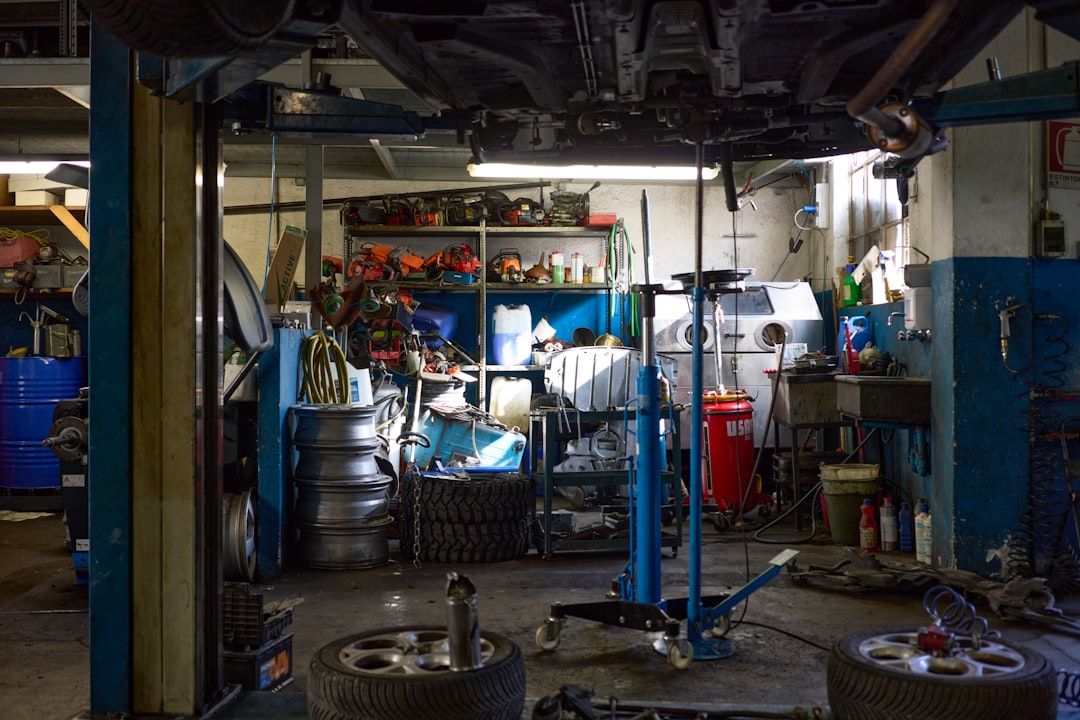
    car tuning workshop legal modifications exhaust performance parts 2026

    Why the Legal Line Exists in the First Place

    Before we dive into the specifics, it helps to understand why tuning regulations exist. Governments don’t restrict car modifications just to annoy enthusiasts (though it can certainly feel that way). The core concerns come down to three pillars:

    • Safety: Modifications that compromise structural integrity, braking distance, or handling predictability pose a risk not just to the driver but to everyone sharing the road.
    • Emissions compliance: Environmental standards have tightened dramatically through the mid-2020s. The EU’s Euro 7 standards, fully enforced since 2025, and the U.S. EPA’s Tier 4 framework both impose strict limits that aftermarket modifications can easily violate.
    • Insurance and liability: If your modified car is involved in an accident and the modification is deemed illegal or undisclosed, your insurance company can — and often will — deny your claim entirely.

    The Legal Tuning Zone: What’s Generally Allowed

    Good news first — there’s actually a wide playground of legal modifications available in most major markets as of 2026. Here’s where you can typically go to town without legal worry:

    • Cosmetic exterior changes: Body kits, spoilers, and vinyl wraps are generally fine as long as they don’t obstruct lights or license plates and don’t extend the vehicle beyond width regulations (usually no more than 2.5 meters total width in most jurisdictions).
    • Wheel and tire upgrades: Upsizing wheels is legal within limits — most regions allow up to a 3% deviation from the original speedometer calibration. Go beyond that and your speedometer is technically inaccurate, which becomes a legal issue.
    • Suspension lowering (within range): Most U.S. states allow lowering up to 2 inches from stock without requiring re-certification. South Korea’s Road Traffic Act permits a maximum lowering of 4cm from the manufacturer’s standard height — exceed that and you’ll need official re-registration of vehicle specs.
    • Cold air intakes and performance air filters: In most markets, intake upgrades that don’t alter emissions output are street-legal. However, removing the resonator or modifying the airbox in ways that impact OBD-II sensor readings can flag your car at emissions testing.
    • Performance ECU tunes (within emissions limits): This is a fascinating area in 2026. Certified ECU remaps that stay within the vehicle’s original emissions parameters are increasingly accepted in Europe and North America, especially for EV range optimization and hybrid efficiency tuning.
    • Interior modifications: Seat upgrades, steering wheel swaps, and audio system overhauls are almost universally legal — with the key exception that airbag systems must not be disabled or altered.

    The Gray Zone: Where Most People Get Into Trouble

    This is where things get genuinely interesting — and where I see enthusiasts make the most costly mistakes. The gray zone isn’t black-and-white illegal; it’s context-dependent.

    Exhaust modifications are the classic example. A cat-back exhaust system (replacing everything after the catalytic converter) is legal in most U.S. states and EU countries. But remove or gut the catalytic converter itself — known as a “cat delete” — and you’re looking at federal EPA violations in the U.S. that carry fines up to $10,000 per violation as of 2026 enforcement updates. In Japan, the infamous shaken inspection system will flag any exhaust that exceeds 96 dB at idle, effectively banning most aggressive aftermarket setups for daily drivers.

    Window tinting is another perpetual gray area. The legal VLT (visible light transmission) percentage varies wildly: California requires at least 70% VLT on front side windows, while Texas allows 25%. South Korea mandates 70% for front windows and 40% for rear side windows. Getting this wrong is one of the most common — and easily avoidable — ticketing scenarios.

    Headlight modifications have become a major enforcement priority in 2026. The rise of ultra-bright aftermarket LED and HID conversions that weren’t type-approved for specific vehicle models has prompted stricter roadside inspections across Europe and increasing citations in metropolitan U.S. areas. The key question authorities ask: is the light assembly ECE R112/R119 certified (EU) or DOT-approved (U.S.)? If not, it’s a violation regardless of how it looks.

    illegal car modification exhaust tint headlight police inspection roadside check

    Clearly Illegal Modifications: Don’t Even Think About It

    Some modifications are unambiguously illegal across virtually all jurisdictions, and the consequences are severe:

    • Disabling or removing airbag systems — criminal liability in most countries if an accident occurs.
    • Tampering with odometers — federal crime in the U.S., carries up to 3 years imprisonment under current law.
    • Removing catalytic converters — EPA violation in the U.S.; similar laws in EU, Korea, and Japan.
    • Hydraulic suspension systems that exceed safe tilt angles — popular in certain car cultures, but illegal for road use in nearly every market.
    • Nitrous oxide (NOS) systems on public roads — legal for track use in most places, but illegal for street use in the majority of U.S. states and most EU countries due to unpredictable power delivery and safety risks.
    • Removing or altering VIN plates — universally illegal and a red flag for vehicle theft investigations.

    International Snapshot: How Different Markets Handle Tuning in 2026

    It’s worth zooming out to see how different countries approach this, because the contrast is genuinely illuminating:

    In Germany, the TÜV (Technischer Überwachungsverein) certification system is both the most rigorous and, paradoxically, one of the most tuner-friendly in the world. If your modification has a TÜV certificate (“ABE” — Allgemeine Betriebserlaubnis), it’s legally recognized across the EU. The catch? Getting that certificate for unusual mods is expensive and time-consuming — but it creates a legitimate pathway that many countries lack.

    In South Korea, the 자동차관리법 (Automobile Management Act) requires official re-registration of the vehicle’s specs whenever structural, powertrain, or dimensional changes are made. The process involves submitting to a certified tuning shop (국토교통부 인증 튜닝 업체) and getting approval from the Korea Transportation Safety Authority (한국교통안전공단). The system has actually become more streamlined since 2024’s regulatory overhaul, making legal performance tuning more accessible than it was five years ago.

    In Japan, the shaken system essentially enforces the rules every two years through mandatory vehicle inspections. Modifications that fail shaken — and many popular ones do — mean your car is technically not roadworthy until reversed. Japanese enthusiasts have developed a creative culture around “reversible mods” specifically for this reason.

    In the United States, the patchwork of 50 different state regulations makes things wonderfully chaotic. California’s CARB (California Air Resources Board) is the de facto strictest standard — any emissions-related part used on California roads needs CARB EO (Executive Order) number certification. Many other states then adopt California’s rules as their own benchmark.

    The EV and Hybrid Tuning Frontier: 2026’s Newest Legal Battleground

    Here’s something that’s genuinely new territory: as EVs now represent over 38% of new car sales globally in 2026, a whole new category of tuning questions has emerged. Can you legally tune an EV? The short answer is: it depends on what you mean by tuning.

    Software-based range and performance unlocks (think Tesla’s over-the-air feature unlocks, or third-party tune subscriptions for certain platforms) exist in a legal gray zone in most markets. Physically modifying battery pack capacity typically voids warranty and may violate homologation rules. However, suspension, aesthetic, and brake upgrades for EVs follow the same rules as ICE vehicles — it’s the powertrain software space that regulators are still catching up with.

    Practical Steps Before You Modify: A Realistic Checklist

    • Research your specific state/country regulations for the exact modification you’re considering — don’t generalize from online forums.
    • Check whether the aftermarket part carries the relevant certification (CARB EO, TÜV, DOT, ECE) for your market.
    • Notify your insurance provider of significant modifications in writing — failing to disclose can void your policy.
    • For structural or powertrain changes, consult a certified tuning shop that can guide you through the re-registration process.
    • Keep all receipts, certification documents, and installation records in your vehicle — this protects you enormously during roadside inspections.
    • Consider track-only builds if your desired modifications are too aggressive for street use — many enthusiasts maintain a dual setup.

    Realistic Alternatives if Your Dream Mod Is Illegal

    If you’re bumping against legal walls, here are some genuinely satisfying workarounds that don’t compromise your safety or your wallet:

    Instead of a straight-pipe exhaust, explore a high-flow catalytic converter paired with a performance muffler — you get 70-80% of the sound and performance gains while staying fully legal. Rather than extreme lowering springs, look into adjustable coilovers set within legal range, which give you far more precise handling than a fixed low setup anyway. And if you’re craving more power from your ECU, a CARB-certified or TÜV-approved Stage 1 remap from a reputable tuner like Cobb Accessport or APR is an excellent legal route for many vehicles.

    The track day route genuinely deserves more attention than it gets. Registering your car for HPDE (High Performance Driver Education) events or local circuit days means you can run configurations that would be illegal on public roads — and in a controlled environment where those mods actually make sense.

    Editor’s Comment : Car tuning is one of the most deeply personal forms of self-expression on four wheels — there’s real joy in making a machine feel uniquely yours. But the legal framework isn’t your enemy here; it’s actually the structure that keeps enthusiast culture sustainable and publicly accepted. The shops, the events, the culture — all of it depends on the community maintaining a reputation for responsibility. So before you reach for that angle grinder or fire up that ECU flashing software, spend 30 minutes researching your local regulations. The best mod you can make to your car is the knowledge of exactly where the legal line sits — and then having the most fun possible right up to that edge.

    태그: [‘car tuning legal guide 2026’, ‘illegal car modifications’, ‘performance tuning laws’, ‘exhaust modification rules’, ‘ECU tuning regulations’, ‘car modification compliance’, ‘automotive tuning tips’]


    📚 관련된 다른 글도 읽어 보세요

  • 자동차 튜닝 합법 vs 불법 기준 완벽 가이드 (2026년 최신 기준)

    얼마 전 지인이 중고차를 구매한 뒤 멋스럽게 꾸미고 싶다며 연락을 해왔어요. 범퍼를 바꾸고, 휠을 키우고, 틴팅도 짙게 하고 싶다고 하더라고요. 그런데 막상 알아보니 어떤 건 괜찮고 어떤 건 안 된다는 얘기가 워낙 엇갈려서 도대체 기준이 뭔지 모르겠다는 거예요. 저도 그 질문을 받고 나서 새삼 정리가 필요하겠다 싶었어요. 자동차 튜닝은 ‘느낌적 느낌’이 아니라 법령에 명확한 기준이 있거든요. 오늘은 2026년 현재 기준으로, 합법과 불법의 경계를 최대한 명확하게 짚어보려고 합니다.

    car tuning legal illegal guide Korea

    📌 자동차 튜닝이란? 법적 정의부터 짚고 가기

    「자동차관리법」 제2조에 따르면, 자동차 튜닝이란 자동차의 구조·장치를 변경하는 행위를 말합니다. 단순히 스티커를 붙이거나 인테리어 소품을 두는 것과는 다르게, 차량의 성능이나 외형에 실질적인 영향을 주는 변경을 법적으로 ‘튜닝’으로 정의하고 있어요.

    튜닝은 크게 두 가지로 나뉩니다.

    • 승인 튜닝: 한국교통안전공단(TS)의 사전 승인을 받아야 하는 변경. 구조·안전에 영향을 주는 항목이 여기에 해당해요.
    • 신고 튜닝 (자기인증 튜닝): 비교적 경미한 변경으로, 승인 없이 가능하거나 제작사 기준 내에서 허용되는 항목이에요.

    📐 합법 튜닝 기준: 구체적인 수치로 살펴보기

    막연하게 ‘허용 범위 내’라고 하면 헷갈리기 쉽죠. 2026년 현재 기준, 대표적인 합법 튜닝 허용 수치를 항목별로 정리해봤어요.

    • 휠 및 타이어 변경: 순정 대비 타이어 외경 기준 ±3% 이내, 폭은 ±20mm 이내에서 변경 가능해요. 다만 휠이 차체 밖으로 돌출되면 안 됩니다. 펜더 플레어(오버 펜더)를 장착한 경우 한국교통안전공단 승인을 받으면 일부 허용되기도 해요.
    • 서스펜션(차고 조절): 차체 높이를 순정 대비 4cm(40mm) 이상 낮추거나, 기준 이상 높이면 승인 대상입니다. 특히 4cm 이상 로우다운은 제동력·조향 안전성 심사를 받아야 해요.
    • 배기 소음(머플러 교체): 「소음·진동관리법」 기준 가솔린 승용차 기준 96dB 이하, 디젤 승용차 기준 100dB 이하를 충족해야 합니다. 이 수치를 초과하는 머플러 교체는 불법이에요.
    • 선팅(썬팅, 차량 유리 필름): 앞좌석 유리는 가시광선 투과율 70% 이상을 반드시 확보해야 합니다. 뒷유리와 후측면 유리는 별도 기준이 없어 어둡게 해도 무방해요.
    • LED/HID 전조등 교체: 규격 인증(KS 인증 혹은 자동차 부품 자기인증)을 받은 제품으로 교체해야 합법이에요. 비인증 제품은 교체 자체가 불법에 해당합니다.
    • 에어로파츠(스포일러, 프론트 립 등): 순정 외관선 밖으로 10mm 이상 돌출되거나, 지상고(최저 지상고 120mm 기준)를 침범하면 승인이 필요합니다.

    🚫 불법 튜닝 대표 사례: 이것만큼은 절대 안 돼요

    아래 항목들은 단순 과태료가 아니라 구조 변경 미승인으로 인한 차량 등록 말소 또는 100만 원 이상의 과태료를 받을 수 있는 명백한 불법 튜닝입니다.

    • 엔진 ECU 튜닝(불법 리맵핑): 출력을 무단으로 높이는 ECU 리맵핑은 승인 없이는 불법이에요. 특히 배출가스 기준(Euro 6 등)을 위반하는 경우 환경부 단속 대상이 되기도 합니다.
    • 번호판 가림 에어로파츠: 번호판을 가리거나 식별을 방해하는 형태의 리어 스포일러나 디퓨저는 도로교통법 위반이에요.
    • 비공인 서스펜션 과도한 로우다운: 차체가 지나치게 낮아져 과속 방지턱 통과 시 차체 손상이 발생할 정도라면, 시각적 불법 이전에 안전검사 불합격 처리됩니다.
    • 불법 HID/LED 전조등: 눈부심을 유발하거나 광축이 맞지 않는 비인증 전조등은 단속 대상이에요. 야간에 상대 운전자 시야를 방해해 실질적인 사고 위험을 높이기 때문입니다.
    • 화염 방사기형 배기 연출 장치(Fire Spitter): SNS에서 자주 보이는 불꽃 배출 머플러는 국내에서 명백히 불법이며, 화재 위험까지 있어요.
    illegal car modification exhaust tinted windows Korea road

    🌍 국내외 사례로 보는 튜닝 규제 온도 차이

    독일의 경우 TÜV(독일 기술 검사 협회) 인증을 받은 튜닝 파츠라면 상당히 광범위한 변경이 허용돼요. 서킷 문화가 발달한 만큼 고출력 엔진 교환이나 차체 개조도 인증 절차를 거치면 공도 주행이 가능한 경우가 많습니다. 반면 일본은 ‘차검(샤켄)’ 제도를 통해 2년마다 엄격한 안전 검사를 받아야 하는데, 검사 기준을 통과하지 못하는 튜닝은 원복 처리해야 해요. 우리나라와 구조는 비슷하지만 일본은 튜닝 자체에 대한 산업 인프라가 잘 갖춰져 있어 합법 범위 내 선택지가 다양한 편입니다.

    국내에서는 2023년부터 ‘튜닝 승인 패스트트랙’ 제도가 일부 운영 중이에요. 기존에는 승인에만 수 주가 걸리기도 했지만, 현재는 경미한 구조 변경의 경우 온라인 신청 후 5~7영업일 내 처리되는 케이스도 늘고 있는 것 같습니다. 2026년 현재 국토교통부는 튜닝 산업 육성을 위해 승인 항목을 점차 완화하는 방향으로 개정을 검토 중이라고 알려져 있어요.

    ✅ 튜닝 전 반드시 확인해야 할 체크리스트

    • 변경하려는 부품이 자동차부품 자기인증(KAA) 또는 KS 인증을 받은 제품인지 확인하기
    • 한국교통안전공단(TS) 홈페이지 → ‘자동차 튜닝 승인 조회’에서 사전 확인 가능해요
    • 튜닝샵 이용 시 튜닝 전문 정비업체 등록 여부 반드시 확인 (미등록 업체 이용 시 법적 책임은 차주에게도 있어요)
    • 튜닝 완료 후 자동차 검사(정기/종합) 전 원복 여부 계획도 미리 세워두기
    • 자동차 보험 약관 확인: 불법 튜닝 상태에서 사고 발생 시 보험금 지급 거절 사례가 실제로 있어요

    에디터 코멘트 : 튜닝은 내 차를 더 나답게 만드는 과정이기도 하고, 주행 퍼포먼스를 실질적으로 끌어올리는 방법이기도 하죠. 그런데 합법과 불법의 경계를 무시하면 결국 ‘내 차’인데 제대로 쓰지도 못하는 상황이 생길 수 있어요. 보험도, 안전도, 법적 책임도 모두 차주 몫이니까요. 2026년 기준 규제가 조금씩 완화되고 있는 방향인 만큼, 적법한 절차를 밟으면서 튜닝을 즐기는 게 오히려 장기적으로 더 넓은 선택지를 갖게 되는 길이라고 봅니다. 튜닝 전 한 번만 더 공단 홈페이지를 확인하는 습관, 생각보다 훨씬 큰 차이를 만들어줄 거예요.

    태그: [‘자동차튜닝’, ‘튜닝합법불법’, ‘자동차관리법튜닝’, ‘불법튜닝기준’, ‘합법튜닝범위’, ‘튜닝승인’, ‘2026자동차튜닝’]


    📚 관련된 다른 글도 읽어 보세요

  • Domestic vs. Imported Cars: A Realistic Tuning Cost Breakdown for 2026

    A friend of mine recently bought a sleek imported German sedan — gorgeous machine, heads turn everywhere he goes. But when he started talking about upgrading the suspension and adding a cold air intake, his mechanic handed him a quote that made his jaw drop. Meanwhile, another buddy with a Korean-made sport compact had nearly the same mods done for less than half the price. That conversation stuck with me, and honestly, it’s something every car enthusiast should think hard about before they swipe their card at the dealership.

    So let’s dig into the real numbers and logic behind tuning a domestic (Korean-made) car versus an imported vehicle in 2026 — because the sticker price of the car is really just the beginning of the story.

    car tuning workshop domestic vs imported vehicles comparison

    Why Tuning Costs Differ So Dramatically

    Before we get into the numbers, it helps to understand why there’s such a gap. The core factors driving tuning cost differences come down to three things: parts availability, labor complexity, and ECU (Engine Control Unit) compatibility. Imported vehicles often use proprietary software, require specialized diagnostic tools, and rely on parts that either need to be ordered internationally or sourced through certified dealers at a premium.

    Domestic cars — think Hyundai, Kia, and Genesis — benefit from a much more robust local aftermarket ecosystem in Korea and increasingly so in global markets. Tuning shops are more familiar with these platforms, and the community-driven modding culture means more affordable, well-tested options exist.

    Breaking Down the Numbers: Entry-Level Mods

    Let’s compare some of the most common entry-level modifications across both categories. These figures are based on average market rates in 2026 across South Korea and major international tuning hubs.

    • Cold Air Intake: Domestic (e.g., Hyundai Elantra N) — approx. $150–$300 | Import (e.g., BMW 3 Series) — approx. $350–$700
    • Cat-Back Exhaust System: Domestic — $400–$900 | Import — $800–$2,000+
    • Suspension Lowering Springs: Domestic — $200–$500 installed | Import — $500–$1,200 installed
    • ECU Tune / Remap: Domestic — $300–$600 | Import — $700–$1,800 (often requires proprietary software license)
    • Brake Upgrade Kit: Domestic — $600–$1,000 | Import — $1,200–$3,500

    As you can see, the gap compounds quickly. A modest “Stage 1” build on a domestic sport car might run you $1,500–$2,500 all-in. The equivalent build on a European import? You’re realistically looking at $3,500–$6,000 or more.

    Real-World Examples: Kia Stinger vs. BMW 5 Series

    Let’s take two comparable sport sedans from 2026 — the Kia Stinger GT and a used BMW 540i — and walk through a mid-level tuning build scenario.

    The Kia Stinger GT has become something of a cult classic in the tuning world. With its twin-turbo 3.3L V6, there’s a thriving aftermarket. A typical mid-level build including a downpipe, ECU tune, intake, and suspension coilovers lands around $3,500–$5,000 with labor. Parts ship quickly, and dozens of specialized shops know the platform cold.

    The BMW 540i, meanwhile, carries the prestige but also the price tag. Many of the same modifications require BMW-specific VANOS-compatible components, a dealer-certified or specialist ECU tool (like MHD or BM3 licenses), and labor from shops that have invested heavily in German diagnostics. The same scope of work? Easily $7,000–$12,000, and that’s without touching the transmission or cooling system.

    Kia Stinger GT tuning exhaust modification sport sedan 2026

    Hidden Costs That Almost Nobody Talks About

    The parts and labor are just the visible iceberg tip. Here are some costs that sneak up on import car tuners:

    • Import duties on parts: Specialty European OEM or performance parts can carry 8–15% import tariffs depending on origin and classification.
    • Extended lead times: Waiting 4–8 weeks for a part isn’t unusual with imports, especially for niche European makes. Time = money if you’re renting a car in the meantime.
    • Warranty complications: Imported luxury vehicles often come with more restrictive warranty terms, and unauthorized ECU modifications can void coverage entirely — a risk worth quantifying.
    • Specialized labor rates: Shops certified or experienced with European platforms typically charge 20–40% more per labor hour than general tuning shops.
    • Recalls and software updates: Some import manufacturers push OTA (over-the-air) software updates that can revert or conflict with aftermarket ECU tunes — an increasingly common headache in 2026.

    When Importing Makes Sense Anyway

    Now, I’m not here to tell you imports are a bad idea for tuning — that would be too simple. There are genuinely compelling reasons to go the import route:

    • If you’re building for a specific motorsport class that mandates certain platforms (e.g., European Touring Car spec events), the import is non-negotiable.
    • German and Japanese platforms like the BMW M2 or Toyota GR86 (imported variant) have exceptionally deep global tuning communities, meaning long-term support is excellent.
    • Some European cars have stronger resale value even after modification, partially offsetting the higher build cost.
    • If you’re in Europe or near major tuning hubs, the cost gap shrinks considerably due to parts availability.

    Realistic Alternatives for Budget-Conscious Enthusiasts in 2026

    If you love the idea of a tuned performance car but don’t want to drain your savings, here’s how to think strategically:

    • Go domestic first, go deep: A fully built Hyundai i30 N or Kia EV6 GT is genuinely exciting and comparatively affordable to modify. Master one platform rather than spreading thin.
    • Consider a used import with a known tune: Buying a lightly used import that’s already been sensibly modified by a reputable shop can save you the initial labor and parts premium.
    • Stage your build: Don’t try to do everything at once. A phased build — intake and tune first, then suspension, then exhaust — lets you spread cost and learn how each change affects the car.
    • Join the community early: Tuning forums and owner clubs often have group buy discounts on parts. The Stinger community, for example, regularly runs group buys that cut part costs by 15–25%.

    The bottom line? Domestic cars in 2026 offer a genuinely compelling tuning value proposition that was barely on the radar a decade ago. The engineering has caught up, the aftermarket has matured, and the savings are real. That doesn’t mean imports are wrong — it means you should go in with your eyes wide open and a spreadsheet handy.

    Editor’s Comment : I’ve seen too many enthusiasts fall in love with an imported car’s badge, buy it on passion, and then quietly sell it two years later because the tuning costs bled them dry. The smarter move in 2026 is to define your build goals first, then reverse-engineer which platform gets you there most efficiently. Sometimes that’s a Kia. Sometimes it’s a BMW. But let the math — not the badge — make that call for you.

    태그: [‘car tuning cost 2026’, ‘domestic vs imported car modification’, ‘Hyundai Kia tuning’, ‘BMW tuning cost comparison’, ‘aftermarket car parts budget’, ‘ECU tune price comparison’, ‘performance car modification guide’]


    📚 관련된 다른 글도 읽어 보세요

  • 국산차 vs 수입차 튜닝 비용 완전 비교 (2026년 최신판) — 어떤 차가 더 현실적일까?

    얼마 전 지인 한 명이 중고 BMW 3시리즈를 구입하고 나서 이런 말을 했어요. “차값은 괜찮았는데, 조금 손보려다가 견적이 국산차 한 대 값이 나왔어요.” 처음엔 농담인 줄 알았는데, 실제로 견적서를 보니 정말 그랬습니다. 튜닝이나 커스터마이징을 고려하는 분들이라면 단순히 차값만 볼 게 아니라 유지·개조 비용 구조 전체를 따져봐야 한다는 생각이 들었어요. 그래서 오늘은 국산차와 수입차의 튜닝 비용을 항목별로 비교해 보고, 어떤 선택이 내 상황에 더 맞는지 함께 고민해 보려 합니다.

    car tuning workshop korean imported cars comparison

    🔧 1. 기본 외장 튜닝 비용 비교 — 범퍼·립 스포일러·휠

    외장 튜닝의 시작점이라 할 수 있는 에어로킷(에어로다이나믹 키트) 장착 비용부터 살펴볼게요. 2026년 현재 국내 튜닝숍 기준 평균 시세를 정리하면 다음과 같습니다.

    • 현대 아반떼 CN7 / 쏘나타 DN8 (국산차) — 순정형 에어로킷 풀세트(프론트 립, 사이드 스커트, 리어 디퓨저): 약 40만~90만 원 선. 국산 애프터마켓 브랜드(TUON, MDM 등) 제품 호환성이 높아 선택지가 넓습니다.
    • BMW 3시리즈 (G20) / 벤츠 C클래스 (W206) (수입차) — 동급 에어로킷 풀세트: 약 150만~400만 원 수준. 순정 M 퍼포먼스 또는 AMG 라인 파츠를 원하면 500만 원을 훌쩍 넘기도 합니다.
    • 휠 교체 — 국산차 17~18인치 기준 4피스 세트: 50만~150만 원 내외. 동급 수입차용 18~19인치 전용 규격 휠: 150만~400만 원. PCD(피치 서클 지름) 규격 차이로 범용 휠 장착이 까다로운 경우가 많아요.

    단순 수치로만 봐도 외장 튜닝 영역에서 수입차 비용이 국산차 대비 평균 2.5~4배 높은 라인에서 형성되는 경향이 있다고 봅니다. 이는 부품 수급 경로(병행수입 vs 공식 딜러), 차종별 수요량, 그리고 금형 자체의 희소성 차이에서 기인하는 것 같습니다.

    🏎️ 2. 퍼포먼스 튜닝 비용 비교 — 흡기·배기·ECU 맵핑

    많은 분들이 “진짜 튜닝”이라고 부르는 퍼포먼스 영역입니다. 흡기 시스템 교체, 배기 튜닝, 그리고 ECU(엔진 제어 장치) 리맵핑까지 포함한 비용을 살펴볼게요.

    • 흡기(콜드 에어 인테이크) 교체 — 국산 1.6T~2.0T 엔진 기준: 15만~50만 원. 수입차 동급: 40만~120만 원.
    • 중간 촉매 삭제 또는 다운파이프 교체 (배기 튜닝) — 국산차: 30만~80만 원 공임 포함. 수입차: 부품 자체가 80만~250만 원, 공임 추가 시 300만 원 초과 가능.
    • ECU 맵핑(리맵) — 국산차: 국내 튜닝업체 데이터 축적이 늘어난 덕분에 2026년 현재 20만~60만 원 선에서 가능. 수입차: 공식 튜닝 소프트웨어(APR, Cobb, MHD 등) 라이선스 포함 시 50만~180만 원 수준.

    흥미로운 점은 ECU 맵핑의 경우 수입차 플랫폼이 오히려 글로벌 튜닝 생태계가 더 잘 발달되어 있어서, 신뢰도 높은 데이터가 많다는 장점도 있어요. 특히 폭스바겐 그룹(VW, Audi, SEAT 등)의 EA888 엔진 계열은 전 세계적으로 튜닝 레퍼런스가 방대하게 쌓여 있습니다.

    🛠️ 3. 서스펜션 및 브레이크 튜닝 — 숨겨진 비용 격차

    서스펜션 다운스프링이나 코일오버 키트, 브레이크 업그레이드는 체감 만족도가 높지만 비용 격차도 상당합니다.

    • 다운스프링 교체 (공임 포함) — 국산차: 20만~60만 원. 수입차: 50만~150만 원 (차종에 따라 서브프레임 탈거 필요 여부로 공임이 급등).
    • 코일오버 키트 (풀세트) — 국산차용 BC Racing, KW 등 브랜드: 80만~200만 원. 수입차 동급: 180만~500만 원. 포르쉐, BMW M 계열은 700만 원 이상도 흔합니다.
    • 빅브레이크 킷(BBK) — 국산차(아반떼, 쏘나타 기준): 100만~250만 원. 수입차(E클래스, 5시리즈급): 300만~800만 원 이상.

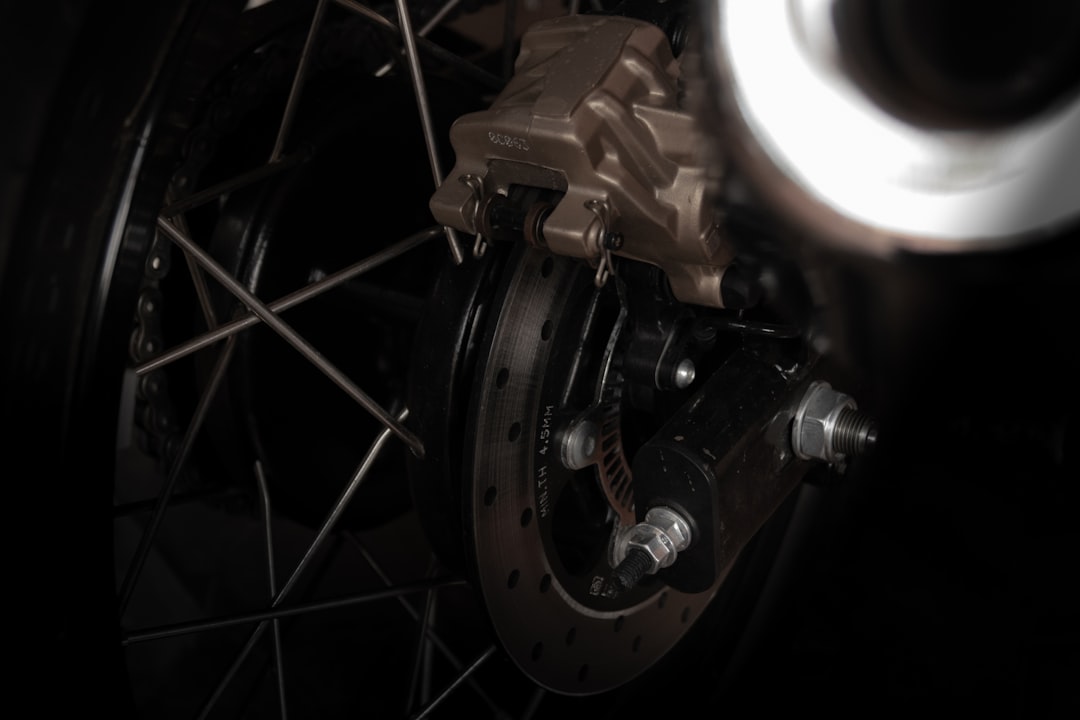
    suspension coilover brake kit car tuning parts

    🌏 4. 국내외 실제 사례로 보는 총 튜닝 비용

    2026년 현재 국내 대표 자동차 커뮤니티(보배드림, 클리앙 자동차 게시판 등)에 공유된 실 견적 사례들을 종합해 보면 다음과 같은 패턴이 보입니다.

    사례 A — 현대 아반떼 N Line 기반 스트리트 튜닝
    외장 에어로킷 + 18인치 휠 + 코일오버 + ECU 맵핑 + 배기 교체를 포함한 토탈 예산: 약 350만~500만 원. 국내 튜닝숍 재고 부품 활용 시 더 낮출 수 있고, 작업 기간도 2~3일 내외로 짧은 편입니다.

    사례 B — BMW 330i (G20) 기반 동일 항목 튜닝
    같은 항목을 적용했을 때의 견적은 약 900만~1,500만 원. 특히 배기 시스템과 코일오버에서 비용이 집중되고, 딜러 방문 시 보증 문제까지 얽히면 추가 비용이 발생하는 구조입니다.

    일본의 유명 튜닝 전문지 Option과 미국의 Modified Magazine 사례를 봐도 일반적으로 유럽 수입차의 튜닝 비용은 동급 일본·한국차 대비 2~4배 높게 형성되는 것이 글로벌 공통 현상이라고 봅니다. 이는 부품 수급 채널의 복잡성과 전문 공임 단가 차이에서 비롯됩니다.

    💡 5. 비용만이 전부는 아닌 이유 — 리세일 밸류와 튜닝의 목적

    튜닝 비용을 단순 지출로만 보면 국산차가 압도적으로 유리해 보이지만, 몇 가지 변수를 더 고려해야 할 것 같습니다.

    • 브랜드 프리미엄과 튜닝 완성도 — BMW M 퍼포먼스 파츠나 메르세데스 AMG 정품 파츠는 단순 퍼포먼스 이상의 브랜드 경험을 포함합니다.
    • 리세일 밸류(중고 가치) — 과도한 튜닝은 국산차·수입차 모두 중고가를 떨어뜨리지만, 수입차의 경우 순정 복원 비용까지 이중으로 발생할 수 있어요.
    • 커뮤니티와 부품 생태계 — 현대·기아차 기반 튜닝은 국내 커뮤니티가 활성화되어 DIY 비용 절감이 가능합니다. 반면 수입차는 글로벌 레퍼런스가 풍부하다는 장점이 있습니다.
    • 보증 문제 — 국산차는 튜닝 후 보증 문제가 제한적으로 발생하지만, 수입차는 공식 딜러 보증이 까다롭게 적용되는 경우가 많습니다.

    ✅ 결론 — 나에게 맞는 현실적인 선택은?

    결국 “어떤 차가 튜닝에 유리한가\

    태그: []


    📚 관련된 다른 글도 읽어 보세요

  • Brake Pad Replacement Cost & Top Product Picks for 2026: What You Actually Need to Know

    A few months ago, a friend of mine was driving down a mountain road when she noticed her brakes felt… spongy. That subtle, unsettling feeling where the pedal travels just a little too far before anything happens. She pulled over, called a mechanic, and found out her brake pads had worn down to a dangerous 2mm — well below the safe threshold of 3mm. The repair bill? Higher than it needed to be, partly because she hadn’t caught the warning signs earlier.

    Sound familiar? Whether you’re a first-time car owner or a seasoned driver, brake pad maintenance is one of those things that’s easy to push to the back of your mind — until it’s urgent. So let’s walk through the real costs of brake pad replacement in 2026, which products are worth your money, and how to make smart decisions no matter your budget or vehicle type.

    brake pad replacement mechanic shop car maintenance 2026

    How Much Does Brake Pad Replacement Actually Cost in 2026?

    Let’s talk numbers — because vague answers like “it depends” aren’t helpful when you’re budgeting. Here’s a realistic breakdown based on current market data for 2026:

    • Economy/Budget pads (parts only): $25–$60 per axle
    • Mid-range semi-metallic or ceramic pads: $60–$120 per axle
    • Premium performance pads: $120–$250+ per axle
    • Labor costs (dealership): $100–$200 per axle
    • Labor costs (independent shop): $60–$130 per axle
    • Full brake service (pads + rotor resurfacing or replacement): $300–$800+ per axle

    So realistically, a front-axle brake pad replacement at an independent shop with mid-range pads will run you somewhere in the $150–$250 range total in most U.S. cities in 2026. In major metros like New York, Los Angeles, or Chicago, expect those labor figures to creep up by 20–30%.

    In Europe and Australia, parts costs are comparable but labor often runs higher — UK drivers are looking at £80–£160 for labor alone at a franchise workshop. In South Korea, a popular market for brake maintenance data, mid-range pad sets from brands like Sangsin or DK typically cost ₩30,000–₩80,000 with labor running ₩50,000–₩100,000 at a certified shop.

    The 3 Types of Brake Pads — And Which One Is Right for You

    Not all brake pads are created equal. The material composition dramatically affects performance, longevity, noise levels, and cost. Here’s the honest breakdown:

    • Organic (Non-Asbestos Organic / NAO): Soft, quiet, and easy on rotors. Great for light city driving. But they wear faster and don’t handle heat well. Best for: commuter cars, low mileage drivers.
    • Semi-Metallic: The sweet spot for most drivers. Made with 30–65% metal content, these handle heat well and offer solid stopping power. Slightly noisier and harder on rotors than organic pads. Best for: everyday drivers, light trucks, mixed highway/city use.
    • Ceramic: Premium option. Quieter than semi-metallic, produce less dust, and last longer. But they’re pricier and may not perform as well in extreme cold. Best for: sedans, SUVs, drivers who prioritize ride quality and wheel cleanliness.

    Top Brake Pad Products to Consider in 2026

    The brake pad market has matured significantly, and 2026 has brought some strong options across all price tiers. Here are standout picks based on performance reviews and user feedback this year:

    • Bosch QuietCast Premium (Ceramic) — Best Overall: Consistently rated among the top ceramic pads for OEM-like performance. Excellent noise reduction and longevity. Expect to pay $70–$110 per axle set.
    • Akebono ProACT Ultra-Premium (Ceramic) — Best for Luxury Vehicles: Originally OEM supplier for Honda, Toyota, and Lexus. Low dust, whisper-quiet. Around $80–$130 per axle.
    • Wagner ThermoQuiet (Semi-Metallic/Ceramic Hybrid) — Best Value: A smart middle-ground option. The integrated shim helps reduce vibration. Widely available at $45–$80 per axle.
    • EBC Greenstuff (Organic) — Best for City Drivers: UK-based EBC makes excellent low-dust, low-noise pads for light urban use. Around $50–$75 per axle.
    • Hawk Performance HPS (Semi-Metallic) — Best for Performance Drivers: If you’re driving spiritedly or towing, Hawk’s High Performance Street line offers superior bite and fade resistance. $90–$160 per axle.
    • Brembo OE Replacement Pads — Best for European Vehicles: For BMW, Mercedes, Audi owners, sticking with Brembo (the original OEM supplier for many European cars) makes real sense. $100–$200 per axle depending on model.
    ceramic brake pads comparison top brands 2026

    Real-World Examples: DIY vs. Shop — What Makes Sense?

    Here’s where I want to think through this with you honestly, because the “just do it yourself and save money” advice isn’t always right.

    A DIY brake pad replacement on a straightforward vehicle like a 2022 Toyota Camry or Honda CR-V? Totally doable in 60–90 minutes if you have basic tools. You’ll spend maybe $70 on pads and save $100–$130 in labor. That math works.

    But on a 2024 BMW 5 Series with electronic parking brake actuators, or any vehicle with integrated brake-by-wire systems (increasingly common in EVs and hybrids in 2026), you’ll likely need a scan tool to retract the rear caliper pistons. Attempting this without the right equipment can damage the caliper — a $300–$500 mistake. In that case, paying the shop is the smarter financial decision.

    A practical rule: if your vehicle is older than 2020 and not a high-end European brand, DIY is worth exploring. If it’s a hybrid, EV, or German luxury brand, go to a shop — preferably an independent one that specializes in your make to save on labor versus a dealership.

    Warning Signs Your Brake Pads Need Replacing Now

    • Squealing or squeaking sound when braking (built-in wear indicator)
    • Grinding or growling noise (metal-on-metal — replace immediately)
    • Longer stopping distances than usual
    • Brake pedal feels soft or travels further before engaging
    • Visible pad thickness below 3mm through the wheel spokes
    • Car pulling to one side when braking

    Realistic Alternatives If Budget Is Tight Right Now

    Let’s be real — not everyone can drop $300 on brakes this week. Here are some genuinely workable alternatives:

    • Shop around aggressively: Get quotes from 3 independent shops. Price variation of 30–40% for the same job is common in 2026.
    • Use AutoZone or O’Reilly’s free brake inspection: Many parts stores offer visual inspections for free. Use this as a baseline assessment.
    • Consider remanufactured calipers + economy pads: If your calipers are sticking (causing uneven pad wear), a remanufactured caliper plus a Wagner or ACDelco pad can be a cost-effective combo — often cheaper than premium pads alone over time.
    • Check for shop coupons and seasonal promotions: Midas, Firestone, and Meineke regularly run brake service promotions, especially in spring and fall. A $99 brake inspection special can sometimes include the labor credit toward repair.
    • Prioritize front brakes first: Front pads handle 70–80% of braking force and wear faster. If budget forces a choice, do front first, schedule rear within 2–3 months.

    The bottom line is this: brake maintenance isn’t glamorous, but it’s genuinely one of the highest-ROI things you can do for your safety and your wallet. Catching worn pads early means you preserve your rotors (saving $150–$400), avoid emergency repairs (which always cost more), and keep yourself and others safe on the road.

    Editor’s Comment : After reviewing dozens of brake pad options and real shop quotes heading into 2026, my honest take is this — don’t just chase the cheapest option or blindly buy premium. Match the pad type to your actual driving habits. A city commuter doesn’t need Hawk Performance pads, and a mountain road enthusiast shouldn’t be running budget organic pads. Know your car, know your driving style, and spend accordingly. Your brakes are the one system on your car where cutting corners has immediate, life-or-death consequences. Spend wisely — but do spend.

    태그: [‘brake pad replacement cost 2026’, ‘best brake pads 2026’, ‘ceramic vs semi-metallic brake pads’, ‘DIY brake pad replacement’, ‘brake maintenance tips’, ‘Bosch Akebono Wagner brake pads’, ‘car maintenance budget guide’]


    📚 관련된 다른 글도 읽어 보세요

  • 브레이크 패드 교체 비용 얼마나 들까? 2026년 최신 가격 & 추천 제품 총정리

    얼마 전 지인이 연락을 해왔어요. ‘브레이크 밟을 때마다 끼익 소리가 나는데, 이거 얼마나 들어?’ 하고요. 사실 브레이크 패드 교체는 타이어 교체 다음으로 흔한 소모품 정비인데, 막상 비용 기준이 없으니 공업사에서 부르는 대로 낼 수밖에 없는 게 현실이에요. 그래서 오늘은 2026년 기준 실제 교체 비용은 어느 수준인지, 그리고 가성비 좋은 추천 제품은 뭔지 함께 정리해 보려 합니다.

    car brake pad replacement mechanic workshop

    📌 브레이크 패드, 언제 교체해야 할까요?

    일반적으로 브레이크 패드의 교체 주기는 3만~5만 km 사이라고 알려져 있어요. 하지만 이건 어디까지나 평균치이고, 실제로는 운전 습관과 주행 환경에 따라 크게 달라집니다. 도심 주행이 많고 잦은 급제동을 하는 경우라면 2만 km 전후로도 교체 시점이 올 수 있고요. 반대로 고속도로 위주의 장거리 주행이 많다면 6만 km까지도 버티는 경우가 있어요.

    교체 시점을 알 수 있는 대표적인 신호는 다음과 같습니다.

    • 브레이크 밟을 때 금속 마찰음(끼익, 쇠긁는 소리)이 들릴 때
    • 브레이크 페달이 예전보다 더 깊이 눌려야 제동이 걸릴 때
    • 계기판에 브레이크 경고등이 점등될 때
    • 육안 점검 시 패드 두께가 3mm 이하로 내려왔을 때

    💰 2026년 기준 브레이크 패드 교체 비용 분석

    비용은 크게 부품비 + 공임비로 구성돼요. 2026년 현재 국내 시장 기준으로 정리하면 아래와 같습니다.

    • 국산 중형 세단(아반떼, K3급) 기준: 부품 2만~5만 원 + 공임 2만~4만 원 → 총 4만~9만 원 내외(전축 기준)
    • 국산 준중형 SUV(투싼, 스포티지급) 기준: 부품 4만~8만 원 + 공임 3만~5만 원 → 총 7만~13만 원 내외(전축 기준)
    • 수입차(BMW 3시리즈, 벤츠 C클래스급) 기준: 순정 부품 15만~30만 원 + 공임 5만~10만 원 → 총 20만~40만 원 이상
    • 고성능 차량 또는 대형 SUV: 순정 혹은 동급 부품만 30만~50만 원을 넘기도 함

    여기서 주의할 점은 전축(앞바퀴)과 후축(뒷바퀴)을 합산하면 비용이 두 배 가까이 될 수 있다는 거예요. 보통 앞 패드가 뒤 패드보다 더 빨리 닳기 때문에 전축 교체 후 수천 km가 지나 후축을 교체하는 경우도 많습니다. 공업사 방문 시 앞뒤 동시 교체 견적을 따로 받아보는 게 좋습니다.

    또한 2026년에는 원자재 가격 상승과 물류비 부담으로 인해 순정 부품 가격이 2023~2024년 대비 평균 10~15%가량 인상된 상태라는 점도 감안해야 할 것 같습니다.

    🔍 국내외 브레이크 패드 브랜드 비교

    브레이크 패드 시장은 크게 순정(OEM), 국산 애프터마켓, 수입 애프터마켓으로 나뉩니다. 각 유형의 특징과 대표 브랜드를 살펴볼게요.

    brake pad brands comparison product lineup
    • 순정 부품(OEM): 현대모비스, GM대우 순정 등 차량 제조사 지정 부품. 가장 안정적이지만 가격이 높고, 딜러사 공임까지 더하면 비용 부담이 커져요.
    • 상신브레이크(Sangsin Brake): 국내 1위 애프터마켓 패드 브랜드. 현대·기아차의 실질적인 OE 납품사이기도 해서 품질 신뢰도가 높습니다. 가격 대비 성능이 우수하다는 평가가 많아요.
    • DBA(Disc Brakes Australia): 호주 기반의 글로벌 브레이크 브랜드. 국내에서도 수입 고성능 패드 수요가 늘면서 인지도가 높아지고 있어요. 스포츠 주행 및 SUV용으로 추천됩니다.
    • Brembo(브렘보): 이탈리아 프리미엄 브레이크 브랜드. 고성능·수입차 오너들이 많이 찾고요. 내구성과 제동력은 최상급이지만, 가격도 그만큼 프리미엄이에요.
    • Textar(텍스타): 독일 TRW 계열. 유럽산 수입차에 주로 OE 납품되는 브랜드로, 수입차 오너에게 순정 수준의 대안으로 많이 선택됩니다.

    🛒 2026년 현재 가성비 추천 제품은?

    차량 용도와 예산에 따라 조금씩 다르게 접근하는 게 맞는 것 같아요.

    • 일상 출퇴근 국산차 오너: 상신브레이크 ECO 또는 PLUS 라인업이 무난한 선택이라고 봅니다. 가격도 합리적이고 국산차 핏이 정확해요.
    • SUV 또는 중하중 주행 많은 경우: 상신브레이크 Hi-Q 또는 DBA SP 시리즈를 고려해볼 만합니다. 열 분산 설계가 더 우수해서 잦은 제동에 유리해요.
    • 수입 유럽차 오너: Textar 또는 Brembo OE 라인이 차량과의 호환성 측면에서 가장 안정적이라고 봐요. 가격은 좀 나가지만, 소음·진동 면에서 훨씬 만족도가 높습니다.
    • 스포츠 드라이빙 또는 서킷 경험 있는 분: Brembo HP 또는 EBC Yellowstuff 같은 고마찰 패드를 고려해볼 수 있어요. 단, 일상 주행 시 소음이 발생할 수 있다는 점은 감안해야 해요.

    💡 교체 비용을 줄이는 현실적인 팁

    • 공식 딜러 대신 신뢰할 수 있는 동네 정비소 활용: 동일 부품 기준 공임이 딜러 대비 30~50% 저렴한 경우가 많습니다.
    • 앞뒤 동시 교체 타이밍 노리기: 두 번 방문 공임을 한 번으로 줄일 수 있어요. 단, 패드 두께 차이가 크다면 각각 교체가 더 경제적일 수 있어요.
    • DIY 교체: 기본 공구와 잭 스탠드가 있다면 브레이크 패드 교체는 중급 이상의 DIY 작업으로 볼 수 있어요. 하지만 브레이크는 안전에 직결되는 파트인 만큼, 자신 없다면 전문가에게 맡기는 게 낫다고 봅니다.
    • 온라인 부품 구매 후 공임만 정비소 의뢰: 쿠팡, 옥션 등에서 부품을 사전 구매하고 정비소에 공임만 청구하는 방식도 비용 절감 효과가 있어요. 단, 사전에 정비소와 협의가 필요합니다.

    에디터 코멘트 : 브레이크 패드는 솔직히 ‘비용 아끼려다 더 큰 비용’이 나오는 대표적인 파트예요. 패드를 너무 오래 쓰면 패드 아래 쇳조각이 디스크(로터)를 긁게 되고, 디스크 교체 비용은 패드 교체 비용의 3~5배 이상이 되거든요. 2026년 현재 부품 가격이 전반적으로 오른 상황이지만, 그렇다고 교체를 미루는 건 훨씬 비싼 수리로 이어질 수 있습니다. 가장 현실적인 조언은 1년 또는 1만 km마다 정기 점검 시 패드 두께를 체크하는 루틴을 만드는 것, 그리고 소리가 나기 전에 선제적으로 교체하는 습관을 들이는 것이라고 생각해요. 안전과 직결된 파트인 만큼, 이 부분만큼은 아끼지 않는 게 장기적으로 훨씬 이득이라고 봅니다.

    태그: [‘브레이크패드교체비용’, ‘브레이크패드추천2026’, ‘자동차소모품교체’, ‘브레이크패드브랜드비교’, ‘상신브레이크’, ‘자동차정비비용’, ‘브렘보패드’]


    📚 관련된 다른 글도 읽어 보세요

  • 2026 High-Performance Sports Cars: The Ultimate New Model Showdown You Can’t Miss

    Picture this: it’s a crisp Saturday morning, you’re standing in a dealership showroom, and three jaw-dropping machines are lined up in front of you — each one promising to be the most thrilling drive of your life. That’s exactly the kind of impossible-but-delicious dilemma that 2026 has handed us. This year’s crop of high-performance sports cars isn’t just an incremental upgrade — it’s a full-on reinvention of what fast, beautiful, and technologically advanced really means on four wheels.

    Whether you’re a seasoned gearhead who tracks lap times on weekends or a newcomer who just wants to understand why people spend six figures on a car, let’s think through this together. Because choosing the right 2026 sports car isn’t just about raw horsepower — it’s about matching the machine to your life.

    2026 sports cars lineup showroom Ferrari Porsche McLaren comparison

    🏎️ The Big Three of 2026: Who’s Actually Leading the Pack?

    Let’s dig into the numbers and engineering philosophy behind the three models dominating conversations in 2026.

    Ferrari 296 GTB Assetto Fiorano (2026 Refresh)
    Ferrari’s 296 platform has received a significant 2026 update, pushing its twin-turbocharged V6 hybrid system to a staggering 830 hp combined output. The new e-diff system and updated Multimatic adaptive dampers allow it to hit 0–100 km/h in just 2.7 seconds. What’s fascinating here is Ferrari’s philosophy: they didn’t just add power — they redesigned the power delivery curve, making the mid-range throttle response feel almost telepathic. Starting price: approximately $380,000 USD.

    Porsche 911 GT3 RS 4.0 (2026 Edition)
    Porsche took a different approach entirely. Their naturally aspirated 4.0-liter flat-six now produces 560 hp — modest by hybrid standards, but the GT3 RS was never about raw numbers. With a curb weight of just 1,430 kg and an active aerodynamics package generating 409 kg of downforce at 200 km/h, this is a road-legal racing machine. Nürburgring lap time? A blistering 6 minutes 49 seconds in 2026 testing. Price: approximately $245,000 USD.

    McLaren W1 (2026 Production Year)
    McLaren’s W1 — the spiritual successor to the legendary P1 — entered full production in late 2025 and is now hitting roads globally in 2026. With a hybrid V8 system producing 1,275 hp, it is arguably the most technologically dense sports car on sale today. The electrohydraulic suspension adapts 500 times per second. Zero to 100 km/h: 2.7 seconds. Top speed: 350 km/h. But here’s the catch — at $2.5 million USD and only 399 units made, it’s more sculpture than everyday sports car.

    📊 Head-to-Head Data Comparison

    • Ferrari 296 GTB (2026): 830 hp | 0-100 in 2.7s | ~$380,000 | Hybrid V6 | Road + Track balance
    • Porsche 911 GT3 RS 4.0 (2026): 560 hp | 0-100 in 3.2s | ~$245,000 | Naturally Aspirated | Track-focused purist
    • McLaren W1 (2026): 1,275 hp | 0-100 in 2.7s | ~$2,500,000 | Hybrid V8 | Hypercar tier
    • Aston Martin Vantage GT3 Road (2026): 656 hp | 0-100 in 3.3s | ~$210,000 | Twin-turbo V8 | Grand touring DNA
    • Lamborghini Huracán STJ (2026): 910 hp | 0-100 in 2.6s | ~$450,000 | Hybrid V10 | Drama + Performance

    🌍 Global Perspectives: How Different Markets Are Responding

    It’s worth zooming out to see how different regions are actually receiving these machines in 2026.

    In South Korea, the high-performance sports car segment has seen a remarkable 34% year-over-year surge in interest, according to the Korea Automobile Importers & Distributors Association (KAIDA) Q1 2026 report. Seoul’s Gangnam and Seongsu districts have become unlikely hotbeds for supercar culture, with Porsche Korea reporting a record-breaking pre-order waitlist for the GT3 RS. Korean buyers, interestingly, tend to prioritize resale value and brand prestige alongside performance — which explains why Porsche consistently outperforms Ferrari in unit sales there.

    In Europe, particularly Germany and the UK, the conversation has shifted toward track-day usability. German buyers are deeply analytical — they want Nürburgring data, they want tire wear statistics, and they want their sports car to feel like a precision instrument. This is why the GT3 RS and Ferrari 296 are neck-and-neck in pre-orders across Germany in 2026.

    In the United States, the 2026 market tells a slightly different story. The Chevrolet Corvette E-Ray ZR1 (2026 model year) — a domestic hero — has shaken up the conversation entirely. At roughly $180,000 USD, it offers a hybrid-assisted 5.5-liter flat-plane V8 with 850 hp and 0–60 mph in 2.5 seconds. For American buyers who want world-class performance without the European premium, the ZR1 is genuinely reshaping the value proposition of the entire segment.

    2026 Porsche 911 GT3 RS track day Nurburgring action shot

    🔋 The Hybrid Question: Is ICE Alone Dead in Sports Cars?

    One of the most fascinating debates in 2026 is whether pure internal combustion sports cars are becoming relics. Here’s my honest take after thinking it through:

    Hybrid systems in sports cars serve two very different masters — performance and regulation compliance. The Ferrari 296 and McLaren W1 use electrification purely to add more violent acceleration and torque-fill between turbo spools. The result is a driving experience that’s arguably more involving, not less. However, Porsche’s decision to keep the GT3 RS naturally aspirated is a deliberate philosophical statement: driving feel, sound, and analog connection still matter enormously to a core audience.

    Full EVs in the sports car space — think Rimac Nevera or Aspark Owl — offer breathtaking straight-line performance, but the 2026 market data suggests that pure EV sports cars still struggle with emotional resonance and track endurance (battery thermal management remains a genuine limitation on circuit use).

    💡 Realistic Alternatives: Not Everyone Needs a $380K Ferrari

    Let’s be real — most readers aren’t writing a check for a McLaren W1 today. But that doesn’t mean the excitement of 2026 sports car engineering is out of reach. Here are some genuinely compelling alternatives worth considering:

    • Toyota GR Supra 3.0 (2026 update): At around $55,000, it now gets revised suspension tuning and 382 hp. Exceptional track-day value with strong community support.
    • Honda Civic Type R (2026 FL5 facelift): Still one of the world’s best front-wheel-drive performance cars at ~$45,000. The 2026 update sharpened the steering feedback noticeably.
    • Mazda MX-5 Miata RF (2026): If driving joy is your goal — not lap times — nothing at $35,000 matches the MX-5’s pure, lightweight handling philosophy.
    • Porsche Cayman GT4 RS (used 2024–2025 market): With the new GT3 RS pushing buyers toward the latest model, used GT4 RS prices have dipped meaningfully in early 2026 — a smart entry point for the Porsche experience.
    • Hyundai Ioniq 6 N (2026): If you’re EV-curious, this performance sedan delivers 641 hp with track-mode stability and fast charging at under $70,000.

    The key insight here is that performance per dollar has genuinely never been better in 2026 at the sub-$100K level. You don’t need to dream from afar — you can participate.

    🏁 Final Verdict: Which 2026 Sports Car Actually Wins?

    Here’s the honest answer after thinking through all the data: there is no universal winner, and that’s actually exciting. The Porsche 911 GT3 RS wins if analog driving purity and resale value are your priorities. The Ferrari 296 GTB wins if you want the most balanced road-and-track hybrid experience money can buy. The McLaren W1 wins if you’re purchasing a piece of automotive history and budget is irrelevant. And the Corvette ZR1 wins if you want world-beating performance while keeping your mortgage intact.

    The 2026 sports car landscape is proof that the industry, despite electrification pressure and regulatory headwinds, is still producing machines of staggering ambition and passion. That’s worth celebrating regardless of which garage they end up in.

    Editor’s Comment : What excites me most about 2026’s sports car class isn’t any single model — it’s the philosophical diversity on offer. From Porsche’s defiant naturally aspirated statement to McLaren’s all-in hybrid hypercar, manufacturers are actively arguing about what a great sports car should feel like. That argument is good for all of us. Whether your budget is $35,000 or $3.5 million, 2026 is genuinely one of the most interesting years in sports car history to be a fan. Follow your instincts, drive before you buy, and remember — the best sports car is always the one that makes you smile every single time you turn the key.

    태그: [‘2026 sports cars’, ‘high performance cars 2026’, ‘Ferrari vs Porsche 2026’, ‘McLaren W1’, ‘best sports cars 2026’, ‘supercar comparison’, ‘hybrid sports car 2026’]


    📚 관련된 다른 글도 읽어 보세요

  • 2026 고성능 스포츠카 신모델 비교 | 포르쉐 vs 페라리 vs 람보르기니, 지금 사야 할 차는?

    지난달, 서울 강남의 한 수입차 전시장 앞에서 긴 줄이 늘어선 모습이 화제가 됐어요. 알고 보니 2026년형 포르쉐 911 GT3의 시승 이벤트였는데, 평일 오전임에도 불구하고 수십 명이 몰렸다고 합니다. 고성능 스포츠카에 대한 관심이 단순한 ‘부의 과시’를 넘어, 퍼포먼스 자체를 즐기는 문화로 점점 진화하고 있다는 신호라고 봐요. 2026년 현재, 각 브랜드는 전동화 기술과 내연기관의 정점을 동시에 추구하며 역대 가장 치열한 경쟁을 펼치고 있습니다. 오늘은 2026년 출시된 주요 고성능 스포츠카 신모델들을 직접 비교해 보면서, 어떤 차가 어떤 사람에게 맞는지 함께 따져볼게요.

    2026 high performance sports car lineup Ferrari Lamborghini Porsche

    📊 본론 1 : 2026년 주요 신모델 퍼포먼스 수치 비교

    숫자는 거짓말을 하지 않죠. 각 모델의 핵심 스펙을 정리해 보면, 브랜드별로 추구하는 방향이 확연히 다르다는 걸 알 수 있어요.

    • 포르쉐 911 GT3 RS (2026년형) : 자연흡기 4.0L 수평대향 6기통, 최고출력 525hp, 0→100km/h 3.0초, 뉘르부르크링 랩타임 6분 49.3초. 가격 약 3억 8천만 원 수준.
    • 페라리 296 GTB 어세토 피오라노 (2026 업데이트) : V6 트윈터보 + 전기모터 하이브리드, 총 시스템 출력 830hp, 0→100km/h 2.9초, 최고속도 330km/h. 가격 약 4억 5천만 원.
    • 람보르기니 우라칸 스테라토 EVO (2026) : V10 자연흡기 5.2L, 최고출력 620hp, 0→100km/h 3.4초, 오프로드 주행 가능한 AWD 세팅. 가격 약 4억 원.
    • 맥라렌 750S 스파이더 (2026 리미티드) : V8 트윈터보 4.0L, 최고출력 750hp, 0→100km/h 2.8초, 공차중량 단 1,389kg. 가격 약 4억 2천만 원.

    수치만 보면 페라리와 맥라렌이 가장 빠르지만, ‘빠르다’는 것이 곧 ‘잘 만든 차’를 의미하지는 않아요. 포르쉐 GT3 RS의 경우, 순수 자연흡기 엔진으로 이 숫자를 뽑아낸다는 점에서 엔지니어링의 순도가 남다르다는 평가를 받습니다. 람보르기니 스테라토 EVO는 620hp짜리 스포츠카로 비포장 도로를 달린다는 독특한 포지셔닝 덕분에 ‘슈퍼 SUV 대안’으로 주목받고 있어요.

    🌍 본론 2 : 국내외 반응과 시장 트렌드

    해외에서는 어떤 흐름이 감지되고 있을까요? 2026년 제네바 모터쇼와 도쿄 오토살롱에서 공통적으로 나타난 키워드는 바로 ‘하이브리드 퍼포먼스의 대중화’‘트랙 전용 모델의 증가’였습니다. 페라리가 296 GTB 라인업을 강화하며 하이브리드를 ‘보조 수단’이 아닌 ‘퍼포먼스 핵심’으로 포지셔닝한 것이 대표적인 사례라고 봐요.

    국내 시장도 흥미롭습니다. 한국수입자동차협회(KAIDA) 2026년 1분기 자료에 따르면, 1억 원 이상 고성능 스포츠카 세그먼트의 등록 대수는 전년 동기 대비 약 18% 증가했어요. 특히 MZ세대(1980~2000년대 초반 출생) 오너의 비중이 처음으로 40%를 돌파한 것이 이슈입니다. 단순한 자산가의 취미가 아니라, ‘경험 소비’를 중시하는 세대가 고성능차 시장을 새롭게 견인하고 있다는 뜻이에요.

    일본의 경우, 닛산 Z NISMO와 혼다 타입R의 꾸준한 인기가 ‘가성비 고성능’이라는 카테고리를 더욱 공고히 하고 있습니다. 3천만 원 초반대에 300hp 이상의 퍼포먼스를 경험할 수 있다는 점이 슈퍼카와는 다른 접근성을 만들어내고 있어요. 국내에서도 현대 아이오닉 6 N이 2026년 업데이트를 통해 650hp의 전기 고성능 모델로 자리매김하며, 순수 국산 고성능차의 새로운 기준을 제시하고 있다는 점도 주목할 만합니다.

    sports car cockpit interior steering wheel track racing 2026

    🔍 본론 3 : 어떤 차를 선택해야 할까? 유형별 접근

    결국 ‘어떤 차가 최고냐’는 질문보다 ‘나에게 맞는 차가 무엇이냐’가 훨씬 중요한 질문이라고 생각해요. 몇 가지 유형으로 나눠보면 이렇습니다.

    • 트랙 주행에 진심인 분 → 포르쉐 911 GT3 RS. 서킷 전용 세팅과 다운포스, 자연흡기의 피드백이 타의 추종을 불허합니다. 단, 일상 승차감은 상당히 희생됩니다.
    • 퍼포먼스와 일상성의 균형을 원하는 분 → 페라리 296 GTB. 하이브리드 시스템 덕분에 저속 주행 편의성이 개선됐고, V6 특유의 고회전 사운드는 여전히 황홀합니다.
    • 남들과 다른 개성을 원하는 분 → 람보르기니 우라칸 스테라토 EVO. 스포츠카로 산길을 달린다는 발상 자체가 강렬한 존재감을 만들어요.
    • 순수한 경량 퍼포먼스를 추구하는 분 → 맥라렌 750S 스파이더. 무게 대비 출력비(파워투웨이트 레이시오)가 이 가격대 최고 수준입니다.
    • 예산이 제한적이지만 고성능을 원하는 분 → 현대 아이오닉 6 N 또는 혼다 타입R. 6천만~9천만 원대에서 충분한 드라이빙 즐거움을 경험할 수 있어요.

    에디터 코멘트 : 2026년 고성능 스포츠카 시장은 ‘전동화와 내연기관의 공존’이라는 과도기 속에서 오히려 가장 다채로운 선택지를 제공하는 시기인 것 같습니다. 억 단위 슈퍼카가 아니더라도, 자신의 드라이빙 철학에 맞는 모델을 찾는 것이 진짜 고성능차 오너의 첫걸음이라고 봐요. 무조건 비싼 차가 정답이 아니라, 내가 어디서 어떻게 즐길 것인지를 먼저 정의하고 차를 고르는 순서를 추천하고 싶습니다. 시승은 반드시 두 번 이상, 일반 도로와 서킷 양쪽에서 경험해 보시길 강력히 권합니다.

    태그: [‘2026스포츠카’, ‘고성능스포츠카비교’, ‘포르쉐911GT3’, ‘페라리296GTB’, ‘람보르기니우라칸’, ‘맥라렌750S’, ‘슈퍼카추천2026’]


    📚 관련된 다른 글도 읽어 보세요