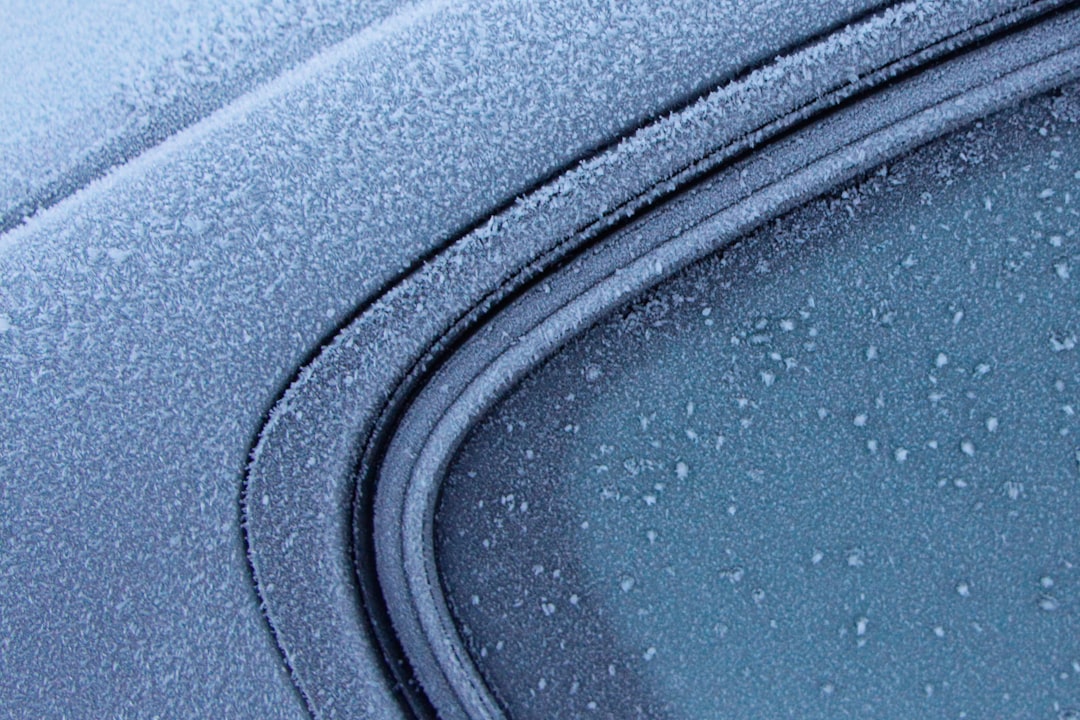
Picture this: it’s a frosty January morning, you’re already running five minutes late, and you hit the washer button to clear a smear of road grime off your windshield — and nothing comes out. Worse, a grim little crackle tells you the reservoir line just froze solid. Sound familiar? Most drivers have been there at least once, and almost every time it traces back to the same root cause: using the wrong fluid for the wrong season. Let’s think through this together and make sure 2026 is the year that never happens to you again.
Why Washer Fluid and Antifreeze Are Two Different Conversations (But Closely Related)
First, a quick clarification for anyone newer to car ownership: windshield washer fluid and engine antifreeze/coolant are completely separate systems. Washer fluid lives in a reservoir near your hood and jets onto your windshield. Engine antifreeze circulates through your radiator and engine block to regulate temperature. They’re stored separately, they do different jobs — but here’s where it gets interesting: both need seasonal attention, and neglecting either one in the wrong season can cost you anywhere from a cracked reservoir ($80–$200 repair) to a blown engine head gasket (easily $1,500–$4,000+).
Seasonal Breakdown: What to Use and When
🌸 Spring (March – May)
As temperatures climb above freezing consistently, this is your transition window. For washer fluid, swap out your heavy-duty winter formula (rated to -25°F / -32°C or lower) for a spring/summer blend — these typically have a freeze protection floor around 20°F (-6°C), which is plenty for late-spring cold snaps. More importantly, spring blends often contain bug-remover agents and UV protectants. For engine coolant, check your antifreeze concentration with an inexpensive refractometer (around $10–$20 at any auto parts store). The ideal coolant-to-water ratio for moderate climates is 50:50, giving freeze protection to about -34°F (-37°C) and boil-over protection up to 265°F (129°C).
☀️ Summer (June – August)
This is peak bug-splatter, pollen, and road-tar season. Use a washer fluid explicitly labeled as a summer/all-season formula with insect remover. Brands like Rain-X, Prestone, and Sonax offer dedicated summer concentrates. Avoid diluting with plain tap water — mineral deposits cloud your windshield over time. On the antifreeze side, don’t be tempted to run a higher water ratio thinking you only need cooling, not freeze protection. A 70:30 antifreeze-to-water mix actually lowers your boil-over protection compared to 50:50 — counterintuitive but true. Stick with 50:50 year-round unless you live somewhere with extreme seasonal temperature swings.
🍂 Fall (September – November)
This is arguably the most important swap window of the year, and the one most drivers skip. As nights dip below 40°F (4°C), start transitioning to a winter-rated washer fluid — at minimum rated to -20°F (-29°C). Most auto shops in North America and Northern Europe start stocking these prominently by mid-September. For coolant, fall is the time to test your antifreeze concentration again. If your coolant is more than 2 years old or has exceeded 30,000 miles since the last flush, consider a full coolant flush and refill. Degraded coolant loses its corrosion inhibitors and can damage your water pump and radiator from the inside out.
❄️ Winter (December – February)
Go full defensive mode. Use washer fluid rated to at least -25°F (-32°C), and if you live in northern states, Canada, Scandinavia, or Korea’s mountain regions, go for -40°F (-40°C) rated fluid — yes, that temperature is the same in both Fahrenheit and Celsius, which is a fun fact that might save your reservoir lines. Never top off winter washer fluid with water or summer formula; even a small dilution raises the freeze point significantly. For engine antifreeze, if temperatures regularly drop below -20°F (-29°C), consider moving to a 60:40 antifreeze-to-water ratio, which extends freeze protection to about -62°F (-52°C).
Real-World Examples: What Different Regions Do
In South Korea, where winters in Gangwon Province routinely hit -20°C and summers are humid and bug-heavy, mechanics commonly recommend a two-stage washer fluid system: a concentrated winter formula stocked from October through March, and a separate bug-dissolving summer formula from April through September. Korean auto maintenance chains like Bosch Car Service Korea and SK ZIC even offer seasonal fluid-swap packages bundled with oil changes starting around ₩15,000–₩25,000 add-ons.
In Germany and Scandinavia, TÜV-certified garages (Germany’s mandatory vehicle inspection body) explicitly check antifreeze concentration as part of the annual vehicle roadworthiness test. Drivers there treat a coolant refractometer the same way Americans treat a tire pressure gauge — it’s a basic glove-compartment tool. The EU’s general recommendation per ADAC (Germany’s equivalent of AAA) is to never let antifreeze protection fall below -25°C (-13°F) even in mild winters.
In North America, AAA’s 2025–2026 winter preparedness survey found that roughly 1 in 3 drivers still had summer-formula washer fluid in their reservoirs heading into December — making frozen washer lines one of the top five preventable cold-weather car issues reported.
Quick Reference Checklist: Seasonal Fluid Swap
- ✅ Spring: Switch to spring/summer washer fluid (bug remover formula); test coolant ratio with refractometer; top off if needed.
- ✅ Summer: Use dedicated summer washer concentrate; avoid plain water top-offs; keep coolant at 50:50 ratio.
- ✅ Fall: Transition to winter-rated washer fluid (-20°F minimum) by October; consider coolant flush if over 2 years old.
- ✅ Winter: Use -25°F to -40°F rated washer fluid; verify coolant freeze protection with refractometer; never dilute with water.
- ✅ Year-round: Keep a spare quart of winter washer fluid in your trunk for emergencies — they’re about $3–$6 and weigh almost nothing.
- ✅ Tools to own: A coolant refractometer ($10–$20), a small funnel, and a pair of nitrile gloves are all you need for DIY seasonal checks.
Realistic Alternatives If You Don’t Want to DIY
Not everyone wants to pop the hood and start testing fluid concentrations — and that’s completely valid. Here are some practical alternatives:
Option 1 — Bundle it with oil changes. Most quick-lube shops (Jiffy Lube, Valvoline, Midas, or Korean equivalents) will top off or swap your washer fluid for free or a small fee if you ask during your oil change. Just specify “winter-rated” or “summer formula” explicitly — don’t assume they’ll choose the right one for the season.
Option 2 — Use a year-round all-season fluid. Products like Prestone All Season or Rain-X De-Icer All Season are rated to around -20°F (-29°C) and work reasonably well across mild-to-moderate climates. If you live somewhere without extreme winters, this one-product approach is genuinely good enough.
Option 3 — Set a calendar reminder. The single highest-impact habit? Set two recurring calendar reminders: one for October 1st (switch to winter fluid) and one for April 1st (switch to summer fluid). Paired with your twice-yearly tire rotation, you’ll cover 90% of seasonal maintenance without overthinking it.
Editor’s Comment : After years of writing about car maintenance, the thing that still surprises me is how a $4 bottle of the right washer fluid — bought at the right time of year — can prevent a repair bill that’s 50 times its cost. Seasonal fluid swaps aren’t glamorous, but they’re one of those rare maintenance tasks where the effort-to-benefit ratio is almost absurdly favorable. If you take nothing else from this guide, let it be this: check your washer fluid every time you fill your gas tank, and keep one spare bottle in your trunk. That one habit alone puts you ahead of the majority of drivers on the road in 2026.
태그: [‘windshield washer fluid guide’, ‘antifreeze seasonal change’, ‘car maintenance 2026’, ‘winter washer fluid’, ‘coolant ratio tips’, ‘seasonal car care’, ‘engine antifreeze guide’]
Leave a Reply