A few months ago, a close friend of mine was driving home on a rainy highway when her car suddenly pulled hard to the left. Heart pounding, she managed to pull over safely — only to discover that her rear tire had completely worn through to the steel belt. The scariest part? She had no idea. The tires were over six years old, and she’d simply never thought to check them. That near-miss is exactly why I wanted to sit down and really think through tire replacement timing and brand choices with you today — because this isn’t just about saving money, it’s genuinely about staying alive on the road.
📊 The Data Behind Tire Degradation: What the Numbers Actually Tell Us
Let’s dig into some real figures so we’re not just going on gut feeling here. According to industry safety data compiled through early 2026, tire-related accidents account for roughly 11,000 crashes annually in the United States alone, with a significant portion linked to worn or aged tires. So when do tires actually become dangerous?
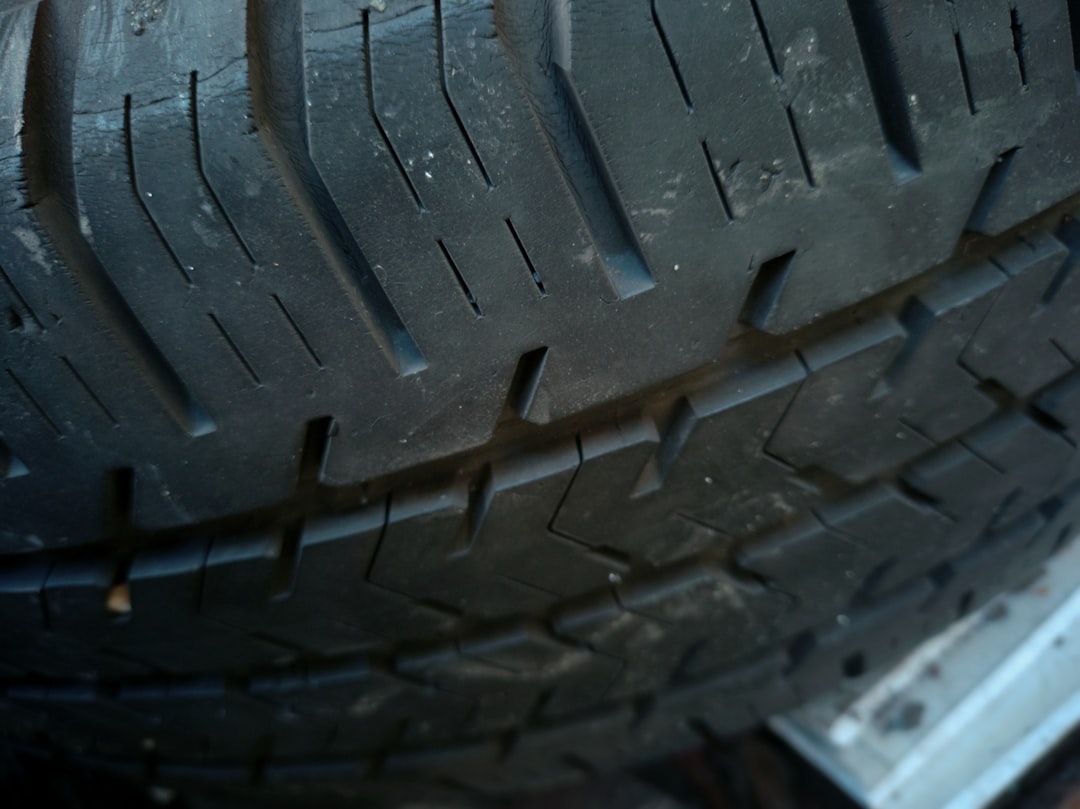
- Tread depth below 2/32 inch (1.6mm): This is the legal minimum in most countries. At this point, wet-road stopping distances increase by up to 40% compared to a new tire.
- Age over 6 years: Even if tread looks fine, rubber oxidizes internally. Most manufacturers — including Michelin, Bridgestone, and Continental — recommend inspection after 5 years and full replacement by 10 years maximum.
- Mileage threshold: Most passenger tires are rated for 40,000–70,000 miles (roughly 64,000–112,000 km). High-performance tires often wear faster, around 20,000–30,000 miles.
- Uneven wear patterns: Center wear = overinflation. Edge wear = underinflation. One-sided wear = alignment issues. Cupping = suspension problems. Each of these signals a replacement need plus an underlying mechanical issue to address.
A quick DIY check you can do right now: stick a quarter (US coin) upside down into the tread groove. If you can see the top of Washington’s head, you’re at or below 4/32 inch — time to start shopping seriously. If you see Lincoln’s entire head on a penny, you’re legally borderline. Don’t wait.
🌍 How Global and Domestic Drivers Are Handling Tire Replacement in 2026
Interestingly, tire replacement habits vary quite a bit by region, and there’s a lot we can learn from comparing approaches.
In South Korea, where the original topic originates, drivers face a unique challenge: dramatic seasonal temperature swings between humid summers (often above 35°C) and freezing winters (below -10°C in inland regions). Korean automotive safety organizations recommend switching to winter tires when temperatures consistently drop below 7°C — a threshold at which all-season rubber loses significant grip. Brands like Hankook Tire and Kumho Tire, both headquartered in Korea, have become globally competitive and are often the go-to domestic choice for budget-conscious Korean drivers without sacrificing quality.
In Germany and the EU, strict regulations mandate winter tires during icy or snowy conditions (the so-called “situational” winter tire law). This has pushed European drivers toward a disciplined two-tire-set system — summer and winter — stored on separate rims. Continental and Michelin dominate this market, and many German drivers swap sets every April and November like clockwork.
In the United States, all-season tires remain overwhelmingly popular due to the convenience factor. However, a growing number of drivers in northern states (Minnesota, Michigan, New York) are shifting toward dedicated winter tires after safety campaigns in 2024–2026 highlighted a 25–50% improvement in braking distances on snow and ice.
In Japan, Bridgestone’s home turf, the culture of meticulous car maintenance means most drivers replace tires proactively — often before the legal minimum. Japanese tire shops routinely measure tread depth at every oil change, a practice that’s slowly spreading to Korean and Southeast Asian service centers too.

🏆 Top Tire Brand Recommendations for 2026: Matched to Your Needs
Rather than just ranking brands generically, let’s match them to real-world scenarios — because the “best” tire genuinely depends on how and where you drive.
- Best Overall Premium: Michelin Primacy 5 / CrossClimate 2 — If budget isn’t a primary concern, Michelin consistently tops independent tests for longevity, wet grip, and noise comfort. The CrossClimate 2 is particularly compelling as a true all-season-into-winter performer, earning a Three-Peak Mountain Snowflake (3PMSF) rating.
- Best Performance: Bridgestone Potenza Sport / Continental SportContact 7 — For sports sedans and performance vehicles, these two battle it out at the top. Bridgestone edges ahead on dry cornering; Continental wins on wet braking. If you drive a BMW M, Audi S-line, or similar, these are worth the premium.
- Best Value Mid-Range: Hankook Ventus Prime 4 / Kumho Ecsta PS71 — Don’t sleep on Korean tire brands in 2026. Both have improved dramatically and consistently score within 5–8% of European premium brands in independent ADAC (German auto club) tests, at 20–30% lower cost. Ideal for daily commuters wanting reliable performance without overspending.
- Best Budget Option: Nexen N’Fera Sport / Falken Azenis FK520 — For older vehicles or second cars with light usage, these deliver solid everyday performance. Just be aware that budget tires often sacrifice wet braking distance slightly, so maintain adequate tread depth vigilantly.
- Best for SUVs/Crossovers: Michelin Pilot Sport All Season 4 SUV / Goodyear Eagle F1 Asymmetric 6 SUV — SUV-specific tire construction matters more than many owners realize. The higher load ratings and reinforced sidewalls in these models directly impact handling stability during emergency maneuvers.
- Best Winter Tire: Bridgestone Blizzak LM005 / Michelin X-Ice Snow — Both are exceptional. The Blizzak edges ahead on ice; the X-Ice performs slightly better in deep snow. Either choice is dramatically safer than all-seasons below 7°C.
💡 Realistic Alternatives: When a Full Set Replacement Isn’t Immediately Possible
Here’s where I want to be genuinely practical with you. Not everyone can drop $600–$1,200 on four new tires right now. That’s real life. So let’s think through some logical middle-ground options:
- Replace in axle pairs, not singles: If budget forces a partial replacement, always replace both tires on the same axle simultaneously. Mixing tire wear or brands on the same axle creates handling imbalances — especially dangerous in wet conditions. Front axle replacement is generally the priority for front-wheel-drive vehicles; rear axle for rear-wheel or all-wheel drive.
- Check for manufacturer tire rebates: In 2026, Michelin, Goodyear, and Bridgestone all regularly run seasonal rebate programs (often $50–$150 back on a set of four). Buying during spring or fall promotion windows can significantly offset cost.
- Consider certified used or takeoff tires: Tire shops that service fleets often have barely-used “takeoff” tires removed from new vehicles for upgrade packages. These can have 90%+ tread remaining at 40–60% of new tire prices. Just verify the DOT manufacture date code — no more than 2 years old is ideal.
- Adjust driving behavior as a temporary measure: Reduce highway speeds, increase following distances, and avoid aggressive braking if you’re knowingly driving on marginal tires while saving for replacement. This isn’t a solution — it’s a bridge.
The bottom line on timing: don’t wait for a failure event to decide. Build a 6-month “tire fund” habit if needed, mark your tire manufacture dates (the 4-digit DOT code tells you week and year of production), and set a calendar reminder every 12 months for a tread depth check. Your future self — and anyone riding in your car — will thank you.
Editor’s Comment : Tires are the only four points of contact between your car and the road — everything else your vehicle does (accelerate, brake, corner) happens through that small rubber contact patch. Yet they’re consistently the most neglected maintenance item I encounter. If there’s one lifestyle upgrade I’d push every car owner to prioritize in 2026, it’s this: know your tire age, know your tread depth, and match your brand choice to your actual driving conditions rather than just grabbing whatever’s cheapest. Spend smart here — the return on investment is measured in safety, not just savings.
태그: [‘tire replacement guide 2026’, ‘best tire brands 2026’, ‘when to replace car tires’, ‘Michelin vs Bridgestone vs Hankook’, ‘winter tires vs all-season tires’, ‘tire tread depth safety’, ‘car maintenance tips 2026’]
Leave a Reply