A few months ago, a friend of mine — let’s call him Dave — was absolutely convinced that ECU tuning was going to slash his fuel bills in half. He drives a 2019 turbocharged hatchback through city traffic every day, and after watching a string of YouTube videos, he was ready to hand over $400 to a local tuner. So I asked him one simple question: “Have you actually looked at the data?” That question started a two-hour conversation, and honestly, it’s the same conversation I want to have with you today.
ECU tuning — remapping the Engine Control Unit’s software to alter fuel maps, ignition timing, boost pressure, and air-fuel ratios — is one of the most talked-about performance modifications in 2026. But between the enthusiast forums and the skeptics, it’s hard to know what’s real. Let’s reason through this together.
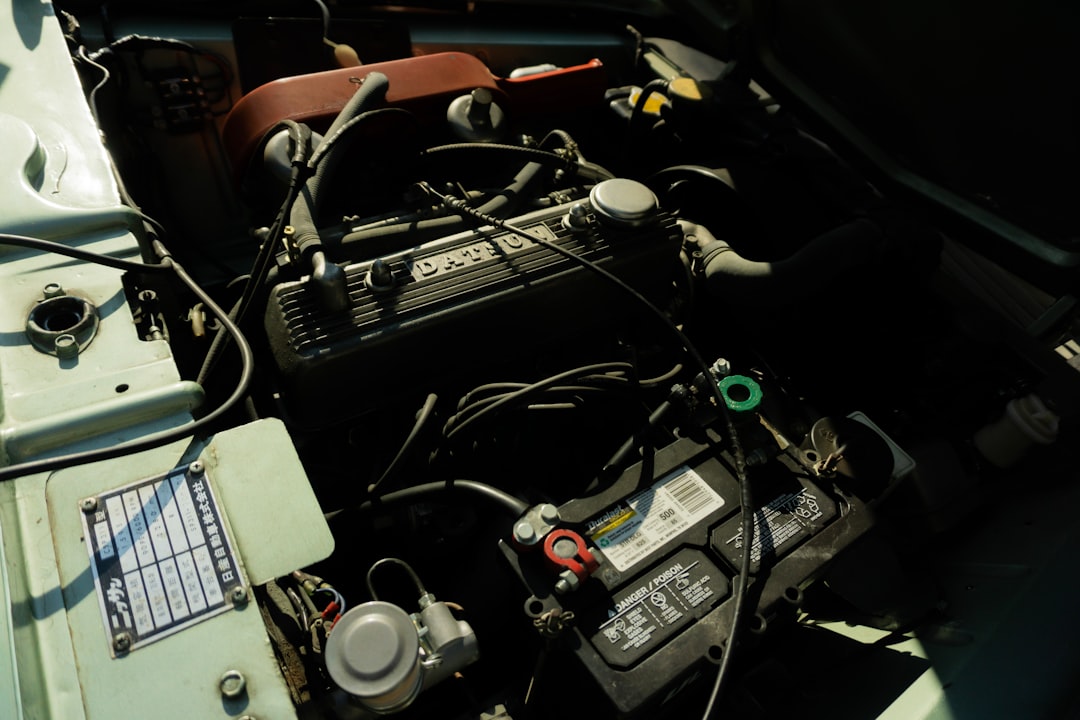
What Does ECU Tuning Actually Do to Fuel Economy?
Here’s the core logic: your factory ECU is programmed conservatively. Manufacturers tune for a global market — accounting for low-octane fuel in developing regions, stricter emissions regulations, and warranty liability. That means there’s often headroom baked into the software. A skilled tuner can theoretically reclaim some of that efficiency.
But — and this is a big but — the relationship between ECU tuning and fuel economy is not straightforward. There are three distinct tuning philosophies:
- Economy-focused remaps: These adjust fuel injection timing, throttle response curves, and torque delivery to prioritize low-RPM efficiency. Realistic fuel savings typically range from 5% to 12% under mixed driving conditions.
- Performance-focused remaps: These increase power output significantly. Fuel economy often worsens by 3–8%, because drivers tend to exploit the extra power — a phenomenon tuners call the “right foot effect.”
- Balanced (stage 1) remaps: The most common type. These aim for both improved torque and modest efficiency gains. Real-world data from dyno testing and owner surveys in 2026 suggest an average improvement of 4–9% in fuel economy, mostly noticed on motorway/highway driving.
Breaking Down the Numbers: What the Data Tells Us
Let’s get specific. A 2026 survey compiled by a UK-based automotive performance community (covering over 1,200 owner-submitted reports) found the following average MPG improvements after economy-oriented ECU remaps:
- Diesel engines (1.6L–2.0L turbo): +8.3% average MPG improvement — the biggest winner, largely because diesel tuning can optimize injection pressure timing with high precision.
- Petrol turbo engines (1.0L–1.4L): +5.7% average improvement — solid, but more variable depending on driving style.
- Naturally aspirated petrol engines: +1.2% to +3.5% — modest gains, since there’s no turbo boost map to optimize.
- Hybrid systems: ECU tuning on hybrids is complex and largely not recommended without manufacturer-approved software, as it can disrupt battery management protocols.
Here’s a practical example: if you drive 15,000 miles per year in a diesel SUV averaging 38 MPG, an 8% improvement brings you to roughly 41 MPG. At $4.20/gallon (approximate 2026 U.S. average for diesel), that’s a saving of around $115–$130 per year. A quality remap costs $300–$600. So your break-even point is roughly 2.5–5 years — assuming you maintain consistent driving habits.
Real Owner Experiences: International Examples
Let’s look at what actual drivers are reporting in 2026:
South Korea (domestic market context): Korean tuners specializing in popular diesel SUVs like the Kia Sorento and Hyundai Santa Fe diesel report consistent feedback from customers noting 6–10% improvements in fuel consumption on expressway driving. However, urban stop-and-go driving shows almost no measurable difference — traffic patterns simply overwhelm the benefits of optimized fuel maps.
Germany & the EU market: With stricter Euro 7 emissions standards now in force, many EU-market ECU tuners have shifted focus to “efficiency-legal” remaps that stay within emissions compliance. German tuning house RaceChip published independent dyno and consumption data in early 2026 showing that their GTS Black unit delivered an average 7.2% consumption reduction on 2.0 TDI platforms — their most-tested engine family.
Australia: The 4WD touring community in Australia has been particularly active with ECU tuning reviews. Long-haul drivers covering 600–800 km highway stretches consistently report the clearest efficiency gains — some documenting 10–13% improvements, because highway driving is where optimized torque curves and fuel maps have the most sustained impact.
The Honest Catches Nobody Talks About
Alright, let’s be real for a second — because there are things tuning shops won’t always volunteer upfront:
- Warranty voidance: In most markets, including the U.S., EU, and South Korea, ECU remapping voids the powertrain warranty. If your injectors fail at 90,000 km, you’re on your own financially.
- Tuner quality matters enormously: A poorly executed remap can actually increase fuel consumption or cause engine stress. Always ask for dyno sheets and customer references.
- Fuel quality dependency: Many performance-economy remaps are calibrated for premium 95–98 RON fuel. Using regular 91 RON fuel with an aggressive tune can cause knock events, which the ECU will compensate for by retarding timing — wiping out your efficiency gains entirely.
- Driving behavior is the wildcard: Studies consistently show that driver behavior accounts for up to 30% of real-world fuel consumption variance. If you enjoy the extra torque and push harder, your gains evaporate.
Realistic Alternatives Worth Considering First
Before spending $400+ on a remap, here’s what I’d genuinely suggest exploring — because some of these options offer comparable or better ROI with zero risk:
- Tire pressure optimization: Running tires at manufacturer-recommended pressure (or slightly above for highway use) can improve fuel economy by 0.5–3%. Free, immediate, zero risk.
- Fuel system cleaning & injector service: Dirty injectors degrade spray patterns and combustion efficiency. A professional injector clean ($80–$150) can recover 3–5% efficiency on high-mileage vehicles.
- Hypermiling driving techniques: Smooth acceleration, coasting to stops, and maintaining steady highway speeds can realistically improve your real-world MPG by 10–15% — no hardware changes needed.
- Air filter & intake maintenance: A clogged air filter increases engine load. Replacing it ($20–$40) on a neglected engine can return 2–6% efficiency.
- OBD2 economy monitors: Devices like Garmin’s 2026 DriveTrack series give real-time fuel consumption feedback, training you to drive more efficiently over time.
My honest advice? If your car is well-maintained and you’re already a mindful driver, a quality economy-focused ECU remap from a reputable tuner can provide genuine, measurable fuel savings — particularly if you do a lot of highway driving in a turbo diesel. But it’s not a magic bullet, it carries warranty and quality risks, and the ROI timeline is longer than most tuning shops will admit.
Dave, for his part, decided to get his injectors cleaned first, adjust his driving style, and monitor results for three months before committing to a remap. Smart move.
Editor’s Comment : ECU tuning for fuel economy in 2026 sits in that interesting middle ground — genuinely effective under the right conditions, genuinely overhyped under the wrong ones. The honest answer is: diesel + highway + reputable tuner + consistent driving = reasonable case for a remap. Everything else? Explore the cheaper fixes first. Your wallet will thank you for the patience.
태그: [‘ECU tuning fuel economy’, ‘engine remapping MPG improvement’, ‘ECU remap real world results 2026’, ‘car fuel efficiency tips’, ‘diesel tuning economy’, ‘ECU tuning pros and cons’, ‘fuel saving car modifications’]
Leave a Reply