Last month, a buddy of mine texted me a photo of his garage floor — brake dust everywhere, a set of worn-out pads next to a YouTube tutorial playing on his laptop. His message read: “Am I really saving money doing this myself, or am I just cosplaying as a mechanic?” That question cracked me up, but honestly, it’s one of the most practical questions any car owner can ask in 2026. With shop labor rates climbing and parts availability improving for DIYers, the math has genuinely shifted. Let’s dig into it together.
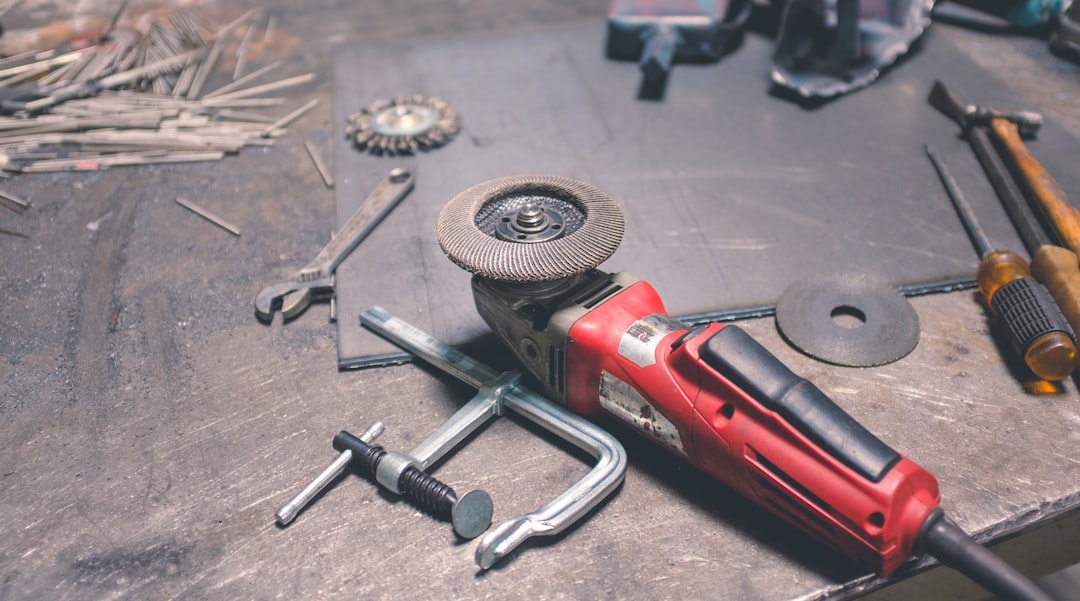
What Does a Shop Actually Charge for Brake Pad Replacement in 2026?
If you’ve been to a dealership or independent shop recently, you already know sticker shock is real. Based on aggregated service pricing data from AutoServiceCosts.com and community surveys from r/MechanicAdvice (2026 Q1 data), here’s what you can expect to pay in the U.S. for a standard brake pad replacement:
- Dealership (OEM pads + labor): $280–$520 per axle
- National chain shop (e.g., Midas, Firestone): $180–$320 per axle
- Local independent shop: $130–$250 per axle
- Mobile mechanic service (e.g., YourMechanic, Wrench): $150–$280 per axle
Keep in mind, “per axle” means front OR rear — not both. A full four-wheel brake job at a dealership can easily run $700–$900+ once you add rotor inspection fees, fluid flushes, and the inevitable upsell pressure. Labor alone often accounts for 50–65% of the total bill.
Breaking Down the DIY Cost Structure
Here’s where it gets interesting. The parts themselves — the pads — are not expensive. The labor is. So what does going DIY actually cost you in 2026?
- Brake pad set (budget, e.g., Wagner ThermoQuiet): $25–$45 per axle
- Brake pad set (mid-range, e.g., Bosch QuietCast, Akebono ProACT): $45–$85 per axle
- Brake pad set (performance, e.g., EBC Redstuff, Hawk HPS): $80–$150 per axle
- Brake piston wind-back tool kit (one-time): $15–$35 on Amazon
- Brake caliper grease + hardware kit: $8–$15
- Brake cleaner spray (1–2 cans): $6–$10
- Torque wrench (if you don’t own one yet): $30–$60
So for a first-time DIYer buying all the tools, total cost per axle runs roughly $100–$180 — and that includes tools you’ll reuse for years. On your second or third job? You’re looking at $35–$100 per axle, materials only. The savings compound over time.
The Time Cost Nobody Talks About
This is where honest self-assessment matters. A first brake job on a straightforward car like a Honda Civic or Toyota Camry might take a true beginner 2.5 to 4 hours — including watching a few tutorial segments, dropping that one bolt behind the caliper, and the mandatory “okay, what does THIS thing do” pause. An experienced home mechanic can knock out both front brakes in 45–60 minutes.
If you value your personal time at, say, $30–$50/hour, a beginner’s first DIY job might “cost” you an equivalent of $75–$200 in time. It’s still often cheaper than a shop, and you gain a skill. By job number two, the math tilts heavily in your favor.
Real-World Case Studies: What Actual DIYers Are Reporting
The DIY automotive community on forums like GarageJournal.com, the r/MechanicAdvice subreddit, and CarTalk Community has been pretty vocal in 2026 about this exact comparison. Here are some representative examples:
- 2022 Toyota RAV4 (front axle): User “QuietRoadTripper” paid $52 for Akebono ACT1086 pads, did the job in 75 minutes, and had been quoted $310 at a Toyota dealership. Net savings: ~$258.
- 2020 Ford F-150 (rear axle): First-timer spent $89 on EBC Greenstuff pads + $22 on a Lisle wind-back kit. The job took 3.5 hours including a stuck caliper bolt that required PB Blaster and a breaker bar. Dealership quote was $420. Still saved $300+.
- 2021 BMW 330i: This one gets complicated — iDrive service interval resets require a BMW-specific OBD tool or dealer programming. One user learned this the hard way, ultimately spending $45 at a shop just for the reset after doing the pads themselves. Still saved money overall, but less than expected.
The BMW example is an important caveat: luxury European vehicles often require software resets that add real cost to DIY jobs. Brands like BMW, Mercedes-Benz, and Audi increasingly use electronic parking brake actuators and service reminder systems that need proprietary tools or dealer visits. Factor this in before you commit.
When DIY Makes Obvious Sense — and When It Doesn’t
Let’s be direct here. DIY brake pad replacement is genuinely accessible and safe when:
- Your car uses a conventional hydraulic caliper (the vast majority of non-luxury vehicles)
- You have access to a safe, flat workspace, a floor jack, and jack stands
- The rotors are within spec and don’t need machining or replacement
- You’re comfortable following a vehicle-specific tutorial (ChrisFix and EricTheCarGuy on YouTube remain gold standards in 2026)
- You have 2–4 hours to invest without rushing
On the other hand, strongly consider a shop when:
- You discover the rotors are warped, cracked, or below minimum thickness (this turns a $50 job into a $150–$250 parts job — worth having a pro handle the full assessment)
- Your car has an electronic parking brake (EPB) — requires a special reset tool
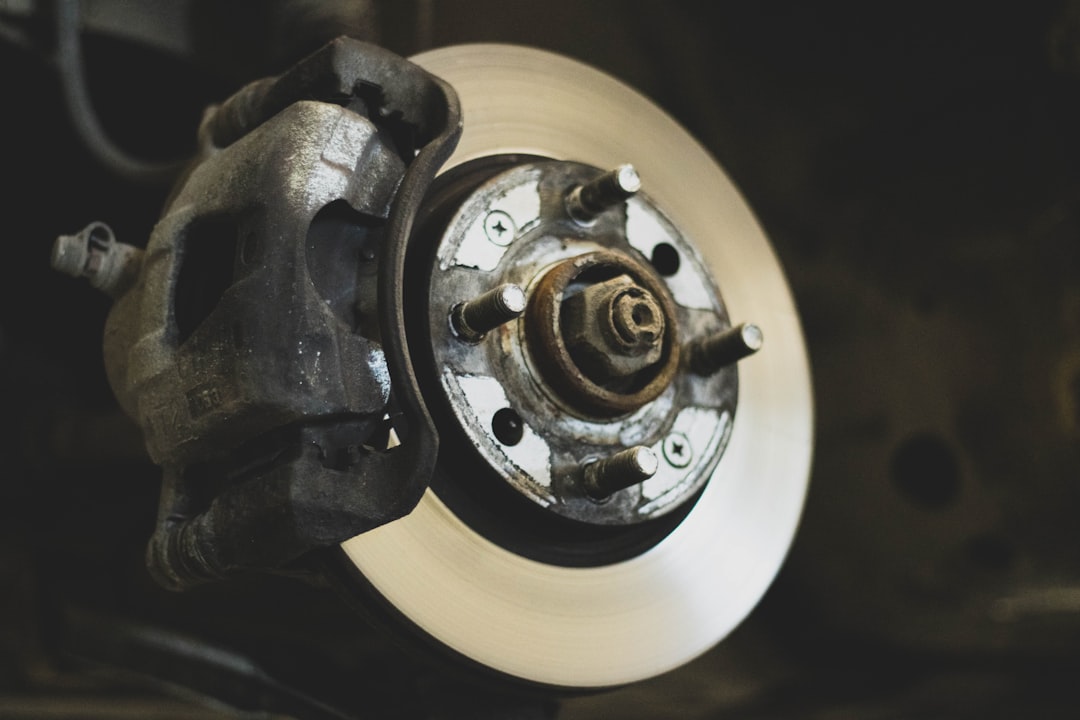
- You find seized caliper slides or a stuck piston — could indicate a caliper replacement is needed
- You’re dealing with ABS sensor wires integrated into the dust shield
- Your car is under warranty and you don’t want to risk voiding it
A Quick Reference: Total Cost Comparison Table
Here’s a simplified side-by-side to anchor the numbers:
- Shop (independent) — Per Axle: $130–$250 | Time investment: 0 hours (drop-off) | Skill required: None
- DIY (experienced) — Per Axle: $35–$100 | Time investment: 45–90 min | Skill required: Moderate
- DIY (first-timer) — Per Axle: $80–$180 (incl. tools) | Time investment: 2.5–4 hours | Skill required: Basic + patience
- Dealership — Per Axle: $280–$520 | Time investment: 0 hours | Skill required: None, but your wallet will feel it
Recommended Products Worth Knowing About in 2026
If you go the DIY route, a few products consistently earn high marks from the enthusiast community:
- Akebono ProACT Ultra-Premium series — Low dust, quiet operation, great for daily drivers
- Bosch QuietCast Premium — Reliable mid-range choice, widely available at AutoZone and O’Reilly
- Hawk HPS (High Performance Street) — Best for those who drive spiritedly or tow regularly
- EBC Redstuff — Low dust ceramic compound, popular with enthusiasts who care about wheel cleanliness
- OEM-equivalent pads from RockAuto.com — Often the most cost-effective for commuter vehicles when brand isn’t a priority
The Verdict: It’s Not Binary
Here’s the thing — this isn’t really a “DIY vs. shop” cage match. It’s more of a decision tree. If your car is a straightforward Japanese or Korean daily driver, you’re mechanically curious, and you have a free Saturday afternoon, the DIY route is absolutely worth it. The savings are real. The skill you build compounds. And there’s something genuinely satisfying about doing your own brakes — ask anyone who’s done it once.
But if you’re driving a luxury European with electronic parking brakes, you’re dealing with a complicated multi-component issue, or you simply don’t have the workspace or time — an independent local shop (not a dealership, not a chain unless you have a coupon) is usually the sweet spot for value and peace of mind.
The biggest mistake? Skipping service entirely because you’re not sure which path to take. Worn brake pads don’t wait for your schedule.
Editor’s Comment : After ten-plus years of wrenching on everything from beater Corollas to weekend track cars, I’ll tell you honestly — my most valuable brake job wasn’t the one that saved the most money. It was the one where I discovered a seized caliper slide that a shop had missed on its last inspection. DIY gives you eyes on your own car. That awareness is worth something no invoice can price. But know your limits, never rush brake work, and when in doubt, ask a pro before you’re in a ditch asking a tow truck driver instead.
📚 관련된 다른 글도 읽어 보세요
- 초보자가 돈 날리기 전에 읽어야 할 자동차 튜닝 입문 가이드 2026: 예산별 실전 로드맵
- Best Engine Oil Brands Compared & Ranked for 2026: What Actually Works in Your Engine
- 정비소 15년 차가 직접 비교한 엔진오일 브랜드 TOP 5: 가성비부터 고급까지 2026 총정리
태그: brake pad replacement cost, DIY brake pad, auto repair savings, brake pad vs shop cost 2026, car maintenance tips, brake caliper replacement, DIY vs mechanic
Leave a Reply