A friend of mine recently moved into a new apartment and was so excited about furnishing it on a budget. She grabbed a couple of those ultra-fluffy blankets from a discount bin — you know the ones, they look incredible on the shelf — and within three washes, they’d pilled beyond recognition and lost half their warmth. She called me frustrated, saying, “I thought a blanket was just a blanket.” That conversation is exactly why I wanted to dig into this topic properly.
Because here’s the thing: blankets are one of those purchases where the gap between “feels fine in the store” and “still works great two years later” is absolutely enormous. Let’s think through this together.
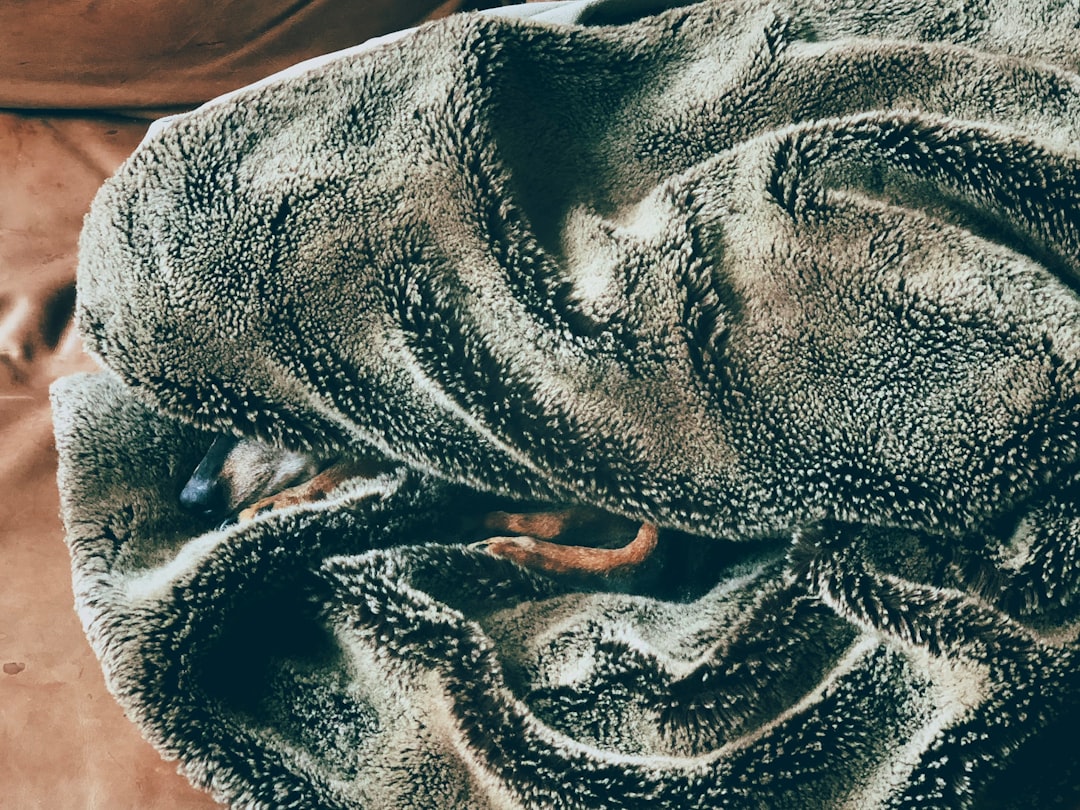
The Blanket Landscape in 2025: More Options, More Confusion
Walk into any home goods store or scroll through Amazon today and you’ll find at least a dozen blanket categories — weighted, sherpa, fleece, cotton waffle, knit, down alternative, electric, and the increasingly popular cooling blankets. The global blanket and throw market was valued at approximately $11.4 billion USD in 2023 and is projected to grow at around 5.2% CAGR through 2028 (Grand View Research). That growth is driven partly by the wellness trend around sleep quality, and partly by the explosion of remote work and people spending more time at home.
But more options don’t automatically mean better decisions. Let me break down what actually matters.
Material Makes or Breaks Everything
This is the single biggest variable, and it’s where most budget blankets cut corners in ways that aren’t visible at first glance.
- Fleece (Polyester Microfiber): The most common budget option. Lightweight and machine-washable, but prone to pilling after 5–10 wash cycles. Look for GSM (grams per square meter) ratings above 200 for durability. Anything below 150 GSM is essentially disposable.
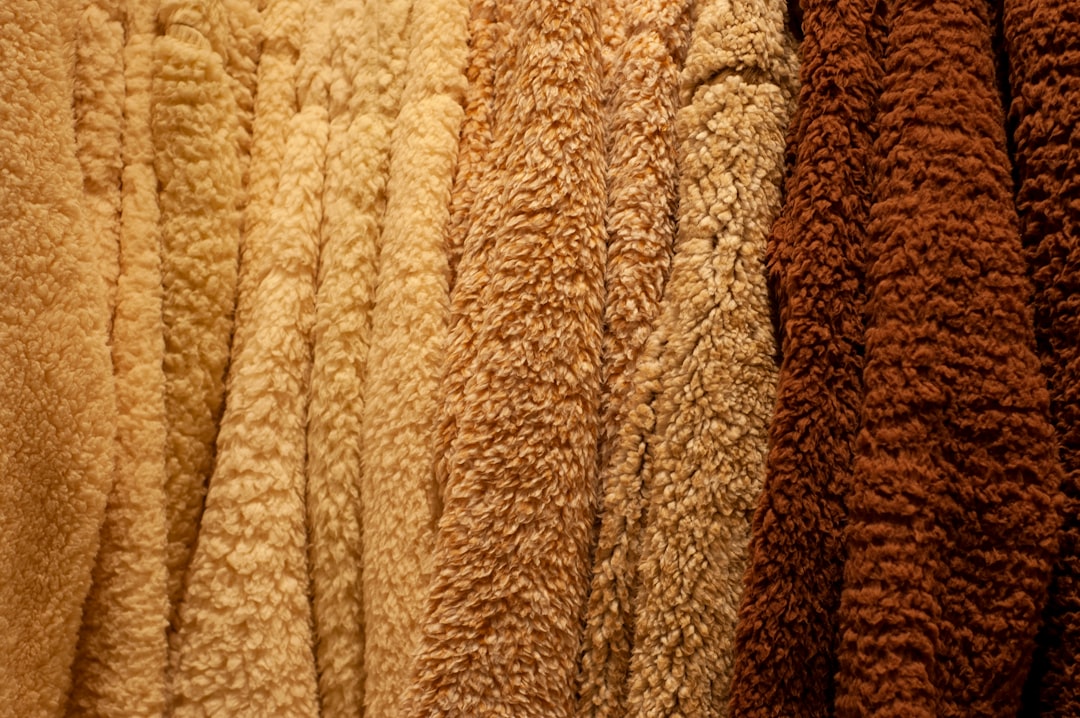
- Sherpa/Faux Shearling: Trendy and very warm, but the backing fabric quality varies wildly. Cheap sherpa matts down and loses loft quickly. Brands like Berkshire Blanket and Chanasya consistently score well in long-term texture retention tests on consumer review sites like Wirecutter.
- Cotton Waffle Weave: Breathable, durable, and gets softer with washing — the opposite of fleece. Ideal for year-round use. Expect to pay $40–$90 for a quality queen-size option. Brands like Lands’ End and Coyuchi use long-staple cotton that genuinely holds up.
- Wool (Merino or Wool Blends): Naturally temperature-regulating, moisture-wicking, and extremely long-lasting. A quality wool blanket from Pendleton or Faribault Woolen Mill can last 20+ years. Expect a $100–$300 price range for the real thing. Worth it? If you live somewhere with cold winters, absolutely yes.
- Weighted Blankets: Usually filled with glass beads or plastic poly pellets. The therapeutic claims around anxiety reduction are backed by some occupational therapy research, though not overwhelmingly. Key spec: aim for roughly 10% of your body weight. Most adults land in the 15–20 lb range. Brands like Gravity Blanket and YnM dominate this space.
- Cooling Blankets: Made from bamboo viscose, Tencel, or specialized moisture-wicking polyester blends. Ideal for hot sleepers. Tested well in the 2025 Consumer Reports sleep accessories roundup.
Price vs. Performance: Where the Value Actually Lives
Here’s a number that might reframe your thinking: the average person washes a throw blanket about 26 times per year (University of Salford textile use study, referenced in multiple sustainability reports). Over 3 years, that’s roughly 78 wash cycles. A $15 fleece blanket that pills after cycle 8 is effectively a $1.88-per-month item that becomes unusable. A $65 cotton waffle blanket that’s still soft at cycle 100? That’s closer to $1.80 per month and still going.
The cost-per-use math almost always favors the mid-range quality purchase over the budget option.
That said, the sweet spot for most households looks like this:
- Under $30: Acceptable for guest rooms, camping, or temporary use only.
- $40–$80: Where genuinely good everyday blankets live. Target’s Threshold line, Amazon’s Bedsure brand (despite being a marketplace brand, their 300 GSM sherpa consistently scores 4.4+ stars with durable feedback), and IKEA’s Fältmal fall here.
- $80–$150: Premium comfort, meaningful durability. Parachute, Brooklinen, and Sunday Citizen operate here.
- $150+: Heirloom-level. Pendleton wool, Barefoot Dreams Cozychic (a cult favorite for a reason), and high-end weighted options.
What the Reviews Don’t Always Tell You
Online reviews are heavily skewed toward the first 30–60 days of ownership, which is almost always the honeymoon period for blankets. The real durability signals come from verified long-term reviews (look for “verified purchase” tags with review dates 12+ months after the purchase date) and from textile-specific testing bodies.
Wirecutter’s blanket guides (updated periodically) run actual wash-cycle tests, and Good Housekeeping’s Institute has a textile lab that performs tensile and pilling tests. These are far more reliable than star ratings alone.
One tip that experienced home goods buyers use: check the thread count or GSM on the product page. If a manufacturer won’t publish it, that’s a red flag. Quality products have nothing to hide in their specs.
The Sustainability Angle Worth Knowing
In 2025, this is increasingly relevant. Fast-fashion blankets (cheap polyester fleece especially) shed significant microplastic fibers with each wash — studies from Plymouth University found that a single fleece blanket can shed over 1 million microfibers per wash. If this matters to you, natural fibers (cotton, wool, linen blends) are a meaningful step in a better direction, and they happen to align with the durability argument anyway.
Certifications to look for: OEKO-TEX Standard 100 (no harmful chemicals), GOTS (Global Organic Textile Standard) for organic cotton or wool, and RWS (Responsible Wool Standard) for ethically sourced wool products.
Practical Buying Framework: Match Your Situation
- If you run hot at night: Bamboo viscose or Tencel cooling blanket, $50–$100 range. Sunday Citizen’s Snug Blanket is worth a look.
- If you have anxiety or sensory needs: Weighted blanket at 10% of body weight, glass bead fill preferred over poly pellets for even weight distribution.
- If you want one blanket for everything: Mid-weight cotton waffle weave. Parachute’s Classic Waffle Blanket ($89–$109) is genuinely worth the price.
- If budget is the hard constraint: Target’s Threshold Cozy Knit or IKEA’s Fältmal fleece. Set expectations for a 2–3 year lifespan and wash on gentle/cold to extend it.
- If you want to buy once and be done: Pendleton National Park Series wool throw, or a Faribault Woolen Mill wool blanket. These are real lifetime purchases.
The honest summary here is that there’s no single “best blanket” — it’s always a function of your sleep habits, climate, wash frequency, and what you’re willing to spend upfront versus over time. But the one thing I’d push back hard on is the idea that blanket quality doesn’t matter. It does, in ways that take a few months to become obvious.
If my friend had spent $60 instead of $12 that first time, she’d still be using the same blanket today rather than buying a replacement. That’s the quiet math of quality purchases.
Editor’s Note: If you’re replacing a blanket this year, treat yourself to at least one step up from where you’d normally shop. Your sleep is worth the $40 difference, and the planet will thank you for not adding another pilled fleece to the textile waste stream six months from now.
📚 관련된 다른 글도 읽어 보세요
- Car Air Filter Replacement Cost & DIY Guide (2026): Save Up to $80 With These Simple Steps
- 매년 200만원 날리고 있었다: 2026년 자동차 연간 유지비 절약 팁 & 소모품 관리법 완전 정복
- ECU Tuning for Better Fuel Economy: Real Owner Reviews & What the Data Actually Says in 2026
태그: blanket buying guide, best blankets 2025, weighted blanket review, blanket materials comparison, wool vs fleece blanket, cozy home textiles, sleep quality blankets
Leave a Reply