A colleague of mine — seasoned traveler, been to 40+ countries — nearly missed a connecting flight at Incheon last spring. Not because of traffic or a delayed inbound flight, but because he trusted a transit time estimate he found online that was outdated by at least two years. He made it to the gate with six minutes to spare, heart pounding, shoes in hand. That story stuck with me, and it got me digging into what the actual, on-the-ground transit experience at Incheon International Airport looks like right now.
So let’s walk through this together — whether you’re connecting for the first time or you’re a frequent flyer who hasn’t been through ICN recently, there are some real changes worth knowing about.
Terminal 1 vs Terminal 2: The Split That Trips Everyone Up
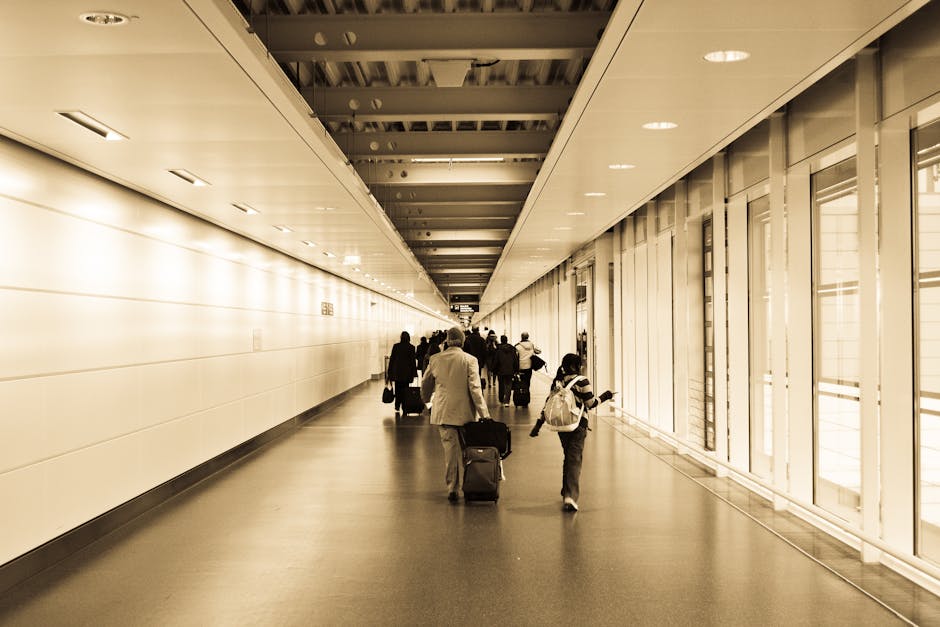
This is still the number one source of confusion for transit passengers in 2025. Incheon has two main passenger terminals — Terminal 1 (T1) and Terminal 2 (T2) — and they are not walking distance apart. The inter-terminal train (the Airport Railroad connector shuttle) takes about 6 minutes between the two, but when you factor in walking to the platform, waiting, and walking out on the other side, you’re realistically looking at 18–25 minutes minimum.
Here’s where it gets operationally important:
- Terminal 2 is used exclusively by Korean Air, Delta Air Lines, Air France, and KLM (SkyTeam members), plus a handful of charter operators.
- Terminal 1 handles everyone else — Asiana, Cathay Pacific, Singapore Airlines, United, Lufthansa, etc.
- If your inbound and outbound flights are on different alliances, you will need to change terminals. Budget a minimum of 30 minutes just for that leg.
- The connector train runs every 5–7 minutes from 05:30 to 23:30. Outside those hours, a free shuttle bus replaces it — and that takes 15–20 minutes plus walk time.
Minimum Connection Times That Actually Work in Practice
Officially, Incheon Airport Authority recommends a minimum connecting time (MCT) of 60 minutes for same-terminal connections and 90 minutes for cross-terminal connections. But let me be honest with you: those numbers are optimistic, especially during peak hours (think 09:00–12:00 KST when a wave of long-haul arrivals stacks up).
Based on documented passenger reports from aviation forums like FlyerTalk and data aggregated through tools like FlightAware’s connection analysis in early 2025, here’s a more realistic breakdown:
- Same terminal, off-peak: 60 minutes is workable, but 75 minutes is comfortable.
- Same terminal, peak hours: Budget 90 minutes. Immigration queues for non-Korean transit passengers using manual lanes can hit 25–35 minutes alone.
- Cross-terminal, any time: Do not book anything under 100–110 minutes. Full stop.
- International-to-domestic connection: This is the wildcard. You clear customs, collect bags, recheck — minimum 2 hours, honestly 2.5 hours to be safe.
The Smart Transit Corridor: Airside vs Landside
Here’s something a lot of first-timers don’t realize: if you’re connecting internationally (international inbound → international outbound), you can often stay airside and skip the full immigration process entirely. This is the International Transfer route, and it’s genuinely efficient at Incheon when it works smoothly.
At T1, the transfer desk area is located in the middle concourse between Gates 28–44. At T2, it’s centralized near the main atrium. The key requirement is that your bags are checked through to your final destination — if they’re not (which happens more often on codeshare itineraries booked through third-party OTAs), you’re going landside, through customs, and re-checking. That changes your timeline dramatically.
A quick checklist to verify before you land:
- Ask check-in at your origin: “Are my bags tagged through to [final destination]?”
- Confirm your boarding pass shows the final destination city, not just the next stop.
- If your itinerary has a ticket number change mid-journey (common with Expedia multi-carrier bookings), assume your bags are not checked through.
Facilities Worth Knowing: What You Can Actually Do in Transit
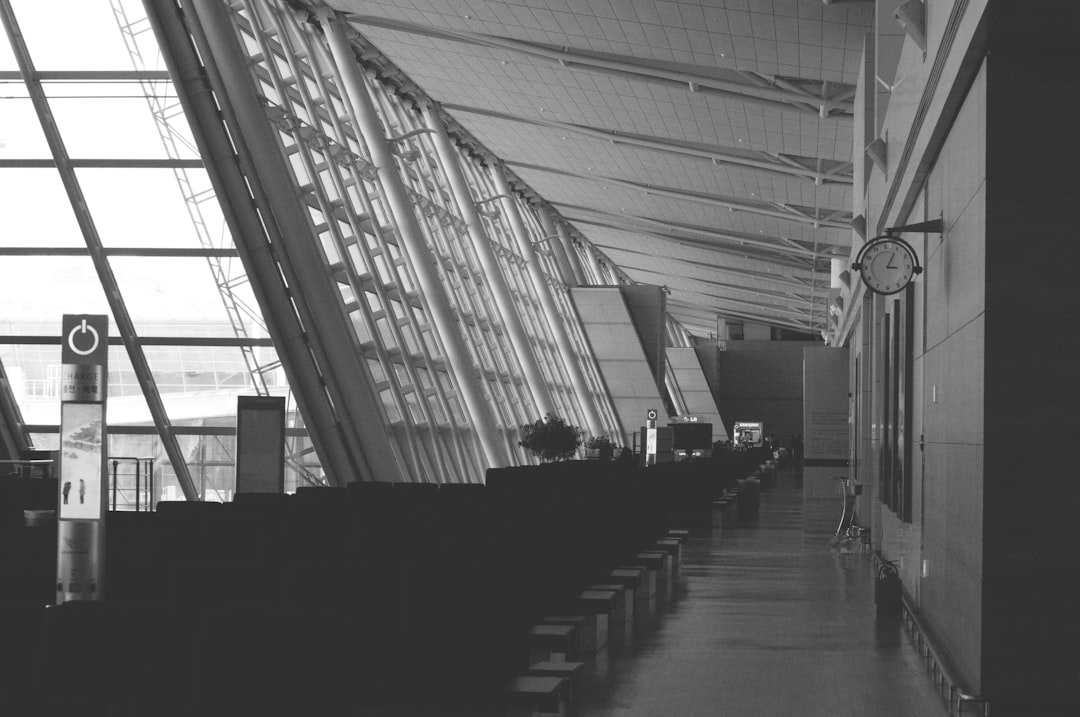
If you have a layover of 3 hours or more, Incheon’s airside facilities are legitimately among the best in the world — and I say that not as a brochure statement but because the infrastructure is genuinely functional. The Transit Hotel (inside T1, operated by Incheon Airport Hotel) offers day-use rooms starting around ₩60,000–80,000 KRW (roughly $44–59 USD) for a 6-hour block as of 2025 pricing. No need to clear immigration.
There’s also a free cultural experience program — Korean traditional activities, a digital gallery — available to transit passengers. It sounds touristy, but for a 4-hour layover with kids, it’s actually a solid option. Located in the T1 concourse near Gate 28.
For longer layovers (6+ hours), the 72-hour visa-free transit program for eligible nationalities lets you exit, see Seoul, and return. The AREX Express train from the airport basement reaches Seoul Station in 43 minutes flat, running every 30–60 minutes depending on time of day. Cost: ₩11,000 KRW one-way (about $8 USD). Just make sure you’re back at the airport with 2.5 hours to spare before your next departure.
The Currency and Connectivity Reality Check
Two practical things that still catch people off guard in 2025:
- SIM cards and pocket WiFi: Available at both arrivals and the transit zone. KT Olleh, SKT, and LG U+ all have kiosks. A 10-day data SIM runs about ₩15,000–20,000 KRW. But if you’re pure transit (not exiting), you can often connect to the free airport WiFi (ICN_WIFI_TRANSIT) which is functional, though speed varies during peak hours — expect 15–30 Mbps typically.
- Korean Won: If you’re staying airside, most shops accept major credit cards and often USD/JPY/EUR directly, though the exchange rate is unfavorable. The KEB Hana Bank ATMs in the transit zone dispense KRW and accept international cards with no airport surcharge — better than the currency exchange counters by a measurable margin.
The Mistake That Keeps Happening: Booking the Tight Connection
Let’s be direct about this. OTAs like Google Flights, Kayak, and even official airline sites will sometimes offer connections at Incheon with as little as 50 minutes of layover time. The algorithm allows it because it technically meets the published MCT. But the published MCT doesn’t account for a late inbound gate assignment, a longer-than-usual taxi, or a slow jet bridge. These are real-world friction points that collectively eat 10–15 minutes before you’ve even started walking.
The rule I’d suggest: if the connection is at Incheon and you didn’t book it as a single itinerary on a single carrier (where the airline bears responsibility for rebooking if you miss it), add 30 minutes to whatever MCT you’re planning around. If it’s cross-terminal, add 45 minutes. That buffer has saved more trips than I can count.
Here’s a thought to leave you with: Incheon is an exceptional airport — consistently ranked top 5 globally for a reason — but it rewards travelers who understand its layout, not just those who trust autopilot itinerary planners. A little homework on your terminal assignment and connection type before you fly turns a stressful dash into a relaxed transit. And honestly? A 2-hour layover at ICN with the right mindset is almost enjoyable. Almost.
📚 관련된 다른 글도 읽어 보세요
- Why I Almost Gave Up on College — What No One Told Me About Financial Aid in 2025
- Stop Blaming the Market — Why Most Forex Trading Strategies Fail in 2025
- 비싸다고 다 좋은 거 아님 — 2026년 가성비 쩌는 싱글몰트 위스키 Top 3
태그: []
Leave a Reply