A friend of mine — let’s call her Maya — messaged me a few months back, frustrated beyond words. She’d been doing 16:8 intermittent fasting for six weeks, had seen zero movement on the scale, and was ready to throw the whole idea out the window. Sound familiar? I’d been there too, about two years prior, white-knuckling through 16-hour fasting windows and wondering why everyone online was raving about this ‘life-changing’ protocol while I was just… hungry and annoyed.
Here’s the thing: intermittent fasting (IF) is genuinely one of the most researched dietary interventions of the last decade — but the way it gets sold online is almost criminally oversimplified. Let’s actually dig into what the data says, where the real wins are, and — critically — when it doesn’t work and why.
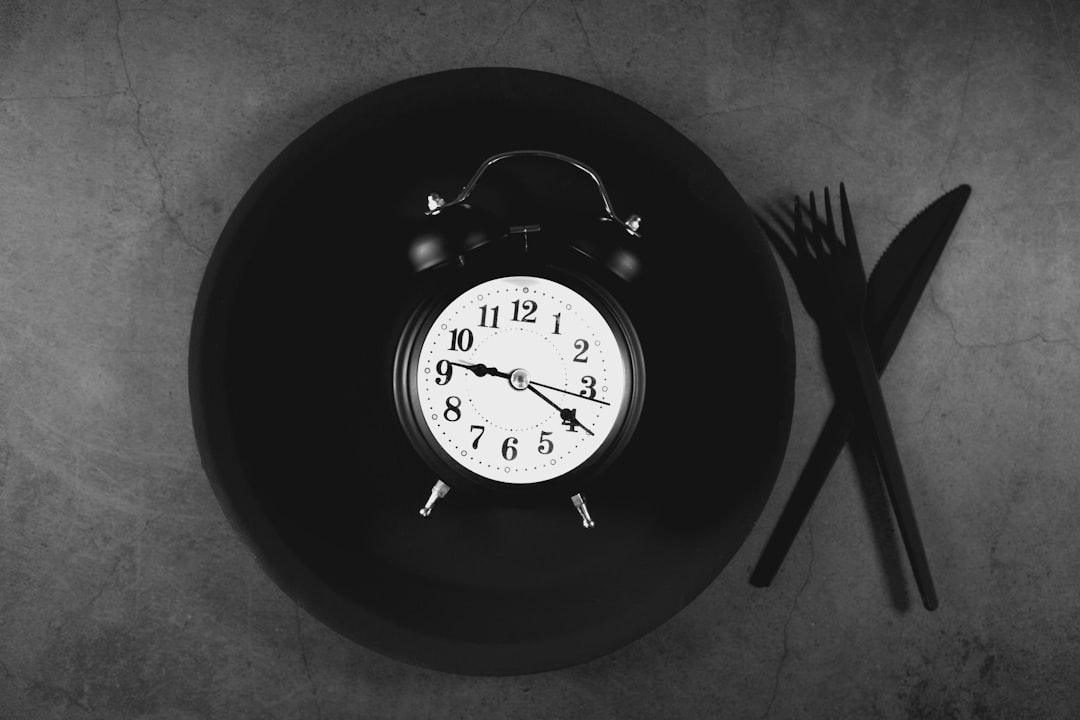
What Intermittent Fasting Actually Does to Your Body (The Honest Version)
IF isn’t magic — it’s a timing mechanism that creates a caloric deficit by restricting the window in which you eat. But the physiology underneath is genuinely interesting. During a fasted state (roughly after hour 12–14), your body begins to shift from glucose metabolism toward fat oxidation, and insulin levels drop significantly. A 2022 meta-analysis published in Obesity Reviews found that IF protocols led to an average weight loss of 0.8–13% of body weight over 8–24 weeks across 27 trials.
But here’s what that meta-analysis also quietly noted: results were not significantly different from continuous calorie restriction when calories were matched. In other words, IF works — but largely because it helps most people eat less, not because of some metabolic witchcraft happening at exactly hour 16.
The Three Most Common IF Protocols — Which One Are You Actually Suited For?
- 16:8 (Leangains Protocol): Fast for 16 hours, eat within an 8-hour window. Most popular, lowest barrier to entry. Works best for people with regular work schedules. Risk: late-night snacking often breaks the fast without the person realizing.
- 5:2 Diet: Eat normally 5 days a week, restrict to ~500–600 calories on 2 non-consecutive days. Research from the University of Manchester suggests comparable weight loss to daily restriction, with better long-term adherence in some groups. Risk: ‘compensatory eating’ on non-fasting days can completely negate the deficit.
- OMAD (One Meal a Day): Extreme — 23:1 fasting window. Some people swear by it for simplicity. Risk: very difficult to hit protein targets (1.6–2.2g/kg of body weight recommended for muscle preservation) in a single meal. Also associated with elevated cortisol in prolonged use.
When Intermittent Fasting Backfires — The Specific Conditions
This is the part nobody wants to talk about. IF can actively cause harm or stall progress under the following conditions:
- Poor sleep quality: A 2023 study in Cell Metabolism found that sleep-restricted individuals who practiced IF lost significantly more lean mass than fat compared to well-rested counterparts. If you’re sleeping under 6 hours, fasting may be eating your muscle.
- High-stress lifestyles: Cortisol + fasting = a rough combination. Skipping breakfast while commuting in peak traffic, managing deadlines, and running on coffee spikes cortisol further, which promotes fat storage around the abdomen — literally the opposite of the goal.
- History of disordered eating: The restrictive framing of IF has been shown to trigger binge-restrict cycles in individuals with prior eating disorder patterns. The National Eating Disorders Association (NEDA) explicitly flags this.
- Female hormonal considerations: Research from Dr. Stacy Sims and others suggests women — particularly in the luteal phase of their cycle — may experience disrupted hunger hormones (ghrelin, leptin) and increased fatigue with strict 16:8 protocols. A more flexible 14:10 window is often better tolerated.

Real-World Case Studies: What Actually Moved the Needle
A 2024 clinical trial from the University of Illinois Chicago followed 90 obese adults over 12 months. The 4:3 IF group (fasting 3 days per week) lost an average of 7.6 kg versus 5.0 kg in the daily calorie restriction group — a meaningful difference, and one of the few trials showing IF outperforming standard restriction. The key variable? The IF group had significantly better adherence at the 6-month mark.
Anecdotally, communities like r/intermittentfasting (2.1 million members as of early 2025) and platforms like Zero (a fasting tracker app with 15+ million downloads) consistently report that the biggest predictor of success isn’t the specific protocol — it’s whether the window aligns with someone’s natural hunger patterns and social schedule.
How to Actually Make It Work: The Practical Stack
- Start with 12:12, not 16:8. Build the habit of a clean fasting window before extending it. Most people skip this step and burn out by week 3.
- Protein-first eating window. Front-load protein in your first meal — aim for 30–40g. This dramatically reduces compensatory eating later.
- Track your eating window, not just calories. Apps like Zero or Simple (iOS/Android) make this frictionless and help identify window creep (that ‘one bite’ at 10pm that technically breaks your fast).
- Electrolytes during the fast. Sodium, potassium, and magnesium depletion is a major cause of the ‘fasting headache’ that makes people quit. A zero-calorie electrolyte supplement (LMNT, Nuun) can be a game changer.
- Build in 1 flexible day per week. Rigidity kills adherence. One day where you don’t track the window won’t derail the metabolic benefits — but it will keep you sane for month 3 and beyond.
So Should You Try Intermittent Fasting in 2025?
If your situation is: you eat late at night out of habit, skip breakfast naturally anyway, and want a framework that simplifies eating without counting calories — IF is a genuinely strong fit. Start with 14:10, give it 8 weeks, and measure body composition (not just weight).
If your situation is: you’re highly stressed, sleep-deprived, female with hormonal sensitivities, or have any history of restriction-triggered bingeing — IF may work against you. A better alternative is time-unrestricted but structured eating: three whole-food meals with set mealtimes and a 90-minute kitchen ‘close’ after dinner. Same behavioral anchoring, far less physiological stress.
The research doesn’t crown IF as the king of all dietary strategies — but it does confirm it’s a legitimate, evidence-backed tool when matched correctly to the person using it.
💬 Have you tried IF and hit a wall, or found a protocol that finally clicked? Drop your experience in the comments — real stories help more than any study.
📚 관련된 다른 글도 읽어 보세요
- Why I Stopped Chasing Every Deal — Smart Shopping Deals Strategy for 2025
- Why I Almost Missed the Best Seats — Real 2025 Guide to Booking Concerts and Events
- Why I Almost Gave Up on College — What No One Told Me About Financial Aid in 2025
태그: intermittent fasting, 16:8 fasting, IF results, fasting for weight loss, time restricted eating, fasting side effects, intermittent fasting tips
Leave a Reply