A friend of mine called me last month, completely defeated. She’d been trying to get a sourdough starter going for two weeks straight — flour, water, patience — and every single time it just sat there like a sad, flat puddle. No bubbles. No rise. No tang. Just… nothing. Sound familiar? Because honestly, that was me about three years ago, and I wish someone had handed me a guide that actually told me why things go wrong instead of just listing steps and hoping for the best.
So let’s dig into sourdough starter the way I wish someone had explained it to me — with real cause-and-effect logic, not just “mix flour and water and wait.” Because the waiting part is deceptive. A lot is happening (or failing to happen) in that jar, and once you understand the mechanics, you stop guessing and start baking.
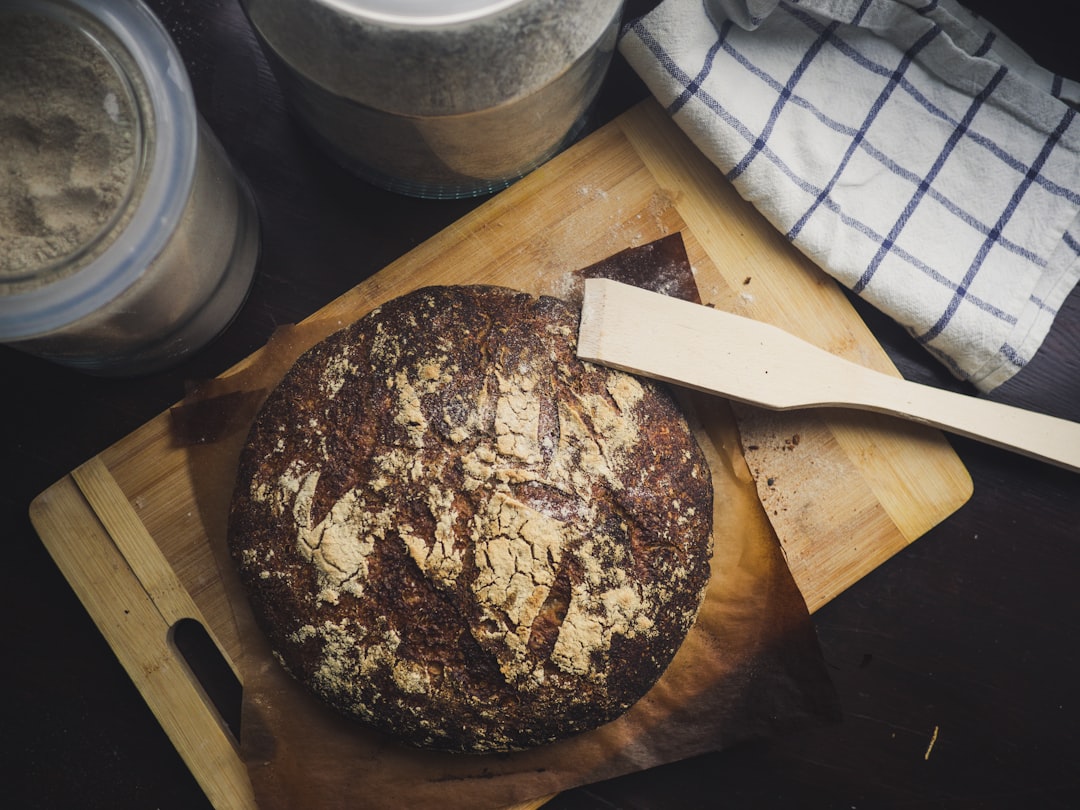
What’s Actually Happening in Your Jar (The Science You Need)
A sourdough starter is essentially a living ecosystem — wild yeast (Saccharomyces cerevisiae and its cousins) plus lactic acid bacteria (primarily Lactobacillus species) competing and cooperating in a flour-water slurry. The yeast produces CO₂ (those beloved bubbles) and alcohol, while the bacteria produce lactic and acetic acids (that’s your sour flavor).
Here’s the critical thing most beginner guides skip: temperature is not optional, it’s the engine. At 65°F (18°C), your starter may take 14+ days to become reliably active. At 75–80°F (24–27°C), you can have a genuinely active starter in 5–7 days. A drop of just 10°F can cut microbial activity roughly in half. This is why “Day 7: still nothing” is a wildly different situation depending on where you live and where your jar is sitting.
- Ideal temperature range: 75–80°F (24–27°C) for fastest, most reliable fermentation
- Flour type matters: Whole wheat or rye flour in early days dramatically speeds up colonization — they carry more wild yeast and bacteria on the bran
- Hydration ratio: Most beginners use 100% hydration (equal weights flour and water by grams, not cups)
- Chlorinated tap water: Can inhibit bacterial growth — filtered or room-temperature tap water left to off-gas for 30 minutes works fine
- Day 2–3 smell: Acetone or nail-polish remover is normal — that’s early acetobacter activity, not failure
- Discard ratio: Keeping only 20–50g of starter per feeding prevents acid buildup that kills off your desired microbes
The Day-by-Day Breakdown (With Real Failure Points)
Let me walk you through what a healthy starter actually looks like, day by day, because the guides that just say “feed it daily” are doing you a massive disservice.
Days 1–2: Mix 50g whole wheat flour + 50g room-temperature water in a clean jar. Stir vigorously (aeration helps early on). Cover loosely — not airtight. You might see tiny bubbles by Day 2, or nothing at all. Both are normal. The microbial community is still getting established.
Days 3–4: This is where people panic. The jar might smell funky (like gym socks or cheese), and you might see a layer of gray liquid on top — this is called “hooch,” which is alcoholic byproduct indicating the starter is hungry. This is not failure. Discard all but 20g, add 50g all-purpose flour + 50g water, stir well. The key error here: not discarding enough. If you feed without discarding, the acid load overwhelms the yeast.
Days 5–7: You should start seeing a consistent rise-and-fall pattern within 4–8 hours of feeding. Mark the side of your jar with a rubber band at peak rise. If it’s doubling in size within 6–8 hours at room temperature, you have an active starter. If not, check your temperature first — this is the #1 culprit in 2025 as more people bake in climate-controlled spaces that run cooler than expected.
What the Research and Baking Community Actually Say
The sourdough revival of the past few years has generated genuinely useful data. The Bread Lab at Washington State University has published research showing that local flour varieties carry distinctly different wild yeast populations — which is part of why San Francisco sourdough genuinely tastes different from a starter made in Portland. This isn’t marketing. It’s microbial terroir.
King Arthur Baking’s starter troubleshooting guide (one of the most-cited resources online) confirms that the single most common reason starters fail is temperature below 70°F combined with all-purpose flour in the first 3 days. Their recommendation: start with 50% whole wheat, 50% all-purpose, and graduate to all all-purpose once your starter is reliably active. That matches exactly what I’ve seen work consistently.
The Tartine Bread methodology by Chad Robertson takes a different angle — he uses a mature starter (levain) built fresh each baking day rather than maintaining a perpetual starter in the fridge. This approach minimizes the “forgot to feed it for two weeks” problem that kills most home bakers’ starters. It does require more planning, but the flavor results are noticeably more complex.
For those in the UK and Europe, Vanessa Kimbell’s Sourdough School curriculum emphasizes gut health benefits tied to long fermentation times (18–24 hours at cool temperatures) — the extended fermentation reduces phytic acid and increases bioavailability of minerals. So slower isn’t always worse; it depends on your goal.
Common Mistakes That Look Like Failure (But Aren’t)
Here’s my personal list of “oh no” moments that are actually fine:
- Pink or orange streaks: This IS a problem — contamination, start over with a clean jar
- Gray hooch layer: Hungry starter, stir it back in or pour it off, then feed — totally normal
- Smells like alcohol or acetone: Early stage, completely normal Days 2–4
- No activity after Day 7: Check temperature first, then switch to rye flour for one feeding
- Bubbles but no rise: Your starter may be active but your jar too wide — use a tall, narrow container
- Rise happens too fast (peaks in under 2 hours): Your environment is too warm, or you’re under-feeding — increase flour ratio
Keeping It Alive Long-Term Without Daily Maintenance
Once your starter is reliably active — doubling within 8 hours of feeding at room temperature — you have options. Most home bakers don’t bake every day, so the fridge becomes your best friend. Feed your starter, let it sit at room temperature for 1–2 hours (so fermentation gets a head start), then refrigerate. It’ll stay alive for 1–2 weeks without feeding.
When you’re ready to bake, pull it out 24 hours ahead, give it a feeding, and let it come to room temperature. By the time it peaks (usually 6–10 hours), it’s ready to use as levain in your recipe. This rhythm — bake every weekend, feed Thursday night — is sustainable for most people’s schedules in 2025 without the “I killed my starter again” guilt cycle.
For longer storage (vacation, etc.), you can dry your starter by spreading a thin layer on parchment, letting it dry completely, then crumbling it into flakes. These rehydrate reliably even after several months. I’ve successfully revived dried starter after four months away — it took two feedings over 48 hours, but it came back completely.
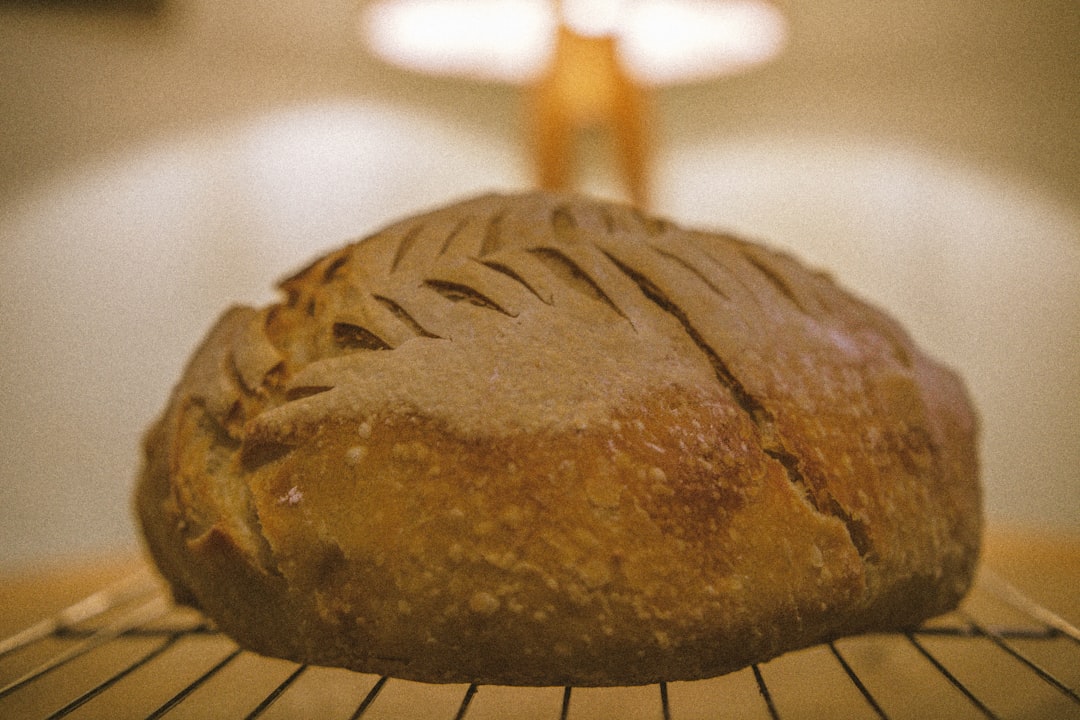
What Flour You Use Changes Everything
This deserves its own section because it’s so underemphasized. In 2025, we have more flour options available to home bakers than ever, and the differences are real:
- King Arthur Bread Flour (12.7% protein): Excellent structure, reliable — great for maintaining an established starter
- Bob’s Red Mill Dark Rye: Best accelerant for a sluggish starter — add 10–20g per feeding when troubleshooting
- Einkorn or spelt: Faster fermentation due to different gluten structure — reduce hydration by 10% or your dough will be unworkable
- Generic store-brand all-purpose: Lower protein (9–10%) means less structure — fine for flavor development, but mix with bread flour for baking
A Realistic Timeline for 2025 Beginners
If you’re starting today with whole wheat + all-purpose blend in a 75–78°F kitchen: expect a genuinely active, bakeable starter by Day 7–10. If your kitchen runs cooler (under 70°F), budget 12–16 days and consider placing your jar on top of the refrigerator, inside an oven with just the light on, or near (not on) a radiator.
Your first loaf probably won’t be perfect. Mine wasn’t. My friend’s won’t be either. But the starter itself? Once you understand that it’s a temperature-and-ratio problem more than a skill problem, it stops feeling like some mystical art and starts feeling like what it actually is — applied microbiology that smells delicious.
If sourdough still feels like too much of a commitment right now, a poolish or biga (pre-ferments using commercial yeast) will give you 70% of the flavor complexity with a fraction of the maintenance. Not a downgrade — just a different tool for a different situation.
💬 Have you had a starter rescue success story or a spectacular failure that taught you something? Drop it in the comments — the messy, real experiences are honestly the most useful thing we can share with each other.
📚 관련된 다른 글도 읽어 보세요
- 아무도 안 알려주는 진짜 문제 — 포터블 배터리 스테이션 사기 전에 제발 생각해보세요. 2026 기준
- Car Air Filter Replacement Cost & DIY Guide (2026): Save Up to $80 With These Simple Steps
- ECU 튜닝 직접 해봤다: 출력 +40마력 효과 실화? 부작용까지 솔직 후기 [2026 최신]
태그: []
Leave a Reply