A buddy of mine recently pulled up to a weekend car meet in his newly wrapped Hyundai Ioniq 6, and honestly, I had to do a double-take. Matte slate-blue finish, subtle aero lip kit, blacked-out trim — the whole package looked like something that rolled straight off a concept stage. That moment got me thinking: exterior tuning in 2026 has evolved in ways that would’ve seemed extreme just a few years ago. It’s not just about bolt-on parts anymore. It’s a full visual language.
So let’s dig into what’s actually trending, what the data says, and what styles are genuinely turning heads right now — whether you’re a weekend enthusiast or someone casually considering a first mod.
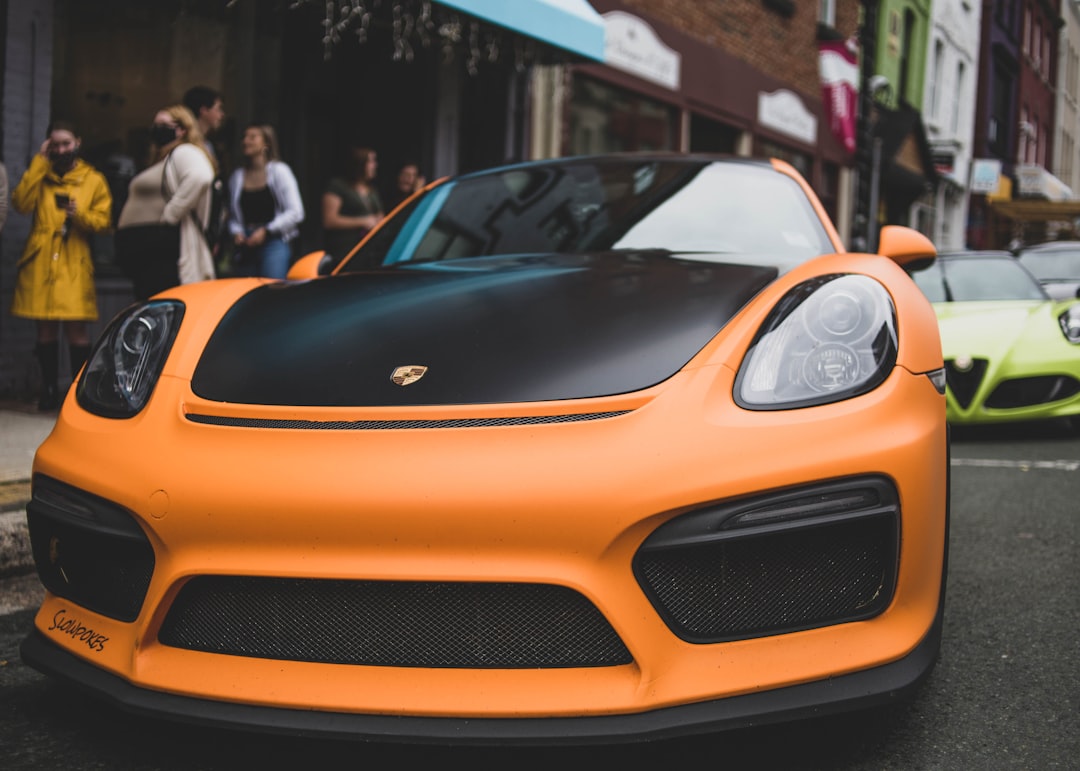
The Numbers Behind the Boom: Why Exterior Tuning Is Exploding in 2026
The global automotive aftermarket industry crossed the $500 billion USD mark in 2025 according to Grand View Research, and exterior customization accounts for a significant slice — estimated at around 22–25% of total aftermarket spending. In South Korea specifically (대한민국), the Ministry of Land, Infrastructure and Transport reported that registered tuning cases grew by over 34% year-over-year between 2024 and 2026, with visual/exterior modifications leading the category.
A huge driver? Social media. Instagram Reels and TikTok short-form content have turned car culture into a visual sport. Builds that photograph well go viral. That means exterior styling is now a primary motivation — not an afterthought.
Trend #1 — Wrap Culture Goes Mainstream (And Gets Smarter)
Vinyl wrapping is no longer niche. In 2026, full-body wraps have become as common as a respray, and the textures have gotten incredibly sophisticated. We’re seeing:
- Satin and matte finishes — still dominant, especially in earth tones, slate grays, and deep forest greens
- Color-shift/chameleon wraps — films that shift between two or three hues depending on the viewing angle (huge in the EV tuning scene)
- Brushed metal texture wraps — mimicking raw aluminum or carbon weave without the price tag of real carbon fiber
- Psychedelic and graphic wraps — full-body artistic designs, especially popular in Japan’s VIP and “itasha” culture crossing into global markets
- Self-healing PPF combos — Paint Protection Film with color tint, offering both style and protection in one layer
Brands like 3M, Avery Dennison, and KPMF have all expanded their 2026 wrap catalogs significantly, with Avery Dennison’s “Supreme Wrapping Film” line offering over 200 SKUs as of Q1 2026.
Trend #2 — Aero Kits for EVs: A Whole New Design Language
Here’s where things get genuinely interesting from an engineering standpoint. Traditional ICE (internal combustion engine) aero kits were often aesthetic-first — wide body kits, aggressive splitters, towering wings. But EV tuning culture has introduced a more functional philosophy. Because EVs are already aerodynamically optimized by OEMs (for range efficiency), any aftermarket aero kit for an EV has to actually work with the car’s intended airflow, not against it.
We’re seeing a boom in:
- Flush diffuser kits that clean up underbody airflow without disrupting thermal management systems
- Low-profile lip spoilers for EVs like the Tesla Model 3, BYD Seal, and Kia EV6 — subtle but functional
- Wide-body flares with functional venting — particularly popular on the Genesis GV60 and Hyundai Ioniq 5 N in Korea’s tuning scene
- Carbon fiber mirror caps and canards — lightweight and increasingly affordable due to improved manufacturing processes
Japanese tuner house TOM’S Racing and Korean outfit N Performance Accessories (Hyundai’s in-house tuning arm) have both released EV-specific aero lines in 2026, acknowledging this shift explicitly.
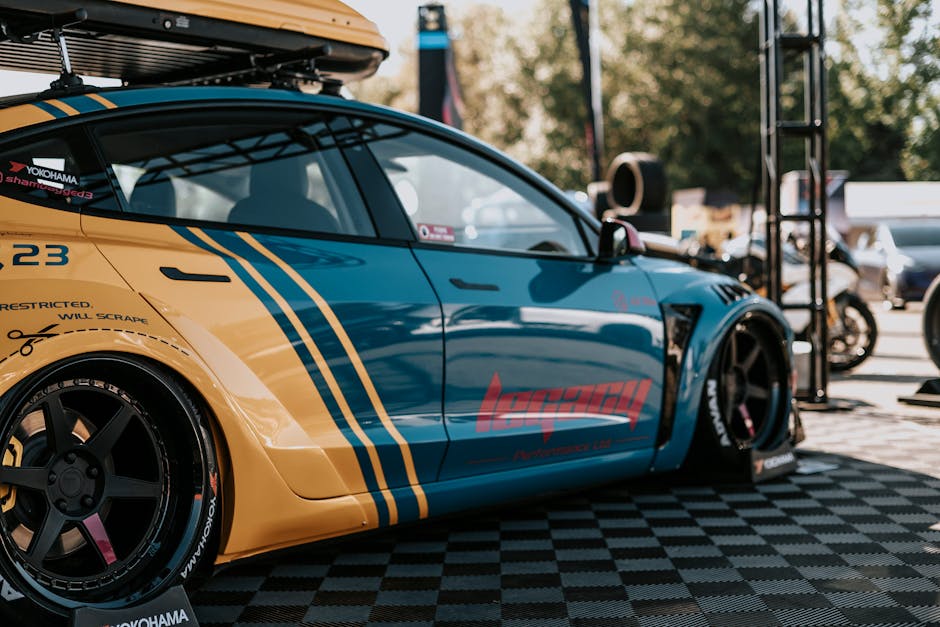
Trend #3 — Blacked-Out Everything… But Selectively
Full “murdered-out” builds (all-black everything) peaked a few years back. In 2026, the trend has matured into something more nuanced: selective blackout accents. Think gloss or satin black trim on pillars, grilles, mirror housings, and roof rails — combined with a contrasting body color rather than replacing it entirely.
This “two-tone blackout” style is particularly popular on SUVs and crossovers. The Ford Mustang Mach-E Black Package, BMW’s M Sport Shadow Edition, and Kia’s Sportage GT-Line all shipped from the factory in 2026 with this exact aesthetic, which tells you the OEMs are chasing the aftermarket trend rather than leading it.
Trend #4 — Retro Restoration Meets Modern Tuning (“Restomod” Goes Global)
One of the most culturally rich trends right now is the intersection of vintage aesthetics and contemporary technology. Restomod builds — classic car shells fitted with modern running gear and updated styling — have exploded globally. In the US, builders like ICON 4×4 and Ringbrothers have years-long waitlists. In Europe, companies like Lunaz Design are electrifying classic Rolls-Royces and Bentleys with premium paint and interior work.
In Korea, a quieter but growing scene around older Hyundai Pony and Daewoo Espero restomods has emerged, partly fueled by government cultural heritage interest in domestic automotive history. These builds typically feature:
- Period-correct body panels with subtle widening
- Modern flush wheels (often 18–19 inch with retro spoke designs)
- Monochrome or two-tone paint matching the original era palette
- Hidden EV or hybrid powertrains
- Frenched lighting (flush-mounted modern LEDs inside vintage housings)
Trend #5 — Ambient Exterior Lighting (Yes, Really)
Interior ambient lighting has been a standard luxury feature for years. In 2026, it’s creeping outside. LED underglow has always existed in the tuning world, but the new wave is far more refined: pixel-mapped LED arrays integrated into bumper diffusers, side skirts, and wheel arches. These are programmable via app and can pulse to music, display static colors, or even show simple animations.
This trend is most visible in the Japanese domestic market and is starting to spread to Korean street car culture. Brands like Oracle Lighting (US) and Govee Auto have released 2026 kits specifically designed to look OEM-integrated rather than aftermarket-tacky. Legality varies by region, so always check local road use regulations before installing.
What to Consider Before You Commit to a Build
- Resale value impact — Wraps are generally reversible and resale-friendly; permanent body modifications are not. Always think exit strategy.
- Warranty implications — In many markets (including Korea under the Motor Vehicle Management Act amendments of 2025), structural modifications require re-certification. Cosmetic mods like wraps and spoilers generally don’t.
- Quality of installation matters enormously — A $3,000 wrap installed by an amateur will look worse than a $1,200 wrap done by a certified installer. Research installer credentials first.
- Climate considerations — Certain wrap films degrade faster in high-UV or high-humidity climates. If you’re in Southeast Asia or the southern US, opt for UV-resistant films and ask specifically about fade warranties.
- Digital color simulation tools — Most reputable wrap shops now use software like Wrapmate or 3M Visualizer to preview your car in any color before committing. Use these.
If a full custom build feels too big a commitment right now, there are realistic stepping stones: start with a partial wrap on just the roof or hood, add a factory-style lip spoiler, or swap out your wheel center caps and trim rings. Small changes, done well, have outsized visual impact.
Editor’s Comment : After a decade of covering this space, what strikes me most about 2026’s tuning scene is how much the conversation has shifted from “more is more” to “intentional is better.” The builds turning the most heads aren’t the loudest — they’re the most considered. Whether you’re starting small with a satin black roof wrap or going all-in on a wide-body EV build, the common thread in every memorable car I’ve seen this year is clarity of vision. Know your aesthetic, do your research, and find craftspeople who respect both. The car you drive is a statement — make sure it’s saying what you actually mean.
📚 관련된 다른 글도 읽어 보세요
- 6개월 타고 직접 비교한 2026 SUV 신차 추천 순위 TOP 7: 이 차 빼고 사면 후회합니다
- EV vs Gas Car Maintenance Costs in 2026: The Real Numbers That Might Surprise You
- 2026 Electric Vehicle New Models: A Deep-Dive Performance Comparison You Actually Need
태그: []
Leave a Reply