A friend of mine — let’s call her Jiyeon — showed up at Incheon Airport Terminal 1 last spring, checked in her luggage, grabbed a coffee, and then casually pulled up her boarding pass only to realize her flight was departing from Terminal 2. It’s about a 15-minute shuttle ride between the two, and she made it with maybe four minutes to spare before gate closure. Heart pounding, shoes in hand, full sprint energy. Sound familiar? You’d be surprised how many people this happens to, even frequent flyers.
That story is exactly why I wanted to write this. Incheon Airport’s two-terminal layout sounds simple on paper, but the real-world logistics — especially if you’re connecting, picking someone up, or flying with a lesser-known carrier — can get genuinely confusing fast. Let’s break it all down so you’re not the next Jiyeon.
The Basic Split: Who Flies From Where?
First, the foundational question: why are there even two terminals? Terminal 2 (T2) opened in January 2018 specifically as a dedicated hub for the SkyTeam alliance and its key partners at Incheon. Terminal 1 (T1) handles everyone else — which is still the majority of airlines flying in and out of Korea.
Here’s a quick breakdown of the major carriers by terminal as of 2025:
- Terminal 2: Korean Air, Delta Air Lines, Air France, KLM, Xiamen Airlines, Garuda Indonesia, Czech Airlines (SkyTeam members + select partners)
- Terminal 1 (East Wing, Gates 1–50): Asiana Airlines, Singapore Airlines, Cathay Pacific, ANA, JAL, United, American, Lufthansa, Emirates, and most LCCs
- Terminal 1 (West Wing, Gates 101–132): Low-cost carriers including Jeju Air, Jin Air, Air Busan, T’way Air, Peach, and Scoot
The West Wing of T1 is a satellite concourse — you’ll need to take an internal automated people mover (APM) to get there after clearing security. Budget an extra 10–15 minutes if your gate starts with a 100-number.
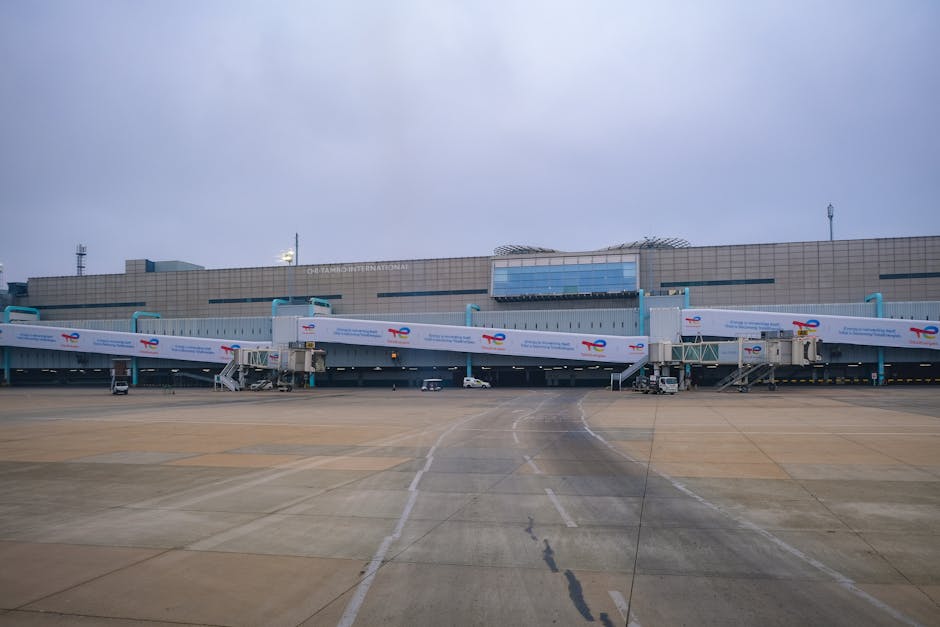
The Shuttle Bus: Your Lifeline Between Terminals
If you need to move between T1 and T2 — say, you’re dropping off a Korean Air passenger but flying out on Asiana yourself — the free inter-terminal shuttle is the way to go. Here’s what you need to know in 2025:
- Operating hours: 5:00 AM to 12:30 AM (next day), running every 5–8 minutes during peak hours
- Journey time: Approximately 15–18 minutes terminal to terminal
- Pick-up points: T1 Level 3 (Departure) Bus Stop 5 and 6 / T2 Level 3 (Departure) Bus Stop 4 and 5
- Cost: Free of charge for all passengers
- Night gap: Between 12:30 AM and 5:00 AM, the shuttle does NOT run — taxis are your only option, running roughly ₩5,000–₩8,000
One critical note: if you’ve already cleared immigration and security, you cannot simply hop on the shuttle. The airside transfer between T1 and T2 requires going through a dedicated Transfer Shuttle Bus checkpoint inside the secured zone — separate from the landside bus. Many people don’t know this distinction until they’re standing at the wrong bus stop in a panic.
Arrivals, Pickups, and the Parking Situation
Picking someone up? The two terminals have completely separate arrival halls. T1 arrivals are on Level 1 (Gates A through F), while T2 arrivals are also Level 1 but on the opposite end of the airport property. If you’re waiting at T1 and your person lands at T2, you’re looking at 20+ minutes of walking plus shuttle time — and that’s assuming you figure out the mistake quickly.
Pro tip that locals use but nobody puts in the guides: check the flight number prefix, not just the airline name. Korean Air’s codeshare flights operated by Delta still depart from T2. Conversely, some KE-coded flights on partner metal can occasionally move. Always verify terminal information on your actual boarding pass or via the Incheon Airport official website using your flight number the day before departure.
Parking is also split. T1 short-term parking (P1, P2) is right in front of the terminal. T2 has its own parking structure directly connected. If you park at T1 and need T2, you can take the shuttle — but that’s extra time with luggage. Some travelers park at the long-term lot (P3/P4 area) near the midpoint and shuttle to either terminal, which is actually a solid strategy for road-trippers dropping off multiple passengers at different terminals.
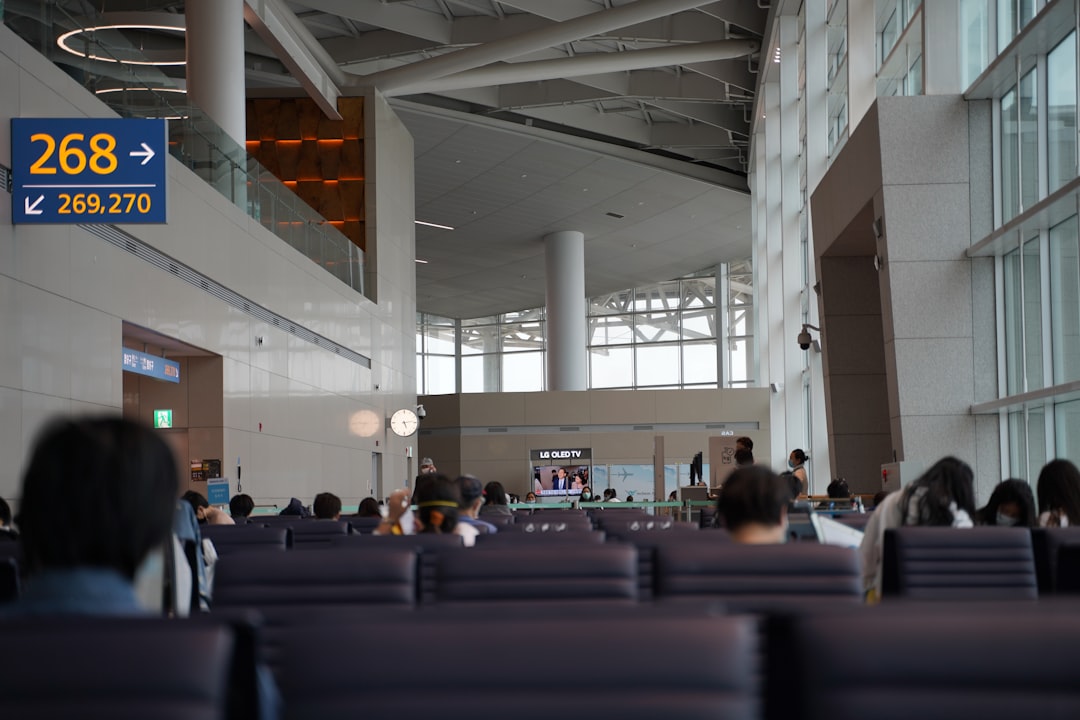
Dining, Lounges, and What’s Actually Worth Your Time Pre-Flight
Both terminals have strong F&B options, but they’re not equal. T2 was purpose-built with a more premium feel — it’s less crowded, the security lines are shorter on average, and the post-security lounge area has a notably calmer atmosphere. Korean Air’s flagship Prestige and First Class lounges are here, and for priority pass holders, the KAL lounge access through Priority Pass remains available for eligible cardholders in 2025 (verify your card’s specific terms before relying on this).
T1 is larger and busier, but it has more diversity in food options — everything from Bibigo and local Korean BBQ spots to international chains. The Asiana Business Lounge in T1 is generally well-regarded. If you have a 3+ hour layover in T1, the transit hotel (run by Walkerhill, located in the transit zone) offers rest rooms by the hour — something T2 currently lacks at the same scale.
The Mistake That Keeps Happening: Codeshare Confusion
Let me put a number to this. According to Incheon Airport’s own published passenger assistance data, terminal misdirection is consistently in the top 3 reasons passengers request urgent staff assistance at information desks. Codeshare flights are the primary culprit.
Here’s a real scenario: You book a flight through Expedia showing “operated by Korean Air” with an Air France flight number (AF 267, for example). You search AF 267 on a third-party tracker — it shows T1 because Air France’s main hub memory is cached there. But because KE is the operator and KE flies from T2, the physical gate is T2. You show up at T1. You’ve now lost 20 minutes minimum.
The fix is embarrassingly simple: always check terminal on the Incheon Airport website using the operating carrier’s flight number, not the marketing carrier’s. Bookmark airport.kr/ap/en/index.do on your phone right now.
Fast Summary: Decision Guide for Common Scenarios
- Flying Korean Air, Delta, Air France, or KLM? → Terminal 2. Full stop.
- Flying Asiana, Singapore, Cathay, Emirates, or any LCC? → Terminal 1. Check East vs West Wing by gate number.
- Connecting between two flights, unsure of terminal? → Ask the first airline’s gate agent before you clear immigration. They can confirm and sometimes arrange assistance.
- Dropping off passengers for different airlines at the same time? → Drop the T2 passenger first (less foot traffic), take the shuttle, then handle T1 departure.
- Arriving late at night (after midnight)? → No inter-terminal shuttle. Budget for a taxi or plan to arrive earlier.
The bottom line is this: Incheon is genuinely one of the best airports in the world — it’s been ranked #1 by Skytrax multiple times and consistently scores high on ACI’s Airport Service Quality rankings. But that excellence doesn’t make terminal confusion disappear. The airport’s scale is actually what makes the mistake so costly in terms of time.
If you’re traveling with family, connecting internationally, or using any codeshare itinerary in 2025, take five minutes the evening before your flight to confirm your terminal on the official site. That five minutes is the difference between a leisurely pre-flight meal and a full-sprint Jiyeon moment.
💬 Have you ever ended up at the wrong terminal at Incheon — or saved yourself just in time? Drop your story in the comments. The more people share these close calls, the better prepared future travelers will be.
📚 관련된 다른 글도 읽어 보세요
- Why I Stopped Buying Cheap Blankets — The Real Blanket Guide for 2025
- 어릴때 이것 키워주지 않으면 후회해도 소용없어요 — 2026년 기준 아이 영어 조기교육 진짜 해야 하나?
- 3D 프린터 사자마자 바로 출력해야 할 3가지 — 프린터 값 뽑는 출력물 Top3 (2026 기준)
태그: []
Leave a Reply