A friend of mine — let’s call him Dave — decided last spring that he was going to become a beekeeper. He watched maybe four YouTube videos, ordered a Langstroth hive kit online, and confidently installed his first package of bees on a breezy Saturday afternoon. By Tuesday, half the colony had absconded. By Thursday, the other half were dead. Dave lost about $400 and a fair amount of pride. Sound familiar? If you’re researching beekeeping right now, Dave’s story is exactly why you’re here — and honestly, it’s why I want to walk through this properly with you.
What Beekeeping Actually Involves (Before You Spend a Dime)
Beekeeping, or apiculture, is one of those hobbies that looks deceptively simple from the outside. You put bees in a box, they make honey, you harvest it. Right? Not quite. A single healthy colony can contain between 40,000 and 80,000 individual bees during peak summer, each playing a specific biological role. The queen lays up to 2,000 eggs per day. Worker bees live only 6 weeks in summer. Drones exist almost exclusively to fertilize queens. Managing this living superorganism requires understanding basic colony biology, seasonal rhythms, pest pressures (hello, Varroa destructor), and local forage availability.
The learning curve is real but absolutely manageable — especially if you understand the common failure points upfront instead of discovering them the expensive way.
Startup Costs: The Honest 2025 Breakdown
Before anything else, let’s talk numbers, because vague estimates are how people get surprised. Based on current market pricing in 2025, here’s a realistic first-year budget:
- Hive equipment (1 Langstroth 10-frame hive with 2 deep boxes, frames, foundation): $150–$250 depending on wood quality and brand. Mann Lake, Dadant, and Brushy Mountain are the major US suppliers worth knowing.
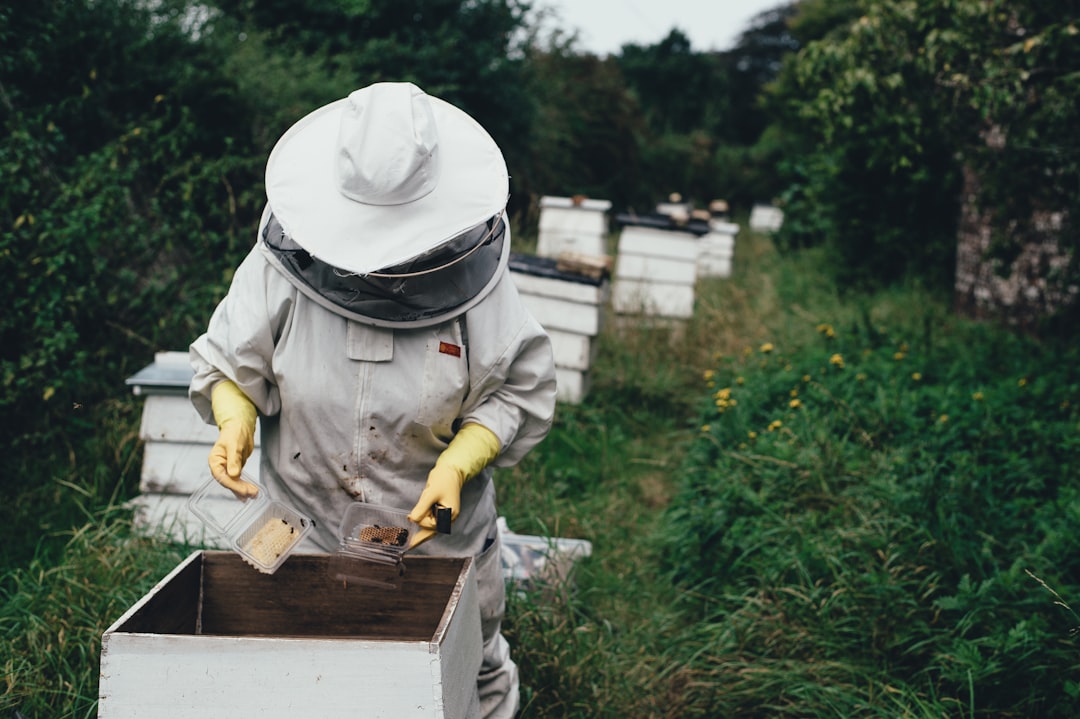
- Protective gear (full suit, gloves, veil): $60–$120. Don’t cheap out here. A sting to the face because your veil zipper failed is a special kind of misery.
- Smoker and hive tool: $30–$60 as a combo set. A $12 smoker will frustrate you. A decent stainless steel smoker with a heat shield is worth it.
- Bees — package bees (3 lbs with mated queen): $160–$200 in 2025. Prices have climbed steadily due to ongoing colony losses nationally.
- Varroa mite treatment (oxalic acid or Apivar strips): $25–$50 for a season’s supply. This is non-negotiable.
- Total first-year estimate: $425–$700, not including any honey extraction equipment.
Notice honey extraction isn’t in that list. In most cases, you will not harvest significant honey in year one — and you shouldn’t. Your first-year priority is building a strong, healthy colony that can survive winter. Treat year one as tuition, not income.
The Varroa Problem: Why Most Beginner Colonies Die
If you only learn one thing from this guide, make it this: Varroa destructor mites are the single biggest killer of managed honeybee colonies worldwide, and they will absolutely be in your hive. These parasitic mites attach to adult bees and developing brood, suppressing immune function and transmitting a cocktail of viruses — most critically Deformed Wing Virus (DWV). An untreated colony typically collapses within 2–3 years, often dramatically in late fall when the mite-to-bee ratio spikes.
The treatment protocol most recommended by extension apiarists in 2025 involves:
- Alcohol wash or sugar roll test: Check mite levels monthly. A count above 2 mites per 100 bees in summer, or 1 per 100 in fall, triggers treatment.
- Oxalic acid vaporization (OAV): Highly effective during broodless periods (winter or after a split). Requires a vaporizer ($80–$160) and a respirator rated for organic vapors. No shortcuts here — OA vapor is genuinely hazardous without proper PPE.
- Apivar strips (amitraz): A 6–8 week in-hive treatment effective during brood-rearing season. Simple to apply but requires rotating active ingredients to prevent resistance buildup.
Dave’s colony? He’d never heard of Varroa. His package bees came in already carrying a mite load, and without treatment, the colony was doomed before it really got started.
Choosing Your First Hive: Langstroth vs. Top Bar vs. Warre
The three main hive styles each have vocal advocates, so let’s be practical about it rather than tribal:
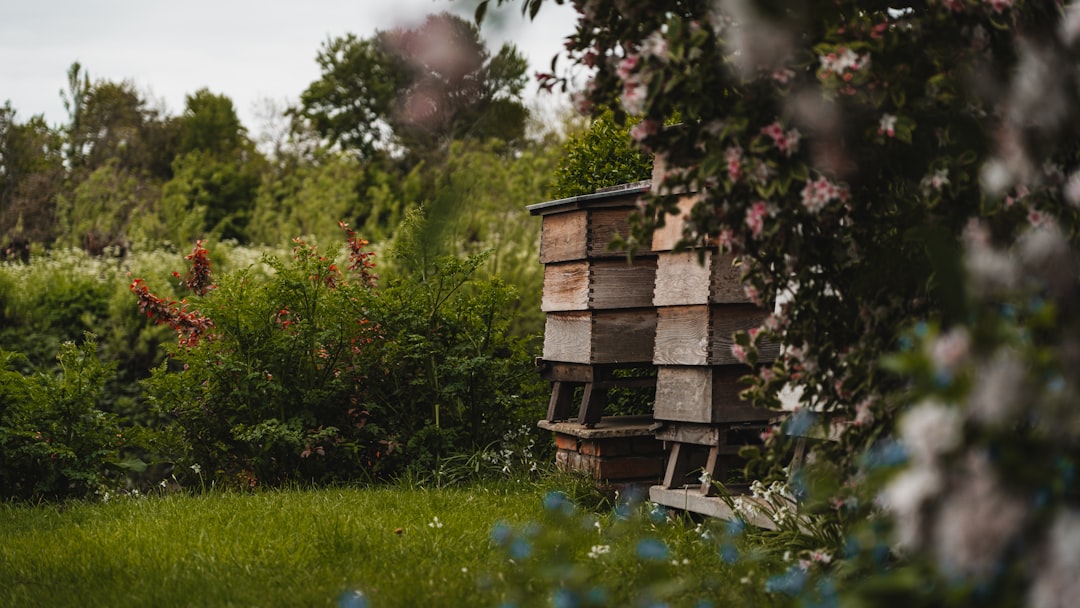
- Langstroth (10-frame or 8-frame): The industry standard in North America. Standardized parts, the widest availability of equipment and educational resources, and compatibility with professional beekeeping practices. The 8-frame version is lighter to lift — a real consideration once boxes are full of honey (a full 10-frame deep box weighs 80–90 lbs).
- Top Bar Hive (TBH): More natural comb building, lower cost to build DIY, easier on the back. However, comb is fragile, not compatible with commercial extractors, and management practices diverge significantly from mainstream advice. Harder to find local mentors who know it well.
- Warré Hive: Minimalist intervention philosophy, popular in Europe. Low cost but limited support network in the US. Best suited for people who prioritize “let the bees be bees” over honey production.
Recommendation: If your goal is learning sustainable beekeeping with access to the widest knowledge base, start with a Langstroth. If you’re a hands-off, low-intervention person with carpentry skills and no intention to harvest heavily, a top bar hive has genuine appeal.
The Local Bee Club: Your Most Underrated Resource
Nearly every region in the US, Canada, UK, and Australia has a local beekeeping association, and joining one before you buy anything is genuinely the best first move you can make. Why? Because local beekeepers know your specific forage landscape, your regional pest pressures, the best local suppliers, and — critically — which management approaches actually work in your climate versus what works in YouTube videos filmed in Georgia or New Zealand.
The American Beekeeping Federation (ABF) and Bee Informed Partnership both maintain resources to find local clubs. In the UK, the British Beekeepers Association (BBKA) runs a well-structured apprenticeship program. Many clubs offer mentorship matching, where an experienced beekeeper will walk you through your first season hands-on. This is worth more than any book.
Seasonal Management: What You Actually Do Month by Month
Beekeeping is profoundly seasonal, and the calendar looks very different depending on whether you’re in Minnesota or Mississippi. That said, here’s the general arc for temperate climates:
- Early Spring (Feb–March): Inspect for winter survival, assess stores, treat for Varroa if not done in fall, feed if necessary (2:1 sugar syrup or candy boards).
- Spring Build-Up (April–May): Colony expands rapidly. Add supers (honey storage boxes) as needed. Watch for swarm cells — a colony preparing to swarm can reduce your population by half.
- Summer (June–August): Peak nectar flow in most regions. Minimal intervention needed. Monitor mite levels. First-year beekeepers often harvest a small amount of honey in late summer if the colony is strong.
- Late Summer/Fall (Aug–Oct): Critical Varroa treatment window. Ensure adequate winter stores (60–80 lbs of honey equivalent for cold climates). Reduce entrance to deter robbing behavior.
- Winter (Nov–Feb): Minimal interference. Check for cluster activity on warm days. Add candy boards or fondant if stores are low.
Common Beginner Mistakes That Cost Real Money
Beyond the Varroa blind spot, here are the patterns that show up repeatedly among new beekeepers:
- Over-inspecting: Opening the hive every 3 days stresses the colony, drops the internal temperature, and disrupts the complex pheromone communication system inside. Once every 7–10 days during active season is plenty.
- Ignoring the entrance reducer: A small colony can’t defend a full-width entrance. Robbing — where stronger colonies from nearby steal your honey — can devastate a weak hive within hours.
- Buying bees without checking supplier reputation: Package bees from poorly managed commercial operations can arrive diseased or with a failing queen. Ask your local bee club for supplier recommendations specific to your region.
- Skipping the suit for “just a quick check”: This one is self-explanatory and universally regretted.
- Not having a second hive: Two hives give you a comparison point. If one hive seems off, you can assess whether it’s normal or a problem by comparing to the other. Many experienced beekeepers refuse to keep fewer than two for this reason.
Is Beekeeping Actually Profitable? The Honest Answer
Short answer: for most hobbyists, not really — and that’s okay. A productive backyard hive in a good forage year might yield 30–60 lbs of surplus honey. At $10–$15 per pound for quality local raw honey at farmers’ markets, that’s $300–$900 in potential gross revenue. Subtract your time, equipment amortization, and inputs like mite treatments and feed, and the math rarely looks impressive. Some small-scale producers do turn a modest profit selling at local markets, particularly if they also sell beeswax products (lip balm, candles), nucleus colonies (nucs), or offer pollination services to local farms and orchards. But the honest framing is: most people keep bees because it’s fascinating, genuinely beneficial to local ecosystems, and deeply satisfying — not because it pencils out as a business on a small scale.
Strong comment from the author: Beekeeping will test your patience, cost you more than you expected in year one, and sting you at the worst possible moments. But there’s also something genuinely remarkable about pulling a frame of capped honey out of a thriving hive you’ve managed through a full season — and knowing you kept 60,000 small creatures alive through winter. Dave, for what it’s worth, tried again the following spring. He joined his local bee club, got a mentor, treated for Varroa religiously, and is now heading into his third season with two healthy hives. The second attempt looked nothing like the first. Yours can too.
📚 관련된 다른 글도 읽어 보세요
- Why I Almost Gave Up on Fasting — Real Talk on Intermittent Fasting Results in 2025
- Why I Almost Missed My Flight Trusting Google Maps — Real 2025 Guide to Incheon Airport Terminal 1 vs Terminal 2
- 어릴 때 이것 키워주지 않으면 후회해도 소용없어요 — 2026년 기준 수학 사고력, 지금 안 잡으면 진짜 늦습니다
태그: []
Leave a Reply