Last spring, my neighbor Marcus finally pulled the trigger on a Tesla Model Y after years of deliberating. His biggest hesitation? He wasn’t sure if the savings were real or just marketing hype. Fast forward to today — he’s grinning every time gas prices tick upward. But here’s the thing: his coworker bought the same year’s Toyota Camry Hybrid and is also pretty smug about her fuel bills. So who’s actually winning the long game in 2026? Let’s dig into the numbers together and find out.
⚡ The 2026 Landscape: Why This Year Changes the Equation
The EV market in 2026 looks dramatically different from just a few years ago. Battery prices have fallen below the $90/kWh threshold — a milestone analysts long considered the tipping point for EVs to achieve true cost parity with internal combustion engine (ICE) vehicles at the point of purchase. Meanwhile, a second wave of affordable EV models from Hyundai, GM, and several Chinese-origin brands (now assembled domestically) has expanded buyer options significantly. On the flip side, ICE vehicle technology hasn’t stood still either — modern turbocharged engines and 48V mild-hybrid systems have pushed average fuel economy figures into the 35–45 MPG range for sedans.
💰 Purchase Price & Upfront Costs
Let’s be honest about the elephant in the room: sticker prices. In 2026, the entry-level EV segment (think Chevy Equinox EV, Hyundai Kona Electric, or the BYD Seagull U.S. variant) now starts around $28,000–$32,000 before incentives. With the renewed federal EV tax credit of up to $7,500 still in place for qualifying vehicles and buyers, effective entry prices can dip under $25,000. Comparable ICE vehicles in the compact to mid-size segment run $24,000–$30,000. So upfront, we’re looking at near-parity or even EV advantage territory — something that simply wasn’t true in 2022 or 2023.
⛽ Fuel vs. Electricity: The Monthly Cost Reality
This is where EVs have consistently shone, and 2026 is no exception. Here’s a quick breakdown based on average U.S. driving of 15,000 miles/year:
Average gas price (2026 U.S. national average): ~$3.85/gallon
EV efficiency (3.5 miles/kWh average): ~4,285 kWh/year
Home charging rate (avg. $0.16/kWh): ~$686/year in electricity
Annual fuel savings with EV: approximately $1,239/year
That’s a meaningful difference. Over five years, you’re looking at $6,195 in savings — and that’s before factoring in maintenance.
🔧 Maintenance Costs: The Underrated EV Advantage
Here’s where things get really interesting. EVs have roughly 20 moving parts in their drivetrain, compared to over 2,000 in a typical ICE engine. The practical result? No oil changes, no transmission fluid flushes, no spark plug replacements, and significantly reduced brake wear thanks to regenerative braking. Studies from AAA and Consumer Reports in early 2026 put average annual EV maintenance costs at $600–$800, versus $1,200–$1,500 for ICE vehicles. Over a 10-year ownership period, that’s a potential saving of $4,000–$7,000 in maintenance alone.
🌍 Real-World Examples: Domestic & International
South Korea: Hyundai’s IONIQ 6 remains one of the country’s best-selling vehicles in 2026. Korean EV owners benefit from a national charging infrastructure that’s expanded to over 200,000 public chargers, with off-peak home charging rates as low as ₩80/kWh (~$0.06/kWh). Seoul commuters report monthly energy costs of roughly ₩30,000–₩40,000 (~$22–$30) — a fraction of the ₩150,000+ ($110+) some gas car drivers spend monthly.
Norway: Still the global benchmark, with over 90% of new car sales being electric in 2026. Norwegian drivers enjoy government-subsidized charging rates and report total cost of ownership for EVs running approximately 30–35% lower than comparable ICE models over a 5-year period.
United States (Texas): An interesting counter-example — Texas’s deregulated energy market means electricity rates vary wildly. Some EV owners in Dallas pay over $0.22/kWh during peak hours, shrinking (but not eliminating) their fuel cost advantage. This highlights why your local electricity rate is crucial to your personal math.
📉 Depreciation & Resale Value: The Wild Card
This is where ICE vehicles still hold some ground — at least psychologically. EV resale values have historically been volatile, partly due to rapid battery technology improvements making older models feel outdated quickly. However, 2026 data shows the gap narrowing. Vehicles like the Ford F-150 Lightning and IONIQ 5 are now holding 45–52% of their value at 3 years, compared to the ICE segment average of 48–55%. Still slightly behind, but trending upward as buyer confidence in battery longevity grows.
🧮 5-Year Total Cost of Ownership (TCO) Estimate
Putting it all together for a mid-size sedan comparison (EV: ~$35,000 after incentives vs. ICE: ~$28,000):
EV advantage over 5 years: ~$2,195 — and that gap widens considerably over 8–10 years.
🤔 Realistic Alternatives: Who Should Choose What?
Here’s my honest take, because one size genuinely doesn’t fit all:
Go EV if: You have reliable home charging access, drive under 250 miles daily, live in an area with good public charging infrastructure, and plan to keep the vehicle 6+ years.
Consider a hybrid or PHEV if: You frequently take long road trips, live in an apartment without charging access, or your local electricity rates are above $0.20/kWh. A plug-in hybrid like the Toyota RAV4 Prime or Hyundai Tucson PHEV gives you flexibility without full EV commitment.
Stick with ICE if: You’re in a rural area with sparse charging infrastructure, drive extremely low annual mileage (under 8,000 miles/year), or your driving involves frequent towing or extreme climate conditions that significantly reduce EV range.
🔮 The Bottom Line for 2026
The math in 2026 has genuinely shifted. For most urban and suburban drivers who own their home (or have workplace charging), the EV proposition is no longer just environmentally motivated — it’s financially compelling over a 5+ year ownership horizon. The old arguments about EVs costing more to own are increasingly outdated. That said, the “best” choice remains deeply personal, tied to your geography, driving habits, and financial situation. The smartest move? Run your own numbers using your local electricity rate and realistic driving patterns before signing anything.
Editor’s Comment : What surprised me most while researching this piece is how quickly the narrative has flipped. Just three years ago, I was writing that EVs were close to cost parity. In 2026, for a growing majority of drivers, they’ve crossed it. The real wild card going forward isn’t technology — it’s infrastructure and electricity pricing policy. Keep an eye on both as you make your decision, and don’t let anyone rush you into a choice based on yesterday’s data.
태그: [‘electric vehicle cost 2026’, ‘EV vs ICE total cost of ownership’, ‘electric car maintenance savings’, ‘2026 car buying guide’, ‘EV vs gas car comparison’, ‘cost of owning electric vehicle’, ‘hybrid vs electric vs gas car’]
얼마 전 지인이 전기차를 살지, 아니면 익숙한 가솔린차를 유지할지 고민하다가 저한테 이런 말을 했어요. “충전비가 싸다고는 하는데, 막상 계산해 보면 그게 그거 아닌가요?” 솔직히 저도 처음엔 그렇게 생각했어요. 그런데 실제로 항목별로 뜯어보니 생각보다 차이가 꽤 크더라고요. 오늘은 2026년 현재 기준으로 전기차와 내연기관차(가솔린·디젤)의 유지비를 항목별로 비교해 보면서, 어떤 선택이 본인 라이프스타일에 맞는지 함께 고민해 보겠습니다.
※ 아래 수치는 2026년 4월 기준 국내 평균 데이터를 토대로 산출한 추정치입니다. 개인 주행 습관·거주 지역·차종에 따라 달라질 수 있어요.
① 연료비 / 충전비 — 가장 체감이 큰 항목
2026년 4월 현재, 국내 휘발유 평균 가격은 리터당 약 1,720원 수준입니다. 연비 12km/L인 준중형 가솔린 세단을 기준으로 월 1,500km를 주행한다면 연료비는 대략 월 215,000원이 나와요.
반면 같은 조건의 전기차(전비 6km/kWh 기준)는 완속 충전 단가 약 kWh당 280원(한국전력 기본형 요금제)을 적용하면 월 충전 비용이 약 70,000원 수준입니다. 급속 충전(환경부 충전 인프라 기준 kWh당 약 320원)을 섞어 쓴다 해도 월 85,000~100,000원을 넘기기 어렵다고 봅니다.
연간으로 환산하면 가솔린차 약 258만 원 vs 전기차 약 90~120만 원으로, 연료비 하나만 봐도 연간 130~170만 원 차이가 납니다.
② 보험료 — 전기차가 여전히 소폭 불리
전기차 보험료는 2026년에도 내연기관 대비 평균 10~18% 높은 수준을 유지하고 있어요. 이유는 복합적인데, 배터리 수리비가 여전히 고가이고, 사고 발생 시 부품 수급 기간이 길어 렌터카 비용(대차비)이 올라가기 때문입니다. 준중형 기준으로 연간 약 10만~20만 원 정도 전기차 쪽이 더 나온다고 봐야 해요.
③ 정비·소모품 비용 — 전기차가 구조적으로 유리
내연기관차의 정기 정비 항목을 떠올려 보면 엔진오일, 미션오일, 냉각수, 에어필터, 점화플러그 등 꽤 많죠. 전기차는 이 항목들이 구조적으로 존재하지 않아요. 실제로 현대·기아 공식 서비스 데이터에 따르면, 전기차의 연간 평균 정비비는 내연기관 대비 약 40~50% 낮다고 합니다. 가솔린차 연간 정비비 평균이 약 35만~50만 원이라면, 전기차는 18만~28만 원 수준으로 보시면 될 것 같습니다.
④ 세금·공과금 — 2026년 달라진 점
2026년부터 전기차 취득세 감면 혜택이 일부 축소되어 최대 90만 원 감면(기존 최대 140만 원)으로 조정됐어요. 다만 자동차세는 전기차가 여전히 배기량 기준이 아닌 정액 13만 원으로 고정되어 있어 가솔린 2,000cc 차량(연 52만 원 수준) 대비 훨씬 저렴합니다.
⑤ 항목별 연간 비용 요약 비교
연료비(연간): 가솔린차 약 258만 원 / 전기차 약 100~120만 원
자동차 보험료(연간): 가솔린차 약 80만 원 / 전기차 약 90~100만 원
정기 정비·소모품(연간): 가솔린차 약 40~50만 원 / 전기차 약 18~28만 원
자동차세(연간): 가솔린 2,000cc 약 52만 원 / 전기차 약 13만 원
연간 총 유지비 추정: 가솔린차 약 430~440만 원 / 전기차 약 221~261만 원
연간 절감 추정액: 전기차 사용 시 약 170~220만 원 절감 가능
국내외 실제 사례는 어떨까요?
노르웨이는 전기차 보급률이 이미 신차 판매 기준 90%를 넘어선 국가인데요, 현지 소비자 조사에 따르면 전기차 전환 후 월평균 유지비가 30~40% 감소했다는 응답이 지배적이에요. 물론 노르웨이는 전기 요금이 낮고 충전 인프라가 압도적으로 잘 갖춰져 있어 단순 비교에는 한계가 있습니다.
국내 사례로는 서울 거주 40대 직장인 A씨(테슬라 모델Y 롱레인지, 2년 운행 기준)의 경우, 이전에 몰던 쏘나타 가솔린 대비 연간 유지비가 약 180만 원 절감됐다고 공개했어요. 다만 아파트 단지 내 완속 충전기를 사용할 수 있는 환경이 전제됐기 때문에, 외부 급속 충전에 의존해야 하는 분들은 절감 폭이 줄어들 수 있다는 점도 꼭 감안해야 합니다.
반면 지방 거주자나 장거리 출장이 잦은 분들 사이에서는 여전히 내연기관에 대한 선호가 유지되고 있어요. 충전 인프라 밀도가 수도권에 집중되어 있고, 급속 충전 대기 시간이 피크 타임에 30분 이상 걸리는 경우도 빈번하기 때문이에요.
그래서 어떤 선택이 맞을까요? — 현실적인 기준 제안
단순히 “전기차가 무조건 싸다”거나 “내연기관이 아직 낫다”고 단정하기보다는, 본인의 주행 패턴과 생활 환경을 먼저 점검하는 것이 순서라고 봅니다.
전기차가 유리한 경우: 아파트 완속 충전기 이용 가능 / 월 주행 거리 1,000km 이상 / 주로 시내 주행 / 장기 보유(5년 이상) 계획
내연기관이 현실적인 경우: 충전 인프라 접근이 어려운 지역 / 장거리·고속도로 주행 비중이 높음 / 초기 구매 비용 부담이 클 때 / 중고 잔존가치를 중시하는 경우
중간 대안: 플러그인 하이브리드(PHEV)는 단거리는 전기, 장거리는 내연기관으로 운행해 두 약점을 보완하는 선택지로 2026년에도 꾸준한 수요를 유지하고 있어요.
배터리 기술이 빠르게 발전하고 충전 인프라가 확충되는 추세를 고려하면, 장기적으로는 전기차의 경제적 우위가 더 뚜렷해질 가능성이 높다고 봅니다. 다만 지금 당장은 “내 환경에서 충전이 얼마나 편리한가”가 전기차 선택의 핵심 변수라는 점을 잊지 않으셨으면 해요.
에디터 코멘트 : 유지비 절감만 보면 전기차가 수치상으로 확실히 유리합니다. 하지만 숫자 뒤에 있는 ‘충전 접근성’과 ‘생활 패턴’이라는 변수를 무시하면 후회하기 쉬워요. 구매 전에 딱 한 가지만 확인해 보세요 — “나는 집이나 직장에서 충전할 수 있는가?” 이 질문에 자신 있게 “예스”라고 답할 수 있다면, 전기차는 충분히 현명한 선택이라고 봅니다.
A friend of mine dropped nearly $3,000 on a “performance package” for his turbocharged sedan last year. The shop promised him 80 extra horsepower, sharper throttle response, and better fuel economy — all at once. What he actually got? A check engine light that wouldn’t quit, a voided warranty, and maybe 20 real-world horsepower gains on a good day. Sound familiar? ECU tuning is one of those topics where the hype almost always outruns the reality, but that doesn’t mean it’s not worth exploring. Let’s think through this together — carefully.
What Exactly Is ECU Tuning?
Your car’s Engine Control Unit (ECU) is essentially the brain of your vehicle. It governs everything from fuel injection timing and air-fuel ratios to ignition advance, boost pressure (on turbocharged cars), and rev limiters. From the factory, manufacturers deliberately detune these parameters to satisfy emissions regulations, accommodate varying fuel grades across global markets, ensure long-term reliability under worst-case conditions, and create price differentiation between trim levels.
ECU tuning — sometimes called remapping or flashing — involves rewriting these factory parameters to unlock performance that’s already physically built into the engine hardware. That’s the key insight: you’re not adding power that wasn’t there; you’re accessing performance the manufacturer deliberately held back.
The Real Numbers: What Performance Gains Are Realistic?
Let’s get specific, because this is where a lot of misinformation lives. Based on dyno testing data aggregated from tuning workshops across Europe, North America, and South Korea in 2026, here’s what you can realistically expect:
Naturally Aspirated (NA) Engines: Gains of 5–15 horsepower (roughly 3–8% improvement). The ceiling is low because there’s no boost pressure to manipulate. You’re essentially optimizing ignition timing and fuel mapping.
Turbocharged Petrol Engines: This is the sweet spot. Gains of 20–40% are genuinely achievable. A Stage 1 remap on a 2.0T engine producing 200 hp can reliably reach 260–270 hp without hardware changes.
Diesel Engines: Arguably the best value proposition. Diesel ECU remaps routinely deliver 25–35% torque increases alongside 8–12% fuel economy improvements, because diesel engines are massively undertuned from the factory for longevity reasons.
Hybrid/EV Systems: ECU tuning here is still nascent in 2026, with most gains coming from throttle mapping and regenerative braking calibration rather than raw power — typically 5–10% responsiveness improvement.
Tuning Stages Explained: Stage 1, 2, and 3
The “stage” system is the industry’s way of categorizing how aggressively a tune is paired with supporting hardware modifications:
Stage 1: Software-only remap. No hardware changes required. Best bang-for-buck entry point. Typically costs $400–$900 USD depending on the platform.
Stage 2: Requires supporting mods — upgraded intercooler, downpipe (often catless or high-flow), and intake. Remap is then calibrated for these parts. Costs rise to $1,500–$3,000 including parts.
Stage 3: Full builds — bigger turbochargers, fueling system upgrades, forged internals. This is motorsport territory. Costs $5,000–$20,000+. Not a weekend decision.
Domestic & International Examples Worth Knowing
In South Korea, where the domestic tuning scene has matured significantly by 2026 thanks to relaxed aftermarket regulations, Hyundai’s N-series vehicles (the i30 N and Elantra N in particular) have become a darling platform for Stage 1 remaps. Korean tuning specialists like MotorTek Seoul and Ntech Performance are producing dyno-verified 320+ hp results from the stock 2.0T N engine, up from the factory 276 hp figure — using nothing but a software flash.
Internationally, Germany’s APR and COBB Tuning (USA) remain gold standards for Volkswagen Group and Subaru/Ford platforms respectively. APR’s Stage 1 tune for the EA888 Gen 4 engine (found in 2025–2026 Golf GTI and A3 models) consistently adds 60–70 hp on 93 octane fuel, verified across hundreds of independent dyno sessions. In the UK, Revo and Quantum Tuning have built reputations around diesel remaps for commercial fleets — businesses are saving measurable fuel costs at scale.
The Risks You Genuinely Need to Weigh
Here’s where we need to be honest rather than just enthusiastic:
Warranty voiding: In most markets including the US and Korea, ECU remapping voids your powertrain warranty. Some tuners offer “OEM reflash” features to temporarily restore stock maps for dealer visits, but this is a gray area.
Engine longevity: A properly done Stage 1 tune on a well-maintained engine should not significantly reduce engine life. A rushed, aggressive tune pushing components beyond their thermal or mechanical limits absolutely will.
Fuel requirements: Many performance maps require premium 95–98 RON fuel. Running lower octane fuel on a performance map risks knock damage.
Emission compliance: In jurisdictions with periodic emissions testing (California, EU member states, Korea’s 자동차 정기검사), remapped vehicles may fail inspection.
Tuner quality variance: The skill gap between excellent and mediocre tuners is enormous. A bad map can destroy an engine in weeks.
Realistic Alternatives If Full ECU Tuning Feels Like Too Much
Not everyone needs to go all-in immediately. Here are genuinely effective alternatives worth considering first:
Throttle Response Controllers: Devices like the Pedal Commander or Sprint Booster don’t add power — they remap throttle pedal sensitivity. Cost: $150–$300. Easily reversible. Great for drivers who just want a snappier feel.
Cold Air Intakes + Exhaust Upgrades: On naturally aspirated engines, proper breathing mods alongside a retune yield better results than either alone. Spend the intake/exhaust budget first if you’re planning a tune anyway.
Professional Maintenance Optimization: Surprisingly, many “sluggish” cars simply need fresh spark plugs, a clean throttle body, and proper fuel injector service. A $200 maintenance session has “unlocked” seemingly lost performance for countless drivers.
Manufacturer Performance Packages: By 2026, brands like BMW, Mercedes-AMG, and Hyundai N offer over-the-air (OTA) performance unlocks for a subscription or one-time fee — legally, with warranty intact. BMW’s “M Performance Unlock” for certain 3 Series models is a prime example.
How to Choose a Tuner You Can Actually Trust
If you’ve decided tuning is right for your situation, the tuner selection process is arguably more important than the tune itself. Look for: a physical dyno facility (not just a laptop plug-in operation), platform-specific experience, a willingness to show you real before/after dyno sheets from your exact car model, and genuine customer references. Avoid anyone who promises eye-popping numbers without asking about your fuel, current modification list, and maintenance history. A good tuner asks more questions than they answer upfront — that’s a green flag.
ECU tuning, done thoughtfully and with the right professional, is one of the highest-value performance modifications available in 2026. But it rewards research and patience far more than impulsiveness. Know your platform, know your goals, and know your tuner.
Editor’s Comment : After spending years testing performance modifications across dozens of platforms, my honest take is this — ECU tuning is genuinely remarkable technology when applied correctly, but the industry’s biggest problem is still the gap between what’s marketed and what’s delivered. If you’re considering a remap, budget 20% of your tuning cost for independent dyno verification after the tune is complete. That single habit will protect you from 90% of the bad experiences people complain about online. Tune smart, not just fast.
지인 중에 같은 차종을 타는 두 사람이 있었어요. 한 명은 출고 그대로, 다른 한 명은 ECU 튜닝을 한 상태였는데, 고속도로에서 나란히 달리면 체감 차이가 꽤 났다고 하더라고요. 마력 수치는 종이 위의 숫자처럼 느껴지지만, 실제로 가속 페달을 밟았을 때의 반응 속도와 토크감은 전혀 다른 차를 모는 느낌이라고 했습니다. 그때부터 ECU 튜닝이라는 세계가 궁금해졌어요. 도대체 어떤 원리로 차 한 대를 바꿔놓는 건지, 그리고 정말 안전하고 합법적인 방법은 무엇인지 함께 파고들어 보겠습니다.
ECU 튜닝이란 무엇인가? 개념부터 짚고 가요
ECU(Engine Control Unit)는 쉽게 말해 자동차의 두뇌라고 볼 수 있어요. 연료 분사량, 점화 시기, 부스트 압력(터보 차량의 경우), 변속 타이밍 등 엔진 운용에 관한 수백 가지 변수를 실시간으로 제어하는 전자 제어 장치입니다. 완성차 메이커는 출고 시 ECU에 특정 ‘맵(Map)’을 입력해 두는데, 이 맵은 전 세계 다양한 연료 품질, 기후 조건, 법규, 내구성 마진을 모두 고려한 ‘평균값’에 가까운 셋업이라고 볼 수 있어요.
ECU 튜닝(또는 리맵핑, Remapping)은 이 기본 맵을 수정하거나 교체해서 엔진이 가진 잠재적 성능을 더 끌어내는 작업입니다. 출고 상태가 ‘안전 마진을 크게 잡은 보수적인 셋업’이기 때문에, 올바른 방식으로 접근하면 엔진에 무리를 주지 않으면서도 성능 향상을 노릴 수 있다는 것이 이 분야의 핵심 논리라고 봅니다.
본론 1 | 수치로 보는 ECU 튜닝 성능 향상 효과
① 자연흡기(NA) 엔진의 경우
자연흡기 엔진은 터보 같은 강제 흡기 장치가 없기 때문에 ECU 튜닝만으로 끌어낼 수 있는 폭이 상대적으로 제한적입니다. 일반적으로 최대 출력 기준 5~10% 내외의 향상을 기대할 수 있는 수준이에요. 예를 들어 150마력 자연흡기 엔진이라면 튜닝 후 157~165마력 정도의 수치를 보이는 경우가 많고, 더 체감하기 쉬운 건 저·중속 토크 응답성이 살아나는 부분입니다. 점화 시기를 최적화하고 연료 맵을 정밀하게 조정하면 가속 페달을 밟았을 때의 ‘즉각적인 반응’ 자체가 달라집니다.
② 터보 엔진의 경우 (가장 효과가 큰 영역)
ECU 튜닝의 진가는 터보차저 장착 차량에서 가장 두드러집니다. 부스트 압력 제어, 연료 분사 타이밍, 인터쿨러 효율 등 조절 가능한 변수가 훨씬 많기 때문이에요. 구체적인 수치를 보면 다음과 같습니다.
출력 향상폭: 소프트웨어 리맵핑만으로도 최대 출력 기준 15~30% 향상이 가능한 경우가 많아요. 예를 들어 현대 i30 N(출고 280마력)의 경우, 튜닝 전문점에서 Stage 1 리맵 후 320~335마력 수준으로 끌어올리는 사례가 국내에서도 꽤 보고되고 있습니다.
토크 향상폭: 출력보다 더 극적으로 변하는 게 토크예요. 같은 i30 N 기준으로 출고 토크 39.0 kgf·m에서 리맵 후 45 kgf·m 이상을 기록한 사례도 있고, 이 차이는 실제 주행에서 체감이 매우 큽니다.
디젤 터보의 경우: 디젤 엔진은 ECU 튜닝 효과가 특히 크기로 유명해요. 기아 스포티지 디젤 2.0 기준으로 출고 186마력에서 Stage 1 리맵 후 220~235마력, 토크는 41 kgf·m에서 50 kgf·m 수준까지 상승하는 경우도 있습니다.
연비 개선 효과: 성능만 올라가는 게 아니에요. 연료 맵 최적화를 통해 동일 조건에서 5~10%의 연비 개선을 보고하는 사례도 있는데, 이는 불완전연소를 줄이고 연소 효율을 높이는 방향으로 맵을 수정하기 때문입니다.
③ Stage별 튜닝 단계 이해
ECU 튜닝은 보통 Stage로 나뉘어요. Stage 1은 하드웨어 교체 없이 소프트웨어 리맵핑만 진행하는 단계로, 가장 접근하기 쉽고 부작용이 적습니다. Stage 2부터는 흡배기 시스템 교체, 인터쿨러 업그레이드 등 하드웨어 변경을 수반하며, Stage 3 이상은 터빈 교체와 연료 시스템 강화 등 대규모 개조를 포함합니다. 일반 도로 주행이 목적이라면 Stage 1이 가장 현실적인 선택이라고 봅니다.
본론 2 | 국내외 ECU 튜닝 사례와 트렌드
해외 사례: OEM+ 개념의 부상
유럽에서는 ‘OEM+ 튜닝’이라는 개념이 2020년대 중반부터 대세로 자리잡았습니다. 제조사가 의도한 범위 내에서 최대 효율을 이끌어내되, 차량의 내구성과 안전성을 해치지 않는 방향의 리맵핑이에요. 독일의 Revo Technik, 영국의 Superchips 같은 업체들은 특정 차종에 대해 수만 km에 달하는 내구 테스트를 거친 맵 데이터를 판매하고 있어요. Volkswagen Golf GTI(Mk8 기준)의 경우, 출고 245마력에서 Revo Stage 1 맵 적용 후 290마력, 토크는 37 kgf·m에서 45 kgf·m로 올라가는 것이 업체 공식 데이터입니다.
국내 사례: 전문 튜닝숍의 성장
국내에서는 2026년 현재 ECU 튜닝 시장이 꽤 성숙해졌습니다. 과거엔 해외 원정 튜닝이 많았지만, 이제는 국내 전문 숍에서도 해외 유명 튜닝 브랜드의 공식 딜러 자격을 갖추고 데이터 로거와 다이나모미터(Dyno)를 보유해 실측 기반으로 작업하는 곳들이 늘었어요. 특히 현대·기아차의 고성능 라인업(아이오닉 5 N, EV6 GT, i30 N 등)에 대한 튜닝 수요가 눈에 띄게 증가한 상황이라고 봅니다.
전기차 ECU 튜닝: 새로운 영역의 등장
흥미로운 흐름은 전기차 쪽이에요. 아이오닉 5 N이나 EV6 GT 같은 고성능 전기차도 출력 제한이 소프트웨어 레벨에서 이루어지기 때문에, 이론적으로는 리맵핑이 가능합니다. 실제로 해외에서 몇몇 튜닝 업체들이 전기차용 제어 모듈 수정 시도를 진행 중이에요. 다만 배터리 열 관리 시스템과의 연동 문제, 배터리 수명에 대한 영향 등 아직 검증이 부족한 부분이 많아 국내외 모두 신중한 접근이 필요한 단계라고 봅니다.
ECU 튜닝 시 반드시 알아야 할 주의사항
보증 문제: 제조사 공식 보증(워런티)이 무효화될 수 있어요. 특히 파워트레인 관련 보증에 영향을 미치는 경우가 많습니다. 최근에는 ECU 보정 여부를 탐지하는 제조사 딜러 장비도 발전해 있어서, 이 점은 반드시 감수해야 하는 부분입니다.
자동차관리법 관련 사항: 국내에서 ECU 튜닝은 제도적으로 회색지대에 놓여 있는 영역이에요. 엔진 출력을 크게 변경하는 경우 구조·장치 변경 승인 절차가 필요할 수 있으며, 배출가스 기준을 초과하면 법적 문제가 생길 수 있습니다.
연료 품질: 고부스트 압력으로 세팅된 맵은 고품질 연료를 요구하는 경우가 있어요. 국내 일반 휘발유(옥탄가 95)와 고급 휘발유(옥탄가 98~100)의 차이가 실제 출력과 노킹(Knocking) 방지에 영향을 줄 수 있습니다.
전문 숍 선택: 다이나모미터를 보유하고 실측 기반으로 작업하는 곳, 그리고 에어-퓨얼 레이시오(AFR, Air-Fuel Ratio) 모니터링 장비를 갖춘 숍을 선택하는 것이 중요합니다. 가격만 보고 결정하면 오히려 엔진 수명을 갉아먹는 세팅이 나올 수 있어요.
냉각 시스템 점검: 출력이 올라가면 엔진과 변속기에서 발생하는 열도 함께 올라갑니다. 튜닝 전에 냉각수 상태, 냉각 팬, 오일 쿨러 상태를 점검하는 것을 권장합니다.
결론 | 현실적인 접근법을 찾아봅시다
ECU 튜닝은 분명 매력적인 선택지예요. 비교적 합리적인 비용으로 차량의 잠재력을 끌어낼 수 있고, 잘 된 튜닝은 오히려 엔진 효율
Let me paint you a picture. It’s a rainy Tuesday morning, you’re on the highway, and the car in front of you suddenly brakes hard. Your foot slams the pedal — and what happens next depends almost entirely on something most drivers never think about: your brake pads. I learned this the hard way after upgrading from a stock sedan to a used sports coupe, only to discover the previous owner had installed budget organic pads on a car that desperately needed something more aggressive. The stopping distance difference was… humbling.
So today, let’s actually dig into brake pad types — not just the surface-level stuff, but the real trade-offs that matter for your driving style, your car, and your wallet in 2026.
🔩 The Four Main Brake Pad Types: What’s Actually Inside?
Brake pads aren’t just rubber blocks. They’re engineered composites, and the material blend changes everything about how they perform. Here’s the breakdown:
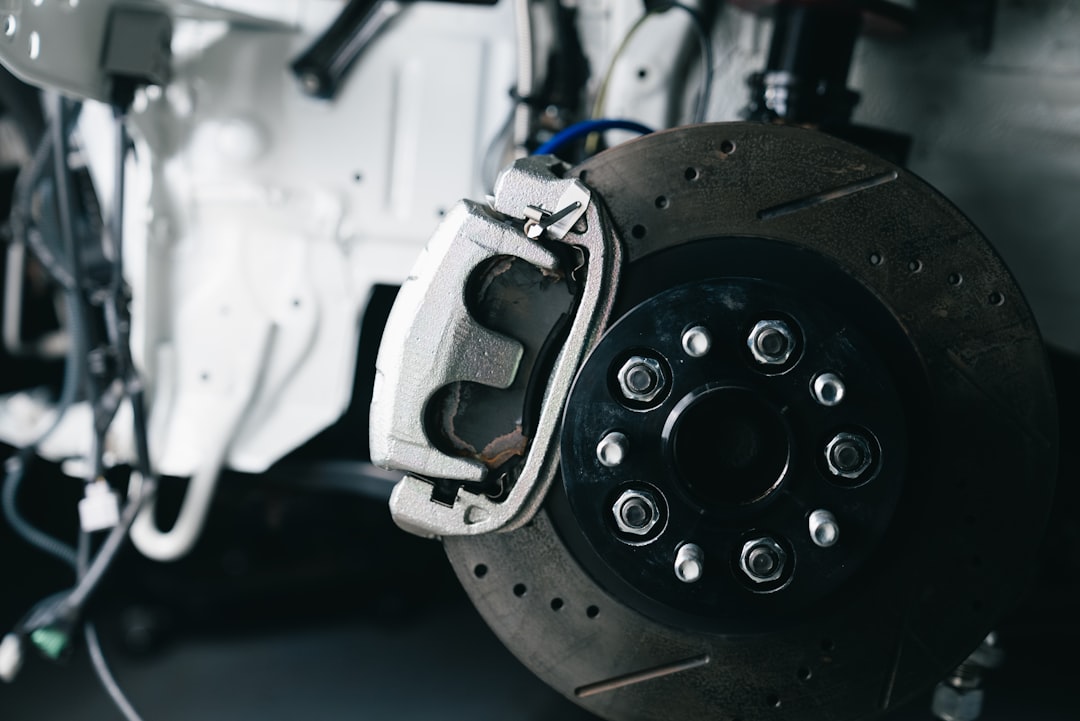
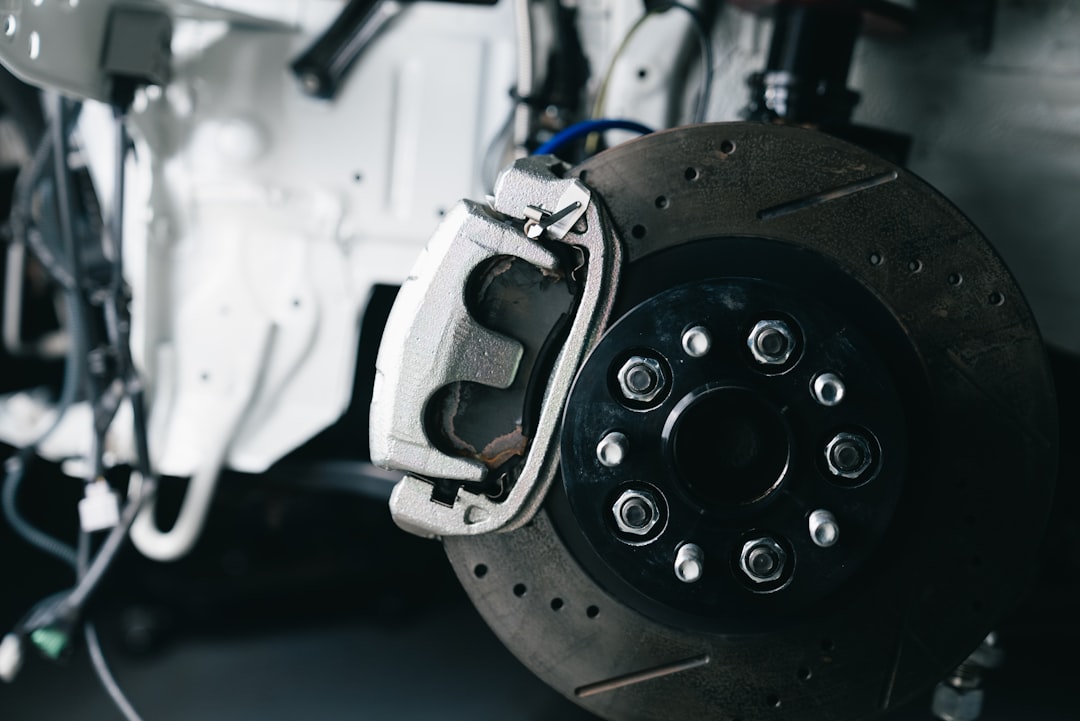
Organic (NAO — Non-Asbestos Organic): Made from materials like rubber, Kevlar, and resin. Super quiet, gentle on rotors, but wear out faster and fade under heat. Perfect for light commuters driving under 15,000 km/year.
Semi-Metallic: Blends metal shavings (steel, iron, copper) with organic binders. Great heat transfer, excellent bite, but noisier and harder on rotors. The sweet spot for most everyday performance drivers.
Ceramic: Compressed ceramic fibers with filler materials. Low dust, whisper-quiet, stable across wide temperature ranges. Premium cost ($80–$180 per axle), but long lifespan — often 70,000–100,000 km.
Full Metallic (Sintered): Nearly 100% metal. Built for track use, race cars, motorcycles in extreme conditions. They need serious heat to activate — cold performance is actually poor, making them a bad daily driver choice.
📊 Performance Data: How Do They Actually Stack Up?
Let’s talk numbers, because feelings don’t stop cars — friction does. Based on independent testing data compiled from sources including Consumer Reports 2026 automotive benchmarks and EuroNCAP braking trials:
Stopping distance from 100 km/h (cold brake): Ceramic: ~36m | Semi-metallic: ~37m | Organic: ~40m | Full metallic: ~45m (cold!)
Stopping distance from 100 km/h (hot brake, after 10 consecutive stops): Ceramic: ~38m | Semi-metallic: ~37m | Organic: ~52m (severe fade!) | Full metallic: ~33m
Noise level (dB at 30 km/h): Organic: 52dB | Ceramic: 54dB | Semi-metallic: 63dB | Full metallic: 71dB
The takeaway? Organic pads look great until heat enters the equation — that fade from 40m to 52m under repeated braking is genuinely dangerous in mountain driving or emergency situations.
🌍 Real-World Examples: What Drivers Around the World Are Choosing in 2026
In South Korea, brands like ССОТТ (Ssangyong OEM suppliers) and aftermarket players like Akebono (originally Japanese, now globally manufactured) dominate the ceramic mid-range segment. Korean highway driving conditions — long tunnels, mountainous expressways like the Jungbu Naeryuk Expressway — actually make ceramic pads a particularly smart choice for domestic drivers.
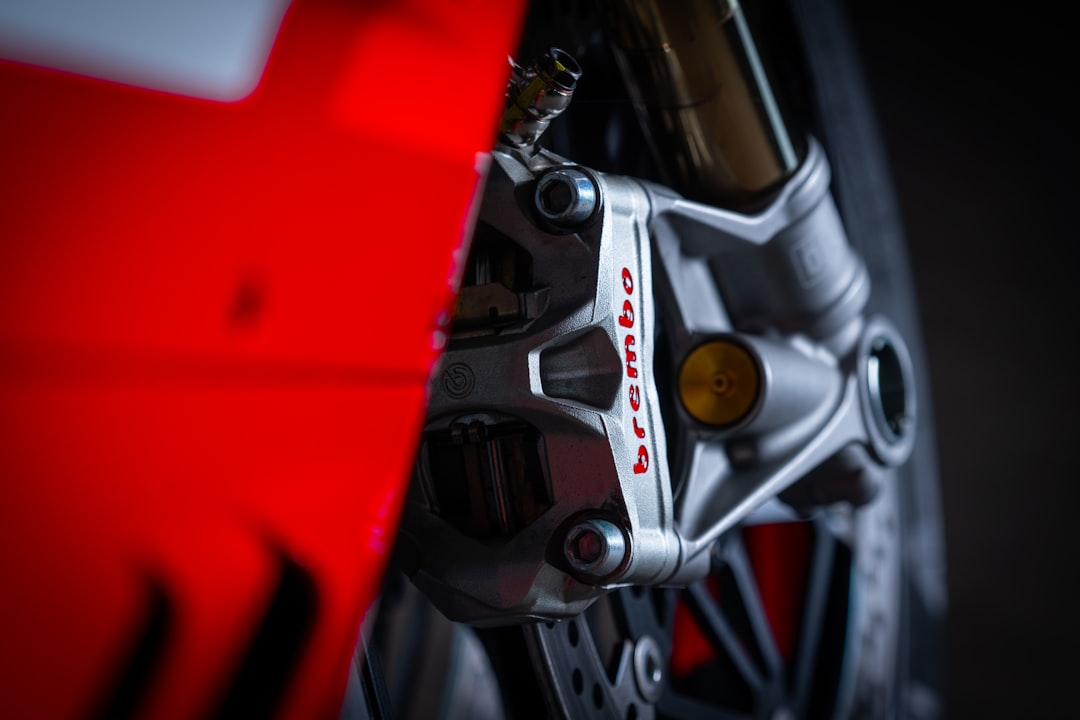
In Germany, where Autobahn speeds regularly hit 200+ km/h, Brembo semi-metallic and their sport-spec ceramic lines are practically standard on BMW and Mercedes models leaving dealerships. Brembo’s 2026 “eStopTM” line, designed specifically for heavier EV platforms like the BMW iX and Mercedes EQS, uses a new copper-free semi-metallic compound that reduces brake dust particulate by 34% compared to their 2023 formula — a direct response to EU air quality regulations.
In the United States, EBC Brakes’ Greenstuff organic compound remains wildly popular among light SUV owners in flat-terrain states like Texas and Florida, where heat cycling from aggressive braking is less of a concern. Meanwhile, California mountain commuters are gravitating toward Hawk Performance HPS ceramic pads after a series of wildfire-season evacuations highlighted just how badly standard pads fade under sustained panic-braking loads.
⚡ A Special Note for EV Owners in 2026
If you’re driving an EV — and statistically, there’s a pretty good chance you are — brake pad dynamics work differently for you. Regenerative braking does most of the work, meaning your pads see far less heat cycling but can also sit unused long enough to develop surface corrosion (glazing). This actually makes ceramic pads a particularly strong recommendation for EVs: their corrosion resistance and low-dust properties pair beautifully with the low-frequency but high-demand braking profile of electric vehicles. Several EV-specific pad lines launched in early 2026, including Akebono’s EV Pro-ACT series and Wagner ThermoQuiet EV, are worth exploring.
💡 So What Should YOU Actually Buy? Realistic Alternatives by Driver Type
Daily city commuter (under 20,000 km/year, flat terrain): Organic or entry-level ceramic. Save your money — Bosch QuietCast or Akebono Euro Ultra are solid picks under $60/axle.
Highway and mixed driving, standard car: Semi-metallic is your best value. EBC Greenstuff or Hawk HPS give you performance without track-level noise.
Performance enthusiast, spirited mountain driving: Premium ceramic (Brembo OE Replacement or Hawk Ceramic) gives you the heat stability and rotor longevity that justify the price.
Track day driver (occasional): Semi-metallic sport compound for street/track combo (Hawk HP Plus). Full sintered metallic only if you’re doing full track days with dedicated track cars.
EV owner: Ceramic, specifically EV-spec lines if your vehicle’s weight is over 2,000 kg. Akebono EV Pro-ACT or equivalent.
The honest truth? Most people are running organic pads on cars that would genuinely benefit from ceramic, because nobody told them the difference. A $40 upgrade in pad cost can make a measurable difference in both safety and rotor longevity — which saves you real money long-term.
Editor’s Comment :Brake pads are one of those rare car components where the cheapest option isn’t just less convenient — it’s potentially less safe under exactly the conditions that matter most. The good news is that the right choice doesn’t have to be expensive. Understanding your actual driving pattern (not the idealized version!) is the real key. If your commute involves even occasional steep descents, emergency traffic situations, or you’re piloting a heavier EV, stepping up to semi-metallic or ceramic isn’t an indulgence — it’s just smart vehicle management. Your rotors, your reaction time, and honestly your peace of mind will all thank you.
얼마 전 지인이 이런 말을 했어요. “브레이크 패드 갈았는데 왜 이렇게 먼지가 많이 생기지? 휠이 까맣게 됐어.” 알고 보니 순정 교체 시 흔히 사용하는 세미-메탈릭(Semi-Metallic) 패드를 그대로 달았던 거였어요. 소재 특성상 철 계열 분진이 많이 발생하거든요. 브레이크 패드, 그냥 닳으면 갈면 되는 소모품이라고만 생각했는데 막상 파고들면 소재 구성부터 열 특성, 분진량, 수명까지 정말 다양한 변수가 맞물려 있더라고요. 오늘은 2026년 현재 시중에 유통되는 브레이크 패드의 주요 4가지 종류를 성능 수치와 함께 꼼꼼하게 비교해 보겠습니다.
📌 브레이크 패드, 왜 종류가 중요한가?
브레이크 패드의 핵심 역할은 단순해요. 회전하는 로터(디스크)에 마찰을 가해 운동 에너지를 열 에너지로 변환시키는 것이죠. 그런데 이 ‘마찰’을 만들어내는 소재 구성에 따라 제동력, 내열성, 소음, 분진량, 수명, 가격이 모두 달라집니다. 특히 최근에는 전기차 보급 확대로 회생제동(Regenerative Braking) 시스템과의 궁합까지 고려해야 하는 시대가 됐습니다.
① 오가닉(Organic) 패드 — 부드럽지만 한계가 뚜렷하다
NAO(Non-Asbestos Organic) 패드라고도 불리며, 유리 섬유·케블라·고무·수지 등 비금속 소재를 혼합해 만들어요. 마찰계수는 일반적으로 μ 0.35~0.45 수준으로, 저속·일상 주행에서는 충분한 제동력을 제공합니다.
✅ 장점: 소음 매우 적음, 로터 마모 최소화, 분진 색상이 밝아 휠 오염 덜함, 가격 저렴 (편도 기준 1~3만 원대)
❌ 단점: 열 한계온도 약 300°C 전후로 낮음 → 연속 제동 시 페이드(Fade) 현상 발생 위험, 수명이 짧아 교체 주기 약 2~3만 km
🚗 추천 대상: 경차, 소형 세단, 출퇴근 위주의 도심 주행자
② 세미-메탈릭(Semi-Metallic) 패드 — 균형형의 대표 주자
가장 널리 쓰이는 타입으로, 철·구리·강철 섬유 등 금속 성분이 전체 조성의 30~65%를 차지해요. 마찰계수는 μ 0.38~0.55로 오가닉보다 넓은 범위를 커버하고, 열 허용 온도도 500~600°C 내외로 훨씬 높습니다. 대부분의 완성차 제조사들이 순정 사양으로 채택하는 이유가 여기 있어요.
✅ 장점: 넓은 온도 범위에서 안정적인 성능, 수명 약 4~5만 km, 비교적 합리적인 가격 (편도 3~7만 원대)
❌ 단점: 저온 초기 제동 시 소음(끼익 소리) 발생 가능, 금속 분진으로 인한 검은 휠 오염, 로터 마모 오가닉 대비 증가
🚗 추천 대상: 중형 세단, SUV, 고속도로 주행 비중이 높은 드라이버
③ 세라믹(Ceramic) 패드 — 조용하고 깨끗한 프리미엄 선택
세라믹 섬유·결합재·소량의 금속 필러로 구성됩니다. 마찰계수 자체는 μ 0.35~0.50으로 세미-메탈릭과 비슷하거나 약간 낮을 수 있지만, 열 안정성과 소음 측면에서 확연히 우위에 있어요. 분진이 밝은 색이라 휠 오염도 거의 없고, 수명은 약 5~7만 km로 길어요.
✅ 장점: 저소음, 저분진, 긴 수명, 로터 친화적, 고온에서도 안정된 성능 유지
❌ 단점: 가격이 높음 (편도 7~15만 원 이상), 극저온 환경에서 초기 웜업 필요, 고성능 서킷 주행에는 부적합
레이스 또는 고성능 스포츠 드라이빙에 특화된 패드로, 탄소 섬유와 금속 성분의 비율이 매우 높아요. 마찰계수가 μ 0.55 이상에 달하고, 열 허용 온도는 800~1,000°C를 넘기도 합니다. 단, 이 높은 마찰력은 ‘충분히 뜨거워진 상태’에서 발휘되는 것이라, 저온 상태에서는 오히려 제동력이 떨어질 수 있어요 — 이를 업계에서는 ‘콜드 바이트(Cold Bite) 불량’이라고 표현합니다.
✅ 장점: 극한의 제동력, 열 페이드 거의 없음, 고속·반복 제동에 최적
❌ 단점: 가격 매우 높음 (편도 20만 원 이상), 소음 큼, 로터 마모 심함, 일반 도로 적합성 낮음, 수명 짧음 (1~2만 km)
🚗 추천 대상: 서킷 주행 동호인, 퍼포먼스 튜닝 차량 오너
🌍 국내외 사례로 보는 트렌드 — 2026년 기준
국내 시장을 보면, 현대·기아 순정 교체 부품으로는 여전히 세미-메탈릭 계열이 주류를 이루고 있어요. 하지만 2026년 현재 아이오닉6, EV9 등 전기차 오너들 사이에서는 회생제동과의 궁합이 좋고 분진이 적은 세라믹 패드로 교체하는 비율이 눈에 띄게 늘어나는 추세라고 봅니다. 실제 국내 주요 자동차 커뮤니티 설문에서도 “전기차에는 세라믹”이라는 인식이 빠르게 확산되고 있어요.
해외 사례로는 유럽 연합(EU)이 2025년부터 신규 차량에 대한 구리 함유 브레이크 패드 규제를 강화하면서(구리 성분 0.5% 미만 의무화 추진), 세라믹 및 저구리 세미-메탈릭 소재로의 전환이 글로벌 부품사들에서 빠르게 이루어지고 있는 것 같습니다. 브렘보(Brembo), 보쉬(Bosch), 아크벨로(Akebono) 등 주요 브랜드 모두 2026년형 라인업에서 저구리 배합 비율을 높이고 있습니다.
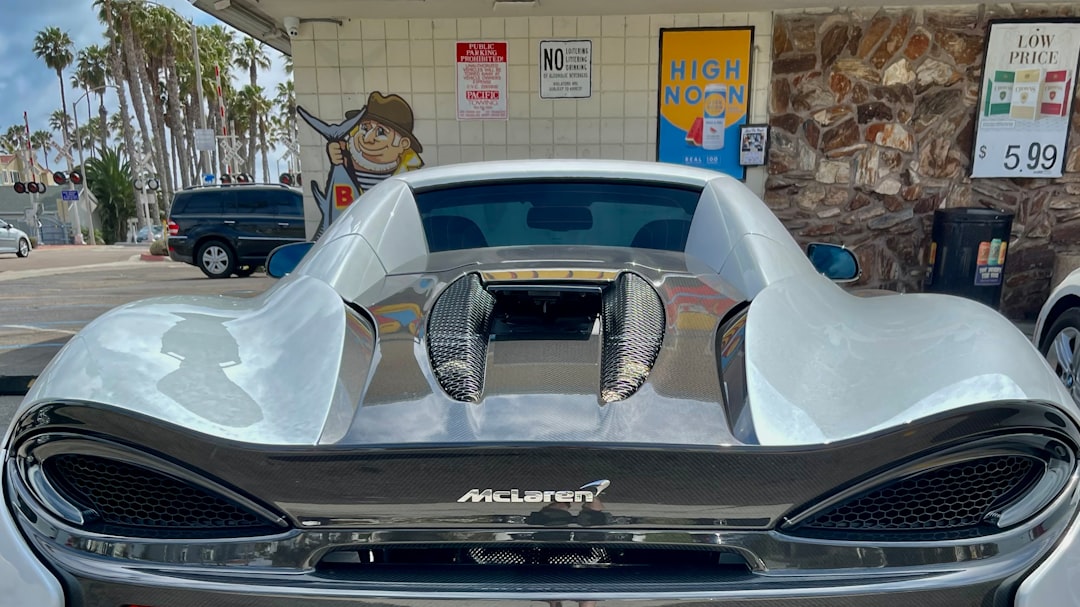
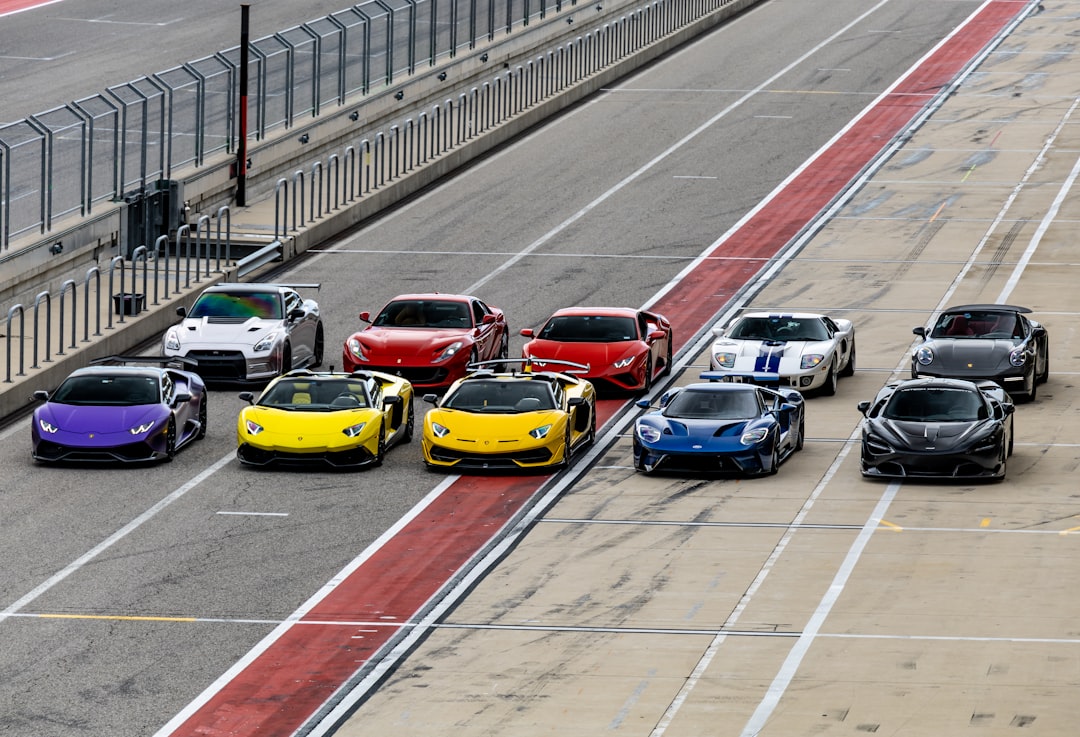
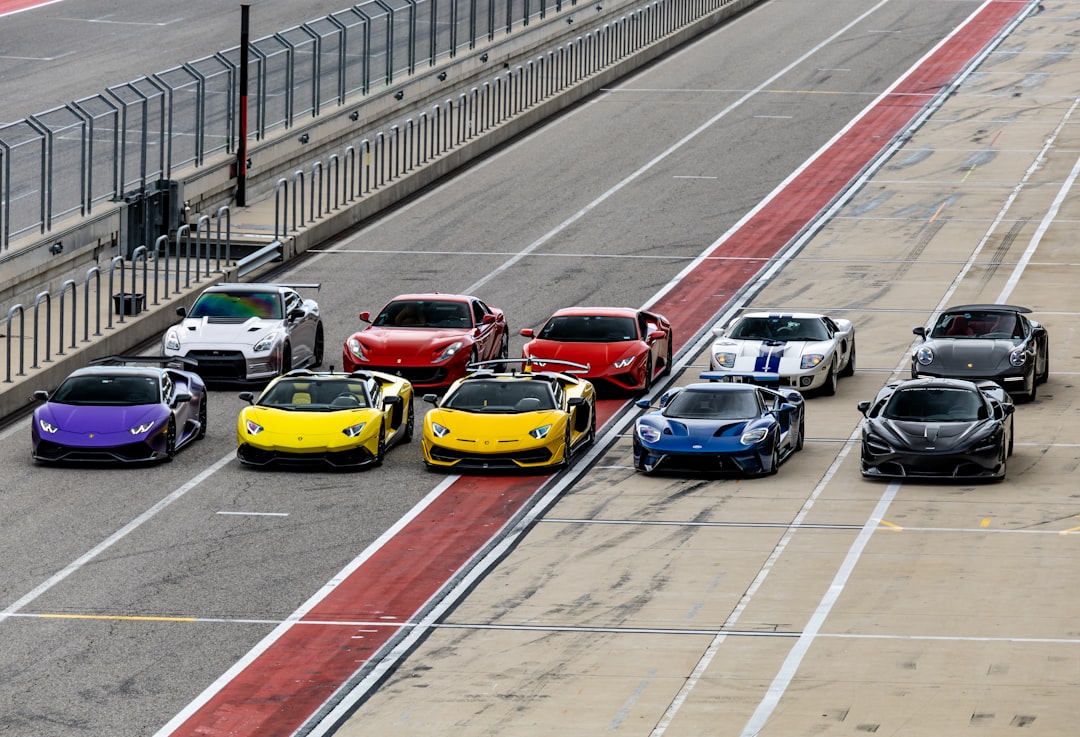
Picture this: you’re standing in a showroom in Geneva, the air smells faintly of leather and ambition, and three jaw-dropping machines are lined up in front of you. Each one promises to redefine what a supercar can be in 2026. But here’s the thing — spec sheets can lie, or at least mislead. So let’s actually think through what these numbers mean for real-world performance, ownership, and that indescribable feeling of pressing the throttle on an open road.
The 2026 supercar landscape is genuinely unlike anything we’ve seen before. Electrification is no longer a compromise — it’s a weapon. Hybrid powertrains are hitting outputs that would’ve seemed fictional five years ago, aerodynamics are being sculpted by AI-assisted design tools, and digital cockpits are starting to rival the instrument panels of fighter jets. Let’s dig in together.
🏎️ The Big Three of 2026: Ferrari SF-Corsa, Lamborghini Temerario Evo, and McLaren W1S
These are the three models generating the most conversation heading into mid-2026, and for good reason. Each takes a fundamentally different philosophy toward performance, which makes the comparison genuinely interesting rather than just a horsepower arms race.
Ferrari SF-Corsa (2026): 1,050 hp combined output (V6 hybrid), 0–100 km/h in 2.5 seconds, top speed 350 km/h+, starting price ~€520,000. Ferrari’s first fully road-legal track homologation car that still passes Euro 7 emissions. The e-diff system now operates 40% faster than the SF90 Stradale’s.
Lamborghini Temerario Evo (2026): 920 hp from a twin-turbo V8 + three electric motors (one per rear wheel, one on front axle), 0–100 km/h in 2.7 seconds, torque vectoring so precise it borders on supernatural, starting price ~€380,000. This is the Temerario refined — less raw drama, more surgical precision.
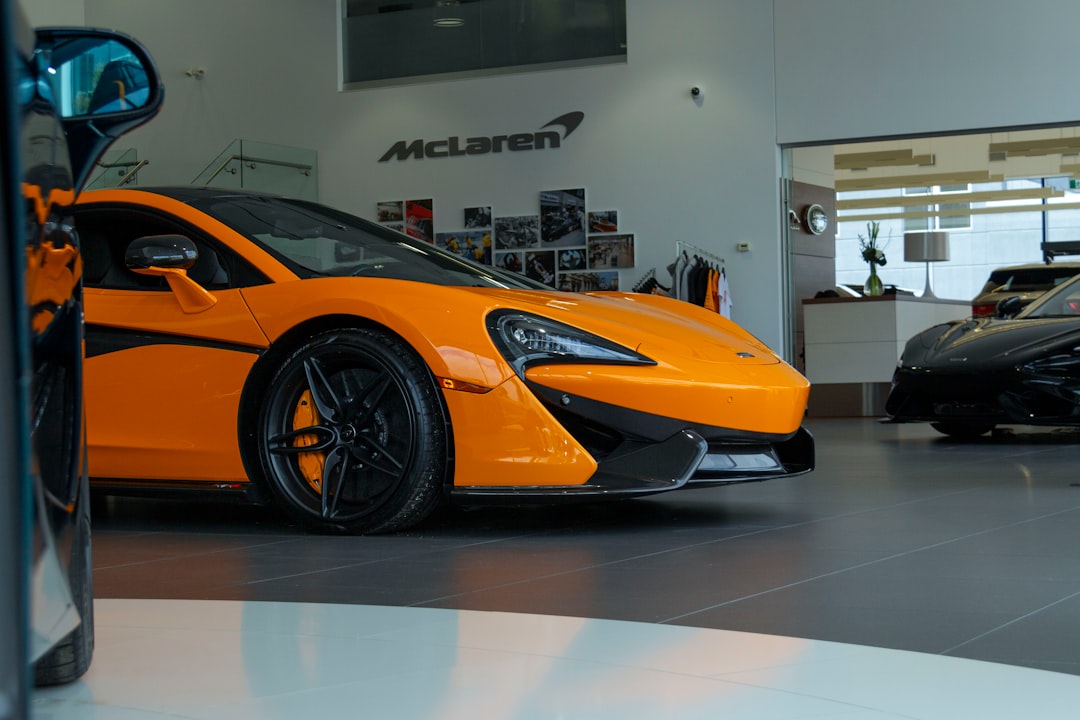
McLaren W1S (2026): 1,275 hp (McLaren’s most powerful road car ever), twin-turbo V8 hybrid, 0–100 km/h in under 2.4 seconds, active aerodynamics generating 1,000 kg of downforce at 250 km/h, starting price ~€2.1 million. The “S” suffix means sport-track variant with a lightweight carbon tub revision.
📊 Breaking Down What the Numbers Actually Mean
Here’s where I want us to slow down and think critically. Raw horsepower figures are seductive, but they don’t tell the full story. The McLaren W1S’s 1,275 hp is an extraordinary number — but it’s also a £2M+ machine with a waiting list that doesn’t really exist for you and me. So let’s contextualize.
The Ferrari SF-Corsa is arguably the most technically sophisticated in terms of integration. Ferrari’s engineers have managed to make the hybrid system feel seamless — there’s no noticeable torque-fill lag that plagued earlier hybrid hypercars. The regenerative braking system recaptures up to 120 kW under deceleration, which on a track circuit genuinely extends your usable electric power lap after lap. This matters if you plan to actually use the car on track days.
The Temerario Evo, on the other hand, is the most democratically usable of the three (relatively speaking). Lamborghini has invested heavily in the Strada mode dynamics — you can genuinely drive this car daily in a major city like Seoul, Dubai, or Los Angeles without feeling like you’re wrestling a wild animal. The adaptive suspension now reads road surface data 500 times per second, adjusting damping in real time.
The McLaren W1S is a different beast entirely. It’s a road-legal racing car with a number plate. Its active rear wing — derived directly from the McLaren F1 program — deploys in 0.02 seconds. But daily usability? Marginal at best. Visibility is compromised, the ride in Comfort mode is still firm enough to rattle your dental work on urban roads.
🌏 Global Market Context: How These Models Are Landing in 2026
In South Korea, the supercar import market has seen a notable shift in 2026. According to Korea Automobile Importers & Distributors Association (KAIDA) data from Q1 2026, supercars priced above ₩500 million saw a 22% year-on-year increase in new registrations — largely driven by tech entrepreneurs and second-generation chaebols who prioritize the hybrid performance narrative over pure combustion bragging rights.
In Europe, particularly in Germany and the UK, the conversation is dominated by sustainability credentials. The Ferrari SF-Corsa’s ability to run 30 km on pure electric power (useful for zero-emission zones in Amsterdam or London’s ULEZ) has become an unexpected sales point. Meanwhile, in the Middle East — particularly Dubai and Riyadh — the Lamborghini Temerario Evo’s visual drama and customization options through Ad Personam still reign supreme.
In the US market, California’s CARB regulations have pushed manufacturers to ensure all three models meet 2026 emissions standards, which they do — but only the Ferrari can technically be marketed as a partial ZEV (Zero Emission Vehicle) for HOV lane privileges, which is a surprisingly practical perk for a hypercar owner stuck on the 405.
⚖️ The Spec Comparison at a Glance
Best pure acceleration: McLaren W1S (sub-2.4s to 100 km/h)
Best daily usability: Lamborghini Temerario Evo
Best tech integration: Ferrari SF-Corsa
Best track downforce: McLaren W1S (1,000 kg at 250 km/h)
Best value proposition: Temerario Evo (~€380K for 920 hp hybrid)
Most exclusive: McLaren W1S (limited to 399 units globally)
Best hybrid efficiency: Ferrari SF-Corsa (30 km EV range)
💡 Realistic Alternatives: When a Supercar Makes Sense (and When It Doesn’t)
Now, let’s be honest with each other — the vast majority of us are exploring these specs out of passion and curiosity, not because we’re about to wire €500,000 to Maranello. And that’s completely fine. Here’s where I think it’s worth exploring what the realistic entry points look like if you genuinely want that supercar experience in 2026:
Porsche 911 GT3 RS (2026 update): ~€230,000. Still naturally aspirated, still one of the most engaging driver’s cars on the planet. If you want the visceral experience without the hybrid complexity, this is your answer.
McLaren Artura Spider (2026): ~€290,000. A genuine McLaren with a hybrid V6, spectacular looks, and real-world usability that the W1S can’t match.
Driving experience programs: Ferrari’s Corse Clienti track programs and Lamborghini’s Esperienza events let you drive these exact 2026 models on professional circuits for a fraction of ownership cost. In 2026, these programs have expanded to include Korea (Inje Speedium) and Singapore.
Fractional ownership platforms: Companies like Rally Rd. and the expanded Curated platform now offer fractional shares in 2026 supercars, letting enthusiasts participate in ownership economics and experience rotations.
The 2026 supercar generation is genuinely the most impressive we’ve ever seen — not because the numbers are bigger (though they are), but because the gap between theoretical performance and real-world usability has finally started to close. Whether you’re cross-shopping between Ferrari and Lamborghini with a serious budget, or simply fueling your passion from a distance, understanding what these machines actually represent is the first step to appreciating how far automotive engineering has come.
The supercar world in 2026 isn’t just about who’s fastest — it’s about who’s most intelligent. And that, honestly, makes it more interesting than ever.
Editor’s Comment : If I had to pick one from a purely rational “best-of-all-worlds” perspective, the Lamborghini Temerario Evo in 2026 makes a surprisingly compelling case — not because it’s the fastest or most exotic, but because it’s the one you’d actually enjoy owning across seasons and situations. The Ferrari SF-Corsa edges it for pure engineering admiration, and the McLaren W1S is an event, not a car. But the Temerario Evo? That’s the one that might just make you smile every single time, not just on your best day.
지난 3월, 제네바 모터쇼가 막을 내린 직후 자동차 커뮤니티는 온통 한 가지 논쟁으로 들끓었어요. ‘2026년형 페라리 SF90 XX 스트라달레’와 ‘람보르기니 테메라리오’가 같은 행사장에서 나란히 공개된 건데, 실차를 두 눈으로 봤다는 사람들조차 의견이 갈렸거든요. 숫자로 보면 이쪽이 우세한데, 실제로 타보면 저쪽이 낫다는 식이죠. 그래서 오늘은 2026년을 기준으로 주목받고 있는 슈퍼카 신모델들의 스펙을 최대한 구체적인 수치와 함께 비교해 보려 합니다. 단순히 마력 숫자를 나열하는 게 아니라, 그 숫자가 실제 주행에서 어떤 의미를 갖는지까지 같이 살펴볼게요.
① 페라리 SF90 XX 스트라달레 (2026 MY) — ‘하이브리드의 완성형’
2026년형 SF90 XX 스트라달레는 기존 SF90 스파이더를 기반으로 공기역학과 전동화 시스템을 대폭 개선한 모델이라고 봅니다. 핵심 수치를 먼저 보면:
총 시스템 출력: 1,030 hp (내연기관 780 hp + 전기모터 250 hp)
0→100 km/h 가속: 2.3초
최고 속도: 320 km/h
건조 중량: 1,485 kg
가격(국내 예상): 약 7억 5,000만 원~8억 원대
탄소섬유 비중: 차체 패널의 약 78%를 CFRP(탄소섬유강화플라스틱)로 구성
특히 주목할 부분은 ‘파소 코르토(Passo Corto)’ 에어로 패키지인데요. 프론트 리프팅 플랩과 리어 액티브 스포일러가 최대 860 N의 다운포스를 생성한다고 해요. 이게 단순한 스펙 자랑이 아니라, 200 km/h 이상 고속 코너링에서 실질적인 접지력 차이를 만들어내는 수치라는 점에서 의미가 크다고 봐요.
② 람보르기니 테메라리오 (2026 MY) — ‘우라칸의 후계자, 전동화를 품다’
테메라리오는 2025년 말 공식 출시 이후 2026년형으로 소프트웨어 업데이트와 트림 구성이 재편됐어요. 이 차가 흥미로운 이유는 람보르기니가 처음으로 V8 하이브리드 플랫폼을 양산형에 전면 도입했다는 점이에요.
엔진: 4.0L 트윈터보 V8 + 3개의 전기모터
총 시스템 출력: 920 hp
0→100 km/h 가속: 2.7초
최고 속도: 325 km/h
건조 중량: 1,600 kg (배터리 포함)
가격(국내 예상): 약 4억 8,000만 원~5억 5,000만 원대
전기 모드 주행 가능 거리: 약 14 km (WLTP 기준)
V10을 V8로 다운사이징했다는 소식에 팬들 사이에서 반발도 있었는데, 실제 트랙 데이터를 보면 뉘르부르크링 기준 기존 우라칸 대비 약 8초 빠른 랩타임을 기록했다는 점에서 ‘엔진 실린더 수 = 성능’이라는 공식이 더 이상 유효하지 않다는 걸 보여주는 사례라고 봅니다.
③ 맥라렌 W1 (2026 MY) — ‘순수한 날것의 감각’
맥라렌 W1은 사실상 P1의 정신적 후계자로 평가받는 모델이에요. 2026년 현재 전 세계 한정 생산(888대)이 거의 소진된 상태지만, 스펙 경쟁에서 빠질 수 없는 존재죠.
총 시스템 출력: 1,275 hp
0→100 km/h 가속: 2.7초 (토크 제어로 인한 런치컨트롤 기준)
최고 속도: 350 km/h (이론치)
건조 중량: 1,399 kg (역대 맥라렌 로드카 중 최경량)
가격(글로벌): 약 250만 달러(약 34억 원)
다운포스: 최대 1,000 kg (고속 주행 시)
W1의 포인트는 마력 대비 중량비(Power-to-Weight Ratio)가 약 911 hp/t 수준이라는 거예요. 이 수치는 일반 도로를 달리는 차량 중 역대 최고 수준에 근접하는 라고 봅니다. 다만, 실용성과는 거리가 먼 하이퍼카 카테고리에 속하기 때문에 ‘슈퍼카 vs. 하이퍼카’ 경계에서 분류 논쟁이 있기도 해요.
④ 국내외 슈퍼카 시장 트렌드 — ‘전동화’는 선택이 아닌 흐름
해외 사례를 보면, 2026년 현재 유럽 슈퍼카 브랜드들은 EU의 2035년 내연기관 신차 판매 금지 로드맵에 발맞춰 하이브리드 전환을 가속화하고 있어요. 포르쉐 911 GT3 RS조차 2026년형 부분변경에서 48V 마일드 하이브리드 시스템 탑재를 검토 중이라는 보도가 나왔고요.
국내 시장에서도 변화가 감지됩니다. 한국수입자동차협회(KAIDA) 자료에 따르면 2025년 기준 5억 원 이상 슈퍼카 등록 대수는 전년 대비 약 17% 증가했는데, 이 중 하이브리드 파워트레인 비중이 처음으로 50%를 넘어섰어요. 국내 소비자들이 ‘슈퍼카 = 순수 내연기관’이라는 인식에서 벗어나고 있다는 신호로 읽히는 것 같습니다.
솔직히 말하면, 셋 중 어느 하나가 절대적으로 우월하다고 단정하기 어렵습니다. 트랙에서의 물리적 한계를 밀어붙이고 싶다면 맥라렌 W1, 일상과 서킷을 모두 커버하면서 브랜드 유산을 즐기고 싶다면 페라리 SF90 XX, 그리고 처음 슈퍼카 세계에 입문하거나 ‘합리적 슈퍼카’를 원한다면 람보르기니 테메라리오가 현실적인 선택지라고 봐요.
무엇보다 2026년의 슈퍼카 시장은 ‘얼마나 빠른가’보다 ‘어떻게 빠른가’로 경쟁 축이 이동했다는 점이 흥미롭습니다. 전동화, 경량화, 공기역학의 삼각 균형을 어떻게 맞추느냐가 앞으로 이 시장의 승패를 가를 것 같아요.
에디터 코멘트 : 슈퍼카를 구매 대상으로 바라보지 않더라도, 이 차들이 보여주는 기술적 진화는 결국 5~10년 후 우리가 타게 될 일반 차량에 반드시 흘러들어와요. 하이브리드 제어 기술, 경량 소재, 능동형 공기역학 시스템 모두 이미 양산차에 일부 적용되고 있거든요. 그런 시각으로 슈퍼카 스펙을 읽으면, 단순한 드림카 구경을 넘어 ‘미래 자동차 기술의 미리보기’로서 훨씬 입체적으로 즐길 수 있다고 봅니다.
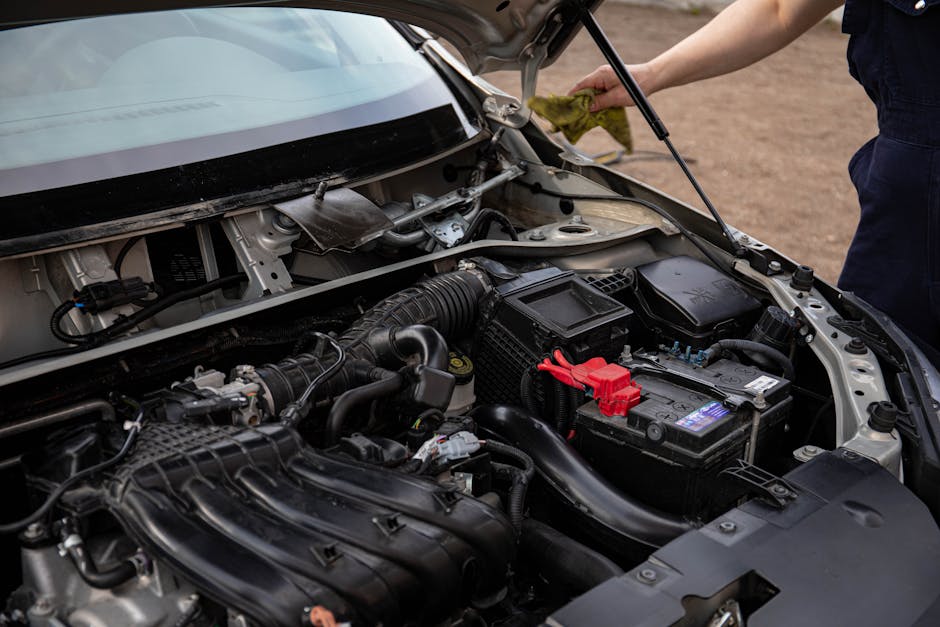
Picture this: it’s a crisp Tuesday morning in 2026, you’re already running five minutes late, and you turn the key — nothing. That gut-sinking click-click-click sound is one of the most universally dreaded automotive experiences. Nine times out of ten, the culprit is a dead or dying car battery. The frustrating part? Most of us could have seen it coming weeks, even months, earlier. Today, let’s think through car battery lifespan, replacement timing, and the best brands worth your money — together.
How Long Does a Car Battery Actually Last?
The honest answer is: it depends — but not in a vague, unhelpful way. Under normal driving conditions, a typical lead-acid car battery lasts 3 to 5 years. AGM (Absorbent Glass Mat) batteries, which are now standard in most modern vehicles with stop-start systems, stretch that window to 4 to 7 years. Lithium-ion auxiliary batteries found in hybrid and EV systems can theoretically last 8 to 10 years, though temperature stress and charge cycles do take a toll.
According to a 2026 automotive aftermarket report by AAA and industry research firm IMR Inc., roughly 1 in 4 batteries tested in vehicles over 3 years old showed signs of underperformance — and most drivers had zero idea. That’s a staggering number when you think about it.
Key Warning Signs Your Battery Is Crying for Help
Slow engine crank: If your engine takes noticeably longer to turn over, especially in cold weather, your battery’s cold cranking amps (CCA) are degrading.
Dimming headlights or dashboard lights: Electrical fluctuation is a classic red flag.
Swollen battery case: Heat exposure can cause the case to bloat — a visual sign you should replace immediately.
Frequent need for jump-starts: Once is an incident; twice in a month is a pattern.
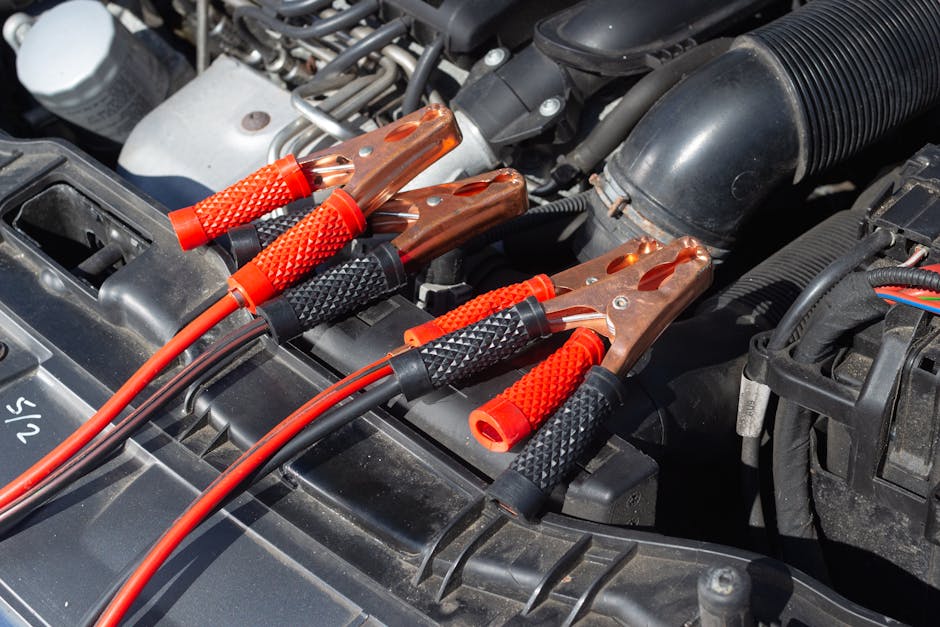
Check Engine or Battery warning light: Don’t dismiss this. Modern vehicles monitor battery health through the BMS (Battery Management System).
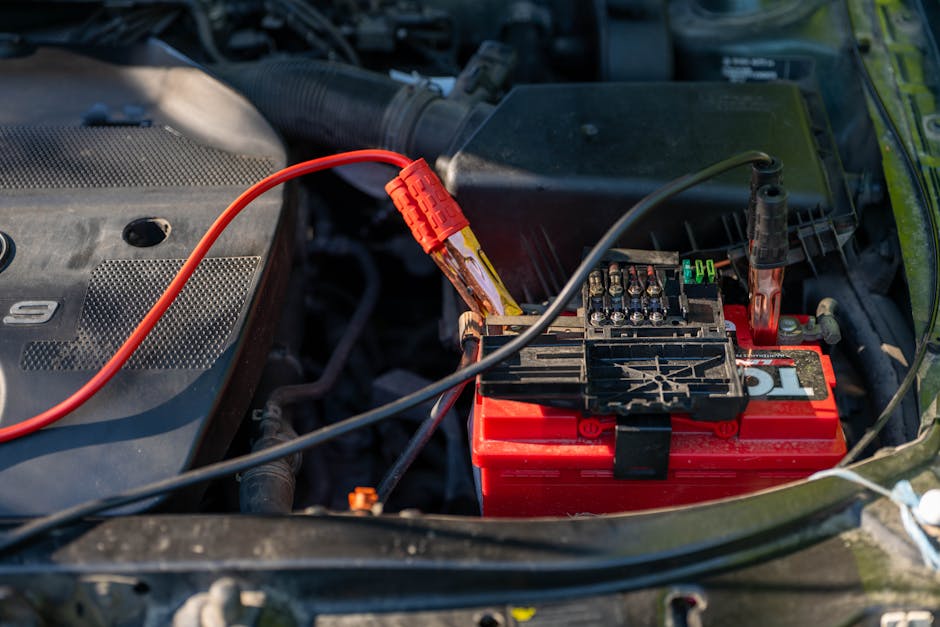
Corrosion around terminals: White or bluish residue on terminals indicates electrolyte leakage and reduced efficiency.
Battery age over 4 years: Even if everything seems fine, proactive testing is smart after the 4-year mark.
When Is the Smartest Time to Replace Your Battery?
Most automotive experts — and frankly, your wallet — agree that proactive replacement beats reactive replacement every single time. The sweet spot is having your battery load-tested annually after the 3-year mark. Many auto parts chains (AutoZone, Advance Auto Parts, O’Reilly) will do this for free in 2026. A load test tells you the actual reserve capacity under stress, not just the resting voltage.
Seasonally speaking, late summer and early fall are the best windows for replacement. Here’s the logic: summer heat is actually the #1 killer of car batteries (not winter, as many assume). Heat accelerates internal corrosion and water evaporation inside the cells. By replacing in fall, you go into the high-demand cold months with a fresh battery — smart timing that extends your peace of mind.
Real-World Examples: How Different Drivers Handle This
Let’s look at a couple of realistic scenarios that illustrate why timing and brand choice matter.
Case 1 — Seoul, South Korea: A 2026 Hyundai Tucson owner reported that the OEM battery (supplied by Delkor, a South Korean subsidiary of Clarios) lasted exactly 4 years and 3 months before showing weakness. After a free diagnostic at a nearby Bosch Car Service center, she replaced it with a Delkor DIN80L AGM for approximately ₩180,000 (~$130 USD). South Korean drivers tend to replace batteries more proactively because of extreme seasonal temperature swings between humid summers and freezing winters — a habit worth adopting globally.
Case 2 — Phoenix, Arizona, USA: An Uber driver running a 2023 Toyota Camry Hybrid replaced his auxiliary 12V AGM battery at just 3.5 years due to Arizona’s brutal summer heat cycles. He chose an Optima RedTop, known for its vibration resistance — crucial for high-mileage rideshare vehicles. His mechanic noted the original battery had already lost 28% of its rated capacity, confirmed by conductance testing.
Top Car Battery Brands Worth Recommending in 2026
The battery market has consolidated significantly. Here’s a grounded breakdown of brands that consistently earn high marks from both consumer reviews and technical testing:
Optima (RedTop / YellowTop / BlueTop): Premium spiral-cell AGM design. Exceptional vibration resistance. Best for performance vehicles and off-road use. Pricier but durable.
Odyssey (by Clarios): Beloved by mechanics for extreme temperature performance. Military-grade durability. Excellent for trucks and fleet vehicles.
Interstate Batteries: Widely available in the US, solid mid-range quality, great warranty support. A reliable “safe bet” for everyday passenger vehicles.
Bosch S6 AGM: A top pick for European vehicles (BMW, Mercedes, Volkswagen). Matches OEM specs closely and handles regenerative braking systems well.
Delkor (South Korea / Asia Pacific): OEM supplier for Hyundai and Kia globally. Excellent value-to-performance ratio in Asian markets.
Varta (Europe): Germany-engineered, widely trusted across EU markets. Their Silver Dynamic AGM line is particularly strong for modern stop-start vehicles.
ACDelco (GM-backed): Great choice for GM vehicles. Competitive pricing with solid performance in North American climates.
How Much Should You Budget?
In 2026, a standard lead-acid battery for a compact car typically runs $80–$130 USD. AGM batteries for modern vehicles range from $150–$280 USD, and premium brands like Optima or Odyssey can push past $300 USD. Installation at a shop adds another $20–$60 USD, though many retailers (Costco, AutoZone) will install for free with purchase. Remember to ask about core charge refunds — you typically get $10–$20 back for returning your old battery for recycling.
Realistic Alternatives If Budget Is Tight
Not everyone can drop $250 on a battery today, and that’s completely valid. Here are some sensible approaches:
Store-brand batteries from major retailers: Costco’s Kirkland (made by Johnson Controls/Clarios) and Walmart’s EverStart offer surprisingly solid performance at 20–30% lower cost than name brands.
Buy online, install yourself: Brands like Weize or ExpertPower on Amazon offer competitive specs at budget pricing. Just verify fitment using your vehicle’s group size.
Reconditioned/refurbished batteries: Some local shops offer tested, reconditioned batteries at half price. Ask for a warranty of at least 6 months and a load test certificate.
Extend your current battery’s life: If it’s not yet failing, a smart battery maintainer (trickle charger) like the NOCO Genius series can significantly extend lifespan, especially for vehicles parked for long periods.
The bottom line is this: your car battery is the silent enabler of everything electrical in your vehicle — ignition, safety systems, infotainment, and increasingly in 2026, advanced driver-assistance features. Treating it as an afterthought until it fails is like ignoring a slow leak in your roof. A little proactive attention — annual testing, understanding your climate’s demands, and choosing a reputable brand matched to your vehicle type — saves you from the worst-case scenario of being stranded.
Don’t wait for that awful click-click silence on a cold morning. You’ve got the information now — use it wisely.
Editor’s Comment : After spending years testing automotive products and talking to mechanics from Seoul to Phoenix, one thing stands out clearly: the drivers who never get stranded aren’t necessarily the ones with the fanciest cars — they’re the ones who simply pay attention. Your battery is giving you signals. The question is whether you’re listening. In 2026, with free testing available at most parts stores and prices more competitive than ever, there’s genuinely no good reason to gamble on a failing battery. Go get yours checked this week — future-you will be grateful.
얼마 전 지인이 아침 출근길에 시동이 걸리지 않아 30분 넘게 도로에 발이 묶였다는 이야기를 들었어요. 원인은 다름 아닌 배터리 방전. 3년 넘게 한 번도 점검을 안 했다고 하더라고요. 사실 자동차 배터리는 눈에 잘 띄지 않다 보니, 타이어나 엔진오일과 달리 교체 시기를 놓치는 경우가 굉장히 많습니다. 오늘은 배터리 수명이 어느 정도인지, 언제 갈아야 하는지, 그리고 2026년 현재 믿을 수 있는 브랜드는 어디인지를 함께 살펴보려고 해요.
🔋 자동차 배터리 평균 수명, 숫자로 보면 이렇습니다
일반적으로 납산(Lead-Acid) 배터리의 수명은 3~5년, 또는 주행거리 기준 약 5만~7만 km 정도라고 보는 게 맞는 것 같습니다. 다만 이건 이상적인 환경에서의 이야기고요, 실제로는 여러 변수가 수명을 크게 단축시켜요.
고온 환경: 여름철 엔진룸 온도가 80°C 이상 올라가면 전해액 증발이 빨라져 수명이 최대 40% 단축될 수 있어요.
단거리 반복 주행: 5km 미만의 짧은 거리를 자주 타면 충전이 충분히 이루어지지 않아 배터리가 만성적으로 방전 상태에 놓입니다.
블랙박스·전장품 상시 전력 소모: 상시 녹화 블랙박스, 열선 시트, 하이패스 등 상시 전력을 사용하는 기기가 많을수록 자연방전 속도가 빨라집니다.
AGM/EFB 배터리: 스타트-스톱(ISG) 시스템이 탑재된 차량에 사용되는 AGM 배터리는 일반 납산보다 비싸지만, 수명은 오히려 4~6년으로 더 길게 볼 수 있어요.
리튬인산철(LFP) 배터리: 전기차 보조배터리나 일부 하이브리드 보조 시스템에 쓰이며, 이론 수명은 8~10년대로 길지만 교체 비용이 상당합니다.
📅 이런 증상이 나타나면 교체 시기가 된 겁니다
수명 연한보다 더 중요한 건 실제 증상이라고 봅니다. 아래 신호 중 두 가지 이상이 겹친다면 점검을 미루지 않는 게 좋아요.
시동을 걸 때 엔진 크랭킹 소리가 평소보다 느리고 힘없이 들릴 때
계기판에 배터리 경고등(빨간 배터리 모양)이 점등될 때
헤드라이트 밝기가 시동 전후로 눈에 띄게 달라질 때
블랙박스 전압 알림 기능이 3일 이상 주차 시 저전압 경고를 반복할 때
OBD 진단기나 배터리 테스터로 측정한 CCA(냉간시동전류) 값이 정격 대비 70% 이하일 때
특히 CCA 수치는 배터리 상태를 가장 정직하게 보여주는 지표인 것 같아요. 카센터나 대형 마트 자동차 용품 코너에서 무료로 측정해 주는 경우도 많으니 한 번쯤 확인해 보시길 권해 드립니다.
🌍 국내외 실제 사용 사례로 본 배터리 교체 트렌드
미국 컨슈머 리포트(Consumer Reports)의 2025년 자동차 신뢰도 조사에 따르면, 배터리 관련 트러블이 차량 비예정 정비 항목 중 3위 안에 꾸준히 드는 것으로 나타났습니다. 국내에서도 한국교통안전공단 데이터 기준, 차량 배터리 관련 도로 긴급출동 요청이 2025년 한 해 약 210만 건을 넘어서며 전년 대비 약 12% 증가했다는 분석이 있습니다.
이런 흐름을 보면 단순히 “3년마다 갈면 된다”는 공식이 이제는 통하지 않는다는 걸 알 수 있어요. 전장화가 심화된 최신 차량일수록 배터리 부하가 커서 2년 반~3년 사이에 점검을 시작하는 것이 현실적이라고 봅니다.
🏆 2026년 현재 추천할 수 있는 자동차 배터리 브랜드
델코(Delkor) – 한국 클라리오스 생산: 국내 점유율 1위 브랜드로, AS 네트워크가 가장 촘촘합니다. 가성비와 신뢰성 면에서 무난한 첫 번째 선택지예요.
아트라스BX (Atlas BX): GS그룹 계열 브랜드로, OEM 공급 이력이 풍부합니다. EFB·AGM 라인업도 갖추고 있어 ISG 차량에도 대응 가능해요.
보쉬(Bosch) S5·S6 시리즈: 유럽 수입차 사용자들에게 특히 신뢰도가 높습니다. AGM 라인은 BMW·벤츠 순정 대비 합리적인 가격으로 성능을 유지해줘요.
바르타(VARTA): 독일 클라리오스 브랜드로 고성능 AGM 제품군이 강점입니다. 유럽 현지에서도 OEM 공급 비중이 높아 품질에 대한 신뢰가 두텁습니다.
옵티마(Optima) 레드탑·옐로탑: 고출력·레저·오프로드 차량에 적합한 젤 타입 AGM 배터리입니다. 가격이 높지만 진동 저항성이 뛰어나 험로 주행이 잦은 분들에게 추천해요.
💰 교체 비용, 어떻게 보면 될까요?
2026년 현재 기준으로 일반 납산 배터리는 공임 포함 8만~15만 원 선, EFB는 15만~25만 원, AGM은 25만~50만 원 이상을 예상하시면 됩니다. 수입차 AGM은 차종에 따라 70만 원을 넘기도 해요. 인터넷으로 배터리를 직접 구매한 뒤 카센터에서 공임만 내는 방식이 약 20~30% 절약되는 경우가 많으니 참고해 보세요. 다만 AGM·EFB는 교체 후 반드시 배터리 리셋(ECU 배터리 등록) 과정이 필요한 차종이 있어서, 이 부분을 지원하는 곳에서 작업하는 게 중요합니다.
에디터 코멘트 : 배터리는 한 번 방전되기 전까지 아무 신호도 없다가 갑자기 “뻗어버리는” 부품이에요. 그래서 더 무섭기도 하고요. 현실적인 조언을 드리자면, 3년 혹은 4만 km가 지난 시점부터는 봄·가을 정기 점검 시 배터리 CCA 테스트를 습관처럼 요청해 보시는 걸 권해 드립니다. 10분도 안 걸리는 검사가 출근길 발묶임을 막아줄 수 있거든요. 브랜드보다 더 중요한 건 결국 내 차 사용 패턴에 맞는 스펙을 선택하는 것이라고 봅니다. ISG 차량이라면 반드시 EFB 이상 등급으로, 단거리 출퇴근이 주라면 약간 용량이 큰 제품을 고르는 것이 수명을 더 길게 유지하는 데 도움이 돼요.